How Long Will Salmon Last in the Freezer: Storage Guide
You’ve just returned from the grocery store with fresh salmon fillets, or perhaps you caught a bounty while fishing, and now you’re wondering: how long can I safely store this in my freezer before it loses quality? This is a critical question for any home cook who wants to enjoy flavorful, nutritious salmon months after purchase without risking food waste or compromising on taste. The good news is that properly frozen salmon maintains excellent quality for specific timeframes that, when followed, ensure your fish remains delicious and safe to eat. Understanding these timelines—along with the proper storage techniques that maximize freshness—means you can confidently stock up on salmon when it’s in season or on sale, knowing exactly how long it will deliver restaurant-quality results once thawed and cooked.
Whether you’re storing raw fillets, cooked leftovers, or specialty preparations like smoked salmon, each form has its own optimal freezer lifespan. The United States Department of Agriculture (USDA) provides clear guidelines for seafood storage that help prevent freezer burn, maintain texture, and preserve nutritional value. This comprehensive guide breaks down exactly how long different types of salmon last in your freezer, the warning signs that indicate declining quality, and professional techniques for packaging that extend freshness. By following these evidence-based recommendations, you’ll transform your freezer from a simple storage unit into a reliable resource for high-quality salmon meals whenever you need them.
Raw Salmon Freezer Lifespan Explained

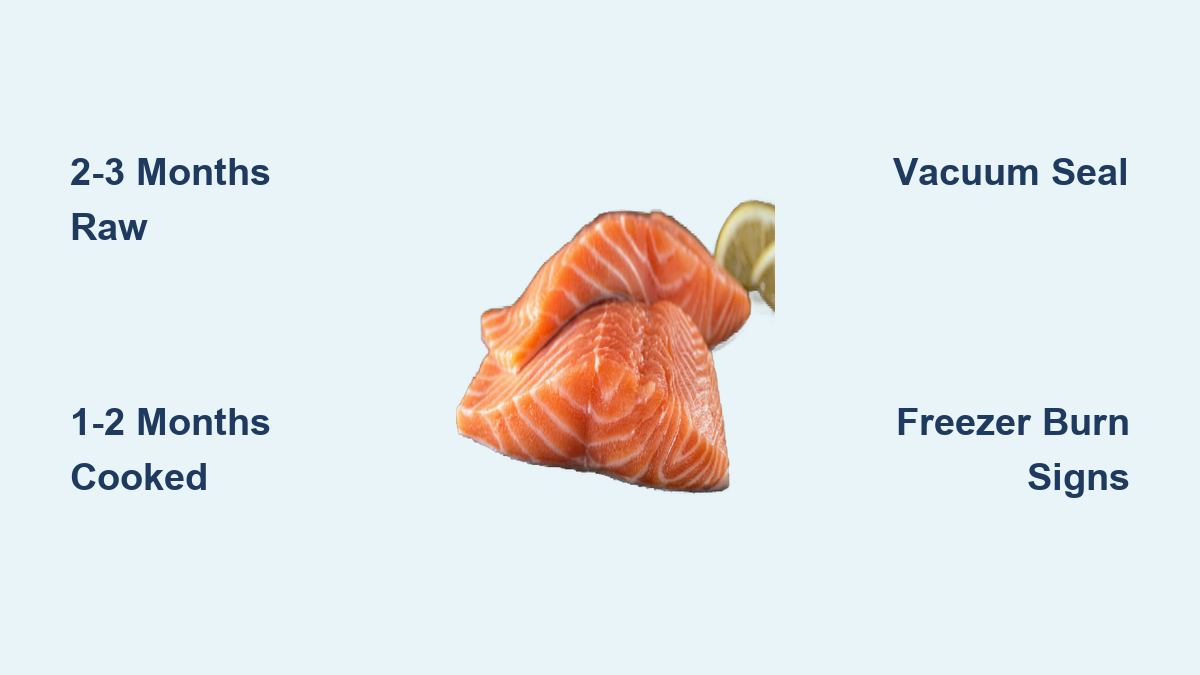
Raw salmon maintains peak quality for two to three months when frozen at 0°F (-18°C) or below in proper packaging. During this optimal window, the fish retains its characteristic firm texture, vibrant pink-orange color, and delicate flavor profile. While frozen salmon remains safe to eat indefinitely from a food safety perspective (bacteria don’t grow at freezer temperatures), the quality gradually deteriorates after the three-month mark. After four to six months, you’ll likely notice increased dryness, potential texture changes, and possibly off-flavors due to oxidation and freezer burn—even when stored correctly.
Why Three Months Is the Quality Sweet Spot
The three-month guideline isn’t arbitrary—it’s based on how fish tissue responds to freezing and long-term storage. Salmon contains high levels of unsaturated fats that, while nutritionally beneficial, are prone to oxidation when exposed to air. Even with proper packaging, minute amounts of air remain in contact with the fish, and over time, these fats break down. This oxidation process affects both flavor (creating rancidity) and nutritional value (reducing omega-3 content). Additionally, ice crystals naturally form during freezing, and over extended periods, these crystals can grow larger through a process called recrystallization, damaging the fish’s cellular structure and leading to moisture loss when thawed.
Whole Fish vs. Fillets: Does Form Matter?
Whole salmon requires different handling than fillets for optimal freezer storage. When freezing an entire salmon, you should first clean and gut the fish thoroughly, then wrap it tightly in multiple layers of freezer paper or heavy-duty plastic wrap before placing it in a freezer bag. Whole fish can maintain quality for up to three months, but portioning before freezing yields better results. Individual fillets freeze faster and more evenly, preserving texture better than thick sections of whole fish. If you’ve caught a whole salmon, consider portioning it into meal-sized servings before freezing—this not only improves quality retention but also gives you flexibility when planning meals later.
Cooked Salmon Freezer Storage Guidelines
Cooked salmon has a shorter optimal storage window than raw fish, maintaining best quality for one to two months in the freezer. The cooking process alters the protein structure and moisture content of the salmon, making it more susceptible to texture changes during freezing and thawing. When properly packaged in airtight containers with minimal headspace, cooked salmon retains its flavor and texture well within this timeframe. Beyond two months, cooked salmon often becomes dry and develops a slightly rubbery texture when reheated, though it remains safe to eat if frozen continuously.
Hot-Smoked vs. Cold-Smoked Salmon Storage
Smoked salmon requires special consideration due to its unique preparation. Hot-smoked salmon, which has been fully cooked during the smoking process, follows similar freezer guidelines as other cooked salmon—best quality within one to two months. Cold-smoked salmon, which is cured but not fully cooked, can be frozen but has a shorter optimal window of one month for peak quality. The higher salt content in smoked salmon helps preserve it somewhat, but the delicate texture makes it particularly vulnerable to freezer burn and moisture loss. Always wrap smoked salmon in an additional layer of plastic wrap before placing it in a freezer bag to protect its delicate texture.
Recognizing Freezer Burn and Quality Loss
Freezer burn appears as whitish, grayish, or brownish dry patches on the surface of frozen salmon and occurs when moisture evaporates from the fish due to air exposure. While freezer-burned salmon remains safe to eat, the affected areas become tough and flavorless. Minor freezer burn can be trimmed away before cooking, but extensive freezer burn throughout the fillet significantly impacts eating quality. Proper packaging minimizes this risk, but even well-wrapped salmon may develop some freezer burn after extended storage beyond the recommended timeframes.
Texture and Smell Indicators After Thawing
When thawed salmon exhibits a mushy texture, excessive dryness, or a strong fishy or ammonia-like odor, these are clear signs of quality degradation. Freshly thawed properly frozen salmon should have a clean, mild ocean scent and feel firm to the touch. If the fish feels slimy or has an off-putting smell, discard it—even if it was frozen within the recommended timeframes, improper temperature fluctuations during storage could have compromised quality. Remember that ice crystals larger than typical frost covering the fish indicate temperature fluctuations in your freezer, which accelerate quality loss.
Professional-Grade Packaging Techniques
The water displacement method provides superior protection without specialized equipment. Place your salmon portions in heavy-duty freezer bags, then slowly submerge the bag in a bowl of cold water while keeping the top open. The water pressure will push air out of the bag—seal it just before the water reaches the top. This technique creates a vacuum-like seal that dramatically reduces freezer burn risk compared to simply pressing air out by hand. For even better results, wrap each portion in plastic wrap first, then place multiple wrapped portions in a single labeled freezer bag—this allows you to remove just what you need without exposing the entire batch to air each time.
Vacuum Sealing: The Gold Standard
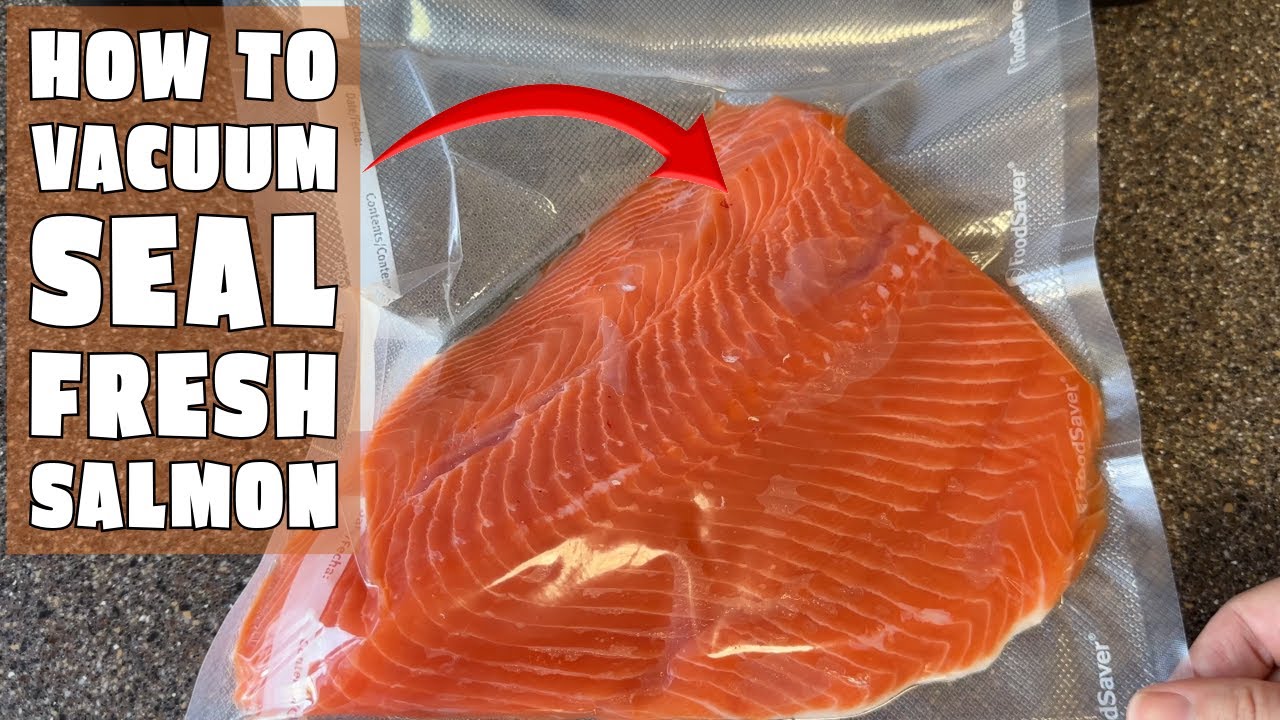
Vacuum sealing extends salmon’s quality window by removing nearly all air from the packaging, significantly slowing oxidation and moisture loss. When vacuum-sealed and stored at 0°F, raw salmon maintains excellent quality for up to six months—double the standard recommendation. The initial investment in a vacuum sealer pays off for frequent seafood consumers through reduced waste and consistently better results. For best practices, freeze portions on a tray first until firm (about two hours), then vacuum seal them—this prevents the vacuum process from damaging delicate fish tissue while ensuring a tight seal around the now-solid portions.
Thawing Methods That Preserve Texture
Refrigerator thawing remains the gold standard for maintaining salmon quality, requiring 12-24 hours depending on portion size. Place the sealed package on a plate in the coldest part of your refrigerator (usually the back, bottom shelf) to catch any potential drips. This slow thaw preserves cellular structure better than rapid methods and keeps the fish at a safe temperature throughout. For meal planning, move salmon from freezer to refrigerator the night before you intend to cook it—this method requires planning but delivers the best texture.
Emergency Thawing Without Quality Sacrifice
When you need salmon faster, the cold water method works effectively without significant quality loss. Keep the salmon in its sealed packaging and submerge it in a bowl of cold tap water, changing the water every 20-30 minutes to maintain cold temperature. A one-pound portion typically thaws in 45-60 minutes this way. Never use warm water or room temperature thawing, as these methods create dangerous temperature zones where bacteria can multiply rapidly on the outer layers while the center remains frozen. Always cook immediately after using rapid thawing methods—never refreeze raw salmon that has been fully thawed.
Maximizing Your Freezer Investment: Practical Strategies
Implement a first-in-first-out system by storing newer packages behind older ones and labeling everything with contents and freeze date. This simple organizational strategy prevents packages from getting lost in the back of your freezer where they might exceed recommended storage times. When purchasing salmon on sale, freeze portions immediately rather than waiting—freshness frozen in is better than waiting several days and then freezing degraded quality. For meal preppers, consider freezing salmon in portion-sized bags with pre-measured marinades—just add the bag to the refrigerator the night before cooking for convenient marinated salmon ready to cook.
Seasonal Buying and Freezer Stocking
Take advantage of salmon’s peak seasons (typically May through September in most regions) when prices are lower and quality is highest. Stock up during these periods and freeze properly for year-round enjoyment of high-quality salmon. Wild-caught salmon often has better freezing characteristics than farmed varieties due to its leaner composition, but both store well when handled correctly. By following these evidence-based storage guidelines, you’ll ensure your frozen salmon delivers delicious, nutritious meals long after purchase—transforming your freezer into a reliable source of high-quality protein whenever you need it.