Breast Milk Freezing Guide: How Long It Stays Fresh
Breast milk is often called liquid gold for good reason—it contains precisely the nutrients your baby needs, along with antibodies that protect against illness. When you’re building a freezer stash for returning to work, managing supply fluctuations, or preparing for emergencies, one question becomes absolutely critical: how long is breast milk good in the freezer? The answer isn’t as simple as a single number, because both safety and quality factor into the equation. Understanding the complete timeline helps you make informed decisions about storing, using, and rotating your frozen milk supply so your baby always receives the best possible nutrition.
This guide covers everything you need to know about freezer storage durations, temperature requirements, and best practices that ensure your frozen breast milk remains safe and nutritious for your little one. Whether you’re a first-time parent building your first supply stash or an experienced pump-er looking to optimize your storage system, these guidelines will help you navigate the complexities of preserving breast milk at home.
12-Month Safety vs. 6-Month Quality: The Breast Milk Freezer Timeline
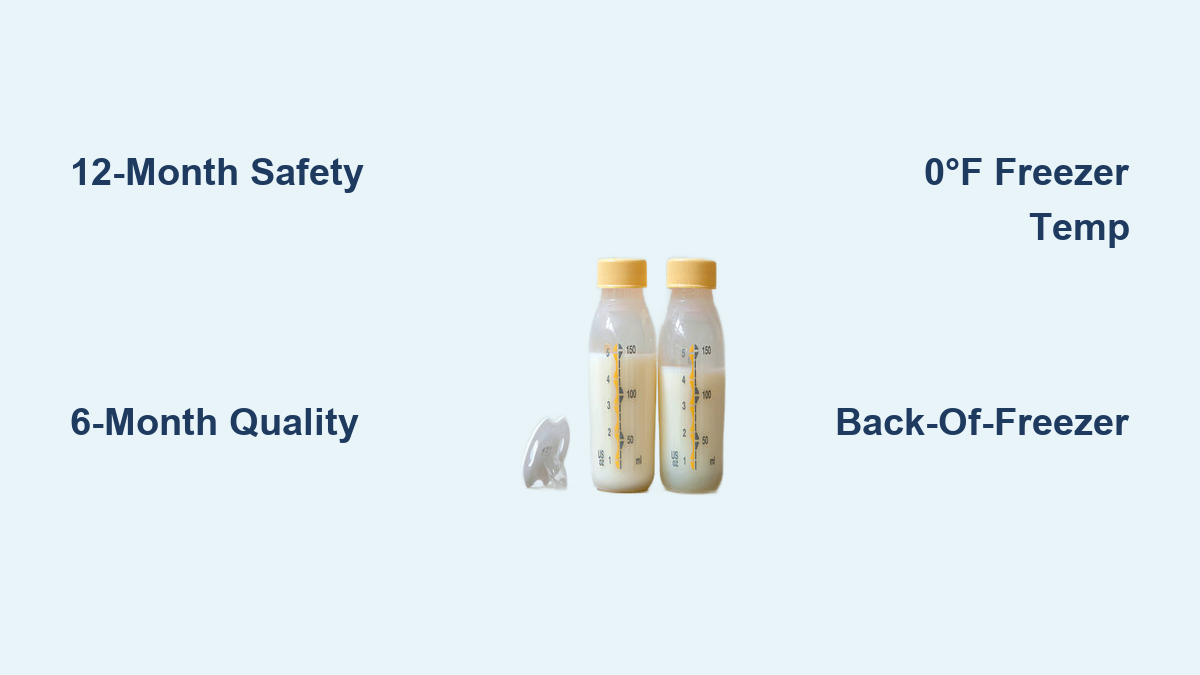
The official guidelines from health organizations establish that frozen breast milk remains safe for consumption for up to 12 months when stored at 0°F (-18°C) or colder. This 12-month window represents the absolute maximum for safety, meaning milk that has been frozen for longer than this should be discarded regardless of its apparent condition. The safety threshold exists because, while properly frozen milk doesn’t become unsafe in terms of bacterial growth, the extended storage time eventually compromises the milk’s nutritional integrity and quality to a degree that makes it unsuitable for infant consumption.
However, the clock for tracking storage time begins at the moment the milk is first expressed and frozen, not from the date it may be moved to a different freezer location. This distinction matters significantly for parents who transfer milk between freezers during moves or when reorganizing their storage systems. Milk that was frozen three months ago and then moved to a new freezer does not receive a fresh 12-month timer—rather, it retains its original three months of age toward the total storage period. Keeping accurate records of expression dates becomes essential for proper rotation and ensuring milk is used within recommended timeframes.
Why Your 6-Month Frozen Breast Milk Expires for Best Nutrition
While milk remains technically safe for up to 12 months, the quality and nutritional value are best preserved when the milk is used within the first 6 months of freezing. The consensus among breastfeeding experts establishes this 6-month guideline as the optimal window for maintaining the highest quality, including preserved nutritional properties, antibodies, and taste. Using frozen breast milk within this period ensures your baby receives milk with the highest concentration of intact beneficial components, from immune factors to vitamin content.
Beyond the 6-month mark, the quality gradually declines even though safety is maintained. Fat content, vitamin levels, and immune factors all may experience some degradation over extended freezer storage. For parents concerned about maximizing the benefits of their frozen milk supply, prioritizing use of milk frozen within the past 6 months represents the best approach. This strategy ensures that infants receive milk with the highest concentration of intact beneficial components while still utilizing the full capacity of the freezer supply before the 12-month safety window closes. Planning your rotation system around this timeline helps maintain quality throughout your entire stash.
Zero-Degree Freezer Requirement: Why Temperature Matters
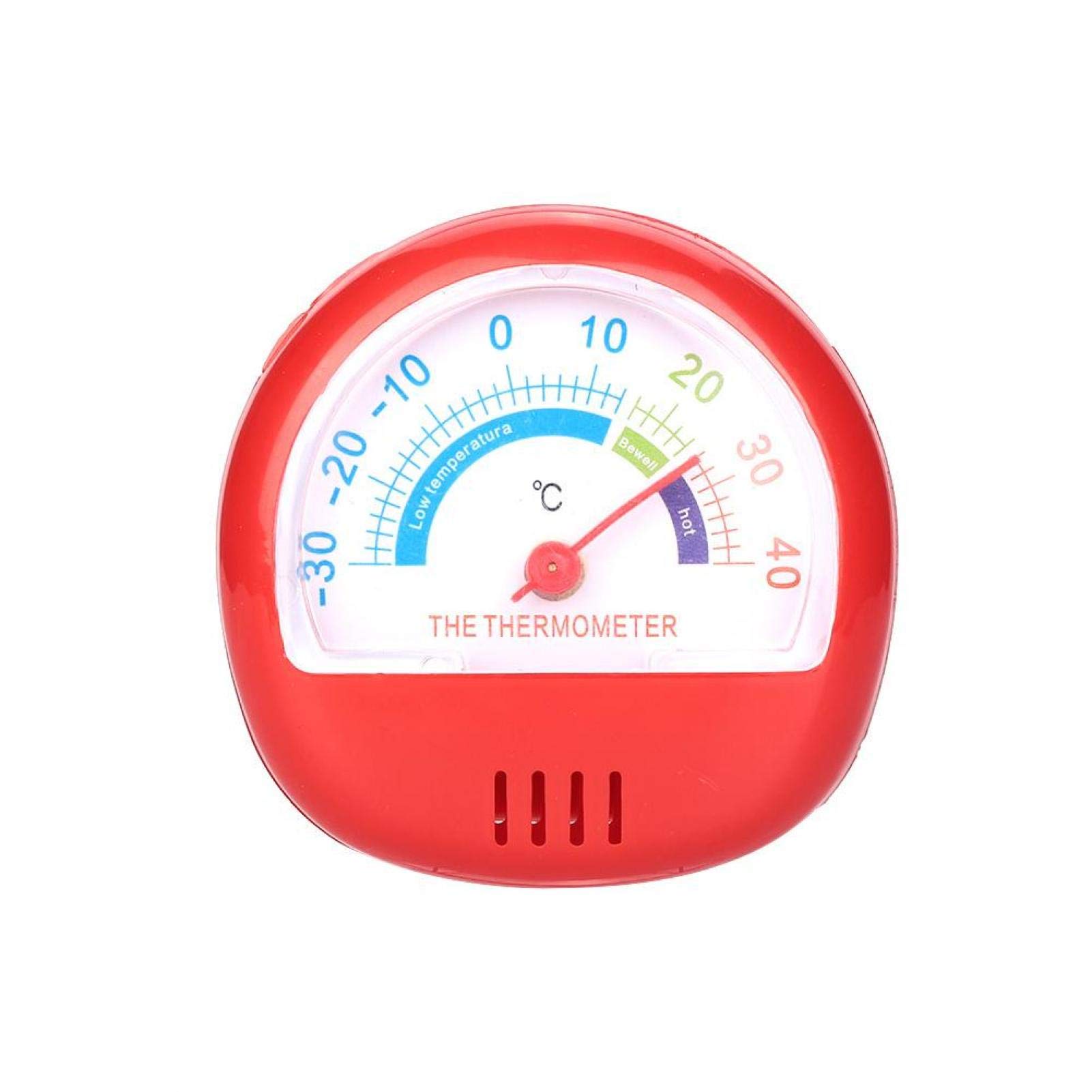
Maintaining the correct freezer temperature is critical for preserving breast milk safety and quality throughout the storage period. The freezer should be set at 0°F (-18°C) or below to ensure the milk remains properly frozen and its beneficial properties are preserved. Kitchen freezers typically maintain temperatures around 0°F, while deep freezers and chest freezers often run colder than this baseline temperature. Regardless of the freezer type, as long as the internal temperature remains at or below 0°F, the breast milk can be stored safely within the established timeframes.
How to Verify Your Freezer Temperature Accuracy
Appliance thermometers provide an inexpensive method for monitoring freezer temperatures, and they are particularly valuable during power outages or mechanical issues when thermostat readings may be unreliable. Even if your refrigerator or freezer displays temperature readings, having a standalone thermometer serves as an important verification tool and peace of mind measure. Checking the temperature periodically—especially after the freezer has been defrosted, after power interruptions, or when you notice the appliance running differently—helps ensure your milk is always stored under optimal conditions.
Standalone Freezer Advantage: Maximizing Your Milk’s Shelf Life

The type of freezer used for storing breast milk can impact both the maximum storage duration and the quality preservation over time. Freezers with separate doors from the refrigerator unit, including standalone freezers or the freezer compartment of a refrigerator-freezer combination, maintain more consistent temperatures and are preferred for long-term breast milk storage. These units experience less temperature fluctuation when the refrigerator door is opened, providing more stable conditions for frozen milk throughout the storage period.
Why Top-Freezer Models Underperform for Breast Milk Storage
A freezer with a separate door set to 0°F or colder represents the ideal storage environment for breast milk. Within this type of freezer, breast milk can be stored for up to 12 months, though the 6-month guideline for best quality still applies. The separate-door configuration minimizes the exposure to temperature variations that occur when accessing refrigerator contents, thereby offering superior conditions for maintaining milk integrity over extended periods. If you rely solely on the small freezer compartment built into the top or bottom of a refrigerator, consider investing in a standalone freezer to create a more stable environment for your milk stash.
Transferring Frozen Milk Between Locations Without Compromising Quality
When circumstances require moving frozen breast milk from one freezer location to another, the transfer should be completed as quickly as possible to ensure the milk remains in a fully frozen state throughout the process. The age of the milk should be calculated from the first time it was frozen, regardless of how many times it may subsequently be moved between freezer locations. This means that milk frozen three months ago and then moved to a new freezer does not receive a fresh 12-month timer—it retains its original three months of age toward the total storage period.
Safe Transport Techniques for Frozen Breast Milk
For transport during moves or between locations, packing frozen breast milk on ice packs helps maintain the frozen state. The milk should be arranged in coolers or insulated bags with sufficient ice packs to bridge any time gap between removing it from the original freezer and placing it in the destination freezer. This precaution prevents partial thawing and refreezing cycles that can compromise milk quality. Using a styrofoam cooler with frozen ice packs works well for longer transports, while insulated lunch bags serve adequately for shorter moves between home and work or daycare.
Power Outage Protocol: Protecting Your Milk During Emergencies
During power outages, the duration that frozen breast milk remains safe depends on how full the freezer is and how long the doors remain unopened. A full freezer, if left unopened, will maintain safe temperatures for approximately 48 hours, while a half-full freezer provides closer to 24 hours of protection. The key recommendation during any power outage is to keep both refrigerator and freezer doors closed as much as possible to preserve the internal cold temperatures. Resist the urge to check on your milk stash repeatedly—each door opening releases cold air and accelerates warming.
Evaluating Milk Safety After Power Restores
Once power is restored, the condition of the stored breast milk should be carefully evaluated. Frozen breast milk that has begun to thaw but still contains ice crystals may be safely refrozen without quality concerns. However, breast milk that has completely thawed but still feels cold should be used within 24 hours or discarded—it should not be refrozen. These guidelines help ensure that only milk maintaining proper safety standards is fed to infants. If you’re unsure whether milk has fully thawed and been refrozen, err on the side of caution and use it within the 24-hour window after complete thawing.
Thawing Frozen Breast Milk Without Losing Nutritional Value
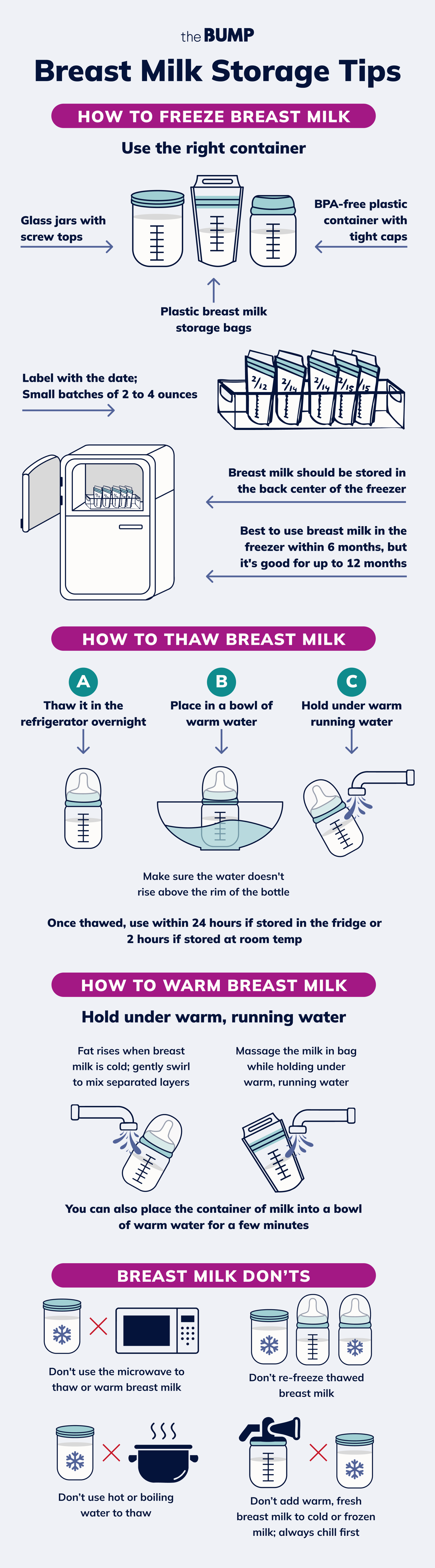
Once frozen breast milk is thawed, it must be used within specific timeframes to ensure safety for your baby. Thawed breast milk can remain at room temperature, defined as 77°F or colder, for 1 to 2 hours maximum. When stored in the refrigerator after thawing, it should be used within 24 hours. Critically, thawed breast milk should never be refrozen, as the quality and safety cannot be guaranteed after the second thaw cycle. The moment milk fully thaws, the countdown begins, and these time limits are firm safety boundaries.
Best Practices for Thawing Frozen Breast Milk
The recommended method for thawing frozen breast milk is to place it in the refrigerator overnight, allowing it to thaw gradually and safely. This method preserves the most nutritional value and minimizes bacterial growth risk. When a faster thaw is necessary, the sealed container can be placed in a bowl of warm water or held under running warm water—never hot water, as excessive heat can damage the milk’s beneficial components. Room temperature thawing should not exceed 1 to 2 hours under any circumstances, and thawed milk should never sit at room temperature for longer than this before being used or refrigerated.
Back-of-Freezer Placement: The Secret to Extended Milk Viability
Where breast milk is placed within the freezer affects its temperature stability and, consequently, its storage life over time. The back of the freezer, away from the door and any heating elements, maintains the most consistent temperature throughout storage. This area experiences the least fluctuation during door openings or defrost cycles, making it ideal for long-term breast milk storage. The door shelves and front areas experience the most temperature variation, which can gradually impact milk quality even though safety may be maintained.
Creating an Efficient Freezer Organization System
When organizing a freezer stash, placing breast milk containers in the back of the freezer ensures they remain at a stable, cold temperature throughout their storage period. This positioning also helps prevent accidental bumping or displacement that might occur when accessing items near the door. Labeling containers with dates and arranging them so that older milk is used first, following the first in, first out principle, further supports maintaining quality throughout the storage period. Creating a system where you always add new milk to the back and pull from the front makes rotation automatic and ensures nothing gets buried and forgotten.
Storage Container Selection: Avoiding Quality Degradation
Using clean, food-safe containers specifically designed for breast milk storage helps maintain milk quality and safety throughout the freezing and storage process. Special breast milk storage bags and containers are available commercially and are engineered to withstand freezing temperatures while preventing contamination. Regular food storage containers may not provide the same level of protection and are generally not recommended for breast milk, as they may contain materials that aren’t optimal for food contact or may not seal effectively against freezer burn.
Proper Labeling and Filling Techniques
Each storage container should be clearly labeled with the date and time of expression to enable proper rotation and ensure milk is used within recommended timeframes. Leaving room for expansion when freezing is essential, as breast milk, like most liquids, expands when frozen. Overfilled containers may burst or leak, resulting in loss of the stored milk. Most breast milk storage bags are designed with fill lines that account for expansion, while rigid containers should be filled only about three-quarters full to allow space for the milk to expand as it freezes.
Traveling with Frozen Breast Milk: Airplane and Commute Guidelines
Breast milk can be transported while frozen using insulated cooler bags with frozen ice packs, maintaining safety for up to 24 hours. This capability supports working parents who need to transport expressed milk between home and workplace or caregivers who need to move milk between locations. The insulated bag should be pre-cooled and packed with sufficient ice packs to maintain low temperatures throughout the journey. Using gel ice packs that remain frozen longer than water-based options provides additional security for extended transport times.
TSA Regulations for Flying With Frozen Breast Milk
For air travel, parents are permitted to carry more than the standard 3.4-ounce liquid limit for breast milk in their carry-on bags, along with ice and gel packs. The Transportation Security Administration has established specific screening procedures for travelers carrying breast milk, and keeping a copy of these regulations accessible can help smooth the security screening process. When traveling internationally, research the specific regulations of your destination country, as rules may vary. Packing documentation of the milk’s purpose for your infant can also help clarify any questions that arise during security checks.
Quick-Reference Timeline: How Long is Breast Milk Good in the Freezer?
- Up to 12 months in a freezer set at 0°F or below represents the maximum safe storage duration
- Within 6 months is optimal for preserving the highest quality and nutritional value
- 24 hours is the maximum time thawed milk can remain in the refrigerator before use
- 1 to 2 hours is the maximum time thawed milk can sit at room temperature
- 48 hours a full freezer will stay cold during a power outage if left unopened
- 24 hours a half-full freezer will stay cold during a power outage if left unopened
Building and maintaining a freezer supply of breast milk requires attention to detail and consistent practices, but the effort ensures your baby can benefit from your milk even when you’re apart. By understanding how long breast milk is good in the freezer, maintaining proper temperatures, and following safe handling procedures throughout the storage and thawing process, you create a reliable system that preserves the remarkable benefits of breast milk for months. When questions arise about specific situations not covered here, consulting with a lactation consultant or pediatrician provides personalized guidance for your circumstances.