How Long Does Tilapia Last in the Freezer: Storage Guide
You’ve just returned from the grocery store with fresh tilapia fillets, but now you’re wondering how long you can safely store them in your freezer. Proper fish storage is crucial for both food safety and maintaining quality, yet many home cooks struggle with determining exact freezer timelines for tilapia. Understanding the correct storage duration prevents food waste while protecting your family from potential foodborne illnesses. This guide provides science-based recommendations you can trust for storing tilapia in your home freezer.
Optimal Freezer Storage Duration for Tilapia
Raw Tilapia Freezer Lifespan
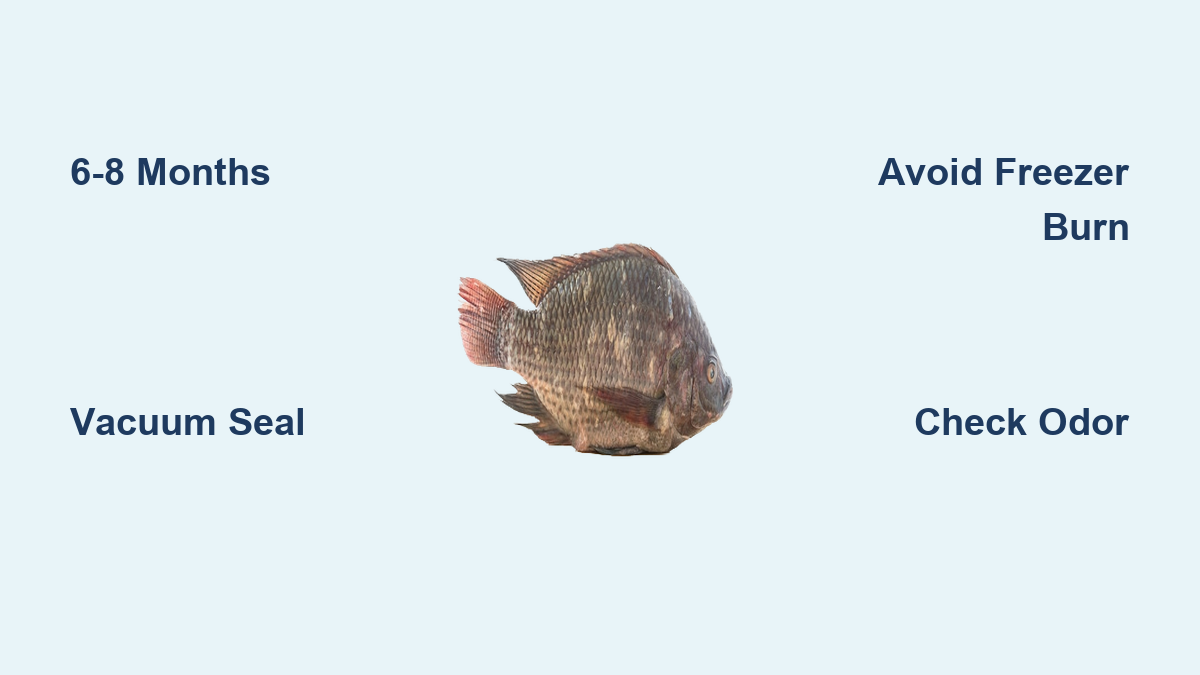
Raw tilapia maintains best quality for 6-8 months when properly frozen at 0°F (-18°C) or below. While technically safe indefinitely at this temperature, the fish gradually loses moisture and flavor over time. For premium texture and taste, consume within this 6-8 month window. Beyond 12 months, tilapia typically develops noticeable freezer burn and flavor degradation, though it remains safe to eat if properly thawed and cooked.
Cooked Tilapia Storage Timeline
Cooked tilapia has a shorter freezer lifespan than raw fish due to moisture loss during cooking. Store cooked tilapia in airtight containers for up to 3 months for best results. The reheating process further degrades texture, making extended storage less ideal. When properly packaged, cooked tilapia remains safe beyond 3 months but experiences significant quality decline.
Proper Freezing Techniques for Maximum Shelf Life
Essential Pre-Freezing Preparation Steps
Before placing tilapia in your freezer, proper preparation ensures maximum freshness retention. Rinse fillets under cold water and pat completely dry with paper towels—excess moisture creates ice crystals that damage cell structure. For whole tilapia, remove scales, gut, and clean thoroughly. Portion fish into meal-sized servings to avoid repeated thawing and refreezing of the same package.
Effective Packaging Methods to Prevent Freezer Burn
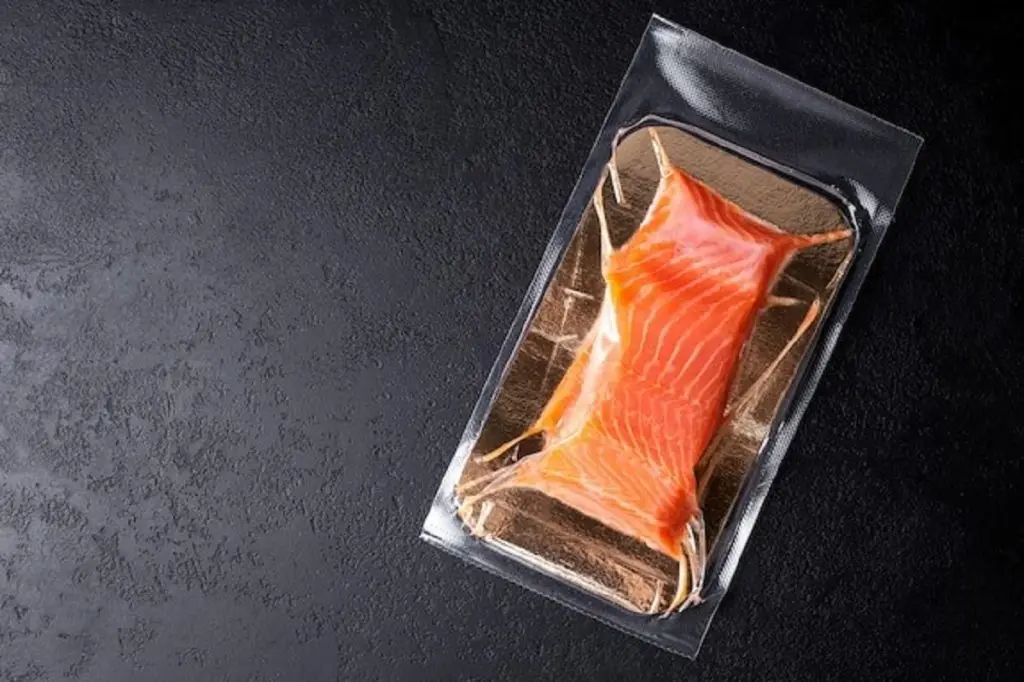
Vacuum sealing outperforms all other methods for long-term tilapia storage. Remove air completely to prevent oxidation and moisture loss. Without a vacuum sealer, use the “water displacement method” with heavy-duty freezer bags: submerge the sealed bag in water to force air out before final closure. Double-bagging provides extra protection. For short-term storage (under 2 months), wrap tightly in plastic wrap followed by aluminum foil.
Recognizing Spoiled Frozen Tilapia
Visual Indicators of Quality Degradation
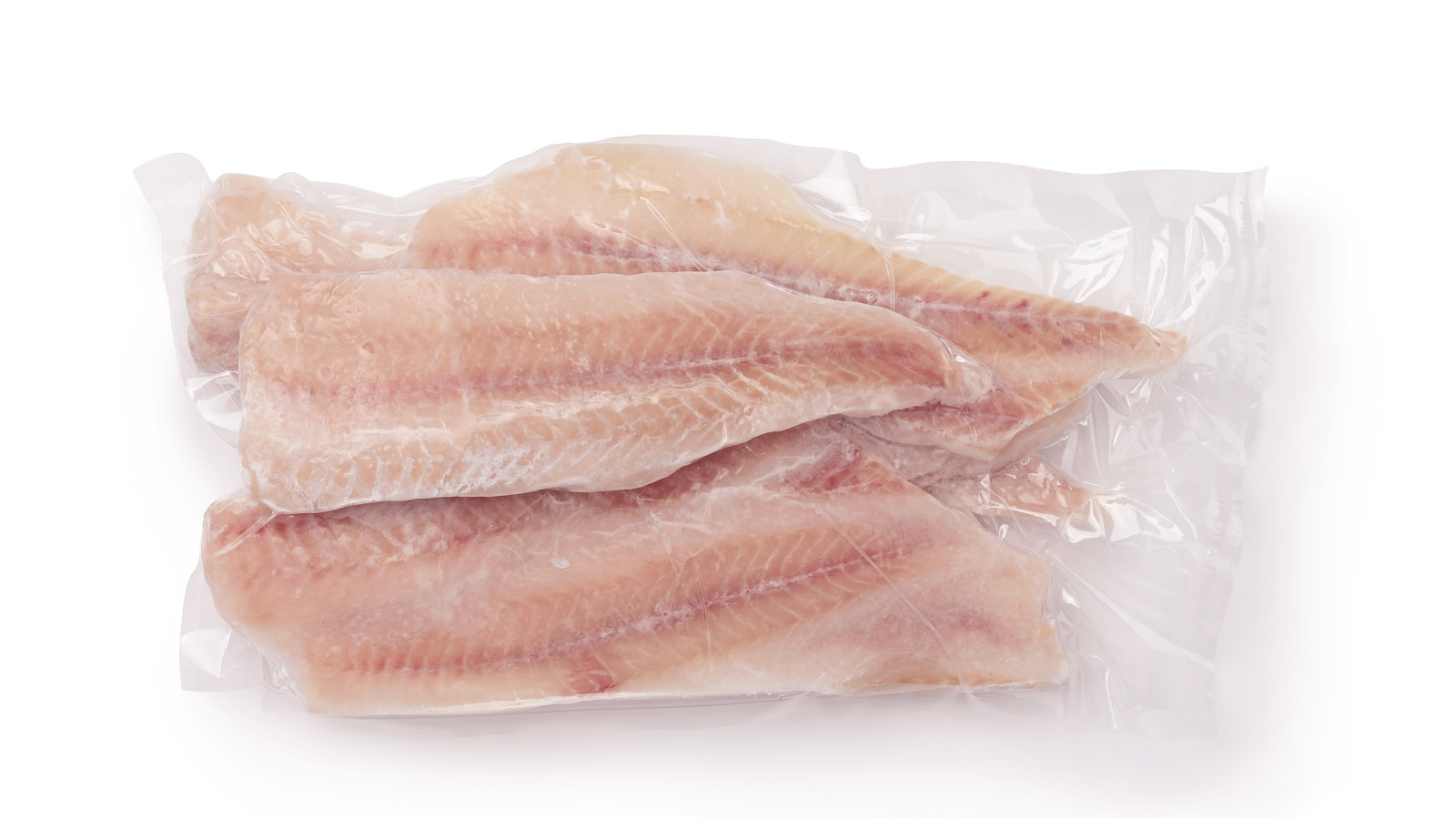
Check for large ice crystals inside packaging, which indicate temperature fluctuations. Surface discoloration ranging from grayish-white to brown spots signals freezer burn. Severe freezer burn appears as dry, leathery patches on the fish surface. While safe to eat, these areas should be trimmed before cooking as they affect texture and flavor.
Texture and Odor Warning Signs
Frozen tilapia that feels unusually light may have lost significant moisture. After thawing, press the flesh—it should spring back immediately. Delayed recovery indicates protein breakdown. Trust your nose: spoiled tilapia emits a strong ammonia-like or sour odor even when frozen. Any slimy texture after thawing means the fish has spoiled and should be discarded immediately.
Thawing Frozen Tilapia Safely
Recommended Thawing Methods
Refrigerator thawing remains the safest method—allow 8-12 hours per pound of tilapia. For quicker preparation, use the cold water method: submerge sealed packaging in cold tap water, changing water every 30 minutes (thaws 1 pound in 1-2 hours). Never thaw tilapia at room temperature or in warm water, which promotes bacterial growth in the danger zone (40°F-140°F).
Signs of Improper Thawing
Bloody liquid in packaging after thawing indicates protein breakdown. Excessive liquid pooling suggests ice crystal damage from improper freezing. If tilapia develops a sour smell during thawing, discard immediately—this indicates bacterial growth that cooking cannot eliminate. Properly thawed tilapia should maintain a firm texture and fresh, mild ocean scent.
Extending Tilapia’s Freezer Life: Pro Tips
Temperature Stability Practices
Maintain your freezer at a constant 0°F (-18°C) or lower using an independent thermometer—built-in dials often inaccurate. Organize freezer contents to minimize door opening time. Avoid overfilling, which restricts cold air circulation, but also prevent underfilling, which causes temperature fluctuations when the door opens. Group similar items together for efficient access.
Moisture Barrier Enhancement
Create an additional protective layer by briefly dipping tilapia in ice water before freezing to form a glaze. For vacuum-sealed packages, add a quarter-inch of water to the bag before sealing to create an ice barrier. When using freezer bags, press out every possible air bubble before sealing. Store packages vertically to prevent crushing delicate fillets.
Common Freezer Storage Mistakes to Avoid
Incorrect Temperature Settings
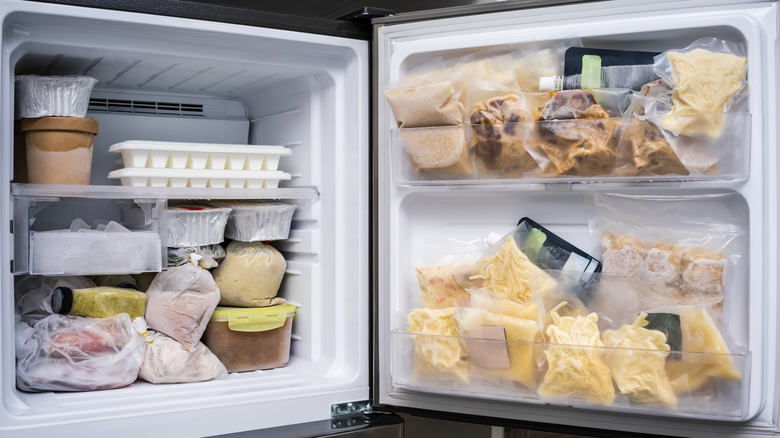
Setting your freezer above 0°F significantly reduces tilapia’s safe storage duration. At 10°F, quality degrades noticeably after just 3 months. Many home freezers operate warmer than users assume—verify with an independent thermometer. Avoid placing tilapia in freezer door compartments where temperatures fluctuate most dramatically.
Inadequate Packaging Pitfalls
Using regular plastic wrap instead of freezer-grade materials accelerates quality loss. Never store tilapia in original store packaging long-term—these containers aren’t designed for extended freezing. Skipping the drying step before freezing creates large ice crystals that rupture cell walls, resulting in mushy texture after thawing. Always label packages with contents and freezing date.
Freezer Organization Strategies for Fish Storage
Optimal Placement Within Freezer
Store tilapia in the coldest, most stable area—typically the back and bottom of upright freezers, or under other items in chest freezers. Create a dedicated fish section to minimize handling other items when accessing tilapia. Keep raw fish separate from ready-to-eat foods to prevent cross-contamination during storage.
Inventory Management System
Implement a “first in, first out” system by placing newer packages behind older ones. Maintain a freezer inventory list on the door to track storage dates. Use color-coded labels for different fish types (blue for tilapia) to simplify identification. Schedule monthly freezer checks to identify items approaching their storage limits.
When to Discard Frozen Tilapia
Safety Thresholds vs. Quality Indicators
Discard frozen tilapia immediately if packaging shows signs of thawing and refreezing (large ice chunks, water damage). While freezer burn affects quality but not safety, extensive damage covering more than 25% of the surface warrants discarding. If tilapia develops an off odor during cooking, stop preparation immediately—no amount of cooking can eliminate certain toxins.
Risk Assessment Decision Tree
Ask these critical questions before using long-frozen tilapia:
– Has the freezer maintained consistent temperature?
– Does packaging show damage or excessive frost?
– Is the “use by” date within recommended limits?
– Does the fish smell fresh after thawing?
When in doubt, throw it out—food poisoning risks outweigh the cost of replacing inexpensive tilapia.
Maximizing Tilapia Quality After Freezing
Cooking Methods for Previously Frozen Fish
Pan-searing works better than baking for frozen-thawed tilapia, as dry heat methods accentuate moisture loss. Add extra moisture through marinades or cooking liquids—citrus-based sauces help mask any slight flavor changes. Avoid overcooking, as previously frozen fish requires 1-2 minutes less cooking time than fresh. Season generously to compensate for potential flavor degradation.
Recipe Adaptations for Best Results
Incorporate previously frozen tilapia into dishes with strong flavors like blackened seasoning, tomato-based stews, or curry sauces. Use in fish cakes or patties where texture differences are less noticeable. For delicate preparations like ceviche, always use fresh (never frozen) tilapia. Frozen-thawed tilapia performs best in heartier preparations that mask subtle quality changes.
Final Note: Properly frozen tilapia maintains safety indefinitely at 0°F, but quality peaks within 6-8 months. By following these storage guidelines, you’ll minimize waste while ensuring delicious, safe meals. Remember to always label packages with freezing dates, use appropriate packaging methods, and trust your senses when assessing quality—when in doubt, discard questionable fish to protect your family’s health.