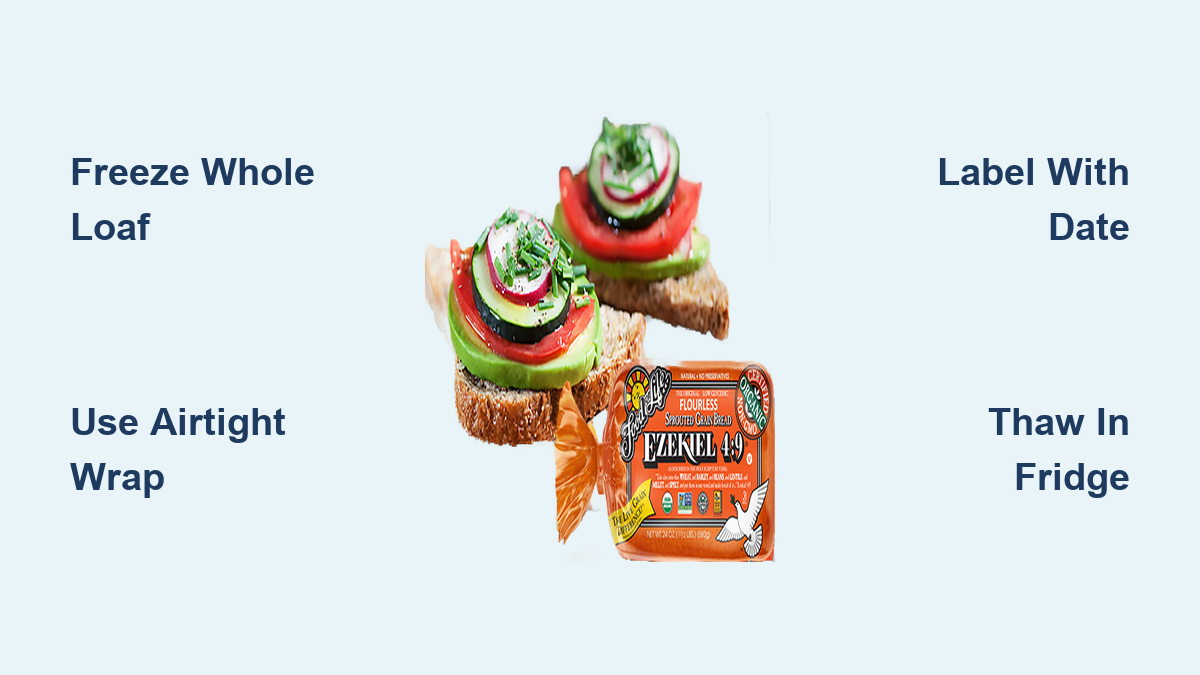
Ezekiel Bread Freezer Life: How Long It Lasts
Ezekiel bread has become a staple for health-conscious consumers seeking a nutrient-dense alternative to conventional bread. Made from a blend of sprouted whole grains and legumes, this unique bread offers enhanced nutritional profiles and delicious, earthy flavor. But if you’ve ever purchased a loaf and found yourself unable to finish it before it spoils, you might wonder: how long does Ezekiel bread last in the freezer? Proper freezing can extend its shelf life significantly, but doing it correctly matters more than you might expect. Understanding the optimal freezing timeline, proper packaging techniques, and signs of freezer burn or spoilage will help you avoid waste and enjoy your investment in healthy eating. This comprehensive guide covers everything you need to know about freezing and storing Ezekiel bread to maintain its quality, nutrition, and taste.
Why Ezekiel Bread Requires Special Freezer Handling
Ezekiel bread differs fundamentally from standard commercial breads because it’s made from sprouted grains rather than processed flour. The sprouting process activates enzymes that increase nutrient bioavailability and create a product with more protein, fiber, and vitamins than conventional bread. These same characteristics that make Ezekiel bread healthier also make it more perishable. Unlike commercial breads loaded with preservatives that extend shelf life for weeks or months, Ezekiel bread typically contains no artificial additives. This means it will develop mold much faster than conventional bread when stored at room temperature or in the refrigerator. The absence of preservatives is precisely why many health-conscious consumers choose it, but it also means you’ll need to be more strategic about storage if you don’t plan to consume an entire loaf within its fresh window. Freezing represents the most effective method for long-term preservation, allowing you to stock up during shopping trips or take advantage of sales without worrying about waste.
How Sprouted Grains Affect Shelf Life
Sprouted grains contain higher moisture content and active enzymes that continue metabolic processes even after baking. This biological activity gives Ezekiel bread its nutritional advantages but also accelerates spoilage. At room temperature, the bread typically lasts just three to five days before mold appears. In the refrigerator, you might squeeze out one to two weeks, but the cold, dry environment often causes the bread to stale faster due to accelerated starch retrogradation. The freezer essentially puts these biological processes on pause, preserving the bread’s quality much more effectively than other storage methods.
Optimal Freezer Storage Timelines for Ezekiel Bread
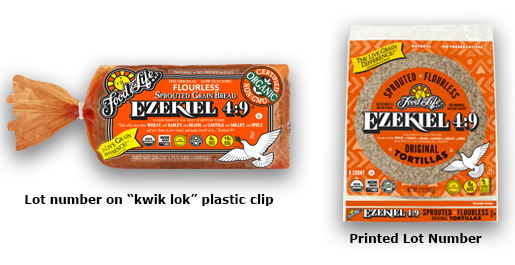
When stored properly in an airtight container or heavy-duty freezer bag, whole loaves of Ezekiel bread maintain optimal quality for approximately three to four months. This timeline represents the period during which the bread retains its best flavor, texture, and nutritional value. Beyond this window, the bread remains safe to eat technically, but you may notice declining quality as freezer burn begins to affect the bread’s cellular structure. Sliced Ezekiel bread freezes more successfully and tends to thaw more evenly because the smaller portions cool and warm more quickly. Slices remain at peak quality for about two to three months when properly packaged. If you’ve cut your loaf into portions rather than freezing whole slices, expect a slightly shorter optimal window of one to two months for best results. These timelines assume ideal freezing conditions—temperatures at zero degrees Fahrenheit or below and consistent freezer temperature without frequent opening and closing that causes temperature fluctuations.
How to Track Your Bread’s Freezer Life
Create a simple labeling system for your frozen Ezekiel bread. Use a permanent marker to write the freezing date directly on the plastic wrap or freezer bag. Consider adding additional information like whether it’s a whole loaf or slices, and which variety (original, cinnamon raisin, sesame, etc.). Keep a small inventory list on your freezer door to track what you have and when it was frozen. This system helps you implement the “first in, first out” principle, ensuring you use older bread before newer purchases. For households with multiple types of frozen bread, color-coding labels can further streamline your inventory management.
Recognizing When Frozen Ezekiel Bread Has Degraded

Even though freezing extends shelf life dramatically, Ezekiel bread doesn’t last indefinitely in the freezer. Learning to recognize signs of deterioration helps you avoid consuming bread that has lost its nutritional benefits or developed off-flavors. Freezer burn appears as dry, leathery, or whitish-brown patches on the bread’s surface. This happens when air reaches the bread’s surface, causing moisture to evaporate and creating oxidized fats that taste stale and unpleasant. While freezer-burned portions aren’t unsafe to eat, they significantly diminish the eating experience and should be trimmed away before serving. Beyond visual indicators, trust your sense of smell when evaluating frozen bread. Fresh Ezekiel bread has a mildly sweet, grainy aroma. If your frozen bread smells stale, rancid, or unusually sour when thawed, it’s past its prime. Texture changes also signal declining quality—properly thawed Ezekiel bread should feel soft and slightly springy. Bread that feels excessively dry, crumbly, or has a mealy texture has likely been frozen too long or improperly stored.
Perfect Packaging Techniques for Maximum Freshness
Proper technique when initially freezing your Ezekiel bread makes the difference between bread that emerges from the freezer tasting fresh and bread that’s dry, stale, or freezer-burned. Start by allowing fresh bread to cool completely before freezing, as wrapping warm bread creates condensation that becomes ice crystals inside your packaging. These ice crystals damage the bread’s cellular structure during freezing, resulting in sogginess upon thawing. Slice your loaf before freezing if you plan to use it gradually, as this allows you to thaw only what you need without repeatedly exposing the entire loaf to temperature fluctuations. Wrap individual slices or the whole loaf tightly in plastic wrap, creating an airtight barrier that prevents air exposure. For additional protection, place the wrapped bread inside a heavy-duty freezer bag, squeezing out as much air as possible before sealing. Vacuum sealing provides the ultimate protection if you have access to a vacuum sealer, as it removes all air that could cause freezer burn.
Common Packaging Mistakes That Ruin Bread Quality
Many home bakers unknowingly sabotage their frozen bread with simple packaging errors. Using the original store packaging alone creates guaranteed freezer burn within weeks, as these bags aren’t designed for long-term freezer storage. Placing bread directly against the freezer wall causes rapid temperature changes that accelerate moisture loss. Failing to remove air from freezer bags creates pockets where ice crystals form and damage the bread’s structure. Storing bread in the freezer door where temperature fluctuates most dramatically also compromises quality. To avoid these pitfalls, always add an extra layer of protection beyond the store packaging, store bread toward the back of the freezer where temperatures remain most consistent, and use the straw method to remove excess air from freezer bags before sealing.
Best Thawing Methods for Perfect Texture Every Time
How you thaw your frozen Ezekiel bread significantly impacts its final quality and texture. The gradual approach typically produces the best results for whole loaves. Remove the loaf from the freezer and place it in the refrigerator overnight or for approximately eight to twelve hours. This slow thaw allows the bread to defrost evenly while remaining at a safe temperature throughout the process. Once thawed, consume refrigerated bread within two to three days for best quality. For faster thawing when you need bread immediately, you can thaw slices at room temperature for about one to two hours, or use the defrost setting on your microwave in thirty-second intervals until just thawed. The toaster represents perhaps the best tool for thawing and warming frozen Ezekiel bread simultaneously. Frozen slices toasting directly from the freezer usually require an extra minute or two but emerge warm, crisp, and nearly indistinguishable from fresh bread.
Why You Should Never Refreeze Thawed Ezekiel Bread
Each freeze-thaw cycle degrades the bread’s cellular structure further and dramatically increases the risk of freezer burn and quality loss. When you thaw bread, ice crystals melt and create moisture that softens the structure. Refreezing causes new ice crystals to form in different patterns, breaking down the bread’s integrity even more. If you’ve thawed more bread than you can use immediately, the excess can be stored in the refrigerator for a few days rather than refrozen. For households that frequently struggle with portion control, consider freezing bread in single-serving portions that match your typical consumption patterns.
Strategic Freezer Management for Maximum Value
Getting the most value from your Ezekiel bread investment involves strategic purchasing and organized freezer management. Many grocery stores sell Ezekiel bread in the frozen section alongside other frozen baked goods, and these versions often cost less per ounce than fresh loaves while lasting months in your home freezer. Purchasing frozen rather than fresh and keeping it frozen until needed eliminates the rush to consume before spoilage. If you primarily buy fresh loaves, consider freezing portions immediately after opening to extend your consumption window dramatically. An organized freezer inventory system prevents forgotten bread that eventually gets freezer-burned and wasted. Place newly frozen bread behind existing frozen bread, so older packages get used first. Keep a visible list on your freezer door noting what bread you have and when it was frozen. Some households dedicate a specific shelf to bread and baked goods, making inventory at a glance possible. Buying in bulk during sales and freezing portions also reduces per-unit costs while ensuring you always have bread available.
Freezer Storage FAQ: Critical Questions Answered
Many consumers have specific questions about freezing Ezekiel bread that influence their storage decisions. Some wonder whether they can freeze bread that has already developed a small amount of mold, but the answer is definitively no—freezing does not kill mold, and thawed bread with any visible mold should always be discarded. Others ask about the nutritional impact of freezing, and research suggests that freezing at proper temperatures preserves most of Ezekiel bread’s nutritional advantages, though some minor vitamin loss may occur over very extended storage periods. People frequently inquire about whether they can refreeze bread that has been thawed, and while it’s technically safe if kept at safe temperatures, each refreezing cycle degrades quality significantly. Questions also arise about whether different flavors of Ezekiel bread freeze differently, and while minor variations may exist based on ingredients like sesame seeds or honey, the same storage guidelines apply across varieties.
Essential Takeaways for Perfect Ezekiel Bread Freezing
:max_bytes(150000):strip_icc()/ezekiel-bread_annotated-81326f1767b34009ba81a2a0c60727b7.jpg)
Storing Ezekiel bread in the freezer requires attention to proper technique but rewards you with months of access to this nutritious, delicious bread without waste. Remember that whole loaves maintain peak quality for three to four months, while sliced bread stays optimal for two to three months when packaged airtight and stored at zero degrees Fahrenheit or below. Always cool bread completely before freezing, wrap tightly in plastic wrap followed by a freezer bag or vacuum seal, and label with the date. Thaw in the refrigerator for best results, or use the toaster for frozen slices. Avoid common mistakes like inadequate wrapping, failing to remove air, and refreezing thawed bread. By implementing these practices, you can confidently stock up on Ezekiel bread during sales, buy from the frozen section, and always have quality bread available while eliminating the stress of watching the expiration clock tick down. The minimal effort required for proper freezer storage pays dividends in reduced waste, consistent quality, and the peace of mind that comes with knowing your healthy eating choices are always within reach.