How Long Can Cheesecake Last in the Freezer
You’ve just finished baking an extra-large cheesecake for a special occasion, or perhaps you’ve received multiple cheesecakes as gifts and can’t possibly eat them all fresh. The question inevitably arises: how long can cheesecake last in the freezer while still tasting delicious? The answer transforms this notoriously perishable dessert from a time-sensitive treat into a convenient make-ahead option that fits your schedule. When properly wrapped and stored at a consistent 0°F (-18°C) or below, cheesecake maintains excellent quality for two to four months, giving you ample time to enjoy that rich, creamy indulgence whenever cravings strike.
Unlike many desserts that deteriorate rapidly in frozen storage, cheesecake’s high fat content and dense structure make it surprisingly freezer-friendly. But achieving those impressive results depends entirely on your wrapping technique, storage conditions, and understanding which cheesecake varieties freeze better than others. This guide reveals exactly how to maximize your frozen cheesecake’s lifespan while preventing common mistakes that lead to freezer burn, texture damage, and flavor loss. You’ll learn precise timeframes for different cheesecake types, proper thawing methods that preserve that signature creamy mouthfeel, and warning signs that indicate your frozen dessert has passed its prime.
Exact Freezer Lifespan: When Cheesecake Quality Starts Declining

Understanding the precise timeline for frozen cheesecake helps you serve desserts that taste nearly as good as fresh-baked. The freezer dramatically extends cheesecake’s shelf life compared to refrigeration (which only offers three to five days), but quality does gradually decline even under ideal conditions.
Peak Quality Window: First 60 Days
For the absolute best eating experience, consume your frozen cheesecake within the first 60 days of storage. During this prime period, your dessert maintains its original texture with a smooth, creamy filling that melts luxuriously on the tongue. The crust preserves its intended texture—crisp when it should be crisp, tender when it should be tender—and the flavors remain vibrant and well-balanced.
Pro Tip: Mark your calendar for exactly 60 days after freezing. This visual reminder ensures you enjoy your cheesecake at its absolute peak rather than letting it linger too long in frozen storage.
Acceptable Quality Period: 60-120 Days
Between 60 and 120 days, your cheesecake remains completely safe to eat but may show subtle quality changes. The texture might become slightly grainy, especially in no-bake varieties, and the crust could absorb moisture from the filling, losing some of its structural integrity. Most people still find frozen cheesecake perfectly enjoyable during this window, particularly when properly wrapped.
Quality Decline Beyond 120 Days
After four months, cheesecake enters a phase where quality continues declining noticeably. Freezer burn may affect exposed areas, the texture becomes less creamy, and flavors diminish significantly. While technically safe if properly stored, the eating experience falls short of what makes cheesecake so special.
5 Critical Factors That Extend or Shorten Your Cheesecake’s Freezer Life

Your cheesecake’s freezer performance depends on several key variables you can control. Understanding these factors helps you maximize quality retention throughout storage.
Cheesecake Composition Matters Most
New York-style cheesecakes (made with cream cheese, eggs, and heavy cream) freeze exceptionally well and typically reach the full four-month quality mark. Their dense structure holds up beautifully to freezing and thawing. Japanese cotton cheesecakes have a lighter texture that may experience slight consistency changes but remain enjoyable for two to three months.
No-bake cheesecakes present a different profile—they freeze successfully for two to three months but often develop slightly grainy textures because they lack the structural integrity of baked versions. Any cheesecake with fresh fruit toppings, custards, or cream cheese frostings has a shorter freezer lifespan of one to two months.
Packaging Quality Determines Success
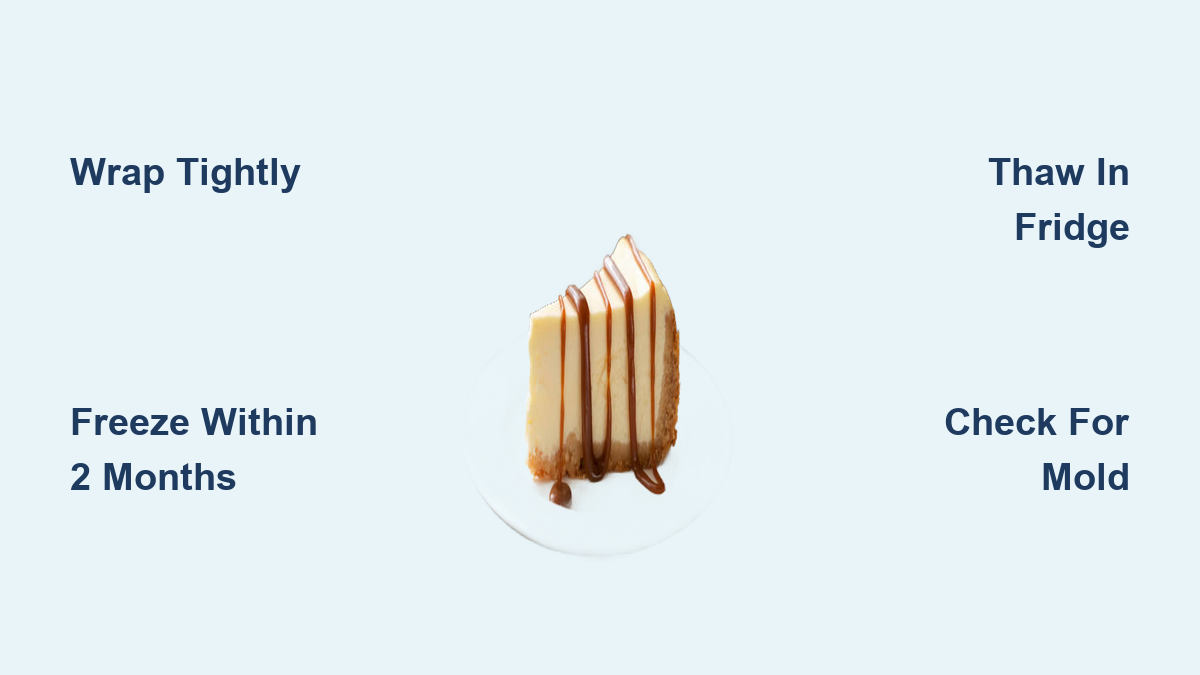
Air exposure causes freezer burn, which ruins texture even while the cheesecake remains safe to eat. The most effective technique: wrap tightly in two layers of plastic wrap followed by aluminum foil. For whole cheesecakes, place the wrapped cake inside a large freezer bag with excess air pressed out. Individual slices should be wrapped separately before grouping together.
Warning: Single-layer wrapping almost guarantees freezer burn within weeks. Take the extra minute to double-wrap for dramatically better results.
Step-by-Step Guide to Freeze Cheesecake Without Texture Damage
Proper freezing technique makes the difference between a dessert that tastes fresh and one ruined by ice crystals and freezer burn.
Cool Completely Before Freezing
Always allow your cheesecake to cool thoroughly before freezing—ideally refrigerating it for 4-6 hours or overnight first. Placing a warm dessert in the freezer causes condensation that leads to damaging ice crystals.
Optimal Wrapping Technique
- Cover the entire cheesecake surface with plastic wrap, ensuring no exposed areas
- Press gently to eliminate air pockets between the wrap and cheesecake
- Apply a second layer of plastic wrap for added protection
- Wrap with aluminum foil, which provides an additional barrier against freezer odors
- Place wrapped cheesecake in a freezer bag or airtight container with air pressed out
- Label with freezing date using permanent marker
Strategic Freezer Placement
Store your wrapped cheesecake in the back or bottom of the freezer where temperatures remain most consistent. Avoid the freezer door, where frequent opening causes temperature fluctuations that accelerate quality degradation.
3 Safe Thawing Methods That Preserve Cheesecake’s Creamy Texture
How you thaw frozen cheesecake significantly impacts the final texture and quality of your dessert.
Refrigerator Thawing (Best Method)
Transfer frozen cheesecake to the refrigerator and allow it to thaw slowly. A whole cheesecake requires 8-12 hours (overnight), while slices thaw in 2-4 hours. Keep the cheesecake wrapped during thawing to prevent surface drying, and place it on a plate to catch any condensation.
Countertop Thawing (Faster Option)
For time-sensitive situations, thaw at room temperature for 30-60 minutes for slices or 1-2 hours for whole cakes. Monitor carefully and never leave unattended for extended periods. Never refreeze cheesecake thawed at room temperature without baking it first.
Partial Thawing for Optimal Texture
Many cheesecake enthusiasts prefer serving their dessert slightly frozen. Remove from freezer and let thaw for just 30-45 minutes for slices or 1-2 hours for whole cakes. The center should remain slightly firm while edges have softened—this temperature enhances the rich, creamy mouthfeel.
7 Warning Signs Your Frozen Cheesecake Has Gone Bad
Even properly frozen cheesecake eventually shows signs of quality decline. Learn to recognize these indicators before serving.
Visual Red Flags
- Green, black, or fuzzy mold growth (discard immediately)
- Extensive ice crystals throughout the filling (trim affected areas if minor)
- Discoloration beyond normal freezer storage changes
Texture Troubles
- Slimy or excessively wet texture
- Graininess beyond normal freezing changes
- Separation of filling components
- Crust that’s completely soggy or dry
Odor Indicators
- Sour, rancid, or “off” smells
- Musty or ammonia-like odors
- Absence of the characteristic sweet dairy aroma
Critical Rule: When in doubt, throw it out. Cheesecake is not worth risking foodborne illness.
New York vs. No-Bake: How Different Cheesecakes Freeze and Thaw
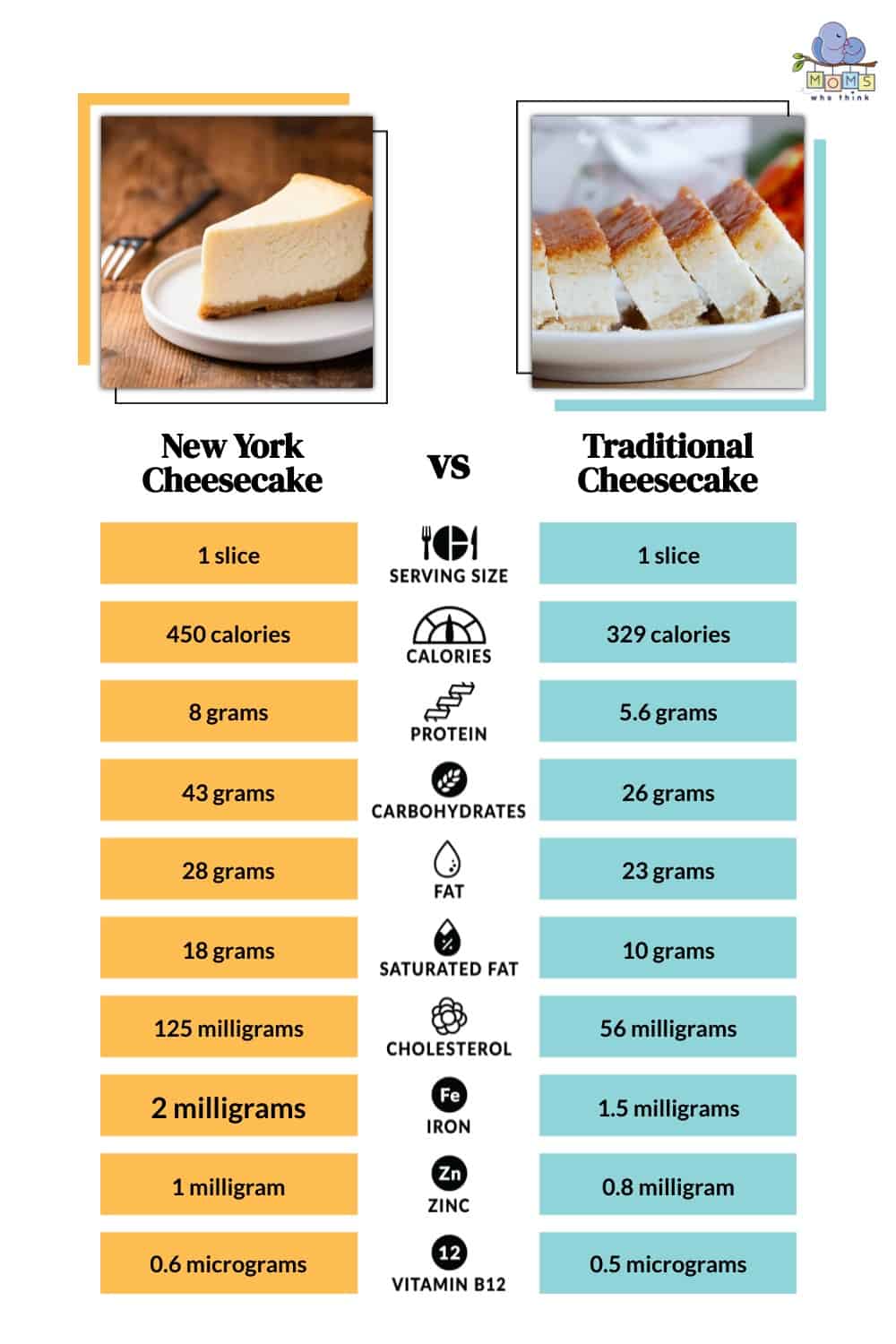
Understanding how your specific cheesecake variety responds to freezing helps set realistic expectations.
Baked Cheesecakes (New York Style)
- Freeze exceptionally well for 3-4 months
- Maintain dense, creamy texture through proper wrapping
- Thaw with minimal textural changes
- Best for long-term freezer storage
No-Bake Cheesecakes
- Freeze well for 2 months maximum
- May develop slight graininess in filling
- Require careful wrapping to prevent moisture migration
- Best consumed earlier in freezer timeline
Mini Cheesecakes and Bites
- Freeze exceptionally well for 2-3 months
- Smaller size means less textural degradation
- Thaw more quickly and evenly than whole cakes
- Perfect for portion-controlled freezer meals
Freezer Timeline Cheat Sheet: When to Eat or Discard Your Cheesecake
| Storage Duration | Quality Level | Best Uses |
|---|---|---|
| Up to 2 months | Peak quality | Special occasions, company |
| 2-4 months | Good quality | Everyday desserts, casual hosting |
| 4-6 months | Acceptable | Personal enjoyment only |
| Beyond 6 months | Declining | Not recommended |
For optimal results, wrap tightly using plastic wrap plus aluminum foil, maintain consistent freezer temperatures, consume within two to four months for best quality, and thaw slowly in the refrigerator. These practices ensure your cheesecake remains delicious and safe to enjoy whenever you’re ready to serve it.
The freezer transforms cheesecake from a highly perishable treat into a convenient make-ahead dessert option that fits your schedule rather than demanding immediate consumption. With proper techniques, frozen cheesecake can satisfy your cravings nearly as well as fresh-baked, making it an invaluable strategy for dessert lovers who appreciate both quality and convenience.