How Long Do Cooked Beans Last in the Freezer
Cooked beans transform from a simple pantry staple into a freezer-friendly meal prep hero when stored correctly. Whether you’ve prepared a massive pot of black beans for burrito bowls, cooked pinto beans for refried applications, or made chickpeas for hummus, understanding the precise freezer timeline prevents wasted food and ensures your beans maintain optimal texture and flavor. Most home cooks discover that properly frozen beans stay safe indefinitely from a food safety perspective, but the real question revolves around quality preservation—how long until those once-plump beans become mushy or develop off-flavors?
Knowing exactly when to use your frozen beans makes meal planning predictable and reduces the anxiety of “is this still good?” that plagues many freezer users. This comprehensive guide eliminates the guesswork by detailing the exact storage windows, preparation techniques, and thawing methods that keep your frozen beans tasting fresh for months. You’ll learn not just the standard timelines, but how different bean varieties respond to freezing and the subtle techniques that extend quality beyond basic recommendations.
Optimal Freezer Storage Duration for Different Bean Types
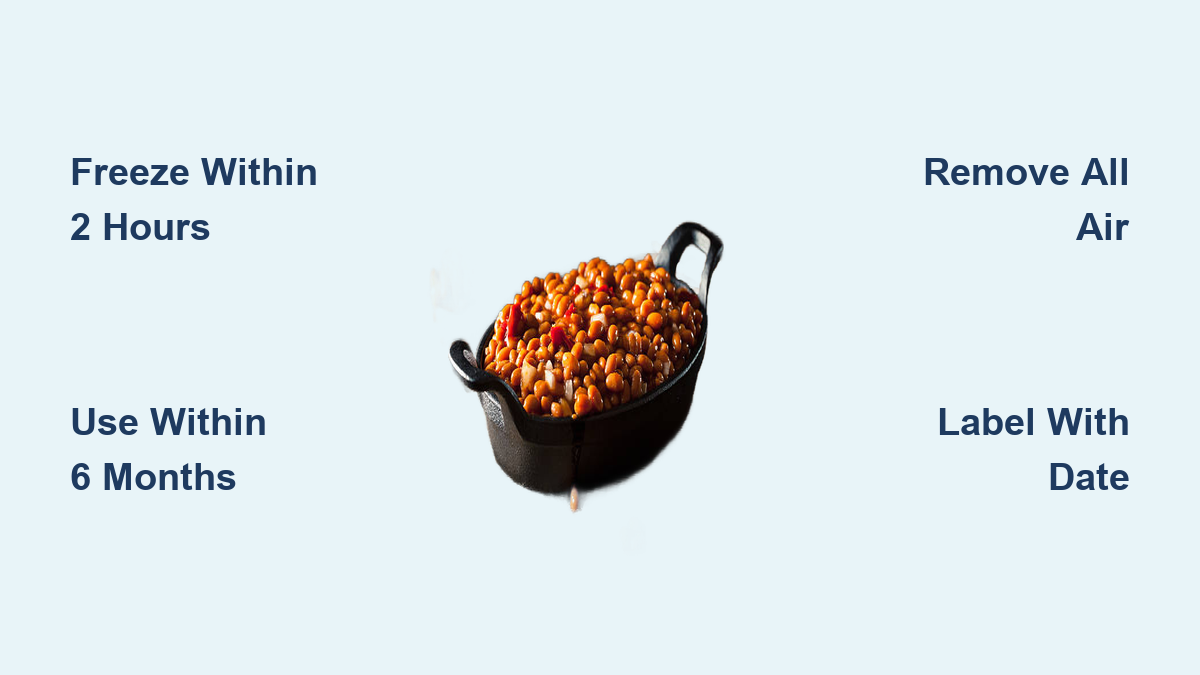
Cooked beans maintain peak quality in your freezer for up to six months when packaged correctly in airtight containers or heavy-duty freezer bags. This six-month window represents the sweet spot where beans remain both safe to consume and retain acceptable texture and flavor characteristics. After this period, while your beans won’t suddenly become dangerous to eat, you’ll likely notice significant quality degradation including dry patches, texture changes, and potential flavor loss.
Your beans’ freezer journey follows a predictable quality curve that helps you plan usage strategically. During the first 30 days, frozen beans taste remarkably similar to freshly cooked versions with minimal texture alteration. Between one and three months, quality remains high for most cooking applications, though careful eaters might detect slight softening. From three to six months, beans work perfectly well in soups, stews, and blended applications but may disappoint in dishes where distinct bean texture matters, like bean salads or side dishes.
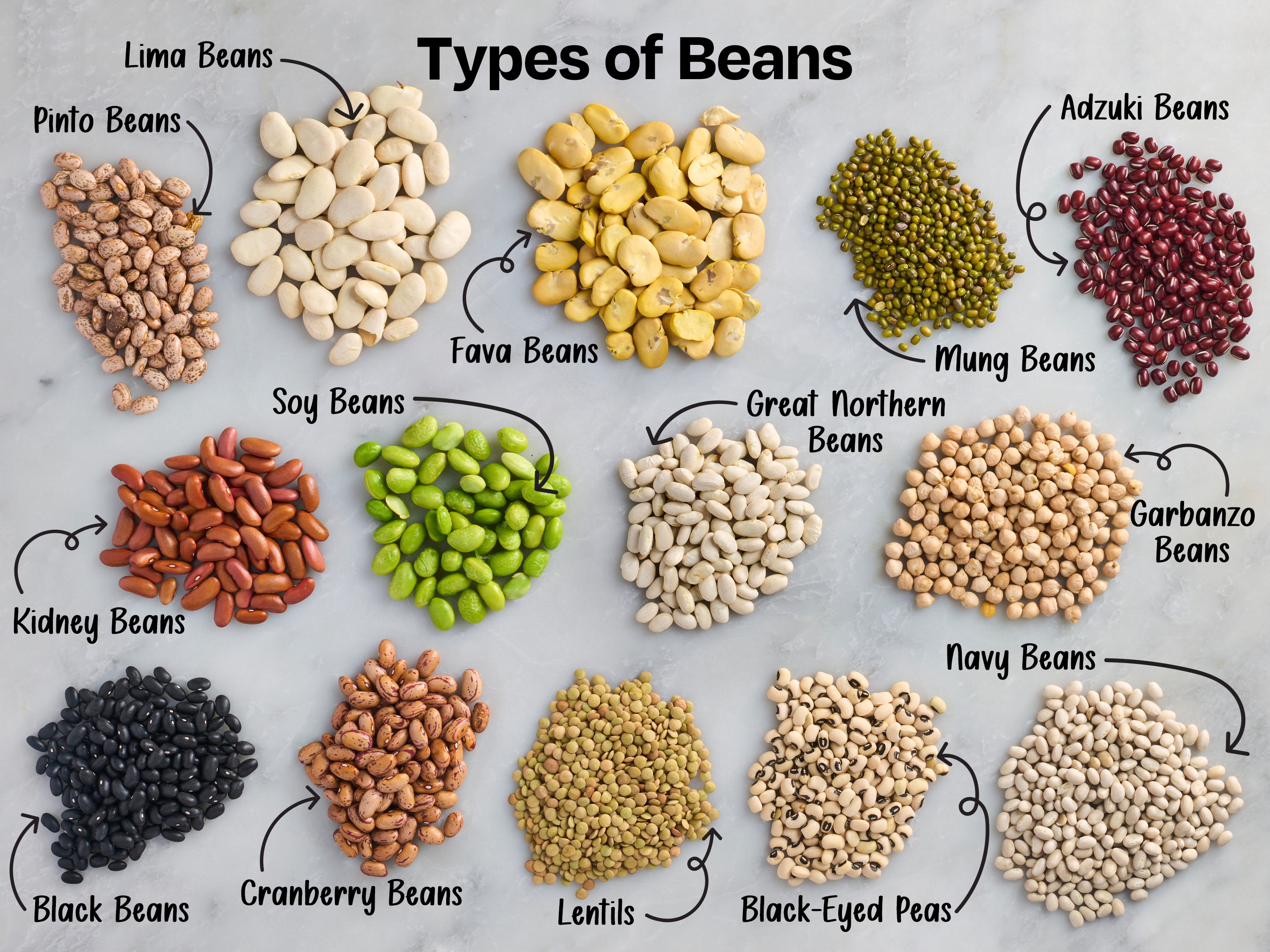
Different bean varieties handle freezer storage with varying success. Kidney beans, black beans, and pinto beans all maintain structure well through the full six-month period. Chickpeas also freeze successfully but benefit from use within five months to preserve their characteristic firmness. Lentils and split peas, while technically legumes rather than beans, follow a slightly different timeline—they perform best when used within four months due to their naturally softer texture that degrades more quickly during extended freezing.
Critical Pre-Freezing Preparation Steps
Cooling cooked beans completely before freezing prevents multiple quality issues that home cooks frequently encounter. Placing warm beans directly in the freezer creates condensation that forms damaging ice crystals on bean surfaces and temporarily raises your freezer’s internal temperature, potentially compromising other frozen items. Allow beans to cool at room temperature for 30-60 minutes until they reach ambient temperature—never skip this step for optimal results.
Portioning beans before freezing creates meal-ready packages that eliminate the frustration of thawing more than you need. Instead of storing one massive container that forces complete thawing, divide beans into recipe-specific portions using measuring cups. Standard portions range from 1.5 to 2 cups for family recipes, while single servings work well for meal preppers. When using freezer bags, spread portions into flat layers that freeze faster and stack efficiently in your freezer.
Air removal ranks among the most overlooked yet critical steps in successful bean freezing. Excess air contact causes freezer burn that dries bean surfaces and creates tough, leathery patches. Vacuum sealers deliver the best protection, but home cooks can achieve excellent results by pressing air from freezer bags before sealing—use a straw to extract the final air pockets for maximum protection. Remember that oxygen exposure continues degrading quality even at freezing temperatures, making thorough air removal essential.
Superior Packaging Methods for Maximum Freshness
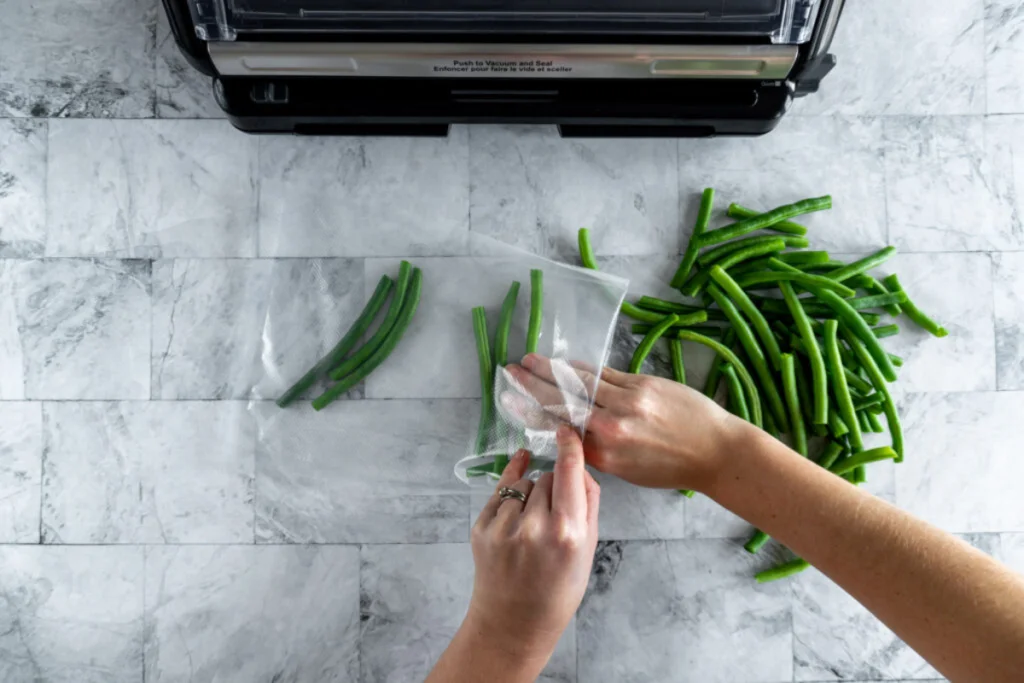
Freezer-safe containers specifically designed for subzero temperatures outperform regular storage containers in protecting bean quality. Choose BPA-free plastic containers with tight-sealing lids or tempered glass containers that won’t shatter when frozen. Always leave approximately one-half inch of headspace in containers to accommodate liquid expansion during freezing—overfilled containers risk cracking or leaking in your freezer.
Heavy-duty freezer bags provide space-saving advantages that make them the preferred choice for many home cooks. These bags feature thicker plastic that resists punctures and maintains integrity at low temperatures better than standard storage bags. When filling bags, stand them upright in a baking dish to prevent spills, then press out all air before sealing. Freeze bags flat on a baking sheet initially, then stack them vertically like books once solid to maximize freezer space.
Clear labeling with permanent marker prevents the mystery container problem that plagues most freezers. Include both contents and freezing date on every package—beans without dates often get pushed to the back and forgotten. Consider adding recipe ideas on labels (“Perfect for chili!” or “Use in bean dip”) to inspire future meal planning. This simple step transforms your freezer from a black hole for forgotten food into an organized meal prep resource.
Ideal Freezer Conditions for Long-Term Storage
Maintaining your freezer at 0°F (-18°C) or colder creates the stable environment necessary for preserving bean quality throughout the recommended storage period. This temperature halts all bacterial activity, making frozen beans technically safe indefinitely, though quality continues gradual decline. Use an appliance thermometer to verify your freezer maintains this critical temperature—many home freezers run slightly warmer than their settings indicate.
Store bean packages in the main freezer compartment rather than the door, where temperature fluctuations occur each time the freezer opens. The back and bottom sections typically maintain the most consistent temperatures, making them ideal locations for long-term storage items like beans. Avoid overcrowding your freezer, as proper air circulation helps maintain consistent temperatures throughout the compartment.
Frost-free freezers create unique considerations for bean storage due to their automatic defrost cycles. While these models offer convenience, the periodic temperature fluctuations during defrost cycles can accelerate quality degradation compared to manual-defrost freezers. If using a frost-free model, position bean packages toward the back where temperature changes are less pronounced during defrost cycles.
Safe and Effective Thawing Techniques
Refrigerator thawing represents the safest method for preparing frozen beans for use, though it requires planning ahead. Transfer packages from freezer to refrigerator 24-48 hours before needed, depending on portion size. This slow thawing process maintains beans at safe temperatures throughout while preserving texture better than rapid thawing methods. Place containers on a plate to catch any potential condensation.
Cold water thawing delivers faster results when refrigerator thawing isn’t practical. Submerge sealed freezer bags in cold water, changing the water every 30 minutes to maintain cold temperatures. This method typically requires 1-3 hours for standard portions and works well when preparing last-minute meals. Never use warm water, as it creates temperature danger zones where bacteria could potentially grow.
Direct cooking from frozen works exceptionally well for soups, stews, and casseroles. Simply add frozen bean portions directly to your simmering liquid—they’ll thaw quickly as the dish cooks. This technique preserves texture better than thawing then reheating, as beans undergo only one heating cycle rather than two. For best results, add frozen beans during the last 10-15 minutes of cooking time.
Recognizing Quality Degradation in Frozen Beans

Freezer burn appears as dry, white or grayish patches on bean surfaces and surrounding ice crystals, indicating air exposure during storage. Mild freezer burn can be trimmed away with acceptable results in cooked dishes, but extensive damage warrants discarding the entire portion. Beans stored beyond six months often develop significant freezer burn even with proper packaging due to cumulative air exposure over time.
Off-flavors and odors signal quality degradation even when beans appear visually normal. Beans that smell sour, musty, or otherwise unpleasant shouldn’t be consumed regardless of storage duration. Properly stored beans should maintain a neutral, slightly earthy aroma when thawed. If your beans smell “off” after thawing, trust your senses and discard them—better safe than sorry.
Texture changes provide the most reliable indicator of bean quality after thawing. Beans that become extremely mushy when cooked, develop a slimy coating, or feel cardboard-dry throughout have exceeded their optimal storage window. Some softening is normal after freezing, but beans should still maintain recognizable structure in your final dish. When texture disappoints, repurpose affected beans in blended applications like hummus or bean dips where texture matters less.
Maximizing Post-Thaw Quality and Flavor
Refrigerated thawed beans require use within 3-5 days to maintain food safety standards—treat them exactly like freshly cooked beans once thawed. Store thawed portions in covered containers in the coldest part of your refrigerator, not in the door where temperatures fluctuate more. Discard beans left at room temperature for more than two hours to avoid potential foodborne illness.
Revitalize older frozen beans with simple flavor boosters that mask quality degradation. A splash of fresh citrus juice, aromatic herbs added during reheating, or a drizzle of quality olive oil can transform bland frozen beans into vibrant dish components. For Latin American recipes, a squeeze of lime and chopped cilantro works wonders; for Mediterranean dishes, try lemon juice and fresh oregano.
Reheating beans in flavorful liquids rather than plain water restores moisture and enhances taste. Substitute chicken or vegetable broth for water when reheating, or add a bay leaf, garlic clove, or strip of kombu seaweed to the cooking liquid. These ingredients infuse beans with additional flavor while helping maintain better texture during the reheating process.
Key Takeaways for Successful Bean Freezing
Mastering bean freezer storage means understanding that six months represents the quality limit, not the safety limit—properly frozen beans remain safe indefinitely but decline in eating quality over time. Implement the critical steps of complete cooling before freezing, thorough air removal from packaging, consistent freezer temperature maintenance, and clear labeling to maximize your results.
When planning meals around frozen beans, prioritize using older packages first and incorporate flavor-enhancing techniques for beans approaching their six-month mark. By following these guidelines, you’ll transform cooked beans from a short-lived kitchen staple into a reliable, long-term meal prep component that reduces food waste and simplifies healthy eating. Whether you’re cooking for one or feeding a family, properly frozen beans deliver convenience without sacrificing nutrition or taste.