How Long Does Mince Keep in the Freezer?
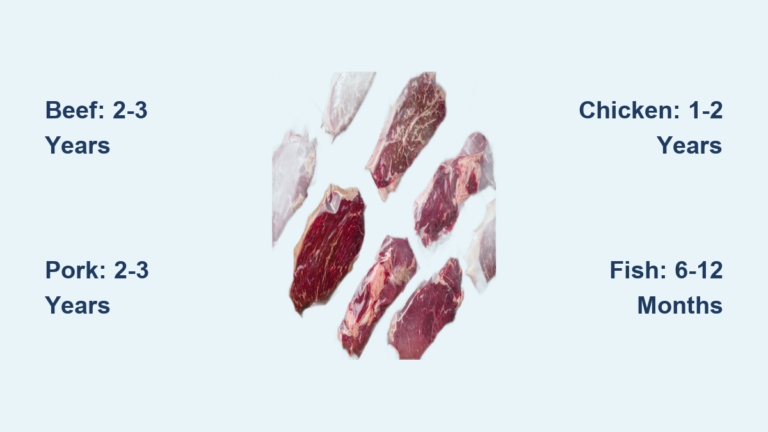
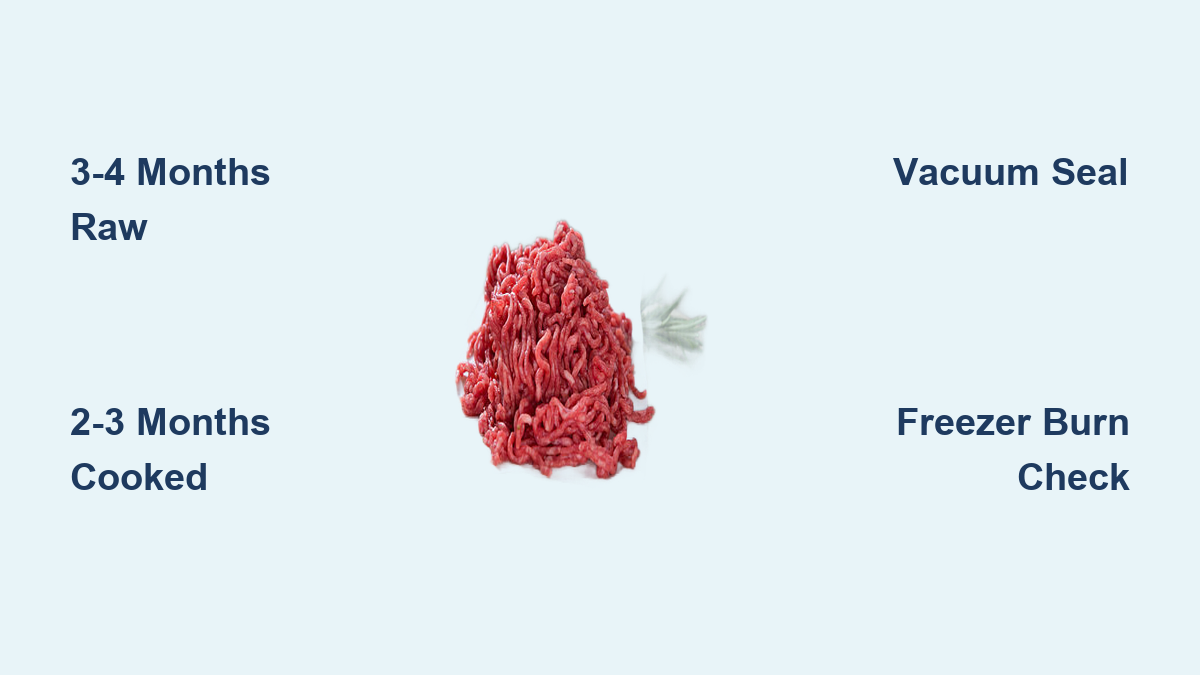
Discovering a package of mince in the back of your freezer raises an immediate question: is it still good? Understanding how long mince keeps in the freezer prevents food waste while ensuring your meals remain both safe and delicious. Properly frozen mince maintains peak quality for specific timeframes depending on fat content, packaging method, and whether it’s raw or cooked. Most home freezers keep raw ground beef at optimal quality for 3-4 months, while cooked mince dishes like bolognese sauce last just 2-3 months. The exact window varies significantly based on multiple factors you can control, allowing you to maximize your freezer’s potential while avoiding disappointing, freezer-burned meals.
Raw Ground Beef Freezer Lifespan by Fat Content
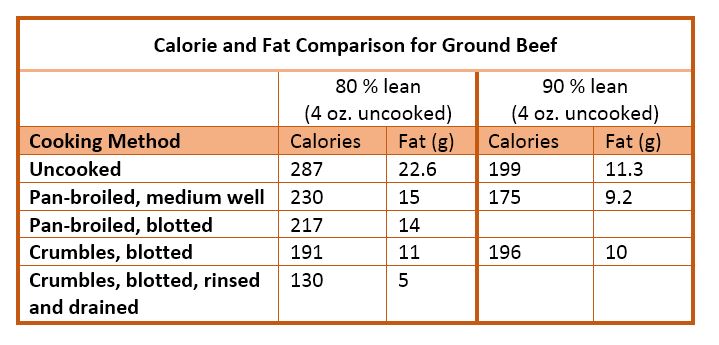
The fat percentage in your ground beef directly determines how long it maintains quality in frozen storage. Higher fat content means more lipids available for oxidation, which gradually degrades flavor and texture over time. This scientific reality explains why different packages have varying freezer lifespans despite being the same basic product.
Why 80/20 Ground Beef Lasts Only 3-4 Months
Standard ground beef labeled 80/20 (80% lean, 20% fat) maintains optimal quality for approximately three to four months when stored at 0°F (-18°C) or below. This common supermarket variety offers good flavor for burgers and skillet dishes but shows quality changes faster than leaner options due to its higher fat content. After four months, you’ll likely notice subtle texture changes and potential off-flavors when cooking. For best results with 80/20 ground beef, use it within this three-to-four-month window and prioritize vacuum sealing or double-wrapping to minimize air exposure.
Extending Shelf Life With Leaner 90/10 Varieties
Lean ground beef options (90/10, 93/7) extend your freezer storage window to about four months and can sometimes reach six months under ideal conditions. The reduced fat content significantly slows oxidation, preserving the meat’s original characteristics longer. These varieties work particularly well for dishes where excess fat would be problematic, like lean meatloaf or stuffed peppers. When freezing lean ground beef:
- Package immediately after purchase
- Press out all air from freezer bags
- Label with freeze date using permanent marker
- Store toward the back of the freezer away from the door
Ground Poultry Mince Freezing Timeframes
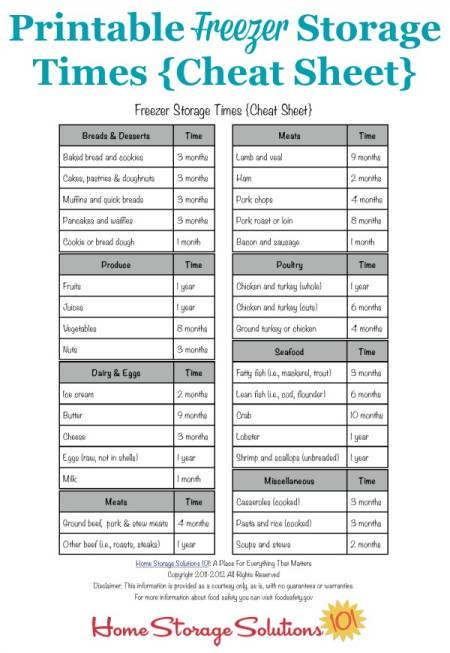
Ground chicken and turkey follow different freezer rules compared to red meat due to their composition and safety considerations. While they share similar storage durations with lean ground beef, poultry requires tighter timeframes for maximum safety.
Chicken and Turkey Storage Limits
Ground poultry maintains optimal quality for three to four months when properly frozen, but many food safety experts recommend using it within two to three months. The lower fat content actually works against poultry in freezer storage, often resulting in drier texture upon thawing. Ground chicken and turkey also carry higher bacterial risks than red meat, making strict adherence to storage timelines more critical for safety.
Why Poultry Needs Tighter Timeframes
Poultry’s unique protein structure and higher moisture content make it more susceptible to quality degradation during frozen storage. Unlike beef, which develops richer flavor with proper aging, poultry loses tenderness more quickly when frozen. For best results with ground poultry:
- Freeze in recipe-sized portions (½ pound works well for tacos or meatballs)
- Use vacuum sealing for maximum protection
- Never exceed three months for safety assurance
- Thaw in refrigerator only—never at room temperature
Cooked Mince Freezer Storage Guidelines
Cooked mince presents different storage challenges than raw meat due to structural changes from the cooking process. Understanding these differences prevents disappointment when you pull last month’s bolognese from the freezer.
Why Cooked Mince Lasts Only 2-3 Months
Cooked mince dishes maintain optimal quality for two to three months in the freezer, significantly shorter than raw ground beef. The cooking process denatures proteins and alters moisture binding, making the meat more vulnerable to texture changes during freezing and thawing. Simple cooked mince preparations like plain browned meat stay fresher longer than complex dishes with multiple ingredients.
Freezing Bolognese and Other Prepared Dishes
For best results with cooked mince dishes:
– Cool rapidly to below 40°F (4°C) within two hours of cooking
– Store in shallow, airtight containers to freeze faster
– Leave ½ inch headspace for liquid expansion
– Soups and stews with mince can last up to four months
– Discard any cooked mince showing mold or unusual odors
Critical Factors That Determine Mince Freezer Life
Several interconnected variables influence how well your mince holds up during frozen storage. Mastering these factors dramatically improves your results regardless of mince type.
How Fat Content Accelerates Quality Loss
Higher fat percentages mean faster oxidation and earlier quality degradation. This doesn’t mean avoiding fatty mince—sometimes specific fat ratios are essential for recipes—but it does mean adjusting your storage timeline accordingly. Fattier mince requires tighter packaging and shorter freezer stays to maintain quality.
Temperature Consistency Matters More Than You Think
Maintaining a consistent 0°F (-18°C) or below is crucial for preserving mince quality. Temperature fluctuations from frequent door openings cause partial thawing and refreezing, progressively damaging the meat’s cellular structure. Use a freezer thermometer to monitor actual temperature, not just the appliance setting, and store mince toward the back where temperatures remain most stable.
Spotting Quality Problems in Frozen Mince
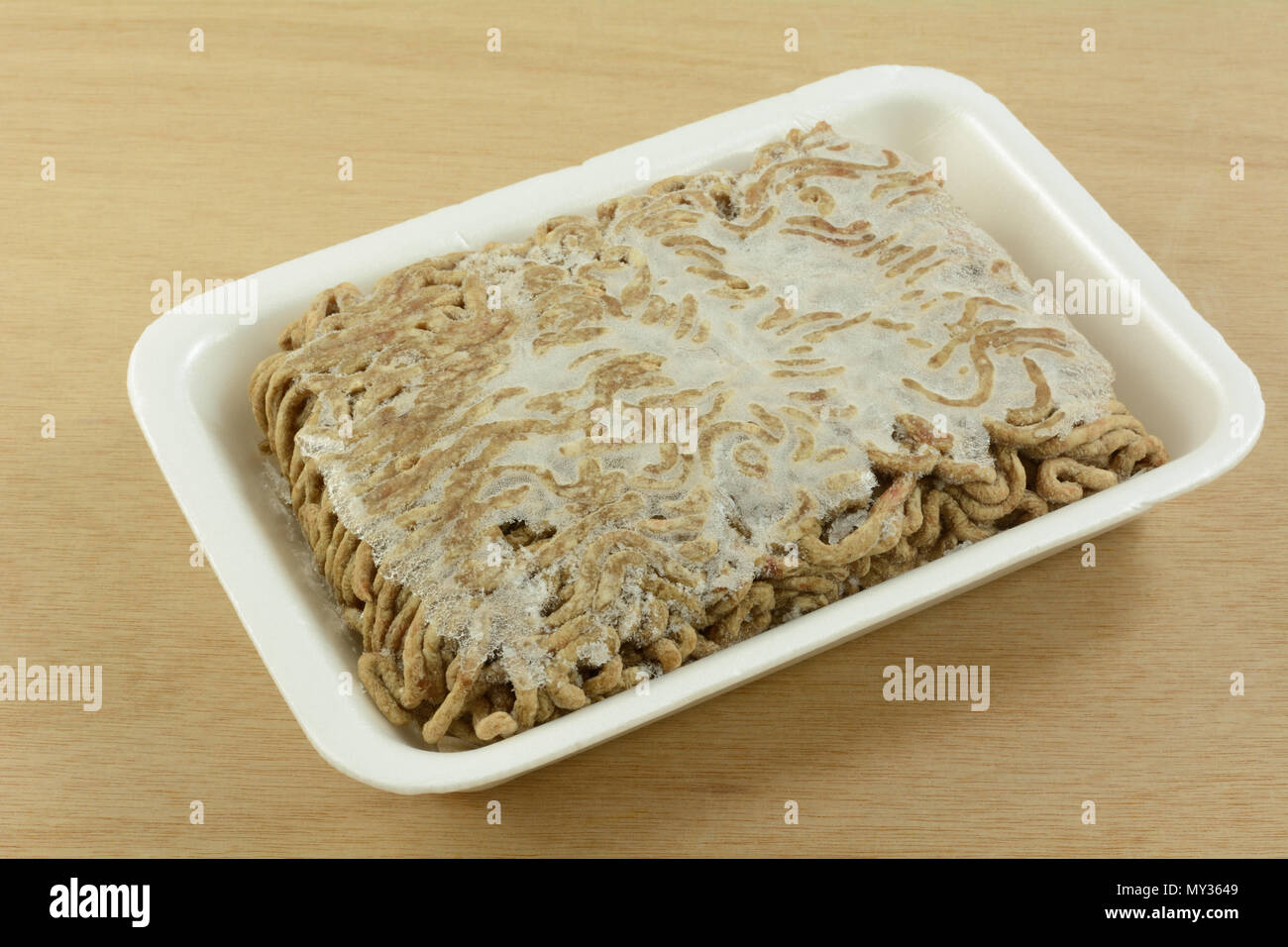
Learning to identify warning signs helps you make informed decisions about questionable mince. Properly stored frozen meat remains safe indefinitely from a food safety perspective, but quality diminishes over time.
Freezer Burn vs. Actual Spoilage: What to Look For
Freezer burn appears as chalky, grayish-brown patches with a leathery texture—caused by air exposure, not spoilage. Trim affected areas before cooking; the remaining meat remains safe. True spoilage shows different signs:
- Raw mince: Unpleasant sour or ammonia-like odors
- Cooked mince: Slimy texture or mold growth
- Both: Green discoloration or persistent off-odors after thawing
When Discolored Mince Is Still Safe to Eat
Raw ground beef often turns brownish during frozen storage due to oxidation—this color change alone doesn’t indicate spoilage. Similarly, cooked mince may darken slightly but remain safe if properly stored. The critical test is smell and texture after thawing: if it smells fresh and feels slightly moist (not slimy), it’s likely still good.
Professional-Grade Freezing Techniques for Home Kitchens
How you prepare mince for freezing dramatically impacts its quality retention. These methods work whether freezing store-bought mince or leftovers from a previous meal.
Vacuum Sealing vs. Double-Wrap Packaging Methods
Vacuum sealing represents the gold standard, extending optimal quality to six months for ground beef. Without specialized equipment, use the double-wrap method:
- Wrap mince tightly in plastic wrap, pressing out all air pockets
- Wrap again in heavy-duty aluminum foil
- Place in a labeled freezer bag with excess air pressed out
- Store flat for faster freezing and easier stacking
Portioning Strategies That Prevent Waste
Freeze mince in recipe-sized portions before storage:
– ½ pound portions for individual meals
– 1 pound portions for family dinners
– Flatten portions in bags for faster thawing
– Label each package with contents and freeze date
Safe Thawing Methods That Preserve Quality
Improper thawing can ruin even perfectly frozen mince. Follow these methods to maintain both safety and quality.
Refrigerator Thawing Timeline for Different Quantities
The refrigerator method (below 40°F/4°C) preserves quality best but requires planning:
– ½ pound: 8-12 hours
– 1 pound: 12-24 hours
– 2 pounds: 24-36 hours
Place packages on a plate to catch drips and cook within 1-2 days of complete thawing.
Emergency Thawing Without Compromising Safety
When time is limited:
– Cold water method: Submerge sealed package in cold water, changing water every 30 minutes (30-60 minutes per pound)
– Skillet method: Cook frozen mince directly in a cold skillet, breaking apart as it thaws
– Never thaw at room temperature—this creates dangerous bacterial growth conditions
Freezer Inventory Management That Reduces Waste
Effective organization prevents forgotten packages from exceeding their quality window. Simple systems keep your freezer working for you rather than becoming a source of wasted food.
Setting Up an Effective FIFO Rotation System
Implement first-in, first-out organization:
– Place new items in the back of the freezer
– Move older items to the front where visible
– Conduct monthly “freezer audits” to check dates
– Use a marker to note freeze dates on all packages
When to Discard Older Frozen Mince
While frozen mince remains technically safe indefinitely, quality degrades over time. Discard mince showing:
– Significant freezer burn covering more than 25% of surface
– Persistent off-odors after thawing
– Slimy texture or unusual discoloration
– Packages stored beyond six months without proper vacuum sealing
For optimal eating experiences, consume raw mince within four months and cooked dishes within three months of freezing. Properly packaged, correctly stored mince provides convenient, high-quality meals when you follow these precise guidelines for how long mince keeps in the freezer.