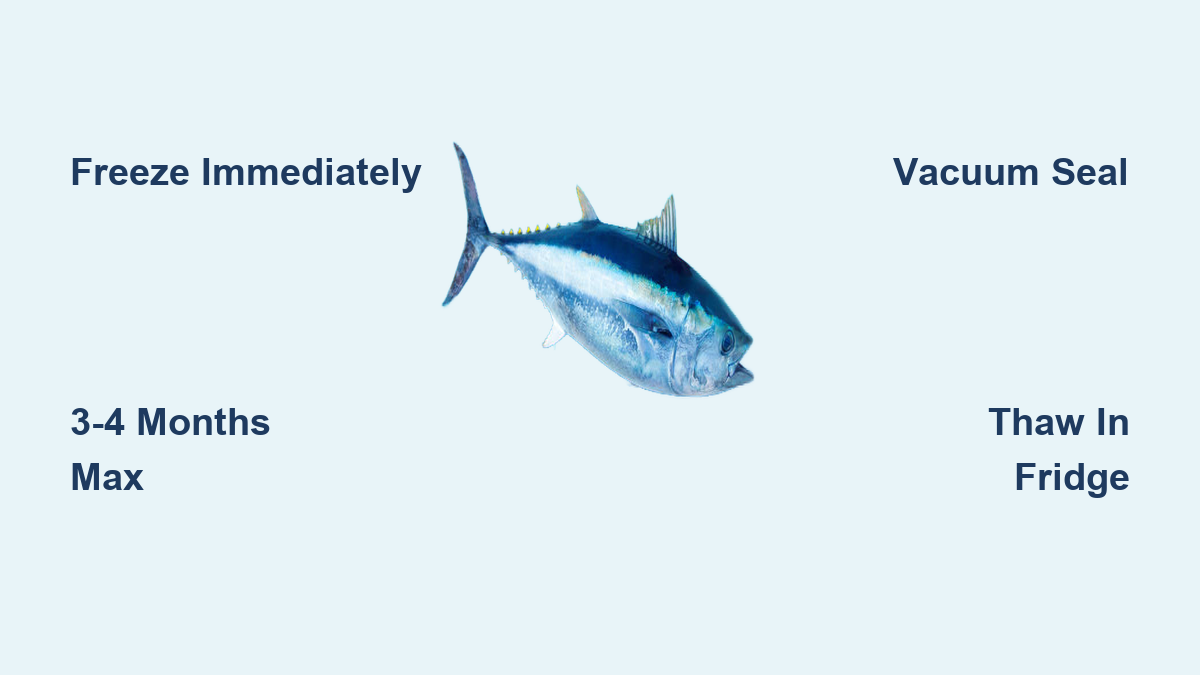
How Long Does Bluefin Tuna Last in the Freezer
Bluefin tuna commands premium prices at sushi bars and seafood markets for good reason—it’s one of the most prized fish in the world, with rich, buttery flesh that melts on the tongue. When you invest in this luxury seafood, knowing how long bluefin tuna lasts in the freezer becomes critical knowledge for preserving both safety and that exquisite eating experience. The difference between serving restaurant-quality sashimi and disappointing your guests often comes down to understanding the precise freezer timeline for this delicate fish.
The reality is straightforward but nuanced: properly frozen bluefin tuna remains safe to eat for up to 12 months at 0°F or below, but only maintains that premium sashimi-grade quality for 3-4 months under ideal conditions. This crucial distinction between food safety and culinary quality separates those who waste their investment from those who enjoy exceptional tuna months after their purchase. Your freezer management determines whether that expensive cut delivers the vibrant ruby-red color, rich umami flavor, and delicate texture that makes bluefin so special—or whether it becomes a lesson in disappointment.
Optimal Quality Window for Sashimi-Grade Results
Why Bluefin Tuna’s 3-4 Month Mark Defines Premium Quality
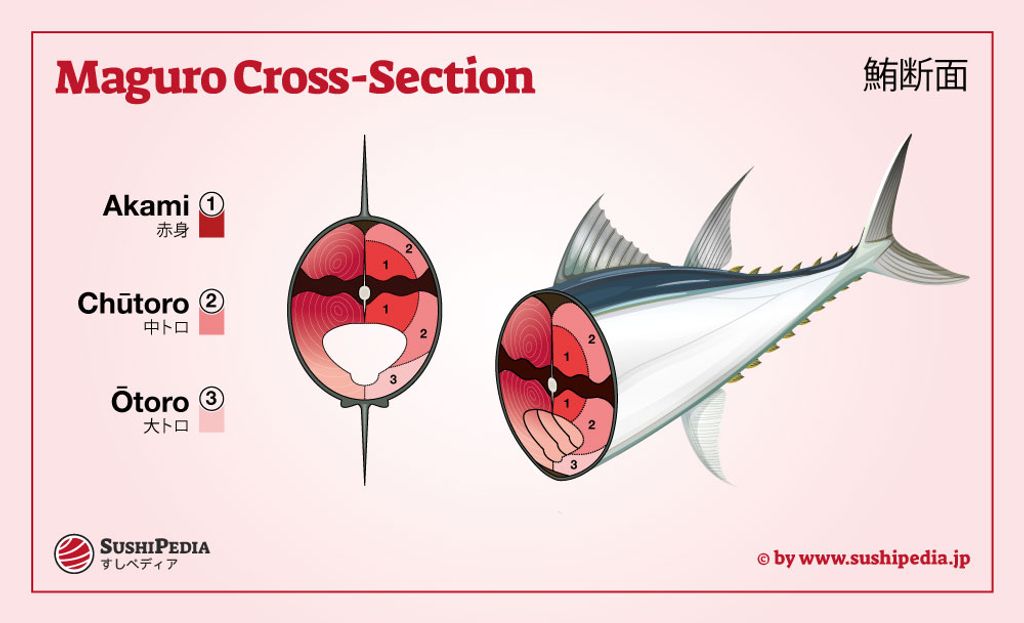
For raw preparations where quality matters most—think elegant sashimi presentations or high-end sushi rolls—bluefin tuna only maintains peak quality for 3-4 months in your home freezer. During this window, properly packaged fish retains its vibrant ruby-red color, complex flavor profile, and that signature buttery texture that justifies bluefin’s premium price tag. The cellular structure stays intact, allowing clean slicing without crumbling, while the natural omega-3 fats remain fresh rather than oxidizing into rancid compounds.
This narrow timeframe assumes perfect conditions: your freezer maintains a steady 0°F (-18°C) with minimal temperature fluctuations from frequent door openings, and you’ve packaged the tuna immediately after purchase using vacuum sealing or triple-layer wrapping. Professional sushi chefs universally agree that beyond four months, even technically safe tuna begins losing those subtle qualities that transform bluefin from ordinary fish to extraordinary culinary experience. The difference becomes especially noticeable in the prized otoro (belly) cuts where fat content accelerates quality degradation.
How to Maximize Your Bluefin Tuna’s First 120 Days
To squeeze every ounce of quality from your bluefin tuna’s optimal window, freeze it immediately after purchase rather than storing in the refrigerator first. Pat the fish completely dry with paper towels before packaging to eliminate moisture that causes freezer burn. Portion the tuna into single-serving sizes before freezing—this prevents repeated freeze-thaw cycles that damage cellular structure. Vacuum sealing provides the best protection, but if unavailable, wrap tightly in plastic wrap followed by freezer paper and heavy-duty aluminum foil, pressing out all air pockets.
Label each package clearly with the freeze date using a permanent marker, and store toward the back of your freezer where temperatures remain most consistent. Never open the freezer unnecessarily during storage—each temperature fluctuation accelerates quality loss through ice crystal formation. For the absolute best results, position your packages so they don’t touch each other, allowing cold air to circulate freely around each portion.
Extended Storage Periods: When Safety Outweighs Perfection
What Changes When Bluefin Tuna’s Frozen 5-8 Months
Between four and eight months, bluefin tuna enters a practical middle ground where it remains perfectly safe to eat but shows detectable quality decline. While you won’t get sashimi-grade results, the fish still performs beautifully in preparations that incorporate strong flavors. The texture may become slightly softer, the color less vibrant, and the delicate fat flavors less pronounced—but these changes matter less when the tuna shares the stage with bold seasonings.
This extended window works exceptionally well for grilled tuna steaks with teriyaki glaze, blackened tuna with cracked pepper crust, or tuna incorporated into rich curries and stews. The protein structure of bluefin remains remarkably stable during freezing (unlike white fish that turns mealy), which is why it stays palatable even as quality diminishes. Leaner akami (back) cuts actually hold up better during this period than fatty otoro portions, making strategic sense to prioritize using your fattier cuts first.
Best Cooking Methods for Long-Frozen Bluefin Tuna
When working with bluefin tuna frozen beyond the four-month mark, choose preparations that complement its evolved texture rather than fighting it. Marinate the fish for at least 30 minutes before cooking to add moisture and flavor complexity that compensates for quality loss. Grill or sear at high heat for a crisp exterior that contrasts with the tender interior, creating textural interest that masks any softening from extended storage.
For salads or sandwiches, flake the thawed tuna gently rather than attempting clean slices, as the cellular breakdown makes it less suitable for presentation-focused raw applications. Incorporate acid from citrus or vinegar to brighten flavors that have dulled during storage, and pair with robust ingredients like capers, olives, or fresh herbs that provide flavor complexity the tuna may have lost. These techniques transform what might have been a disappointment into a satisfying meal that still honors your investment.
Critical Factors That Determine Your Tuna’s Freezer Life
How Initial Freshness Impacts Long-Term Storage Success
The single most important factor determining how long your bluefin tuna lasts in the freezer isn’t your freezer—it’s the fish’s quality at the moment you freeze it. Tuna that was previously frozen and thawed before you purchased it will never achieve the same quality as fresh, never-frozen fish, no matter how perfectly you store it at home. When buying bluefin for freezing, examine it carefully: flesh should be bright red or pink, firm to the touch with no mushy spots, and completely free of fishy or ammonia odors.
Fish flash-frozen at sea or immediately after catch preserves far more natural flavor and texture than fish that spent days in transit. This is why “sashimi-grade” or “frozen at sea” labels matter—they indicate the fish was preserved at its peak rather than degrading during transportation. Reputable sources who maintain proper cold chain management make all the difference in how well your frozen tuna will hold up over time.
Why Fat Content Matters More Than You Think
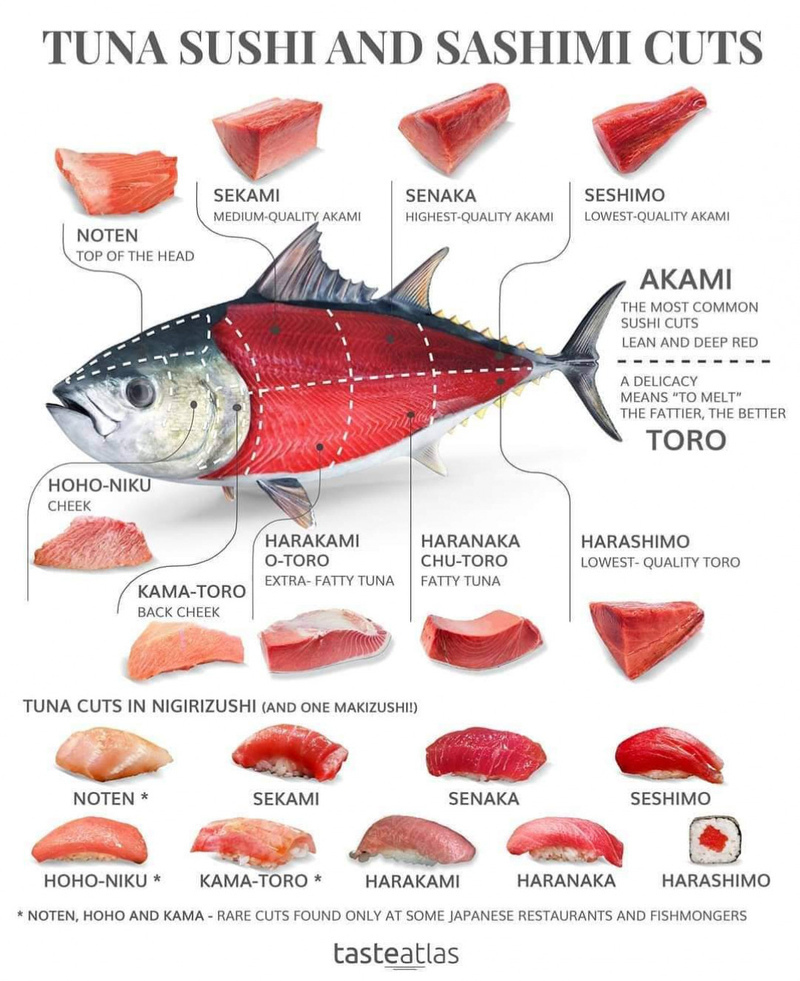
Bluefin tuna’s high fat content—especially in prized otoro cuts that can reach 20% fat—creates a paradox for freezer storage. While these intramuscular fats deliver that luxurious mouthfeel, they also accelerate quality deterioration during freezing because unsaturated fats oxidize when exposed to oxygen. This oxidation produces off-flavors described as “cardboard-like” that destroy the delicate richness making bluefin so special.
Understanding this explains why leaner akami cuts actually freeze better for longer durations—they contain fewer lipids subject to oxidative damage. Sushi restaurants strategically use fattier portions first while reserving leaner sections for later service, a technique you should emulate at home. When freezing bluefin, prioritize using your otoro within the first three months while reserving back meat for extended storage if necessary.
Safe Thawing Methods That Preserve Bluefin Tuna Quality

Refrigerator Thawing: The Only Method for Sashimi-Grade Results
Thaw bluefin tuna in your refrigerator over 24-48 hours for the best quality results—this slow process keeps the fish in the safe temperature zone while allowing ice crystals to reabsorb gradually into the muscle tissue. A typical 6-8 ounce portion requires about 24 hours, while larger steaks may need the full 48 hours. Never thaw tuna at room temperature, as outer layers enter the “danger zone” (40°F-140°F) where bacteria multiply rapidly while the center remains frozen.
Once thawed, consume bluefin within 1-2 days and never refreeze without cooking first. The gradual refrigerator thaw preserves cellular structure, resulting in superior texture compared to faster methods. For raw preparations, ensure your tuna was previously frozen to FDA parasite-killing standards (7 days at -4°F or 15 hours at -31°F)—fresh tuna should never be consumed raw.
Cold Water Method: When You’re Short on Time
If you need to thaw bluefin tuna more quickly, the cold water method provides a safer alternative to room temperature thawing. Submerge the sealed package in cold water, changing the water every 30 minutes to maintain temperatures below 40°F. This typically takes 1-3 hours depending on portion size. Keep the tuna in its packaging to prevent water absorption, which would compromise texture.
The critical safety rule: never use warm water, as this creates ideal conditions for bacterial growth in outer layers while the center remains frozen. Even with cold water thawing, cook the tuna immediately after it’s fully thawed—don’t return it to the refrigerator for later use, as this extended time in the temperature danger zone increases food safety risks.
Spotting Spoiled Frozen Bluefin Tuna Before It’s Too Late
Visual Warning Signs That Indicate Quality Loss
Before cooking thawed bluefin tuna, examine it carefully for visual clues of degradation. Fresh quality tuna displays vibrant red or pink coloring depending on the cut, while compromised fish shows faded edges turning brownish or grayish—a sure sign of oxidation. Green or yellow discoloration means immediate disposal regardless of storage time.
Large ice crystals inside packaging or visible on the surface indicate freezer burn, which while not dangerous, renders affected areas dry and flavorless. Simply trim away these portions before cooking. Mold growth (fuzzy white, green, or black patches) definitively signals spoilage—discard the entire piece immediately, as mold penetrates deeper than visible surface growth.
Smell and Texture Changes That Signal Trouble
Properly stored bluefin tuna should feel firm and resilient when pressed, returning to its original shape without leaving an indentation. Mushy, slimy texture or a sticky surface indicates bacterial activity or tissue breakdown that makes the fish unsafe. Fresh bluefin has a clean, ocean-like scent with no strong fishy or ammonia odors.
Any noticeable ammonia smell—even when the fish is cold—means discard the tuna immediately. This odor intensifies when the fish warms, but should be detectable even when refrigerated. An overly “fishy” smell suggests the tuna wasn’t fresh when frozen or has been stored too long. When in doubt about quality, remember that with expensive seafood like bluefin, it’s always better to err on the side of caution.
Professional Storage Rotation System for Home Freezers
Implement a simple first-in-first-out system by placing newly frozen tuna behind existing packages, ensuring older items get used first. Maintain a visible inventory list on your freezer door noting contents and freeze dates—this prevents forgotten tuna from degrading past redemption. Dedicate a specific shelf or bin exclusively to seafood to prevent flavor transfer and make items easy to locate.
Never freeze previously thawed tuna, as each freeze-thaw cycle damages cellular structure and accelerates quality loss. Avoid storing bluefin near strongly flavored foods like garlic or onions, as odors can penetrate packaging. Check your freezer temperature weekly with a dedicated thermometer—many units don’t maintain accurate temperatures, especially when filled to capacity. Proper management transforms your freezer from random storage into a strategic inventory system that preserves quality while preventing waste.
Final Note: Bluefin tuna frozen for 3-4 months delivers sashimi perfection, while 5-8 month frozen fish works well in cooked preparations. Beyond 8 months, quality degrades significantly though the fish remains safe. Vacuum sealing, consistent 0°F temperatures, and proper thawing preserve quality—helping you maximize every dollar invested in this extraordinary fish.