How Long Are Hotdogs Good in Freezer: Storage Guide
Hotdogs rank among America’s most beloved convenience foods, appearing at backyard barbecues, stadium concession stands, and weeknight dinners across the country. But whether you’ve stocked up during a sale, prepared a massive batch for a party, or simply forgot about that unopened package in the back of your freezer, understanding exactly how long hotdogs remain safe and delicious becomes essential knowledge. The answer isn’t straightforward because several factors influence freezer storage life, from packaging type to whether the hotdogs are cooked or raw. This comprehensive guide breaks down every scenario, provides clear timelines, and offers practical tips to maximize both safety and quality.
The good news is that hotdogs freeze exceptionally well when handled properly. Unlike some meats that develop significant texture changes during freezing, hotdogs maintain their basic characteristics for months when stored at the correct temperature in appropriate packaging. However, the specific timeframe varies considerably depending on whether you’re dealing with unopened factory-sealed packages, opened hotdogs you’ve repackaged yourself, or hotdogs you’ve already cooked. Knowing these distinctions prevents food waste while ensuring you never risk consuming compromised meat.
Unopened Hotdog Freezer Guidelines
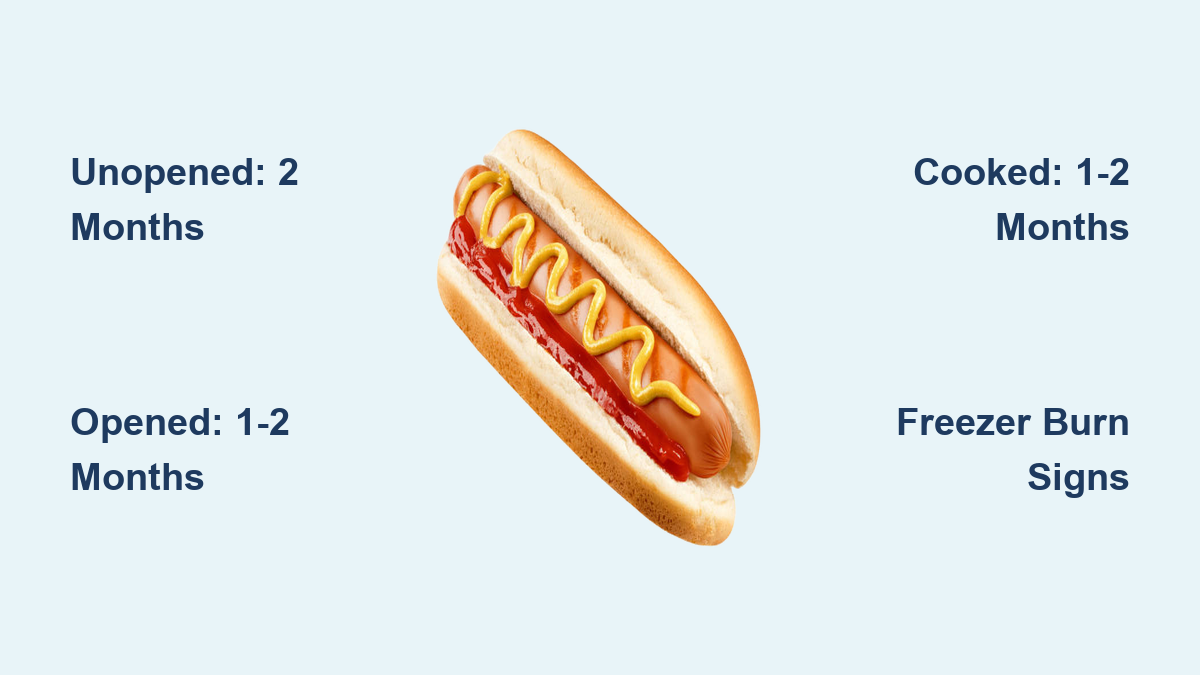
Unopened hotdogs in their original vacuum-sealed packaging represent the optimal scenario for freezer storage. These commercially sealed products remain at peak quality for up to two months when maintained continuously at 0°F (-18°C) or below. The vacuum-sealing process removes oxygen and creates an effective barrier against freezer burn and bacterial contamination, which significantly extends their shelf life compared to opened products.
Manufacturers typically date their products with “best by” or “sell by” dates, but these dates primarily apply to refrigerated storage conditions. When you freeze unopened hotdogs promptly and maintain proper freezer temperatures, they remain safe to consume well beyond these printed dates. Quality does gradually decline after the two-month mark, but the hotdogs won’t become unsafe—they may simply lose some of their original flavor and texture characteristics.
For best results, check the original packaging before freezing. If the seal appears damaged or the package is bloated, do not freeze it as this may indicate bacterial contamination. Store unopened packages in the coldest part of your freezer, away from the door where temperature fluctuations occur most frequently. This simple positioning choice can make a measurable difference in long-term quality preservation.
Opened and Cooked Hotdog Timelines
Once hotdogs have been opened or removed from their original packaging, their freezer lifespan decreases considerably. Opened hotdogs stored in airtight containers or quality freezer bags maintain optimal quality for approximately one to two months. The exposure to air during opening accelerates oxidation and moisture loss, even when you seal the containers carefully afterward. Additionally, any contaminants introduced during handling can begin bacterial growth, though freezing temperatures prevent this from reaching dangerous levels.
Cooked hotdogs present an entirely different storage scenario. Whether you’ve grilled, boiled, or prepared them using any cooking method, cooked hotdogs should be frozen promptly after cooling to room temperature. The two-hour rule applies here: hotdogs left at room temperature longer than two hours should be discarded rather than frozen. Properly stored cooked hotdogs maintain good quality for one to two months in the freezer. Some users report slight textural changes after freezing, with the casing potentially becoming softer upon thawing, but the flavor remains generally good within this timeframe.
Homemade hotdogs or those transferred to different containers should also be consumed within the one-to-two-month window for best taste and texture. If you’ve made hotdogs from scratch, the absence of commercial preservatives and the different processing methods may result in slightly shorter optimal storage times compared to store-bought varieties.
What Affects Hotdog Freezer Storage Life

Packaging Quality Determines Results
The single most critical factor in determining how long hotdogs remain good in the freezer is the quality of their packaging. Original vacuum-sealed packaging provides the longest storage life because it eliminates oxygen exposure entirely. When repackaging hotdogs for freezer storage, several methods prove effective depending on your available resources and storage duration goals.
Airtight freezer bags rank among the most popular options, offering excellent protection against freezer burn and air exposure. Press these bags flat before sealing to remove as much air as possible, creating compact packages that freeze quickly and evenly. Resealable freezer bags work exceptionally well for opened hotdogs that you’ll use in portions, allowing you to access only what you need without exposing the remainder to temperature fluctuations.
For additional protection, consider wrapping hotdogs first in plastic wrap, then in aluminum foil. This double-layer approach creates effective barriers against both air and moisture loss. This method proves particularly useful for irregularly shaped packages or when original packaging has been discarded. If you own a vacuum sealing system, you’ll achieve the ultimate protection for long-term freezer storage. By removing all air from the packaging, vacuum sealing prevents oxidation and freezer burn entirely, potentially extending quality preservation well beyond standard timeframes.
Temperature Consistency Matters
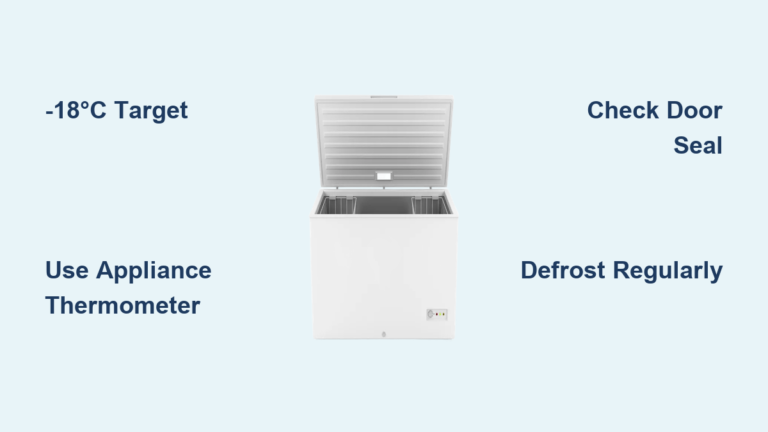
Maintaining a consistent freezer temperature of 0°F (-18°C) or below is non-negotiable for safe hotdog storage. Temperature fluctuations caused by frequent door opening, power outages, or improper freezer loading can compromise food safety and accelerate quality degradation. Invest in a freezer thermometer and check it regularly to ensure consistent temperatures are maintained.
If your freezer temperature rises above 0°F for extended periods, the storage clock effectively resets. Hotdogs exposed to such fluctuations may need to be consumed sooner than originally planned. A full freezer maintains cold temperatures longer than an empty one, so consider keeping ice packs or frozen water containers in rarely-used freezers to preserve the cold mass during power outages or door-openings.
Hotdog Type Influences Results
Various hotdog varieties respond differently to freezer storage. Traditional beef and pork hotdogs freeze well and maintain quality within standard timeframes. All-beef hotdogs may have slightly different texture characteristics after freezing due to their leaner composition, sometimes becoming marginally drier upon thawing. Turkey and chicken hotdogs, having lower fat content, can similarly become drier after freezing and thawing. Vegetarian and plant-based hotdogs follow different freezing guidelines entirely and may require shorter storage times for optimal quality, so check manufacturer recommendations for these products specifically.
Signs Your Hotdogs Have Spoiled
Visual Warning Signals
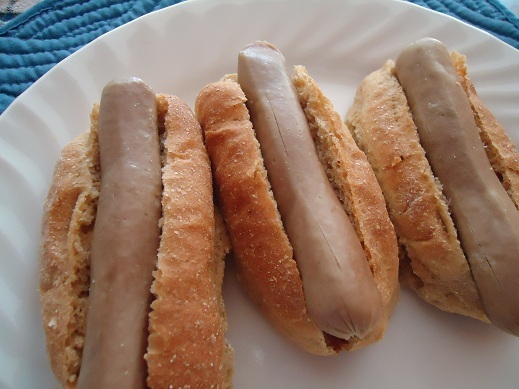
Before using frozen hotdogs, conduct a thorough visual inspection to assess their condition. Fresh frozen hotdogs should appear relatively unchanged from their original state. Several visual indicators suggest deterioration that may affect safety or quality.
Freezer burn appears as white or grayish-brown dry patches on the hotdog surface. While freezer burn doesn’t technically make food unsafe to eat, it severely impacts quality by drying out the affected areas. The texture becomes tough and flavor diminishes significantly in freezer-burned sections. Severely freezer-burned hotdogs should be discarded, though you can trim affected portions from slightly burned hotdogs and use the remaining portions.
Ice crystal formation inside the packaging indicates moisture migration and potential quality issues. Small ice crystals are normal and harmless, but large ice buildup suggests the product has been thawed and refrozen or exposed to concerning temperature fluctuations. Color changes also warrant attention—fresh hotdogs maintain their characteristic pink or reddish color. Gray, green, or brown discoloration, especially if uniform throughout the product, suggests oxidation or bacterial growth that should prompt disposal.
Smell and Texture Tests
Frozen hotdogs should have little to no odor when properly stored. Upon thawing, a sour, rancid, or otherwise off smell indicates spoilage, and the hotdogs should be discarded immediately. Trust your nose on this one—the smell of spoiled meat is distinctively unpleasant and should not be confused with normal meat aromas.
Texture provides another important quality indicator. When thawed, hotdogs should feel firm but not rock-hard or excessively soft. Slimy or sticky surfaces upon thawing indicate bacterial growth and spoilage. Hotdogs that fall apart easily or feel mushy have likely degraded beyond optimal quality. When in doubt about any of these indicators, the safe choice is always to discard questionable hotdogs rather than risk foodborne illness.
Freeze Hotdogs the Right Way
Preparation Steps
Proper preparation before freezing significantly impacts hotdog longevity and quality. Unopened packages require minimal preparation beyond checking the “best by” date and ensuring the packaging remains completely intact. Opened hotdogs should be sorted into meal-sized portions to minimize repeated freeze-thaw cycles, which degrade quality with each cycle and increase food safety risks.
Label every package with the freezing date using freezer tape and markers or adhesive labels designed for freezer use. This simple habit helps track storage time and ensures consumption within optimal quality windows. Include the quantity and any special notes such as “opened” or “cooked” to aid meal planning and inventory management. Many households find success with a simple rotation system—moving older packages to the front and newer ones to the back ensures you use the oldest items first.
Cooling Requirements
Never place hot hotdogs directly in the freezer. Hot items raise freezer temperatures, creating warm spots that affect surrounding items and promote undesirable ice crystal formation. Hotdogs should be cooled to room temperature within two hours of cooking, then transferred to the freezer. For large quantities, spread hotdogs on baking sheets in a single layer to cool faster, ensuring food safety without overloading your freezer’s cooling capacity.
This cooling step matters especially for cooked hotdogs. The cooking process changes the cellular structure, and rapid temperature changes can affect texture. Allowing gradual cooling before freezing helps preserve the hotdog’s intended characteristics. Remember that hotdogs left at room temperature for more than two hours should be discarded rather than frozen, as harmful bacteria can multiply rapidly in that temperature danger zone.
Safe Thawing Methods for Frozen Hotdogs
Refrigerator Thawing
The safest thawing method involves transferring frozen hotdogs from the freezer to the refrigerator approximately 24 hours before you plan to use them. This gradual thawing process maintains food at consistently safe temperatures throughout. Thawed hotdogs remain safe in the refrigerator for three to five days before cooking, giving you flexibility in meal planning.
While this method requires advance planning, it ensures optimal food safety and quality preservation. The slow, controlled thawing allows the hotdogs to defrost evenly without creating the conditions that promote bacterial growth. Place the package on a plate or in a container to catch any moisture that accumulates during thawing, which prevents cross-contamination in your refrigerator.
Microwave and Direct Cooking
Microwaves provide the fastest thawing option but require immediate cooking afterward. Follow your microwave manufacturer’s instructions for defrosting meat products, as power settings vary between models. Because microwaves can begin cooking the outer edges while the center remains frozen, this method works best when the hotdogs will be cooked immediately afterward. Never refreeze hotdogs after microwave thawing.
Interestingly, hotdogs can be cooked directly from frozen without any thawing at all, though cooking time increases by approximately 50%. This approach works particularly well for grilling or boiling, where the exterior cooks while the interior gradually thaws. Pan-frying from frozen requires lower heat and longer cooking time to ensure even heating throughout. This method eliminates thawing concerns entirely and actually helps maintain quality by avoiding moisture loss during the separate thawing process.
Quick Reference Storage Guide
| Hotdog Type | Maximum Freezer Time | Quality Expectations |
|---|---|---|
| Unopened, vacuum-sealed | 2 months | Best quality within this period |
| Opened, repackaged | 1-2 months | Quality declines noticeably after 1 month |
| Cooked hotdogs | 1-2 months | Some textural changes possible |
| Homemade hotdogs | 1-2 months | Quality varies with recipe |
Key Takeaways
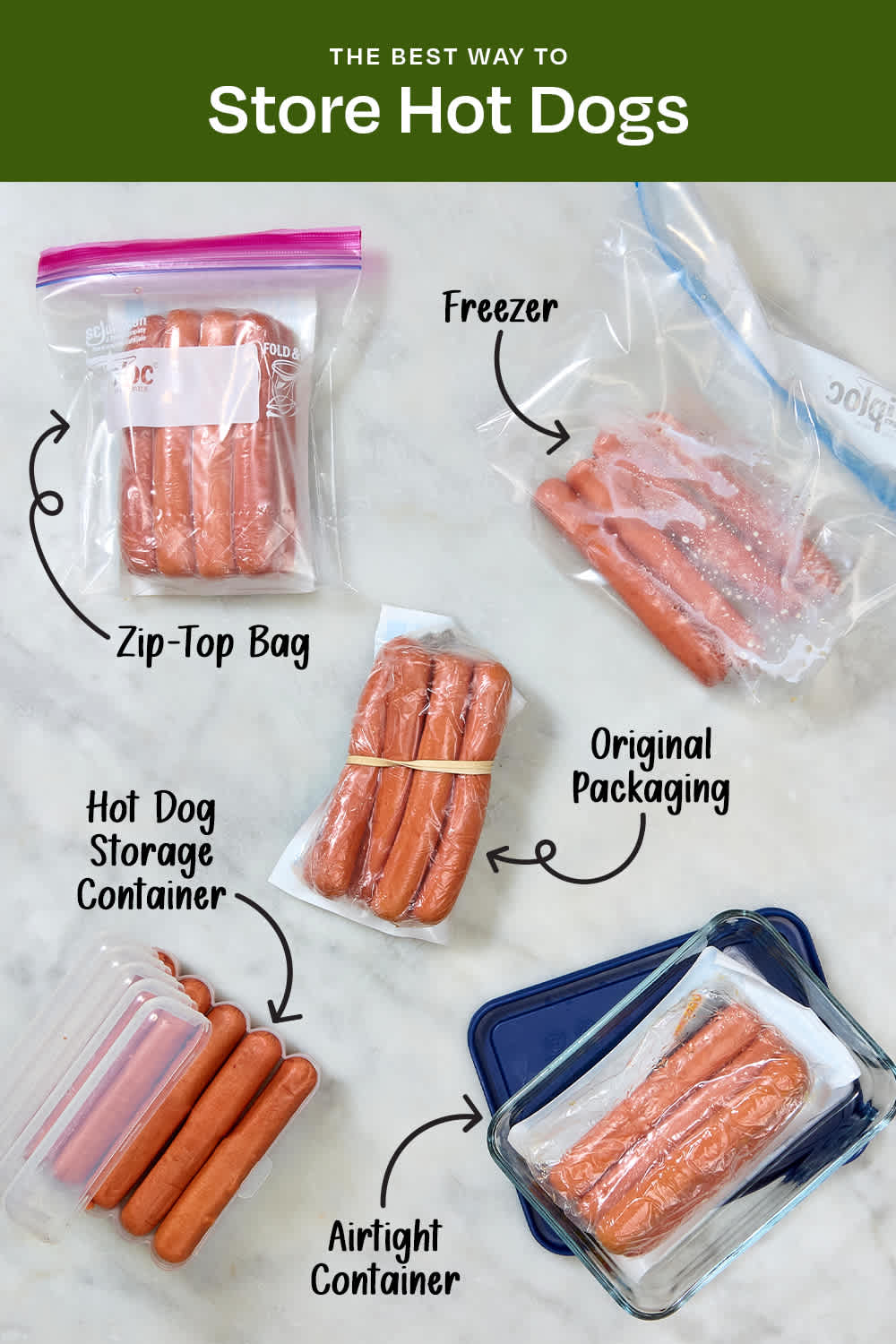
Understanding how long hotdogs remain good in the freezer requires balancing food safety considerations with quality preferences. For optimal results, consume frozen hotdogs within two months of freezing when possible. Always use airtight packaging to prevent freezer burn and quality degradation—vacuum sealing provides the best results, followed by quality freezer bags with air removed.
Monitor your freezer temperatures consistently and follow proper thawing procedures to maintain food safety. When uncertain about the quality of stored hotdogs, remember the guiding principle: when in doubt, throw it out. The minimal cost of replacing questionable hotdogs far outweighs the potential consequences of foodborne illness.
Proper storage practices ensure that hotdogs remain safe, flavorful, and enjoyable throughout their freezer storage life. By following these guidelines, you can confidently stock up during sales, prepare ahead for gatherings, and reduce food waste while maintaining the quality your family expects from this classic American food.