How to Thaw Steak from Freezer Safely
You’ve decided to cook a delicious steak dinner, but your prized cut is rock-solid in the freezer. Rushing the thawing process can lead to uneven cooking, compromised texture, or worse—foodborne illness from improper handling. Many home cooks make critical mistakes like thawing steak on the counter or in hot water, not realizing they’re creating a breeding ground for dangerous bacteria. With the right technique, you can preserve your steak’s quality while keeping your family safe. This guide reveals the three USDA-approved methods for thawing steak, why some popular “quick fixes” are dangerous, and how to identify when your thawed steak is still safe to cook.
Refrigerator Thawing: The Safest Method for Premium Results
Thawing steak in the refrigerator might take longer, but it’s the gold standard for maintaining both safety and quality. This method keeps your meat consistently below 40°F (4°C), preventing bacteria growth while allowing enzymes to gradually break down ice crystals without damaging the meat’s structure.
How Long to Plan for Refrigerator Thawing
Steak thickness directly impacts thawing time—plan ahead based on these guidelines:
– 1-inch thick steaks: 12-18 hours
– 1.5-inch thick steaks: 18-24 hours
– 2-inch thick steaks (like tomahawks): 24-36 hours
Pro Tip: Thaw steak on a wire rack over a tray to allow air circulation underneath, preventing the bottom from sitting in accumulated moisture that could create a soggy texture.
Step-by-Step Refrigerator Thawing Process
- Transfer steak to refrigerator while still in its original packaging or place it in an airtight container
- Position on the bottom shelf to prevent potential drips from contaminating other foods
- Place tray underneath to catch any leakage during the thawing process
- Check periodically—steak is fully thawed when no ice crystals remain and it feels pliable throughout
- Cook within 3-5 days after complete thawing for optimal quality and safety
Cold Water Thawing: The 60-Minute Solution for Last-Minute Plans

When you’ve forgotten to plan ahead but still want to avoid unsafe thawing methods, the cold water technique delivers surprisingly good results in about an hour. This method works because water transfers heat 25 times more efficiently than air, dramatically speeding up the process while maintaining safety when done correctly.
Why Cold Water Works Better Than You Might Think
Water’s superior thermal conductivity means your steak thaws evenly from all sides simultaneously. Unlike microwave thawing which can partially cook edges, cold water maintains the steak’s raw state while bringing it to a safe temperature zone quickly.
Proper Cold Water Thawing Technique
- Seal steak in leak-proof packaging—use the original vacuum-seal or place in a heavy-duty zip-top bag with all air removed
- Submerge completely in cold tap water (not warm or hot—this promotes bacterial growth)
- Change water every 30 minutes to maintain cold temperature (below 70°F/21°C)
- Allow approximately 30 minutes per pound—a typical 1-1.5 inch steak thaws in 45-60 minutes
- Cook immediately after thawing—do not return to refrigerator
Critical Safety Note: Never use warm water to speed up thawing—this brings the outer layer into the “danger zone” (40-140°F) where bacteria multiply rapidly while the center remains frozen.
Microwave Thawing: The Emergency Option With Texture Tradeoffs
Microwave thawing should be your last resort when time is extremely limited, as it often creates uneven results with some areas beginning to cook while others remain frozen. However, when executed properly, it can safely get your steak ready for immediate cooking.
When Microwave Thawing Makes Sense
This method works best when:
– You’ve completely forgotten to thaw your steak
– You’re cooking immediately after thawing
– You’re using thinner cuts (under 1 inch)
– You don’t mind slightly less optimal texture
Microwave Thawing Without Partial Cooking
- Remove all packaging—never thaw meat in foam trays or plastic wrap in the microwave
- Place steak on microwave-safe plate with space around all sides
- Use the defrost setting (typically 30% power) for 2-3 minutes per pound
- Rotate and flip every minute to promote even thawing
- Check frequently—stop when ice crystals remain but meat is pliable
- Cook immediately—do not delay cooking after microwave thawing
Texture Warning: Microwave-thawed steaks often develop a slightly altered texture in areas that began cooking during the process. For best results, use these steaks for dishes like stir-fries or fajitas rather than premium preparations like seared filets.
Dangerous Thawing Methods to Avoid
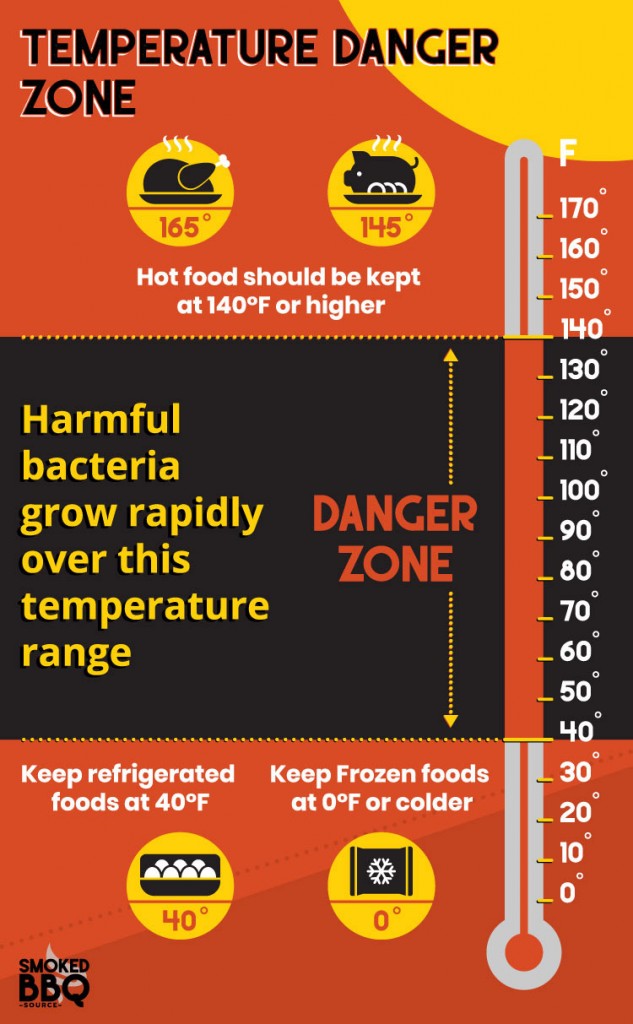
Certain thawing techniques create serious food safety hazards while compromising your steak’s quality. These methods might seem convenient but put you at risk for foodborne illness.
Why Countertop Thawing Puts You at Risk
Leaving steak on the counter seems logical but creates a dangerous situation:
– Outer layers reach 40°F+ within 20 minutes while center remains frozen
– Bacteria like E. coli and Salmonella multiply rapidly in this temperature zone
– By the time the center thaws, the exterior may have hosted dangerous bacterial growth for hours
Expert Insight: The USDA estimates that 1 in 4 cases of food poisoning comes from improper thawing practices—countertop thawing is the most common culprit.
Hot Water Thawing: Texture and Safety Double Whammy
Submerging frozen steak in hot water creates multiple problems:
– Outer layers begin to cook while center remains frozen
– Creates a mushy, uneven texture throughout the steak
– Rapid temperature change damages muscle fibers, leading to excessive moisture loss during cooking
– Promotes bacterial growth similar to countertop thawing
Identifying Properly Thawed Steak
Knowing when your steak has thawed completely prevents undercooked centers or overcooked edges. The visual and tactile cues differ slightly based on your thawing method.
Visual and Tactile Indicators of Complete Thawing
- Color: Returns to fresh red color throughout (not pinkish-gray in frozen state)
- Texture: Feels uniformly soft and pliable when gently pressed
- Ice crystals: No visible ice crystals remain in the meat fibers
- Flexibility: Can bend slightly without cracking or breaking
Troubleshooting Tip: If the center feels firm while edges are soft, return to refrigerator for additional thawing time rather than using faster methods that could compromise safety.
Post-Thaw Handling Best Practices
How you handle your steak after thawing significantly impacts both safety and final quality. Follow these guidelines to maximize results from your properly thawed steak.
Timing Your Cooking After Thawing
- Refrigerator-thawed steak: Cook within 3-5 days
- Cold water-thawed steak: Cook immediately
- Microwave-thawed steak: Cook immediately
Pro Tip: Bring refrigerator-thawed steak to room temperature for 30-60 minutes before cooking for more even results—this does not compromise safety when done properly.
Storage Guidelines for Unused Thawed Steak
If you’ve thawed more steak than needed:
– Return unused portions to refrigerator immediately
– Store in airtight container on bottom shelf
– Use within 3 days for optimal quality
– Never re-freeze raw thawed steak (cook first, then freeze leftovers)
Steak-Specific Thawing Considerations

Different cuts require slightly different approaches based on thickness, marbling, and connective tissue content.
Special Handling for Premium Cuts
- Ribeyes and NY Strips: Higher fat content thaws slightly faster—check 30 minutes early
- Filet Mignon: Leaner cuts may need extra time—add 20% to standard thawing times
- Thick-Cut Steaks (2″+): May benefit from partial thawing before reverse searing
- Marinated Steaks: Thaw in original packaging to preserve marinade effectiveness
Expert Note: Premium aged steaks require extra care during thawing—always use refrigerator method to preserve the delicate enzymatic changes created during aging.
Troubleshooting Common Thawing Problems
Even with proper technique, you might encounter issues during the thawing process. Here’s how to handle common problems without compromising safety.
What to Do If Your Steak Starts Cooking During Thawing
If microwave or water thawing causes partial cooking:
– Immediately transfer to refrigerator to stop the cooking process
– Cook within 24 hours rather than the standard 3-5 days
– Use high-heat methods like grilling to minimize further texture changes
– Avoid rare or medium-rare preparations—cook to at least medium
Salvaging Over-Thawed Steak
If your steak has been in cold water too long and feels slightly slimy:
– Rinse thoroughly under cold running water
– Pat completely dry with paper towels
– Marinate for 30-60 minutes before cooking to improve texture
– Cook to medium doneness to ensure safety
Final Note: Proper steak thawing separates good cooks from great ones. By using refrigerator thawing for planned meals, cold water for last-minute dinners, and avoiding dangerous shortcuts, you’ll consistently achieve better texture, flavor, and safety. Remember that properly thawed steak should feel uniformly pliable with no ice crystals remaining, and always cook immediately after quick-thaw methods. For best results, plan ahead and give your premium cuts the gentle thawing they deserve—your taste buds (and digestive system) will thank you.