How to Thaw Buns from Freezer Quickly
Frozen buns are a kitchen lifesaver for busy weeknights, last-minute gatherings, and meal prep sessions. Whether you’ve got hamburger buns from a summer barbecue, hot dog buns purchased in bulk, or regular dinner rolls stored for future use, knowing how to thaw buns from freezer properly makes all the difference between disappointing and delicious results. The texture, flavor, and overall quality of your thawed buns depend entirely on the method you choose and how well you execute it. This guide covers every effective technique for thawing buns from frozen, from slow room temperature methods that preserve bakery-fresh quality to quick microwave solutions when you’re pressed for time.
Choosing the wrong thawing method can leave you with rubbery hamburger buns that won’t hold your burger together, soggy hot dog buns that collapse under toppings, or dry dinner rolls that crumble at first bite. By mastering several techniques, you’ll always have the right approach for whatever situation arises in your kitchen. Whether you need buns in 15 minutes for tonight’s dinner or can plan ahead for perfect sandwich bread tomorrow, this comprehensive guide has you covered.
Wrap Hamburger Buns Tightly Before Freezing
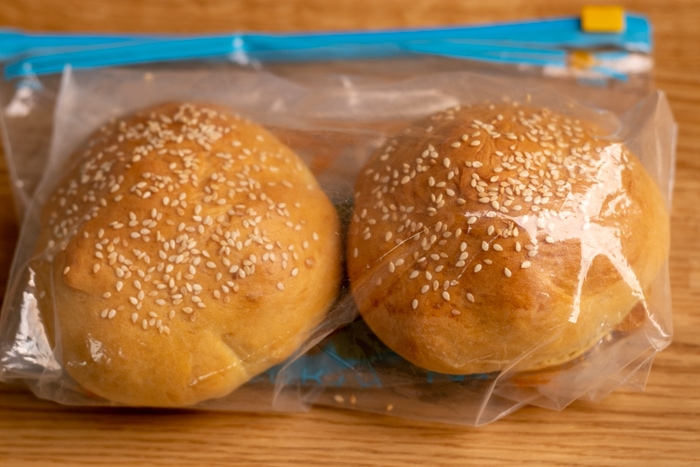
The quality of your thawed buns depends heavily on how well you froze them initially. Proper wrapping techniques preserve moisture, prevent freezer burn, and ensure your buns return to their original state when thawed. Taking a few extra minutes during the freezing process pays dividends in final quality.
Begin by wrapping each hamburger bun individually in plastic wrap, ensuring complete coverage that seals in moisture. Add a second protective layer by wrapping the plastic-wrapped buns in aluminum foil, which provides an effective barrier against air exposure. Place the double-wrapped buns into heavy-duty freezer bags, pressing out as much air as possible before sealing. Label each bag with the freeze date, and use the buns within three months for optimal quality. Freezing buns individually rather than in bulk allows you to thaw only what you need, preventing waste from repeatedly thawing entire batches.
Package Hot Dog Buns Correctly for Long Storage

Hot dog buns present unique packaging considerations since they often come in bags of eight. The original packaging works adequately for short-term storage of one to two weeks, but it lacks the airtight seal necessary for longer preservation. For extended freezer storage, transfer buns into freezer bags or airtight containers, removing as much air as possible.
A highly effective approach wraps each bun individually in plastic wrap first, then places them into an airtight container. This double-layer method provides exceptional protection against moisture loss and freezer burn. Properly stored hot dog buns remain good for up to six months, though quality begins declining after four months. Inspect buns before freezing—excessive ice crystals, unusual odors, or discoloration indicate freezer burn that will compromise quality when you thaw buns from freezer.
Thaw Buns at Room Temperature for Best Texture
Room temperature thawing produces the softest, most natural texture and remains the gold standard for quality-conscious cooks. This slow, gentle process allows buns to reabsorb moisture lost during freezing without the risk of sogginess or rubbery texture that faster methods sometimes produce.
Countertop Thawing for Hamburger Buns
The simplest approach for hamburger buns involves leaving them on the kitchen counter while still wrapped in their protective plastic and foil layers. This wrapping prevents the surface from drying out while allowing the buns to gradually return to room temperature. A single hamburger bun typically thaws in about one hour, while larger quantities may require two to three hours depending on your kitchen’s ambient temperature. Place the wrapped buns on a clean plate or baking sheet, and cover loosely with a clean kitchen towel for added protection. This method preserves the soft interior texture that makes burger buns perfect for sandwiches.
Defrost Hot Dog Buns on the Counter
Hot dog buns respond beautifully to room temperature thawing, requiring only a few hours to reach optimal serving condition. Remove the buns from the freezer and place them on your countertop at room temperature, leaving them in their packaging if there’s minimal frost buildup. However, if you notice significant frost inside the bag, transfer the buns to a plate or clean surface before thawing—melting frost creates moisture that makes buns soggy. Most hot dog buns thaw completely within two to three hours, producing soft, pliable buns ready for toppings.
Microwave Hamburger Buns Properly When Time Is Limited
When time is limited, the microwave provides the fastest thawing solution. However, this method demands careful attention—microwaves heat unevenly and can quickly transform soft buns into rubbery disappointment. Following specific techniques minimizes these risks.
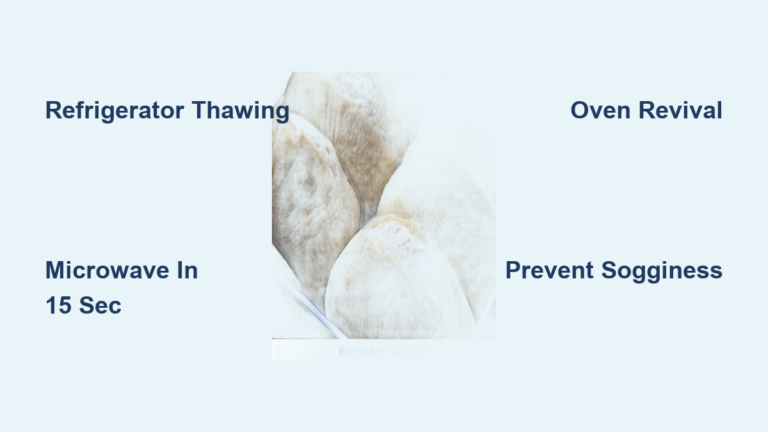
Place a frozen hamburger bun on a microwave-safe plate and cover it loosely with a damp paper towel. The damp towel creates steam that helps retain moisture during the brief heating process. Set your microwave to medium power, approximately 50%, and heat for 15 to 20 seconds. Check the bun and, if necessary, continue in 10-second increments until thawed. The critical mistake to avoid is using full power or heating too long—this almost guarantees rubbery, dry texture. Medium power and short bursts allow more even heating with less risk of overcooking.
Defrost Hot Dog Buns in the Microwave Without Drying Out
Hot dog buns microwave quickly due to their smaller size and elongated shape. Arrange buns on a microwave-safe plate and heat at medium power in 10-second intervals, flipping them halfway through each interval. Check after each interval to prevent overcooking, as hot dog buns dry out quickly in the microwave.
If your microwave has a dedicated defrost setting, use it for more even results. Wrapping each bun individually in a damp paper towel before microwaving significantly improves moisture retention. Wring out excess water from the paper towel first—you want damp, not soaking wet. If buns feel dry after defrosting, sprinkle lightly with water and microwave for another 10 seconds. Remember that microwaved buns should be consumed immediately, as they quickly become hard and stale as residual moisture evaporates.
Use Standard Oven for Hamburger Buns Thawing and Warming

Oven thawing provides excellent results, especially for larger quantities or when you want to restore that fresh-from-the-bakery quality. The gentle, even heat of an oven warms multiple buns simultaneously while improving texture.
Preheat your oven to 350°F, a temperature that warms buns without browning them excessively. Arrange frozen buns on a baking sheet and lightly mist with water, or brush with melted butter or milk for richer flavor. Bake for 5 to 7 minutes, checking at the 5-minute mark to prevent over-warming. The light misting or brushing restores moisture lost during freezing and creates an attractive golden finish. This method works exceptionally well when you need to thaw multiple buns at once, as the oven provides consistent heat throughout the batch.
Warm Hot Dog Buns in the Oven Without Drying Out
Hot dog buns require slightly lower oven temperatures due to their shape and size. Preheat to 325°F and arrange buns in a single layer on a baking sheet. Warm for approximately 5 minutes, starting to check at the 3-minute mark. The lower temperature accounts for the buns’ thinner profile and prevents the outer surfaces from over-browning while the centers remain frozen.
Properly thawed hot dog buns emerge warm, soft, and ready for toppings. The same instructions work perfectly in a toaster oven, which offers energy-efficient operation for small quantities. For best results, place a small bowl of water in the oven while warming to create additional steam that helps maintain bun moisture.
Steam Buns for Ultimate Softness After Freezer Storage
The steam method produces exceptionally soft texture that many people prefer when thawing buns from freezer. Place buns in a steamer basket over simmering water, cover tightly, and steam for 1 to 2 minutes. Steam penetrates the bun structure, rehydrating the interior and creating tender, fresh-from-the-bakery texture.
This method proves excellent for restoring softness to hamburger buns that have become slightly dry during freezing. One consideration: the exterior may become slightly softer than with other methods, which is ideal if you prefer an entirely tender bun. Steaming requires a steamer basket and stovetop access but delivers consistently excellent results for those who prioritize softness over crispness.
Apply Essential Microwave Tips for Successful Thawing
Understanding microwave limitations helps you work around them effectively. Microwaves defrost bread unevenly by design—some areas overheat while others remain cold. This fundamental characteristic makes close monitoring essential.
Bread that feels soft and steamy immediately after microwaving will quickly become hard and stale as residual moisture evaporates. For this reason, consume microwaved buns immediately rather than letting them sit. Wrapping buns in a slightly damp paper towel or clean kitchen towel before microwaving for 30 to 45 seconds produces noticeably better texture than microwaving unwrapped. The towel creates steam that keeps the surface flexible rather than tough. Always use medium power settings and short intervals to give yourself multiple chances to check progress.
Fix Sogginess Issues When Thawing Frozen Buns
Sogginess typically results from excess moisture during thawing. If refrigerator thawing creates damp buns, switch to room temperature methods or ensure proper ventilation. For frozen buns with significant frost, remove them from packaging before thawing—melting frost creates moisture that penetrates the bun.
Room temperature thawing with a light covering like a kitchen towel prevents sogginess while protecting the surface from drying out. If you’ve already thawed buns that are too moist, place them on a baking sheet and warm in a 300°F oven for 3-5 minutes to evaporate excess moisture without drying out the interior.
Address Dry or Rubbery Texture from Improper Thawing
Dry or rubbery texture usually stems from over-heating in the microwave or using excessive heat. Solution: use lower power settings, shorter intervals, and frequent checking. Wrapping buns in damp paper towels adds moisture during microwave thawing.
If buns are already thawed but dry, brush with water or butter and warm briefly in a 350°F oven for 2-3 minutes. Unfortunately, buns that have become rubbery in the microwave cannot be fully restored, which is why prevention through proper technique matters most. When thawing buns from freezer, remember that patience yields better results than rushing the process.
Match Thawing Method to Your Specific Situation
The ideal method depends on your specific circumstances. For soft, fresh taste with minimal effort, room temperature thawing or steaming yields the best results. For a crispy exterior that adds texture, the toaster or oven method works best. When speed is essential, the microwave provides the fastest thawing, though with some quality trade-offs.
For multiple buns, the oven ensures even thawing and warming throughout. For outdoor cooking situations, the grill method offers convenience and added flavor. If you’re making sandwiches for later, some people find that assembling the sandwich with frozen bread and letting it thaw in a sealed bag produces perfectly edible results by lunchtime.
Troubleshoot Uneven Thawing in Microwave-Defrosted Buns
Uneven thawing most commonly affects microwave-defrosted buns, where some spots overheat while others remain cold. Use shorter intervals, flip or rotate buns between intervals, and allow standing time after microwaving for heat to distribute.
For oven thawing, arrange buns in a single layer with space between them for even air circulation. Toaster thawing requires turning buns halfway through the process. If you notice one side thawing faster than the other, reposition the bun to face the opposite direction of the microwave’s turntable rotation for more even exposure to the microwaves.
Final Note: The perfect bun thawing method depends on your available time, equipment, and texture preferences. Room temperature thawing consistently produces the best overall texture but requires planning ahead. Microwave thawing offers speed but demands careful monitoring. Oven and toaster methods balance quality with reasonable time investment. With these techniques, you can confidently thaw buns for any occasion, achieving perfect results every time you need to thaw buns from freezer.