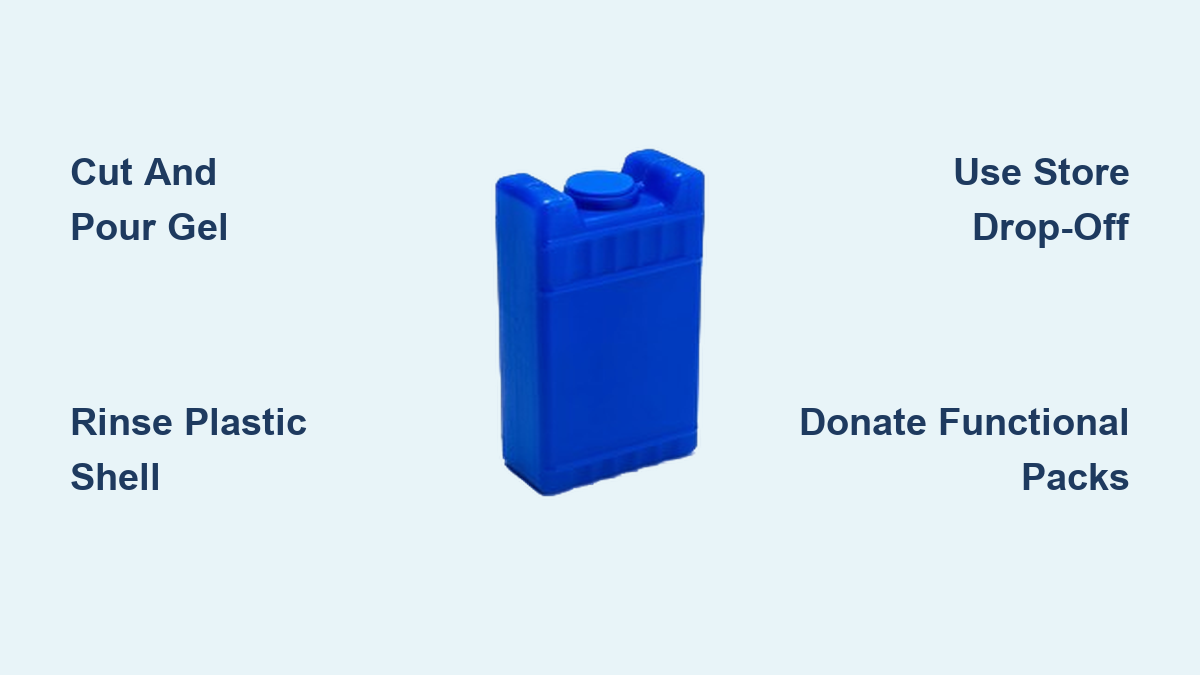
How to Recycle Freezer Packs: Easy Steps
Freezer packs have become unavoidable in our daily lives, arriving with online grocery deliveries, meal kits, and prescription medications. The average household accumulates dozens annually, yet most end up in landfills despite being recyclable materials. Learning how to recycle freezer packs properly keeps plastic out of waste streams and supports circular economy principles. These gel-filled cooling packets contain valuable materials that deserve a second life rather than sitting in a landfill for centuries.
The challenge with freezer pack recycling lies in their unique construction. These products combine flexible plastic shells with specialized gel fillings that require separate handling—most curbside recycling programs cannot process them. Understanding your ice pack’s composition, knowing where to take them, and exploring alternatives like donation or reuse can dramatically reduce your environmental footprint. This guide walks through every option for responsible freezer pack management, from basic preparation to creative repurposing that extends their useful life.
Identify Your Freezer Pack Composition First
Before attempting to recycle freezer packs, you must understand what materials you’re handling. Different manufacturers use varying plastics and gel formulations that determine appropriate disposal pathways. Some gels are drain-safe while others will clog pipes, and plastic types affect which recycling facilities accept them.
Decode Plastic Shell Materials
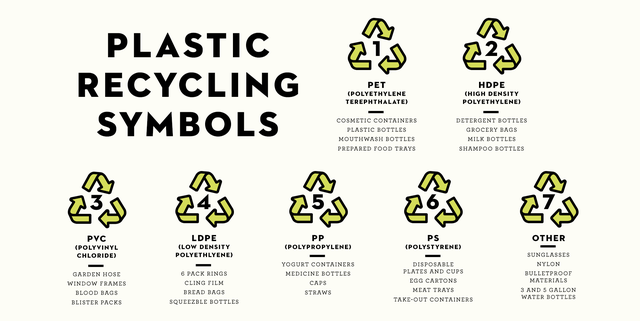
Most freezer pack shells carry recycling symbols that reveal their composition—♴ indicates LDPE (low-density polyethylene), ♳ indicates HDPE (high-density polyethylene), and ♵ represents other plastics. These symbols determine whether your local recycling program might accept the shell. Never assume all freezer packs use the same plastic type, as this mistake leads to contaminated recycling loads that get rejected entirely.
Understand Gel Formulations
The gel inside requires separate consideration from the plastic shell. Some products like Pelton Shepherd’s Vortec Ice are specifically formulated to be drain-safe, while standard Glacier Ice contains gels that should never enter drainage systems. Check for printed disposal instructions on your specific product before proceeding. When instructions aren’t available, always assume the gel is not drain-safe to protect your plumbing from potential clogs requiring expensive professional repairs.
Proper Preparation for Freezer Pack Recycling
Correct preparation significantly impacts whether your freezer packs actually get recycled rather than filtered out and landfilled. The gel must be separated from the plastic shell, with each component handled according to its material properties.
Safe Gel Removal Techniques
Begin by carefully cutting open the ice pack pouch with scissors. Position the cut so you can squeeze the gel directly into a trash container—not onto surfaces or into drains. For water-based gels like Glacier Ice (99.5% water), spreading the gel on a tray allows it to dehydrate before disposal, reducing landfill volume. Never pour gel down sinks unless explicitly labeled drain-safe; even small amounts of non-drain-safe gels can solidify in pipes and cause major blockages.
Cleaning Plastic Shells for Recycling
After removing the gel, rinse the plastic shell if possible to eliminate residue. Wipe clean with a dry cloth to ensure no gel remains on interior or exterior surfaces. Most recycling programs accept lightly contaminated flexible films, but heavily soiled shells get rejected regardless of your intentions. When in doubt about whether your cleaned shell meets standards, contact your local facility before making the trip—this saves time and ensures your effort actually contributes to material recovery.
Find the Right Recycling Drop-Off Locations
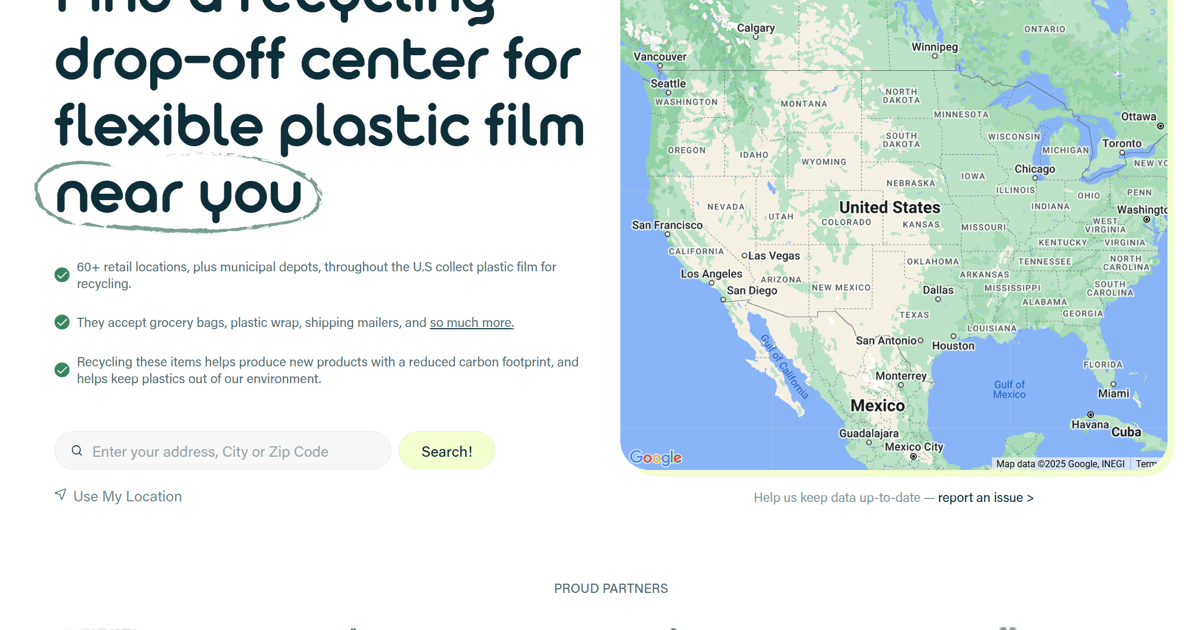
Freezer pack recycling requires specialized drop-off locations that accept flexible film plastics. Curbside recycling programs universally reject these materials because flexible films tangle in sorting machinery, causing equipment damage.
Why Curbside Recycling Won’t Work
Placing freezer pack plastics in curbside bins typically results in them being filtered out anyway, defeating your recycling efforts. Flexible films like ice pack shells get caught in sorting equipment, forcing facilities to stop operations to remove them. This not only prevents your pack from being recycled but also disrupts the entire recycling system, potentially causing entire loads to be landfilled due to contamination.
Store-Based Recycling Programs to Use
Look for store drop-off recycling locations at grocery stores, pharmacies, and retailers participating in plastic bag recycling programs. Major chains typically accept more than just shopping bags—ice pack shells, bread bags, and other clean flexible films often qualify. The Solid Waste Authority of Central Ohio (SWACO) maintains a database of over 100 locations accepting these materials, and similar resources exist in many regions. Before visiting, confirm they accept #4 LDPE and #2 HDPE plastics, which cover most ice pack shells on the market.
Creative Alternatives to Recycling
When recycling isn’t feasible, consider alternatives that keep freezer packs out of landfills entirely. Extending product lifecycles through reuse ranks higher in environmental priority than recycling, as it avoids the energy costs of material recovery.
Donation Options for Functional Packs
Food banks represent ideal donation destinations for ice packs, as these organizations constantly need cooling solutions for transporting perishable food. Holy Family Soup Kitchen in Columbus, Ohio, confirms they welcome ice pack donations for use with meat and other perishables. Healthcare organizations and community health centers also benefit from these donations—Columbus Public Health accepts contributions to support outreach efforts. Breast milk donation centers frequently need ice packs for temperature-sensitive transport logistics.
Household Reuse Ideas That Extend Lifespan
The most straightforward reuse is keeping food and beverages cold during transport. Ice packs work excellently in coolers for sports events, camping trips, and grocery runs without creating watery mess like melting ice. As cold compresses, they provide relief for injuries and sore muscles—simply wrap a clean pack in cloth. During heat waves, placing ice packs in front of fans creates DIY air chillers that circulate cooler air throughout rooms. The plastic shells themselves, once emptied and cleaned, repurpose effectively as storage containers for small items like craft supplies or hardware.
Brand-Specific Recycling Instructions

Different manufacturers provide specific guidance for their product lines. Following brand-specific instructions ensures proper disposal while maximizing any unique benefits their formulations offer.
Pelton Shepherd Product Guidelines
Pelton Shepherd offers detailed disposal pathways for their comprehensive product line:
- Glacier Ice: Contains 99.5% water (non-toxic but not drain-safe)—cut corner, pour gel into trash, rinse and recycle plastic pouch
- Vortec Ice: Drain- and septic-safe gel can be poured down household drains before recycling the plastic shell
- Terra Ice: Certified compostable per ASTM D6400 standards—dispose at Municipal and Industrial Composting facilities
- Enviro Ice: Nitrogen-based gel doubles as plant fertilizer—indoor plants receive 6 ounces per gallon of water every two weeks
Nordic Ice and Other Major Brands
Nordic ice packs use water and non-toxic polymers like sodium polyacrylate in gels encased in durable polyethylene or PVC shells. Their recommended disposal process involves cutting open the pack, squeezing gel into trash (never drains), sealing gel in plastic bags before disposal, and recycling clean shells bearing appropriate recycling symbols. Heavily contaminated shells may not qualify for recycling, so cleaning before delivery improves acceptance likelihood.
Common Freezer Pack Recycling Mistakes to Avoid
Certain disposal methods cause environmental harm or practical problems that responsible recycling avoids. Understanding what not to do protects your plumbing, community recycling systems, and the environment.
Drain Disposal Risks
Assuming all ice pack gels are drain-safe leads to common and costly plumbing mistakes. Even when one product you’ve used is drain-safe, other brands contain formulations that solidify or expand in pipes. When product labeling doesn’t specify drain safety, assume the gel is not safe—contact manufacturers directly when uncertainty exists about specific products.
Contamination Problems
Including non-recyclable materials or improperly prepared items harms the entire recycling system. When facilities receive loads contaminated with non-recyclable materials or gel residue, the entire load may be rejected and landfilled. Following preparation guidelines carefully ensures your efforts contribute to actual material recovery rather than system disruption.
Maximize Your Freezer Pack Recycling Impact
Establish habits for handling ice packs systematically rather than case-by-case. Regularly assess packs in your freezer to prevent accumulation of unused items. Designate specific freezer space for ice packs to prevent disorganization and make inventory straightforward.
Understanding the hierarchy of sustainable practices helps prioritize your efforts: Reduce ice pack accumulation through conscious consumer choices, Reuse ice packs for cooling applications or donation, and only then Recycle when reduction and reuse aren’t feasible. Sharing proper disposal information with friends and family multiplies your positive environmental impact—many people throw ice packs in the trash simply because they don’t know alternatives exist. When uncertain about proper disposal, contact manufacturers or local waste management authorities for authoritative guidance tailored to your situation.