Freezer Making Clicking Noise? Fix It Fast
That rhythmic clicking sound coming from your freezer can range from completely normal operation to an easy fix you can handle yourself. Many homeowners hear clicking and immediately worry about expensive repairs, but the truth is that most clicking noises in modern refrigerators and freezers require no intervention at all. Understanding what creates those sounds helps you distinguish between normal appliance behavior and genuine mechanical issues needing professional attention. This guide walks you through the three primary sources of clicking, shows you how to diagnose the specific cause in your situation, and explains when to call a technician versus when to simply adjust a setting or level your appliance.
Ice Maker Clicking Without Water Connection
If your freezer is making clicking noise at regular intervals throughout the day, your ice maker might be the culprit—especially if it’s not connected to a water supply. The ice maker’s solenoid valve activates on a scheduled cycle, attempting to fill the ice tray with water. When no water line is connected, this valve produces a distinctive buzzing or clicking sound as it repeatedly tries to initiate water flow. You’ll typically hear this clicking every few hours as the ice maker goes through its normal production cycle.
How to silence ice maker clicking in minutes:
- Locate your ice maker’s on/off switch (usually on the interior wall near the ice maker assembly)
- Toggle the switch to the “Off” position
- Wait 30 seconds for the system to reset
- Listen for the clicking to stop completely
This solution works whether your refrigerator is permanently without water connection (like in an apartment without plumbing access) or temporarily disconnected (during maintenance or relocation). Important: If you plan to connect a water line later, remember to turn the ice maker back on—otherwise, you’ll miss out on automatic ice production. Most modern refrigerators have clear indicator lights that show when the ice maker is active or disabled.
Normal Dual Evaporator Clicking Sounds
When your freezer makes clicking noise during cooling cycles, it’s likely your dual evaporator system working properly. This technology powers most modern side-by-side and French door refrigerator-freezer units, allowing independent temperature control for each compartment. The dual evaporator valve physically redirects refrigerant flow between compartments based on which area needs cooling at any given moment.
Why your freezer clicks during normal operation
As the valve switches positions to redirect refrigerant, you’ll hear rapid, repetitive clicking sounds that typically last 5-10 seconds. This clicking pattern directly corresponds to the cooling cycle transitions and varies based on:
- Ambient room temperature (more frequent clicking in summer)
- Door opening frequency (more clicks after frequent access)
- Cooling load (heavier food loads trigger more cycles)
Don’t panic when you hear this: The dual evaporator clicking represents completely normal operational behavior that improves energy efficiency and temperature precision. Unlike problematic noises, this clicking follows predictable patterns during cooling cycles and never accompanies temperature fluctuations or other warning signs.
Check Leveling and Stability First

Before assuming your freezer making clicking noise indicates a serious problem, verify your appliance’s positioning. Improper leveling creates mechanical stress that amplifies normal operational sounds and can even cause components to vibrate against each other. Beyond noise reduction, proper leveling affects door sealing, energy efficiency, and overall appliance longevity.
How floor irregularities cause clicking noises
Floors in older homes, newly constructed properties, or areas subject to settling often develop subtle slopes that affect appliance stability. When your refrigerator isn’t level:
- Components shift during operation, creating clicking as parts contact
- Vibration transmits through unsecured units
- Door alignment affects compressor cycling
Pro tip: Place a marble on your floor near the refrigerator—if it rolls noticeably, your floor has significant slope that requires compensation through shimming or careful leveling.
Level Your Freezer Correctly
The proper leveling technique prevents many freezer clicking noises while optimizing performance. Follow this precise procedure:
- Position your refrigerator in its final location with recommended clearance (typically 1-2 inches from walls for ventilation)
- Locate the brake feet at the base of your appliance—these adjustable components control floor contact
- Apply hand pressure and rotate both brake feet counterclockwise equally
- Continue turning until the rollers lift off the floor and brake feet make firm contact
- Place a bubble level on the top surface, checking both front-to-back and side-to-side
- Make micro-adjustments until the bubble sits perfectly centered
Critical timing note: Complete this process when your refrigerator is empty or nearly empty—adding significant weight after leveling can throw off your careful adjustments. Allow 15-20 minutes after positioning before finalizing your leveling to let the unit settle.
Critical Leveling Guidelines to Follow
When adjusting your freezer’s position, never turn brake feet by different amounts. This common mistake creates a “twist” in the appliance frame that actually increases vibration and clicking noises. Always:
- Rotate both feet the same number of quarter-turns
- Check levelness after each adjustment
- Work in small increments (1/4 turns at most)
- Verify levelness across multiple points on the top surface
Warning: Over-tightening brake feet can damage flooring or create new stress points. Stop adjusting when the unit feels solid but still allows slight rocking when pushed firmly at the top corners—this indicates proper stability without excessive pressure.
When Clicking Signals a Real Problem

While most freezer making clicking noise scenarios are harmless, certain patterns demand professional attention. Be concerned if you notice:
- Clicking that progresses to grinding, buzzing, or screeching sounds
- Temperature fluctuations in your freezer compartment
- Frost buildup in unusual locations
- Water pooling beneath the appliance
- Compressor running continuously without achieving proper temperatures
Expert insight: A clicking sound that changes character or intensity over days/weeks often indicates a failing dual evaporator valve. Unlike normal operation clicks, problematic valve sounds become louder, more frequent, and may coincide with temperature inconsistencies between compartments.
Quick Diagnostic Steps to Identify the Source
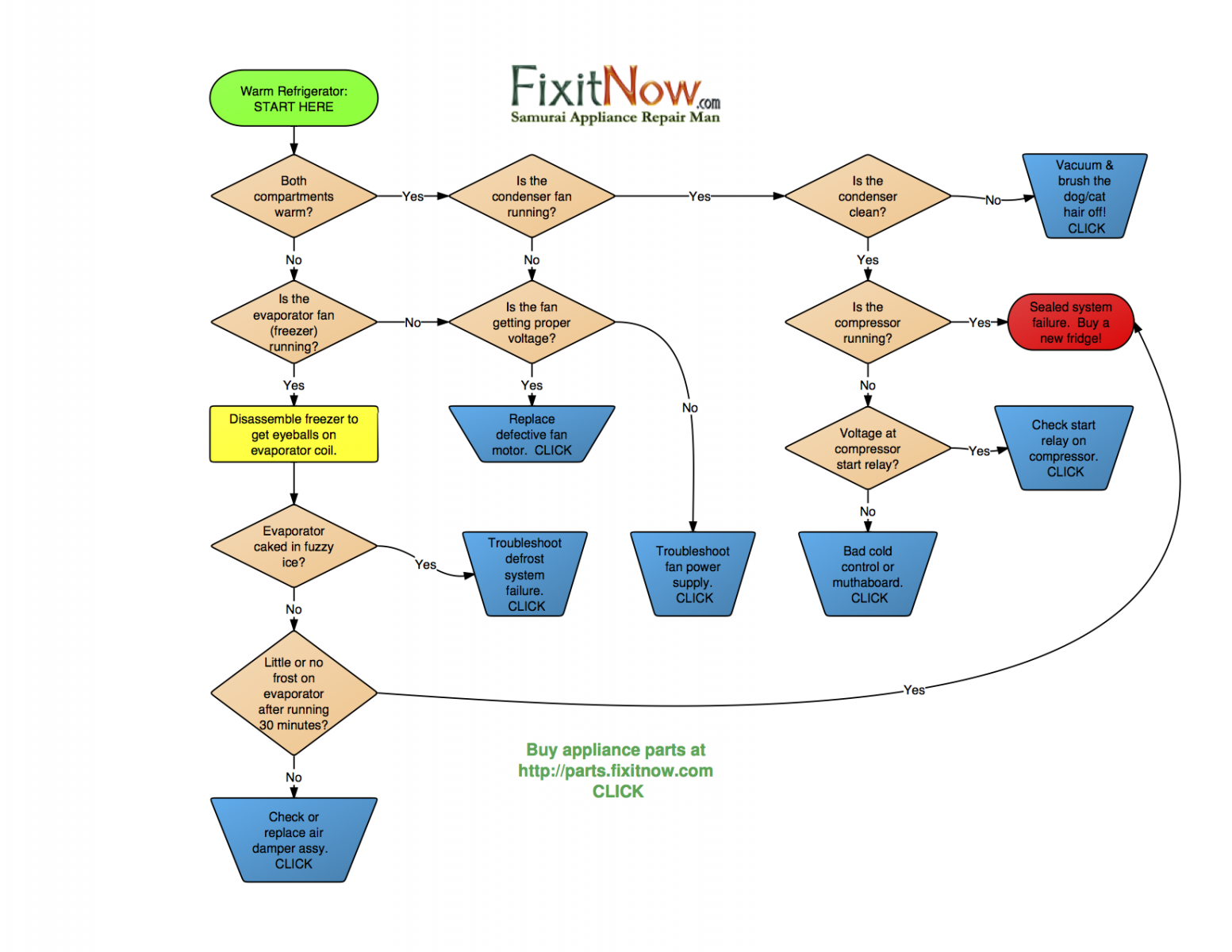
When your freezer starts making clicking noise, follow this troubleshooting flow:
- Pattern recognition: Is the clicking rhythmic (ice maker) or rapid/repetitive during cooling cycles (dual evaporator)?
- Water connection check: Verify if your refrigerator has a connected water line—if not, disable the ice maker
- Leveling test: Place a level on multiple spots of the refrigerator top—does the bubble stay centered?
- Temperature monitoring: Use a separate thermometer to check if freezer maintains consistent temperature
- Sound isolation: Press your ear against different sections to pinpoint the noise origin
Time-saving shortcut: Record the clicking sound with your smartphone and compare it to manufacturer sound samples online—many brands provide audio libraries of normal operational noises.
Prevent Future Clicking Issues
Regular maintenance prevents most freezer clicking noises before they develop:
- Quarterly leveling check: Floors shift over time—recheck appliance stability every 3 months
- Ice maker management: Disable the ice maker during extended vacations or when water supply is disconnected
- Clearance verification: Ensure 1-2 inches of space around the unit for proper airflow
- Vibration pads: Install anti-vibration pads under brake feet to absorb minor floor irregularities
Pro maintenance tip: Keep a small notebook near your refrigerator to log unusual sounds and their timing. This record proves invaluable if professional service becomes necessary, helping technicians diagnose issues faster.
Understanding your appliance’s normal operational sounds prevents unnecessary service calls. The clicking from a dual evaporator system switching modes, the hum of the compressor cycling, and subtle refrigerant flow sounds all represent typical freezer operation. By familiarizing yourself with these normal patterns, you’ll quickly recognize when your freezer making clicking noise requires action versus when it’s simply doing its job efficiently. Most clicking issues resolve with simple adjustments to ice maker settings or appliance leveling—saving you time, money, and unnecessary stress.