Why Did My Steak Turn Brown in the Freezer?
Finding your once-vibrant red steak turned brown in freezer storage creates immediate concern, but this common issue rarely means your meat has spoiled. That brown discoloration happens to nearly every home freezer owner who stores beef long-term, yet most people mistakenly toss perfectly safe steak because they don’t understand what causes the color change. The truth is, brown frozen steak is usually still safe to eat—you just need to know how to distinguish harmless oxidation from actual spoilage. This guide gives you the science-backed knowledge to make smart decisions about brown steak while teaching you how to prevent and address discoloration for better freezer results.
Why Your Frozen Steak Turns Brown
How Myoglobin Oxidation Changes Steak Color
Your steak’s red color comes from myoglobin, an iron-containing protein that binds oxygen and creates the appealing cherry-red appearance. When steak freezes, this protein undergoes a chemical transformation that turns it brown through oxidation. Specifically, the bright red oxymyoglobin gradually converts to metmyoglobin—a brown compound that cannot bind oxygen. This same chemical process causes apples to brown when cut or iron to rust when exposed to moisture.
Freezing doesn’t stop oxidation—it merely slows it down. At standard freezer temperatures around 0°F (-18°C), these chemical reactions continue at a reduced pace over months. Freezer burn dramatically accelerates discoloration by evaporating moisture from the meat’s surface, creating dry, oxidized patches that appear brown or gray. These damaged areas have lost both moisture and flavor compounds, explaining why even properly wrapped steak eventually develops brown spots during extended freezer storage.
What Makes Steak Brown Faster in Your Freezer
Several factors significantly speed up the browning process in your freezer. Light exposure, particularly from fluorescent bulbs, catalyzes oxidation through photoxidation—this is why grocery stores use special lighting on meat counters. Temperature fluctuations represent another major accelerator; every time your freezer temperature rises above optimal levels, oxidation reactions speed up proportionally. This is why placing steak in the freezer door—where temperatures vary most dramatically—is particularly detrimental to color retention.
Air exposure remains the single most significant factor in brown discoloration. Oxygen directly participates in the chemical reactions that convert red myoglobin to brown metmyoglobin. Steak wrapped loosely or in packaging that allows air circulation will brown much faster than steak in airtight containers. The initial quality of your steak also matters considerably—steak that was already beginning to brown at the butcher counter will continue deteriorating in your freezer. Similarly, steak that has undergone previous freeze-thaw cycles experiences accelerated color changes due to cellular damage from ice crystal formation.
How to Determine If Brown Steak Is Safe to Eat
Spotting the Difference Between Oxidation and Spoilage
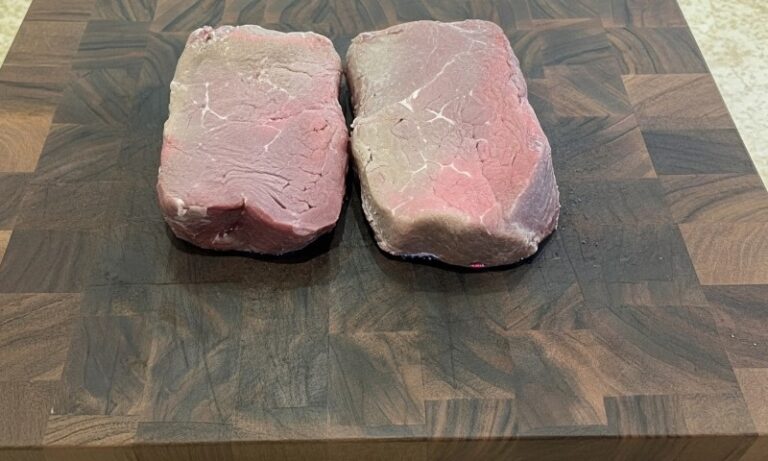
The critical question when discovering brown steak is whether the discoloration indicates harmless oxidation or dangerous spoilage. Oxidative discoloration—the gradual myoglobin change from red to brown—does not make steak unsafe to eat. The brown color is purely aesthetic and results from a natural chemical process that doesn’t involve bacterial growth. Spoiled steak, however, has developed dangerous bacteria and should never be consumed regardless of color.
Distinguishing between these conditions requires checking multiple indicators rather than relying on color alone. Properly stored brown steak will typically have a neutral or mildly meaty smell. Spoiled steak almost always produces off-odors described as sour, putrid, ammonia-like, or simply “wrong.” The texture provides another important clue: oxidized steak remains firm and normal-looking when thawed, while spoiled steak often feels slimy, tacky, or unusually soft. Packaging condition matters too—oxidized steak in intact packaging is far more likely to be safe than steak in damaged packaging that may have allowed bacterial contamination.
When Quality Declines Beyond Usability
From a strict food safety perspective, frozen steak remains safe to eat indefinitely as long as stored at 0°F or below. Bacteria cannot grow in frozen conditions, so “expiration dates” on frozen meat indicate quality rather than safety. The USDA recommends consuming frozen whole cuts of beef within 12 months for best quality, with ground beef having a shorter optimal window of 3-4 months. Beyond these periods, steak remains safe but progressively loses the qualities that make it enjoyable.
The appearance of brown discoloration signals that quality decline has already begun, even if the steak remains perfectly safe. Steak with uniform brown coloration throughout—rather than just surface browning—has typically been frozen for an extended period or experienced repeated air exposure. Such steak is safe to cook and eat if it passes the smell and texture tests, but you may need to adjust your preparation methods to achieve satisfactory results.
Prevent Steak Browning During Freezer Storage

Professional-Grade Packaging Techniques for Home Use
Preventing brown discoloration starts with eliminating oxygen exposure through proper packaging. Vacuum sealing represents the gold standard for preserving steak color and quality in the freezer. Home vacuum sealers have become increasingly affordable and can achieve packaging results comparable to commercial operations. When using vacuum sealing, ensure the steak is completely dry before packaging, as excess moisture can interfere with the seal.
If vacuum sealing isn’t available, use heavy-duty freezer wrap or freezer paper, layering multiple sheets around each steak and pressing firmly to eliminate air pockets. Seal edges with freezer tape designed to maintain adhesion at low temperatures. Alternatively, place the wrapped steak inside a freezer-quality zip-top bag and use the water displacement method: submerge the bag almost to the seal, squeeze out remaining air, then quickly zip shut. While not as effective as vacuum sealing, these methods significantly slow oxidation compared to standard plastic wrap.
Strategic Freezer Organization for Color Preservation
Maintaining a consistent freezer temperature of 0°F (-18°C) or below forms the foundation of effective color preservation. Position steak in the coldest zone—typically the back of the bottom shelf—away from the door where temperature variations are greatest. Never store steak in the freezer door compartments, as these areas experience the most dramatic temperature swings every time someone opens the refrigerator.
Organize your freezer to minimize temperature disturbances by grouping frozen items together—the mass of frozen products helps maintain low temperatures during brief door openings. Practice first-in-first-out rotation to ensure older steak gets used before newer purchases. Never place hot items directly in the freezer, as these raise the ambient temperature and can affect surrounding products. Allowing freshly purchased steak to cool in the refrigerator for a few hours before freezing reduces the thermal load on your freezer and helps maintain consistent temperatures.
How to Use Brown Steak Successfully
Appearance-Improving Techniques Before Cooking
Once steak has turned brown, the chemical changes causing discoloration cannot be reversed. However, brief re-exposure to oxygen sometimes allows surface myoglobin to regain a slightly redder hue. Unwrap the steak and let it sit at room temperature for 15-30 minutes before cooking—this works best with steak that has only recently turned brown. Only perform this technique immediately before cooking to avoid bacterial growth risks.
Marinating offers a dual-purpose solution for improving both appearance and flavor. Acidic marinades containing citrus juice, vinegar, or yogurt help break down muscle fibers while partially restoring surface color. Dark-colored marinades like teriyaki, barbecue sauce, or red wine-based marinades actively mask brown discoloration while adding moisture. For best results, marinate brown steak in the refrigerator for several hours, then cook promptly after removing from the marinade.
Cooking Methods That Compensate for Quality Loss

Always thaw brown steak completely in the refrigerator before cooking—this promotes even cooking and allows you to assess the meat’s condition. If short on time, use the cold water thawing method: submerge the sealed steak in cold water, changing the water every 30 minutes until thawed. Never thaw steak at room temperature, as this creates dangerous conditions for bacterial growth.
When cooking brown steak, consider methods that add moisture and compensate for potential drying. Pan-searing after a brief sous-vide cook produces excellent results through precise temperature control. Cutting brown steak into strips for stir-fry or fajitas works well because high heat and added sauces help mask any quality issues. For significantly degraded steak, consider slow-cooking methods like braising, which tenderizes tough meat and develops rich flavors regardless of initial appearance.
When to Discard Brown Frozen Steak
Recognizing Genuine Spoilage Warning Signs
While brown discoloration alone doesn’t indicate spoiled steak, certain accompanying signs should prompt you to discard the meat. Off-odors represent the most reliable indicator—fresh steak, even if brown, should have a relatively neutral meaty smell. Sour, putrid, ammonia-like, or simply “off” odors indicate bacterial growth. Trust your nose; if something smells wrong, it almost certainly is wrong.
Texture provides another critical quality indicator. Properly frozen and thawed steak should feel firm but yielding. Spoiled steak often feels slimy, tacky, or sticky even after thorough rinsing. Extremely dry, leathery, or powdery texture throughout the steak indicates severe freezer burn that has degraded the meat beyond reasonable quality. Package integrity matters too—if the packaging was damaged or significantly compromised, bacterial contamination may have occurred despite frozen temperatures.
Making Your Final Safety Decision
When evaluating brown steak from your freezer, use this systematic approach:
– First, check packaging for damage and ice crystal buildup
– Next, examine the steak’s color and distribution of brown discoloration
– Then perform the smell test immediately after opening the package
– Finally, assess texture by pressing gently on the meat
If all indicators suggest oxidation rather than spoilage, the steak is safe to eat after proper cooking. However, if multiple indicators suggest spoilage—or if you’re uncertain—it’s better to err on the side of caution. The cost of a steak is minor compared to potential foodborne illness. When in doubt, throw it out. For steaks that are safe but significantly degraded, reserve them for cooked dishes where additional ingredients can mask texture and flavor issues.