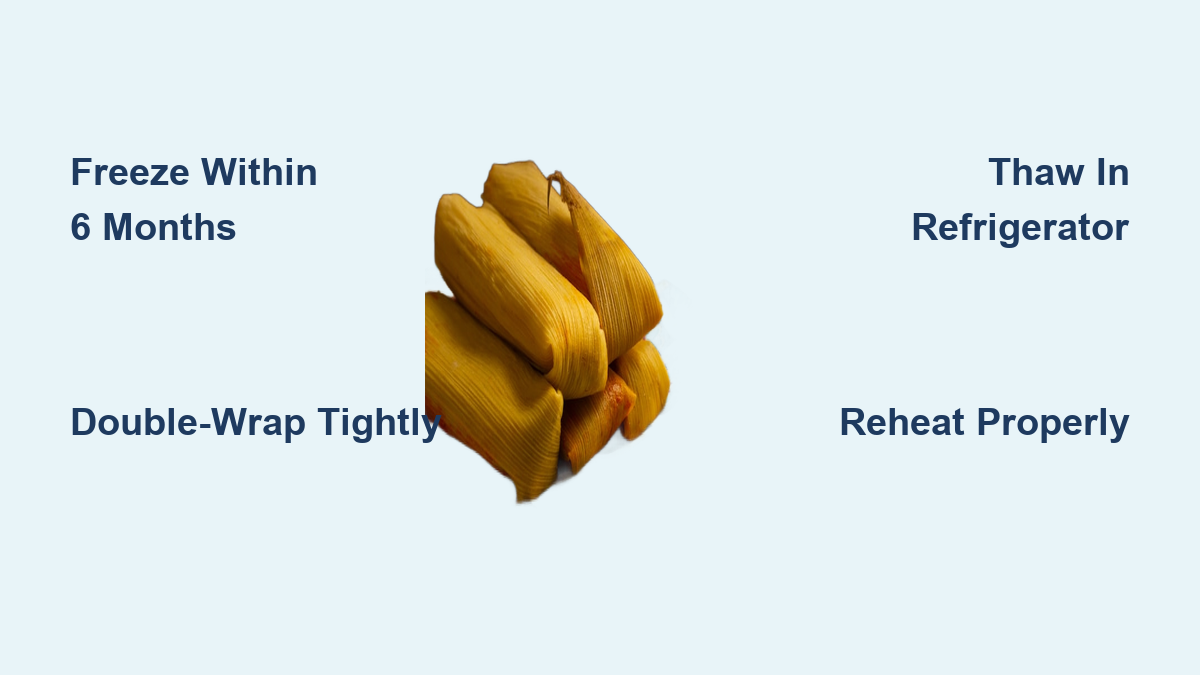
How Long Can Tamales Last in the Freezer
Finding yourself with more tamales than you can eat in one sitting? You’re not alone. Many home cooks and tamale enthusiasts face this delicious dilemma after preparing or purchasing a large batch. The good news is your freezer can be your best ally for preserving these traditional Mexican treats. When stored properly, tamales maintain their flavor and texture far longer than you might expect. In this guide, you’ll discover exactly how long your frozen tamales will stay fresh, the scientifically-backed storage methods that maximize shelf life, and crucial thawing techniques that prevent disappointing results. Whether you’ve just finished making a holiday batch or scored an amazing deal at your local mercado, understanding proper freezer storage means never wasting these masa masterpieces again.
Tamale Freezer Lifespan: What Food Science Reveals
Frozen tamales maintain peak quality for 4-6 months when stored using proper methods. While technically safe to eat beyond this timeframe, freezer burn and flavor degradation become increasingly likely after the six-month mark. The corn masa dough and fillings experience minimal texture changes during the first four months, but extended storage leads to moisture loss that affects the delicate balance between the steamed dough and savory fillings. Commercially prepared tamales often contain preservatives that extend their freezer viability to 8-10 months, but homemade versions without additives follow the standard 4-6 month guideline. Temperature consistency proves more critical than duration—fluctuating freezer temperatures accelerate quality deterioration regardless of how recently you stored your tamales.
Why Six Months Is the Quality Threshold
Food scientists identify six months as the practical limit for optimal tamale quality due to three key factors. First, the moisture content in both masa and fillings gradually migrates toward the surface, creating ice crystals that damage the food’s cellular structure. Second, the fats in meat fillings begin oxidation processes that create off-flavors, particularly noticeable in pork and beef varieties. Third, the corn husks or banana leaves used as wrappers lose their protective barrier properties over time, allowing more freezer air to interact with the food. You’ll notice these changes most dramatically when reheating—tamales stored beyond six months often separate from their wrappers and develop a slightly grainy masa texture.
Commercial vs. Homemade Tamale Freezer Durability
Commercially produced tamales typically outlast homemade versions in the freezer due to controlled production environments and ingredient formulations. Factory-sealed packages maintain consistent temperatures from production through retail, reducing initial ice crystal formation. Many commercial brands incorporate humectants like glycerin that bind water molecules, slowing moisture migration during frozen storage. Vacuum sealing removes oxygen that contributes to rancidity in meat fillings. In contrast, homemade tamales experience temperature fluctuations during the cooling phase before freezing and typically use traditional recipes without preservatives. While commercial tamales remain safe for 8-10 months, homemade versions deliver best results when consumed within 4-6 months of freezing.
Perfect Tamale Freezing Technique: Step-by-Step
Cooling Tamales Before Freezing: The Critical First Step
Never place warm tamales directly into your freezer—this creates condensation that leads to massive ice crystal formation. Allow tamales to cool completely at room temperature for 30-45 minutes after cooking, then transfer them to the refrigerator for 2-3 hours. This gradual cooling process prevents temperature shock that damages texture. Test for proper cooling by feeling the wrapper—if it’s no longer warm to the touch, it’s ready for freezing. Rushing this step traps steam inside the husk, which later freezes into large ice crystals that rupture the masa structure during storage.
Double-Wrapping Method for Maximum Protection
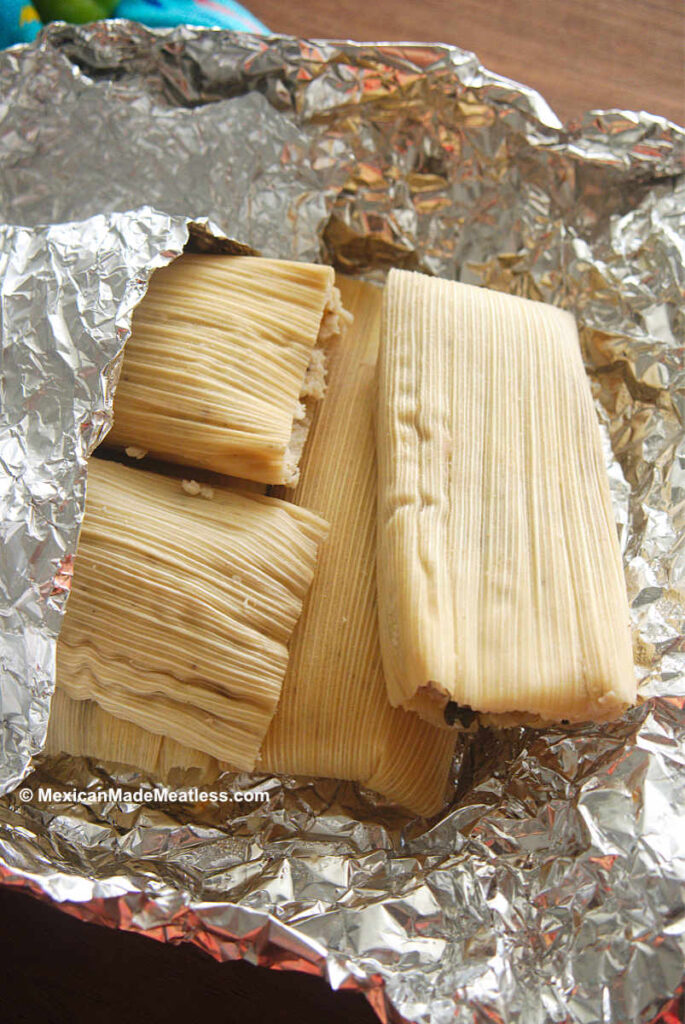
The double-wrap technique creates essential moisture barriers that prevent freezer burn. First, wrap each individual tamale tightly in plastic wrap, pressing out all air pockets—this primary layer protects against moisture loss. Then, add a secondary layer of aluminum foil, again ensuring no air remains trapped between layers. For extended storage beyond three months, consider adding a third layer by placing wrapped tamales in heavy-duty freezer bags with the air squeezed out. Professional kitchens often use vacuum sealers for commercial quantities, but the double-wrap method delivers excellent results for home storage. Remember to label each package with contents and freezing date using a permanent marker.
Tamale Thawing Methods That Preserve Texture
Overnight Refrigerator Thawing: The Gold Standard
Transfer frozen tamales to the refrigerator 24 hours before serving for optimal results. This gradual thawing process maintains the delicate moisture balance within the masa. Place tamales on a plate to catch any potential condensation, and keep them in their protective wrapping during thawing. The refrigerator’s consistent 34-40°F temperature prevents bacterial growth while allowing ice crystals to melt slowly without damaging the food’s structure. Avoid thawing at room temperature—this creates temperature zones where the outer layers enter the “danger zone” (40-140°F) while the center remains frozen, potentially allowing bacteria to multiply.
Emergency Thawing: Microwave Method Without Ruining Texture
When you need tamales fast, the microwave can work without turning them to mush. Remove all foil and plastic wrap first—never microwave tamale packaging. Place tamales on a microwave-safe plate and cover with a damp paper towel to maintain surface moisture. Use 30% power setting and heat for 2-minute intervals, checking after each cycle. Most frozen tamales require 4-6 minutes total microwave time depending on quantity. Stop heating while they still feel slightly cool in the center—residual heat will finish the process. Immediately return to steamer basket for 5-10 minutes to restore proper texture before serving.
Freezer Storage Mistakes That Ruin Tamales
Single-Layer Wrapping Leads to Disastrous Freezer Burn
Using only one protective layer guarantees freezer burn within weeks. Plastic wrap alone develops microscopic tears from freezer temperature fluctuations, while foil alone allows moisture migration through tiny pores. The critical mistake many home cooks make is assuming their freezer’s consistent temperature eliminates the need for multiple barriers. In reality, every time you open the freezer door, temperature variations occur that accelerate moisture loss. Professional food storage guidelines require at least two moisture barriers for high-moisture foods like tamales. Without proper wrapping, ice crystals form on the surface within the first month, drawing moisture from the masa and creating dry, crumbly texture when reheated.
Storing Warm Tamales Creates Internal Ice Damage
Placing even slightly warm tamales directly into the freezer creates immediate condensation inside the wrapper. As this moisture freezes, it forms large ice crystals that physically rupture the masa structure. You’ll recognize this damage when reheating—tamales appear watery with separated masa that doesn’t hold together. The critical temperature range for ice crystal formation occurs between 32-28°F, precisely where most home freezers operate. When warm food enters this environment, the rapid temperature drop creates larger, more damaging crystals than gradual freezing. Always follow the two-stage cooling process: room temperature until no warmth remains, then refrigerator for several hours before final freezing.
Tamale Freezer Storage Timeline: Month-by-Month Quality Guide

Months 1-2: Peak Flavor and Texture Period
During the first two months, properly frozen tamales retain nearly identical quality to freshly made versions. The masa maintains its characteristic soft-yet-firm texture, fillings stay moist and flavorful, and the corn husk wrapper remains intact during reheating. This period represents the ideal consumption window for both homemade and commercial varieties. No noticeable flavor degradation occurs, and reheating produces results indistinguishable from fresh tamales. Professional chefs consider this the “sweet spot” for frozen tamales—sufficient time for flavors to meld while maintaining optimal texture.
Months 3-4: Slight Texture Changes Begin
By the third month, subtle texture changes become noticeable to discerning palates. The masa may feel slightly denser, and meat fillings lose some of their initial juiciness. These changes remain minor for most home cooks, but culinary professionals detect the beginning of moisture migration. The corn husk wrappers maintain their integrity during reheating, but may separate slightly more easily from the masa. This period still delivers excellent results, especially if you restore moisture during reheating by adding a splash of broth to the steamer basket.
Months 5-6: The Quality Threshold
During months five and six, freezer storage effects become more pronounced. Masa develops a slightly grainy texture as starch molecules undergo retrogradation. Fillings, particularly cheese varieties, may separate slightly from the masa during reheating. The critical indicator of quality loss appears when steaming—tamales require 2-3 extra minutes of reheating time to reach proper serving temperature. While still safe to eat and enjoyable for most casual consumers, culinary enthusiasts will notice the difference compared to freshly made or recently frozen versions. This represents the practical limit for serving tamales at their best quality.
Tamale Freezer Storage Cheat Sheet
| Storage Duration | Texture Quality | Flavor Quality | Reheating Time | Best For |
|---|---|---|---|---|
| 0-2 months | Excellent | Perfect | Standard | All occasions |
| 3-4 months | Very Good | Slightly muted | +1-2 minutes | Regular meals |
| 5-6 months | Good | Noticeable change | +2-3 minutes | Casual consumption |
| 6+ months | Fair to Poor | Significant loss | +3+ minutes | Emergency use only |
Essential Tamale Freezer Maintenance Tips
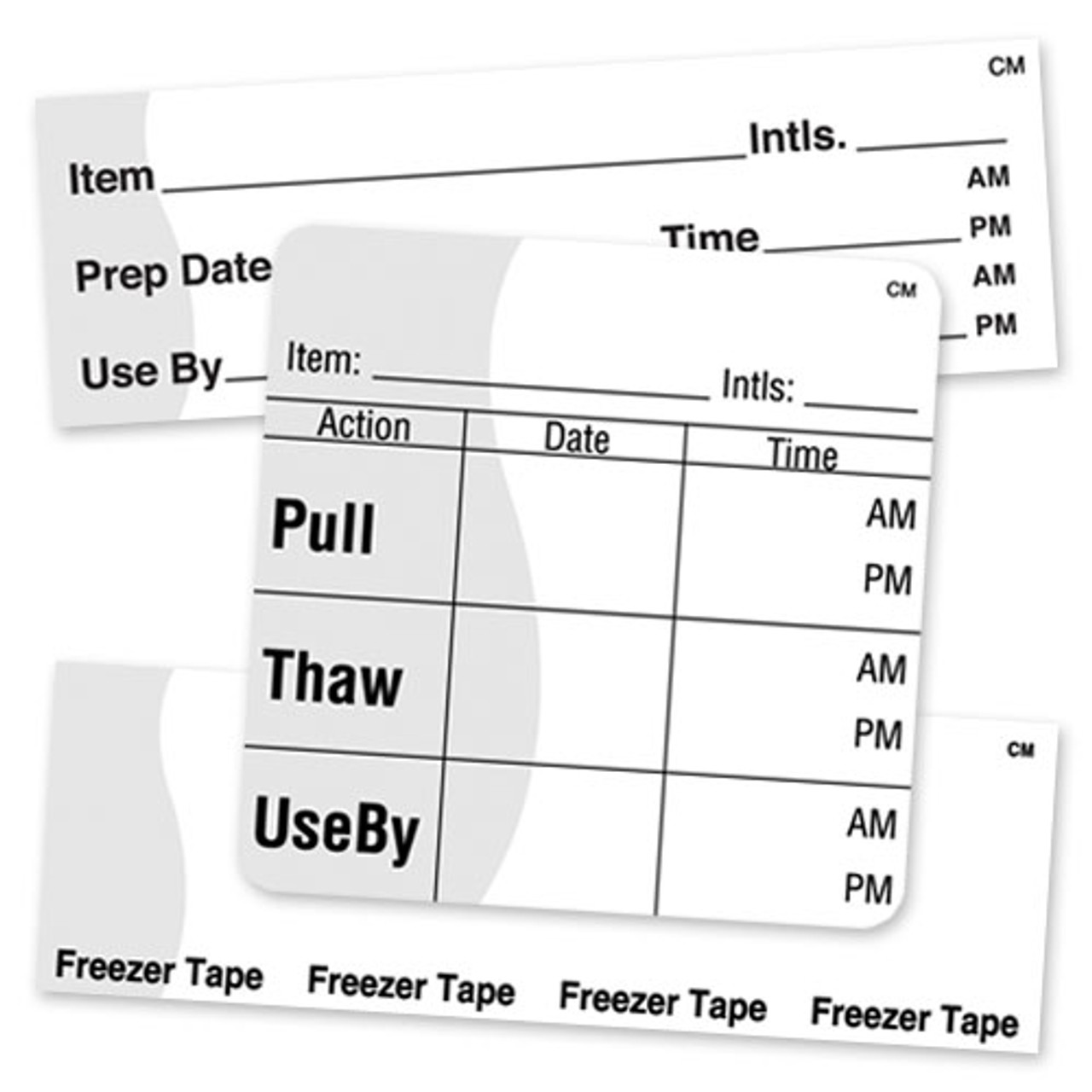
Rotate your tamale stock using the “first in, first out” principle—place new batches behind older ones. Check freezer temperature regularly with an independent thermometer to ensure it maintains 0°F or below. Organize tamales by filling type and date to prevent confusion later. Avoid overpacking your freezer, which restricts cold air circulation and creates temperature inconsistencies. Every three months, inspect stored tamales for signs of freezer burn—white, dry patches on the surface indicate moisture loss that affects quality. Most importantly, trust your senses: if tamales develop off odors after thawing or show significant discoloration, discard them regardless of storage duration.
Final Note: Properly frozen tamales deliver delicious results for up to six months when following these storage guidelines. The key to maintaining that fresh-from-the-steamer quality lies in meticulous wrapping, consistent freezer temperatures, and strategic thawing methods. By implementing these science-backed techniques, you’ll transform your freezer from mere storage space into a reliable extension of your tamale-making capabilities—ensuring you always have authentic, flavorful tamales ready whenever cravings strike.