How to Defrost Steak from Freezer Safely
You’ve planned the perfect steak dinner, only to realize your frozen cut needs thawing. Learning how to defrost steak properly is essential for preserving texture, flavor, and most importantly, food safety. Improper thawing creates a breeding ground for dangerous bacteria while compromising that juicy, tender quality you’re craving. Whether you’re working with a thick ribeye or a delicate filet mignon, understanding the right defrosting techniques ensures your steak cooks evenly and delivers restaurant-quality results at home. This guide covers every safe method approved by food safety experts so you never have to compromise between convenience and quality.
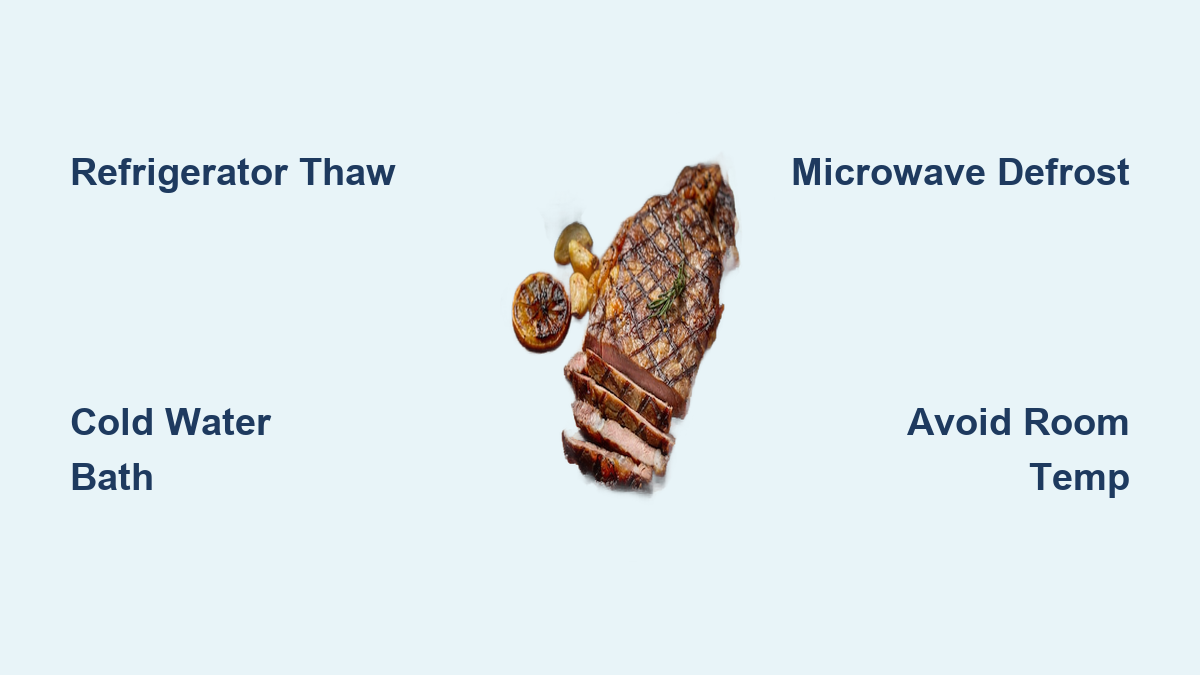
The three FDA-approved methods for defrosting steak—refrigerator, cold water, and microwave—each have specific use cases that balance time, safety, and quality. A properly thawed steak develops a beautiful crust when seared, retains its natural juices, and cooks evenly from edge to center. When you rush the process or use unsafe methods, you risk uneven cooking, dry spots, or worse—foodborne illness. Let’s explore each technique in detail so you can choose the best approach for your schedule without sacrificing quality or safety.
Refrigerator Method: Best Quality Results
The refrigerator method delivers superior results because it keeps your steak at a consistently safe temperature between 35°F and 40°F throughout the thawing process. This controlled environment prevents bacterial growth while allowing ice crystals within the meat to melt slowly and evenly. Unlike faster methods, refrigerator thawing preserves the steak’s cellular structure, minimizing moisture loss that leads to dry, tough results after cooking.
Plan ahead for this method, as timing depends on steak thickness. A standard 1-inch thick steak requires approximately 24 hours to thaw completely in the refrigerator. For thicker cuts like a 2-inch cowboy steak, allow 36-48 hours. Always place your steak on a plate or in a shallow container to catch any liquid that escapes during thawing—this prevents cross-contamination with other foods in your refrigerator and keeps your steak from sitting in its own juices.
The refrigerator method offers significant advantages beyond food safety. Once fully thawed, your steak can remain in the refrigerator for 3-5 days before cooking, giving you meal planning flexibility. The slow thaw preserves the meat’s natural tenderness and flavor better than any other method. When you’re not in a time crunch, this should be your default approach—it transforms frozen steak into a product that rivals fresh meat in quality.
Cold Water Speed Technique

When you’ve forgotten to plan ahead but still want quality results, the cold water method provides a safe middle ground between refrigerator thawing and microwave use. This technique works because water transfers heat approximately 25 times faster than air, significantly reducing thawing time while maintaining safe temperatures.
Begin by sealing your steak in a leak-proof plastic bag, pressing out as much air as possible. Submerge the bag completely in a large bowl or clean sink filled with cold tap water. Change the water every 30 minutes to maintain a consistently cold temperature—this is crucial because water that warms above 40°F enters the danger zone where bacteria multiply rapidly. A 1-inch steak typically thaws in 60-90 minutes using this method, while a thicker 2-inch cut may take 2-3 hours.
Never use warm or hot water to speed up the process, as this creates uneven thawing and dangerous temperature conditions. Check your steak periodically by gently pressing through the bag—the center should feel soft with no remaining icy spots. Once fully thawed, cook your steak immediately as the exterior has been exposed to slightly higher temperatures than with refrigerator thawing.
Microwave Defrosting Basics
When time is absolutely critical, the microwave offers the fastest thawing option, but requires careful monitoring to prevent partial cooking. This method works by emitting electromagnetic waves that excite water molecules within the meat, generating heat that melts ice crystals from the inside out.
Place your steak on a microwave-safe plate and select the defrost setting or reduce power to 30%. For a standard 1-inch thick, 12-16 ounce steak, begin with 3-4 minutes of defrosting time. Check progress frequently—pause every minute to flip or rotate the steak for even thawing. If you notice any areas feeling warm or beginning to cook (appearing gray or opaque), stop the microwave immediately.
The microwave method carries significant risks: edges can begin cooking while the center remains frozen, creating texture problems that affect searing and final quality. Always cook microwave-thawed steak immediately after defrosting—never return it to the refrigerator. This method works best for thinner cuts under 1 inch that will be cooked completely (not rare or medium-rare), as uneven thawing makes precise temperature control difficult.
Check Water Temperature Consistently
Maintaining proper water temperature is non-negotiable when using the cold water method. Water that exceeds 40°F creates an environment where harmful bacteria can multiply to dangerous levels in as little as 20 minutes. Your hand is a reliable initial temperature gauge—the water should feel distinctly cold but not painfully so.
Change the water every 30 minutes without exception, even if it doesn’t seem warm. As the steak thaws, it transfers heat to the surrounding water, gradually raising the temperature into the danger zone. Use a clean spoon to stir the water occasionally, promoting even temperature distribution. For extra assurance, keep a food thermometer nearby to verify the water stays at or below 40°F.
Consider placing the water bowl in your kitchen sink and running a slow trickle of cold water to maintain temperature without constant monitoring. This continuous cold water flow method works particularly well for larger cuts that require extended thawing time. Remember that food safety isn’t worth compromising—even an extra 15 minutes of monitoring prevents potential illness.
Seasoning During Defrosting Process
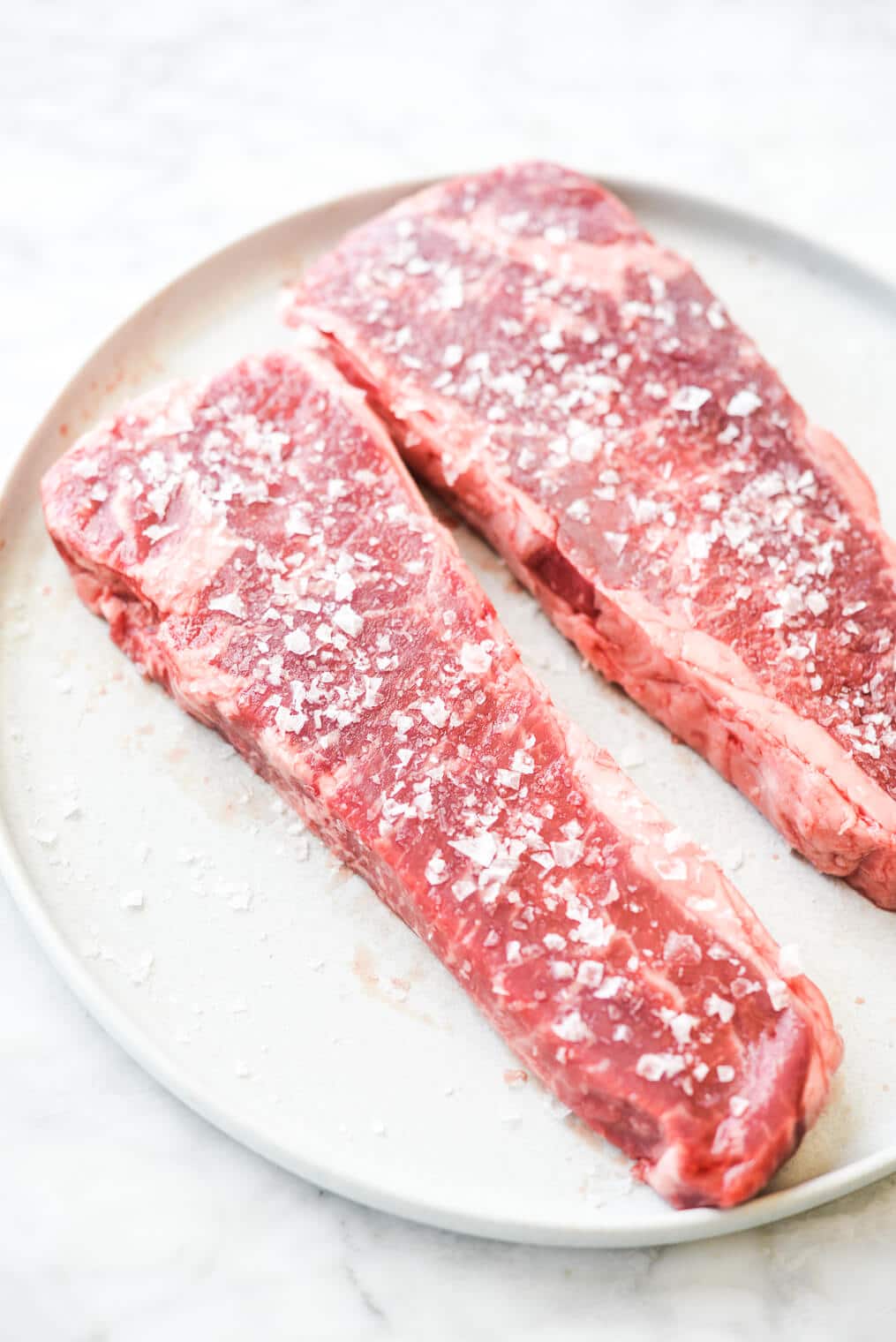
Many home cooks debate whether to season steak before or after thawing. For refrigerator thawing, applying salt 12-24 hours before cooking allows for “dry brining”—a process where salt draws out moisture, dissolves in it, then gets reabsorbed along with the liquid. This improves moisture retention during cooking and creates a more flavorful crust.
However, avoid seasoning during cold water or microwave thawing. Water submersion dilutes surface salt, while microwave thawing creates uneven moisture distribution that prevents proper seasoning absorption. For these faster methods, always season immediately before cooking.
When dry brining in the refrigerator, use approximately 1 teaspoon of kosher salt per pound of steak, rubbing it evenly over all surfaces. Place the salted steak on a wire rack over a plate to allow air circulation. The salt will initially draw out moisture, which will then be reabsorbed along with the seasoning—this process takes about 45 minutes to complete. Pat the surface dry before cooking to ensure optimal searing.
Avoid Refreezing Thawed Steak

Never refreeze raw steak that has been thawed using cold water or microwave methods—these techniques expose the meat to temperatures that encourage bacterial growth, making refreezing unsafe. Even refrigerator-thawed steak should not be refrozen unless absolutely necessary, as each freeze-thaw cycle damages the meat’s cellular structure, leading to significant moisture loss and texture degradation.
If you’ve thawed more steak than you can use, cook the excess immediately and then freeze the cooked portions. Cooked steak maintains quality much better through freezing and thawing cycles than raw meat. Store cooked steak in airtight containers or heavy-duty freezer bags with as much air removed as possible. Properly stored, cooked steak remains safe to eat for 2-3 months in the freezer.
When freezing cooked steak, cool it completely before packaging to prevent condensation that creates ice crystals. Label packages with contents and date, and always thaw cooked steak in the refrigerator when you’re ready to eat it. Reheat gently to preserve moisture—avoid high-heat methods that would further dry the meat.
Quick Tips for Better Defrosting Results
Always remove steak from its original supermarket packaging before thawing, especially when using refrigerator or cold water methods. These packages often contain absorbent pads that can leach chemicals when exposed to melting ice. Transfer your steak to a clean, sealed bag or container before beginning the thawing process.
For the fastest refrigerator thaw, place your steak on a metal baking sheet—metal conducts cold more efficiently than plastic or glass, speeding up the thawing process by up to 25%. Keep your refrigerator temperature at or below 40°F for optimal safety and performance.
When using cold water thawing for multiple steaks, separate them into individual bags rather than submerging a stack. This ensures even water circulation around each piece, preventing uneven thawing. For exceptionally thick cuts (over 2 inches), consider partially thawing in the refrigerator first, then finishing with cold water to reduce total thawing time.
Final Notes on Steak Defrosting
Mastering how to defrost steak properly transforms a potentially risky kitchen task into a reliable component of your cooking routine. The refrigerator method consistently delivers the best quality and maximum safety, making it your ideal choice whenever you can plan ahead. When time becomes critical, the cold water method provides a safe compromise that preserves quality better than microwave thawing.
Always prioritize temperature control—keeping meat below 40°F during thawing prevents dangerous bacterial growth. Never leave steak sitting on the counter to thaw at room temperature, a common mistake that puts your health at risk. By following these methods and understanding the science behind safe thawing, you’ll consistently achieve tender, flavorful results that make your steak dinners truly special.
Remember that great cooking starts long before the steak hits the pan. Taking the time to thaw properly ensures even cooking, better searing, and maximum juiciness. Whether you’re preparing a simple weeknight dinner or hosting a special occasion, proper defrosting techniques make all the difference between an ordinary meal and an extraordinary culinary experience.