How to Fix Frozen Freezer Coils | Quick Repair Guide
Discovering a layer of ice covering your freezer’s interior walls or finding your food partially thawed despite the compressor running constantly signals a serious issue with your appliance. Frozen evaporator coils prevent your freezer from maintaining proper temperatures by acting as an insulator that blocks heat transfer. When this happens, your freezer works harder while delivering poorer performance, wasting energy and risking food spoilage. Learning how to fix frozen freezer coils can save you hundreds in service calls and prevent costly food loss. This guide provides the exact steps to diagnose and repair the most common causes of frozen coils in home freezers and refrigerator-freezer units.
Spot Early Warning Signs of Frozen Coils
Don’t wait until your freezer completely fails before addressing coil issues. Recognize these critical warning signs that indicate developing coil problems. Visible frost buildup on the interior walls or ceiling, particularly if it’s thicker than a quarter-inch, means your defrost system isn’t operating properly. Water pooling on the floor beneath your freezer reveals that meltwater from excessive frost is overflowing the drainage system.
Listen for unusual compressor behavior—continuous running without reaching the set temperature indicates ice buildup is blocking normal cooling. In severe cases, you might notice rising interior temperatures despite constant compressor operation, with food beginning to thaw after previously staying frozen. If your freezer door becomes difficult to open due to ice buildup around the edges, this confirms significant frost accumulation that requires immediate attention.
Diagnose Why Your Freezer Coils Freeze Over
Understanding the root cause prevents wasted time replacing unnecessary parts. The most common culprit is defrost system failure, which normally melts frost before it accumulates. This system includes three critical components: the defrost timer, heater, and thermostat. When any of these fail, frost builds unchecked on the coils.
Door seal problems let warm, humid air enter each time you open the freezer. This moisture instantly freezes on the cold coils, overwhelming the defrost system’s capacity. Check for tears, cracks, or compression damage on your gasket—if light shines through when the door is closed, you have a leak. Blocked air vents or an overfilled freezer restrict airflow, causing uneven frost distribution that leads to complete coil blockage.
Why Your Defrost Timer Might Be Failing
The defrost timer controls when your system enters defrost mode, typically every 8-12 hours of compressor runtime. If it fails to advance properly, your coils never get defrosted. To check your timer:
- Locate the timer (often in the refrigerator compartment ceiling or base panel)
- Unplug the appliance for safety
- Use a flathead screwdriver to slowly turn the timer clockwise
- Listen for a loud click indicating it switched to defrost mode
- Wait 5-10 minutes—you should hear a second click as it returns to cooling mode
If you don’t hear both clicks or the heater doesn’t activate during defrost mode, replace the timer. Most homeowners complete this repair in under 30 minutes with basic tools.
Test Defrost Heater Function with Multimeter
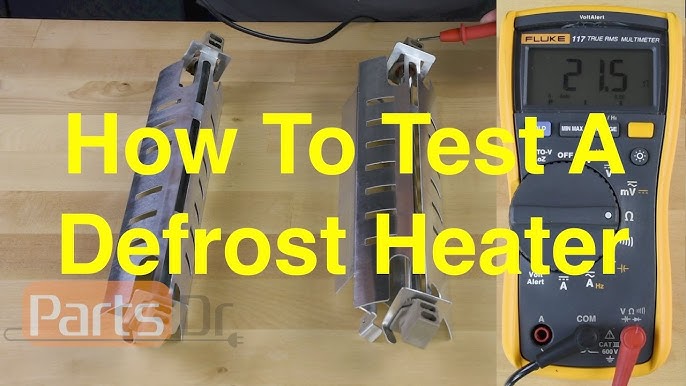
The defrost heater melts frost during each defrost cycle but often fails first in the system. Testing requires accessing the evaporator coil assembly behind the freezer’s rear panel:
- Unplug the appliance and remove all contents
- Take out shelves and drawers blocking panel access
- Remove screws securing the rear panel
- Locate the heater assembly along the coils
- Disconnect electrical leads and set multimeter to resistance mode
- Touch probes to heater terminals—expect 10-100 ohms resistance
Critical warning: Never test with power connected! If your meter shows infinite resistance (OL), the heater has failed and needs replacement. When ordering a new heater, verify the exact part number for your model—using the wrong resistance value causes incomplete defrosting.
Verify Defrost Thermostat Operation
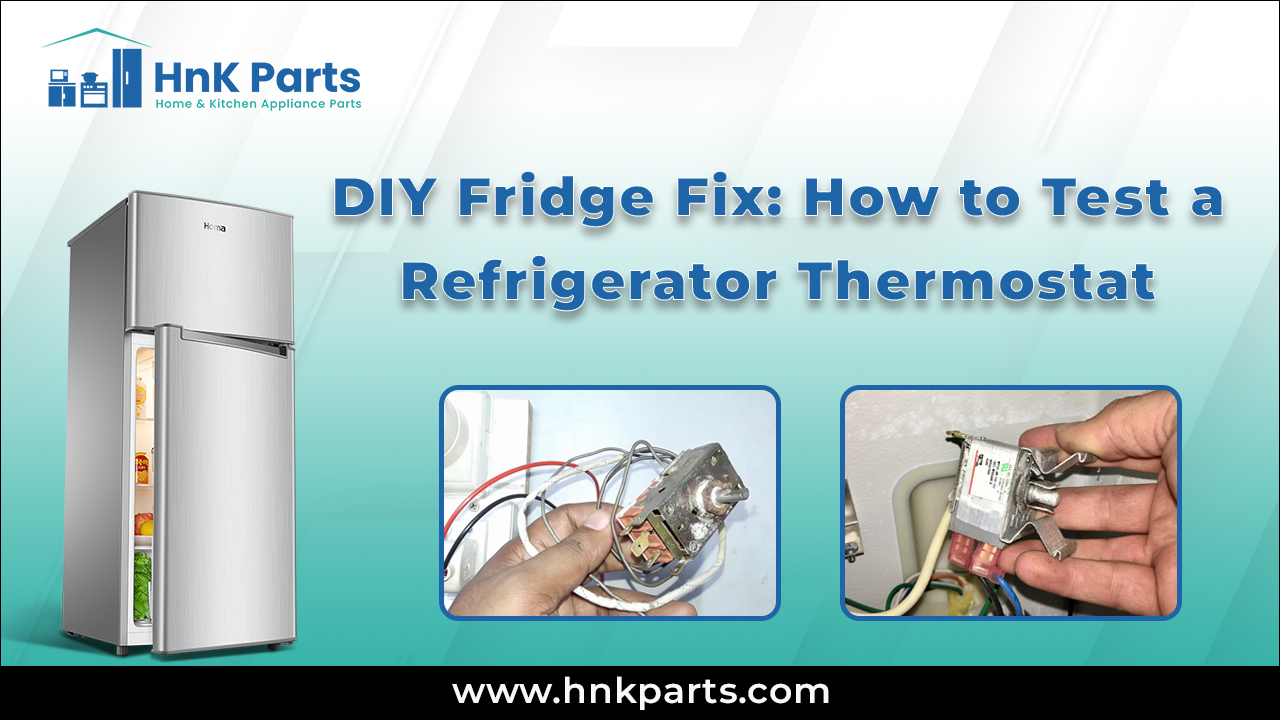
This small disc-shaped component mounted on the coils ensures the heater only activates when needed. It prevents defrosting when coils are warm and stops the cycle once coils reach 37-45°F. To test:
- Access the thermostat (usually clipped to coil tubing)
- Disconnect wires and set multimeter to continuity mode
- Check for continuity when thermostat is cold—it should connect
- Warm the thermostat with your hands—continuity should break
If the thermostat fails to change states appropriately, replace it. Ensure the new thermostat makes direct contact with the coil surface during installation—poor thermal contact causes improper cycling.
Fix Door Seal Leaks Causing Ice Buildup
A compromised door gasket allows humid air to flood your freezer each time you open the door. Perform the dollar bill test around the entire door perimeter—close the bill in the seal and try to pull it out. If it slides freely at any point, you have a leak.
Common mistake: Many homeowners replace the entire gasket when only a section is damaged. Try these fixes first:
– Clean gasket and channel with mild soap and water
– Apply petroleum jelly to stiff gasket sections
– Use a hair dryer on low to soften hardened rubber
– Re-seat gasket in its channel if partially dislodged
Replace the gasket if you find tears, permanent compression, or if the dollar bill test fails at multiple points. Proper installation is crucial—start at one corner and work around the door, ensuring full seating in the channel.
Clear Airflow Blockages Restricting Cooling
Blocked vents or an overfilled freezer restricts air circulation, causing uneven frost patterns. Check these airflow problem areas:
- Interior vents blocked by food containers
- Overstuffed shelves preventing air movement
- Ice accumulation around evaporator fan
- Failed evaporator fan motor (listen for operation)
Pro tip: Maintain 2 inches of space between stored items and freezer walls. If your evaporator fan has stopped working, test it with a multimeter for continuity. Replace the fan if it shows no continuity or if blades are obstructed by ice.
Perform Emergency Manual Defrost Correctly
When ice buildup is severe, a manual defrost restores functionality before repairs. Do this properly to avoid damaging your appliance:
- Unplug the freezer and remove all contents
- Place towels around the base to catch meltwater
- Leave doors open—never use sharp tools to chip ice
- Speed melting with bowls of hot water inside (replace as they cool)
- Use a hair dryer on low setting from a safe distance (keep away from water)
Critical warning: Never use knives or ice picks! Puncturing the refrigerant lines causes expensive sealed-system damage. The defrost process takes 3-6 hours depending on ice thickness—be patient.
Replace Defrost Timer in 4 Simple Steps
- Unplug appliance and locate timer housing
- Remove access panel and note wire connections (photograph for reference)
- Disconnect wires and remove mounting screws
- Install new timer and reconnect wires exactly as original
After replacement, monitor your freezer for 24 hours. It should enter defrost mode approximately every 8 hours, with the heater warming the coils for 20-30 minutes.
Prevent Future Freezer Coil Freezing
After repairs, implement these maintenance practices to prevent recurrence:
- Weekly: Wipe interior surfaces with dry cloth to remove moisture
- Monthly: Check door seal with dollar bill test
- Quarterly: Vacuum condenser coils at back or bottom of unit
- Annually: Inspect defrost drain for clogs
Pro tip: Never place hot food directly in the freezer—it introduces excess moisture. Allow items to cool to room temperature first, and ensure containers are tightly sealed.
Know When to Call a Professional Technician
Some issues require professional expertise. Contact a technician if:
- You’ve replaced all defrost components but icing continues
- Refrigerant lines show oil stains (indicating leaks)
- Defrost control board appears damaged
- Repair costs exceed 50% of a new unit’s price
Critical warning: Refrigerant system repairs require EPA certification. Attempting DIY sealed-system repairs violates federal law and creates environmental hazards.
By following these steps on how to fix frozen freezer coils, you’ll restore proper operation to your appliance and prevent future icing problems. Regular maintenance keeps your defrost system functioning efficiently, saving energy and protecting your frozen food investment. Remember that most frozen coil issues stem from simple component failures you can diagnose and repair yourself with basic tools and this guide.