Best Freezer Temperature Settings (2026 Guide)
Ever pulled out your favorite ice cream only to find it rock-hard and impossible to scoop? Or discovered freezer-burned chicken that’s lost all its flavor? You’re not alone. Most homeowners don’t realize that setting the correct freezer temperature directly impacts food safety, quality, and your wallet. The magic number that solves all these problems is simpler than you think. At 0°F (-18°C), your freezer creates the perfect environment to stop bacterial growth while preserving food texture and nutrients. This precise temperature isn’t arbitrary—it’s the scientifically proven sweet spot recommended by food safety experts worldwide. When you maintain this setting consistently, you’ll notice dramatic improvements in how your frozen foods taste, how long they stay fresh, and even your electricity bill. In this guide, you’ll discover exactly why 0°F matters, how to verify your freezer hits this target, and practical steps to maintain optimal conditions for every type of frozen food you store.
Why Your Freezer Must Hit Exactly 0°F for Safe Food Storage
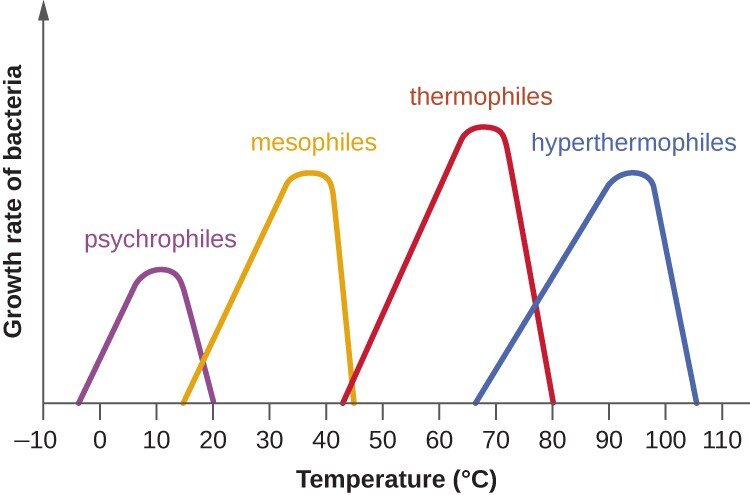
Setting your freezer to precisely 0°F (-18°C) creates the ideal conditions for stopping harmful bacteria in their tracks. Unlike refrigerators that merely slow bacterial growth, freezers at this temperature completely halt microbial activity. This means pathogens like salmonella and E. coli can’t multiply or produce toxins that cause foodborne illness. While freezing doesn’t eliminate bacteria, it renders them dormant—like pressing pause on a dangerous process. This is especially critical for foods you might store for months, such as meats and prepared meals.
The texture benefits of 0°F are equally impressive. At this temperature, water molecules freeze rapidly into microscopic crystals that preserve food’s cellular structure. Think of it like flash-freezing delicate produce at peak freshness—when you thaw your strawberries or chicken breasts later, they’ll retain their original texture and juiciness. Warmer temperatures create larger ice crystals that puncture cell walls, resulting in mushy, waterlogged food after thawing. Your freezer’s temperature dial might tempt you to set it colder “just to be safe,” but this wastes energy without improving food quality.
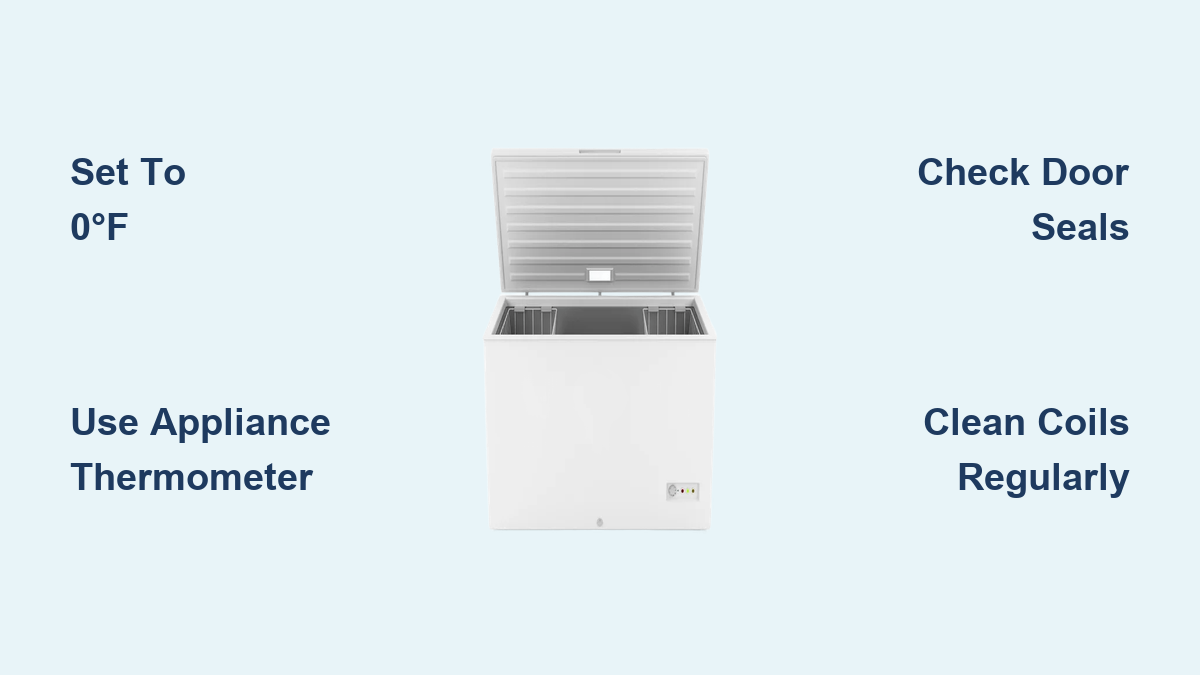
How do you know if your freezer actually maintains 0°F? Many built-in thermometers drift over time. Place a standalone appliance thermometer in a cup of water (which mimics food temperature better than air readings) and check it after 24 hours. If it reads above 0°F, adjust the thermostat one setting colder and wait another day before retesting. This simple verification process takes just minutes but ensures you’re protecting your family’s health and your grocery investment.
Critical Warning Signs Your Freezer Temperature Is Too Warm
Recognizing Dangerous Temperature Fluctuations
Your freezer might seem cold, but subtle temperature changes can compromise food safety without obvious warning. Excessive frost buildup exceeding 1/4 inch signals serious trouble—this ice acts like insulation, forcing your compressor to work harder while failing to maintain safe temperatures. Check door seals by closing a dollar bill in the door; if you can pull it out easily, warm air is infiltrating your freezer every time the door opens.
Food Texture Changes That Signal Temperature Problems
Pay close attention when thawing frozen items. If meats release excessive liquid or vegetables turn mushy, your freezer likely operates above 0°F. These textural changes indicate large ice crystals have damaged cellular structures during storage. Conversely, if ice cream requires a hammer to scoop or frozen juices turn into solid blocks, your freezer might run too cold—wasting energy without food safety benefits.
The Smell Test: When Odors Indicate Temperature Abuse
A properly functioning freezer should have little to no odor. Persistent sour, rancid, or chemical smells signal food deterioration from temperature fluctuations. While freezer burn (those dry, white patches on food surfaces) remains safe to eat after trimming, it indicates air exposure combined with inconsistent temperatures. Don’t ignore these sensory warnings—they’re your first line of defense against wasted food and potential illness.
How to Accurately Measure Your Freezer Temperature in 3 Steps
Step 1: Choose the Right Thermometer
Skip your freezer’s built-in display—use a standalone appliance thermometer designed specifically for freezer temperatures. Digital models with external displays let you monitor without opening the door, while simple dial thermometers work well when placed correctly. For the most accurate reading, place your thermometer in a small container of water rather than leaving it exposed to air.
Step 2: Position for Precision
Place one thermometer in the front center of your freezer (where temperature fluctuations are most noticeable) and another near the back wall (typically the coldest spot). Avoid positioning near vents or door shelves where temperatures vary significantly. Allow at least 24 hours after any adjustment before taking measurements—freezers need time to stabilize.
Step 3: Verify and Adjust
Check readings at different times of day, especially after door openings. If temperatures consistently read above 0°F:
– Clean condenser coils (dust buildup reduces efficiency)
– Check door seals for damage or debris
– Reduce how often you open the freezer
– Ensure proper clearance around the unit (2-3 inches at back)
– Adjust thermostat one setting colder and retest after 24 hours
Special Food Storage Requirements at 0°F
Ice Cream’s Perfect Temperature Zone
While 0°F works for most foods, ice cream achieves ideal scoopability between 0°F and 5°F. If your frozen treats turn into concrete blocks, try moving them to the door shelf where temperatures run slightly warmer. Never store ice cream in the coldest spots like the back wall or bottom shelf—this wastes the texture benefits of proper freezing.
Maximizing Meat and Fish Quality
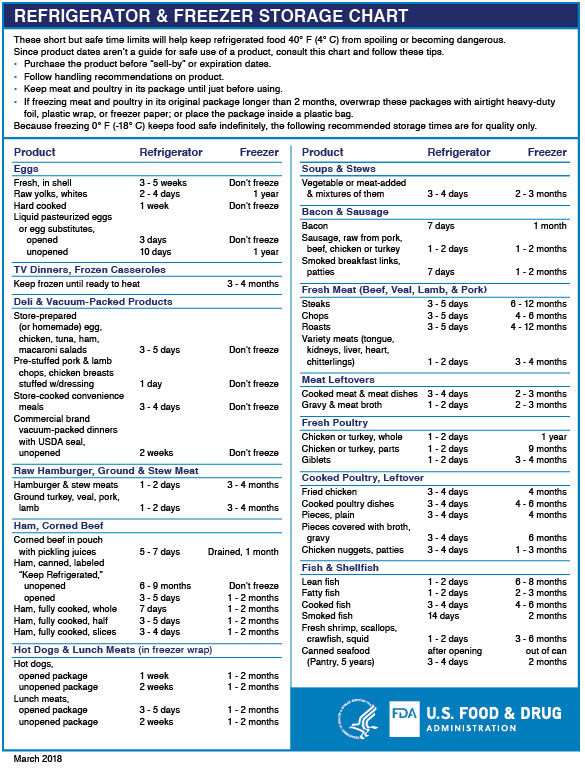
Raw proteins benefit from rapid freezing at 0°F or below. Many freezers feature a “fast freeze” mode that temporarily drops temperatures to lock in quality. Use this function when adding fresh meat to your freezer, then return to standard 0°F settings once items are solidly frozen. Ground meats maintain best quality for 3-4 months, while steaks and chops stay fresh for 4-12 months at this temperature.
Breast Milk and Medical Storage Guidelines
For nursing mothers, the CDC recommends storing breast milk at exactly 0°F for up to 12 months, with optimal quality maintained for 6 months. This precise temperature preserves immunological properties while preventing bacterial growth. Designate a specific section in your freezer’s coldest zone for medical storage items to ensure consistent conditions.
Energy-Saving Tips for Maintaining Perfect Freezer Temperature

The Hidden Cost of Overcooling
Every degree below 0°F increases energy consumption by 0.5-1% without improving food safety. For most households, this translates to $5-15 extra annually per degree of unnecessary cold. Modern freezers maintain 0°F efficiently—no need to crank the dial to “max” thinking it provides extra protection. You’re just paying to freeze the air itself.
Optimal Placement for Consistent Performance
Your freezer’s location dramatically impacts its ability to maintain 0°F. Ensure proper ventilation with:
– 2-3 inches of clearance at the back
– 1-2 inches on each side
– 12 inches of space above the unit
– Placement in rooms between 60-80°F
Avoid garages or unheated spaces where extreme temperatures force your freezer to work harder. If you must place it in such areas, consider a garage-ready model designed for wider ambient temperature ranges.
Troubleshooting Common Freezer Temperature Problems
When Your Freezer Won’t Reach 0°F
If your thermometer consistently reads above 0°F despite adjustments:
– Check for frost buildup requiring defrosting (common in manual-defrost models)
– Listen for compressor operation—if silent, the unit isn’t cooling
– Clean condenser coils with a soft brush or vacuum
– Verify proper door seal function using the dollar bill test
– Ensure you’re not overfilling or underfilling the freezer (70-85% full is ideal)
Fixing Temperature Swings
Frequent temperature fluctuations often stem from:
– Leaving the door open too long while searching for items
– Adding large quantities of warm food without pre-cooling
– Blocked air vents inside the freezer compartment
– Faulty defrost sensors in frost-free models
– Thermostat placement near door openings
Implement the “two-minute rule”—never keep your freezer door open longer than absolutely necessary. This simple habit prevents warm air infiltration that forces your compressor to work overtime.
Essential Maintenance for Long-Term Temperature Consistency
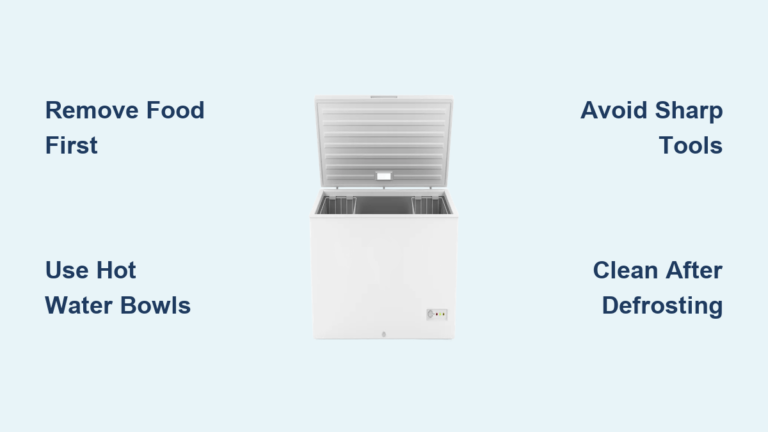
Defrost manual-freezers when ice buildup exceeds 1/4 inch—this frost layer insulates against cold air. Clean door seals monthly with mild soap and water to maintain airtight closure. Vacuum condenser coils every six months to remove dust that reduces cooling efficiency. Check freezer level annually using a bubble level—uneven positioning causes door seal gaps that compromise temperature stability.
By maintaining your freezer at precisely 0°F, you’ll extend food quality, prevent waste, and protect your family’s health. This simple adjustment transforms your freezer from a basic appliance into a powerful food preservation system. Start measuring your actual temperature today—you might be surprised how close (or far) you are from perfect frozen food storage. Remember, consistency matters more than occasional perfection—regular monitoring and minor adjustments keep your freezer performing at its best year-round.