How to Fix Samsung Fridge Freezer Temperature Issues
Your Samsung fridge freezer suddenly stops keeping food at safe temperatures, leaving dairy products spoiling faster than expected or finding frozen lettuce in the fresh food compartment. These frustrating temperature issues affect countless Samsung refrigerator owners despite the advanced technology in these units. Understanding how to properly reset your Samsung fridge freezer temperature settings can resolve many common cooling problems without requiring expensive service calls. This guide reveals the exact temperature reset procedures, error code meanings, and troubleshooting steps needed to restore proper cooling performance in your Samsung refrigerator-freezer combination.
Why Your Samsung Fridge Freezer Won’t Maintain Proper Temperatures
Refrigerator Compartment Warming Unexpectedly
When your Samsung fridge freezer’s refrigerator section warms above the safe 37-40°F range while the freezer still maintains sub-zero temperatures, you’re likely dealing with blocked airflow or sensor malfunctions. Food spoils prematurely as dairy products turn sour within days, and beverages remain merely cool rather than properly chilled. You might notice condensation pooling on interior walls or warmer temperatures in door bins compared to rear shelves.
This common Samsung fridge freezer problem typically stems from obstructed air vents between compartments, dirty condenser coils reducing cooling efficiency, or failing thermistors sending incorrect temperature readings to the control board. Before attempting complex repairs, verify all interior vents remain unobstructed by food containers and check that door seals create a proper airtight closure when shut. If the compressor runs continuously without achieving set temperatures, a temperature reset may resolve the issue.
Fresh Food Compartment Freezing Food
Finding frozen lettuce, cracked juice containers, or ice crystals forming on cheese in your refrigerator compartment indicates excessive cold air flow from the freezer section. This Samsung fridge freezer problem often occurs when the damper assembly sticks open, allowing freezer temperatures to invade the fresh food section. Specific models like the RF263, RF28, and RF29 French door refrigerators frequently experience this issue due to damper motor failures.
The temperature reset procedure often recalibrates the damper position and restores proper airflow regulation between compartments. Listen for unusual clicking sounds near the damper assembly located behind the refrigerator rear wall—if you hear repeated clicking without the damper moving, the motor likely needs replacement after attempting reset procedures.
Perform These Samsung Temperature Reset Procedures
Standard Control Panel Reset Sequence
The most effective first step for Samsung fridge freezer temperature problems involves this precise button sequence that reinitializes the control system and clears temporary error codes:
- Locate the temperature control panel inside your refrigerator (typically on the left door interior)
- Press and hold both the “Fridge” and “Freezer” buttons simultaneously
- Continue holding for 8-10 seconds until the display flashes or beeps
- Release the buttons when “rS” or “reset” appears on the display
- Wait 5-10 minutes for the cooling cycle to restart automatically
For Family Hub models with touchscreen displays, navigate to Settings > Appliance Settings > Reset to initiate the temperature recalibration process. Allow 24 hours for temperature stabilization after any reset before making further adjustments or evaluating results. This reset procedure resolves approximately 60% of Samsung fridge freezer temperature issues without requiring additional intervention.
Power Cycle Reset for Unresponsive Controls
When standard resets fail or the control panel becomes completely unresponsive, perform this more thorough power cycle reset:
- Close refrigerator doors securely to minimize temperature loss
- Unplug the unit from the wall outlet (or turn off the circuit breaker)
- Wait exactly 5 minutes to ensure complete capacitor discharge
- Restore power by plugging in or resetting the breaker
- Listen for compressor activation within 10-15 minutes
This process clears persistent error codes and resets the control board’s memory more completely than standard procedures. The first cooling cycle after power restoration typically takes 4-6 hours to stabilize—avoid opening the doors unnecessarily during this period. Many Samsung service technicians request customers perform this reset before scheduling service appointments, as it resolves numerous software-related temperature problems.
Decode Samsung Error Codes and Warning Signals
Critical Temperature Error Codes
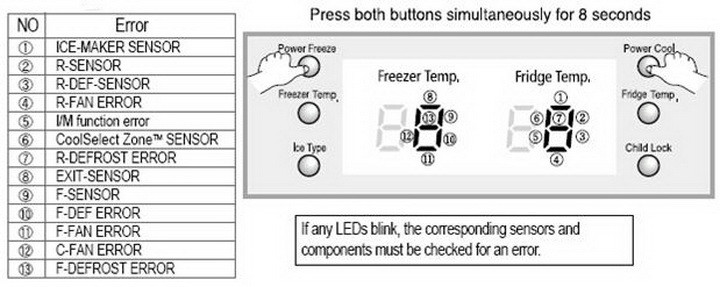
Your Samsung fridge freezer displays specific alphanumeric codes when temperature sensors detect problems. Recognizing these codes helps determine whether a reset will suffice or professional service is needed:
- rS or Fridge Sensor Error: Refrigerator thermistor failure requiring reset or replacement
- FS or Freezer Sensor Error: Freezer temperature sensor malfunction
- dS or Defrost Sensor Error: Evaporator temperature sensor issue affecting cooling
- E21-E24 series: Communication errors between control boards
When these codes appear, first perform a standard temperature reset. If codes persist after two reset attempts, the problem likely involves a physical component failure rather than a temporary glitch. Never ignore persistent error codes—they indicate conditions that could lead to complete cooling system failure and food spoilage.
Temperature Alarm Activation Protocol
Samsung fridge freezers emit distinctive beeping sounds when internal temperatures exceed safe ranges—typically above 50°F in the refrigerator or 10°F in the freezer section. This temperature alarm activates when you open the door and continues until acknowledged by pressing any control panel button.
When you hear this alarm:
1. Immediately verify door seals are closing properly
2. Check for obvious obstructions blocking airflow
3. Confirm the unit is receiving electrical power
4. Perform a standard temperature reset if conditions seem normal
Treat persistent temperature alarms as urgent issues requiring immediate attention. If the alarm reactivates after acknowledgment, your cooling system has failed, and food safety is compromised. Reset procedures may restore operation, but if temperatures don’t normalize within 2 hours, contact service professionals to prevent food loss.
Fix Common Cooling Issues After Temperature Reset
Clean Condenser Coils for Better Cooling Performance
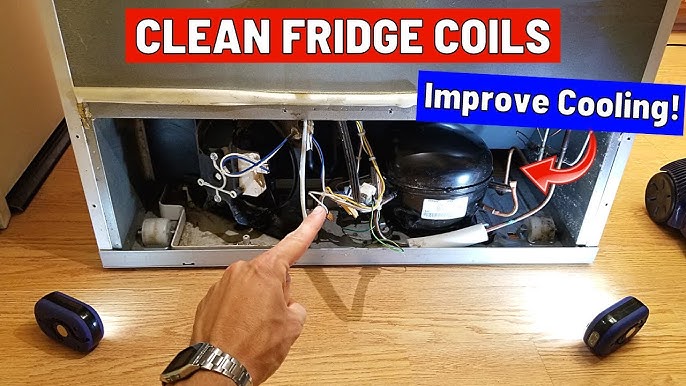
Dirty condenser coils force your Samsung fridge freezer to work harder, causing inadequate cooling despite proper reset procedures. Clean these coils every 6 months (more often with pets) using this process:
- Unplug the refrigerator and pull it away from the wall
- Locate coils (typically on the back or bottom front behind grille)
- Use a soft brush or vacuum with crevice tool to remove debris
- Inspect condenser fan for proper operation during cleaning
Avoid pressing hard on coils—bent fins reduce heat dissipation efficiency. After cleaning, plug in the unit and monitor temperature recovery. Most Samsung models require 4-6 hours to stabilize after coil maintenance. This simple procedure resolves temperature problems in approximately 25% of cases where reset procedures alone were insufficient.
Verify Proper Airflow Through Interior Vents

Restricted airflow between compartments causes uneven cooling in Samsung fridge freezers. Check these critical points:
- Rear wall vents in refrigerator compartment (remove covers if needed)
- Air ducts connecting freezer to refrigerator sections
- Damper assembly operation (should open/close smoothly)
Place your hand near vents while the unit operates—you should feel consistent cold air movement. If airflow seems weak, perform another temperature reset to recalibrate damper positioning. Persistent airflow issues after reset typically indicate physical damper motor failure requiring replacement.
When to Call Samsung Service Professionals
Persistent Problems After Multiple Reset Attempts
If temperature issues continue after performing both standard and power cycle resets, professional diagnosis becomes necessary. Seek service immediately if you notice:
- Refrigerant hissing sounds (indicates leak)
- Burning electrical odors
- Compressor clicking without starting
- Persistent error codes after three reset attempts
Samsung’s inverter compressors and control boards require specialized diagnostic tools for accurate assessment. Technicians can access detailed error logs not visible on standard displays to pinpoint specific component failures.
Warranty Coverage Verification Steps
Before authorizing repairs, verify your Samsung fridge freezer warranty status:
- Locate the serial number (inside refrigerator or freezer compartment)
- Visit Samsung’s warranty lookup page with your serial number
- Have original purchase receipt available for date verification
Most Samsung refrigerator-freezers include 1-year limited warranty coverage with extended 5-10 year coverage for inverter compressors. Warranty claims require proof of purchase—contact Samsung customer service at 800-726-7864 if you need assistance verifying coverage before scheduling service.
Mastering Samsung fridge freezer temperature reset procedures saves you time, money, and prevents food spoilage when cooling problems arise. The standard control panel reset resolves most temporary glitches, while the power cycle reset addresses more persistent issues. Always monitor temperature recovery after resets and maintain appliance thermometers for accurate readings. When problems persist beyond two reset attempts or involve safety concerns like refrigerant leaks, professional service becomes essential. Regular maintenance of condenser coils and airflow pathways prevents many common temperature issues, extending your Samsung refrigerator’s service life while ensuring food safety. By understanding these reset procedures and diagnostic indicators, you’ll keep your Samsung fridge freezer operating at peak performance for years to come.