Fix Samsung Fridge Ice Dispenser Not Working
Your Samsung fridge freezer ice dispenser suddenly stops working right when you need it most—during a summer heatwave or while entertaining guests. This frustrating issue ranks among the most common appliance problems homeowners face, affecting everything from daily convenience to special occasions. More than 60% of these malfunctions stem from simple user errors or easily fixable components rather than major mechanical failures. Understanding the precise failure pattern—whether your ice maker produces ice but won’t dispense it, creates no ice at all, or operates inconsistently—directs you toward the correct solution faster. Modern Samsung ice dispensers function through an automated five-stage process involving water filtration, freezing, ejection, and sensing mechanisms. When any part of this sequence fails, the entire system can grind to a halt.
The good news? Most Samsung fridge freezer ice dispenser not working issues can be resolved in under an hour with basic tools and systematic troubleshooting. This guide cuts through the confusion by focusing on the most common causes in order of likelihood, starting with the simplest fixes before progressing to more complex diagnoses. By following this approach, you’ll avoid unnecessary service calls and get your ice flowing again without breaking the bank.
Verify Ice Maker Activation and Child Lock Status
Before diving into complex repairs, confirm your ice maker is actually enabled—a surprisingly common oversight. Accidentally pressing the ice off button while cleaning or organizing your freezer disables production without obvious warning. Samsung refrigerators feature control panels that allow you to toggle ice maker functionality on and off, and these settings can change during normal use without your knowledge.
Access your fridge’s display panel and navigate to the ice maker settings. Look for any indicators showing “Ice Off” or similar status messages. If found, simply reactivate the ice maker through the control menu. While checking settings, verify that Child Lock hasn’t been accidentally activated. This safety feature disables all controls, including the ice dispenser. To deactivate Child Lock, press and hold the Water/Lock button for approximately three seconds until the lock symbol disappears from your display panel.
After enabling the ice maker, allow 6-12 hours for the system to restart production. A newly activated Samsung ice maker requires this recovery period to complete its first freezing cycle. Resist the urge to repeatedly test the dispenser during this time—patience prevents unnecessary troubleshooting on a functioning system.
Confirm Proper Freezer Temperature Conditions

Temperature regulation represents one of the most critical yet frequently overlooked aspects of ice dispenser functionality. The actual temperature where your icemaker resides must reach at least 10 degrees Fahrenheit below freezing for proper cycling. While ice can technically form at 32 degrees, this lower threshold is essential for the ice maker to release cubes properly into the bin.
Avoid the common mistake of trusting only your refrigerator’s digital temperature display. These panels typically show the set temperature rather than the actual current temperature near the ice maker. Technicians recommend using a separate thermometer placed near the icemaker for accurate readings—never position it directly on ice piles as this provides misleading measurements.
The recommended temperature settings for optimal ice maker performance are 37°F for the refrigerator compartment and 0°F for the freezer. Locate and examine the compressor (a black metal round component near the back) which should vibrate softly and remain only moderately warm to the touch. If it’s burning hot, this indicates a potential compressor problem requiring professional service. Additionally, ensure the cooling fan operates properly, as inadequate airflow prevents the system from achieving necessary temperatures.
Inspect Water Supply Line and Filter Functionality
Water supply problems account for nearly 40% of Samsung fridge freezer ice dispenser not working cases. Begin by inspecting the water line at the back of your fridge for bends, kinks, or visible damage. If you find blockages, disconnect the line carefully and flush it with water to clear mineral deposits, especially important in hard water areas.
Check your water filter status immediately—Samsung recommends replacement every six months. A clogged filter significantly restricts water flow to the ice maker, preventing proper cube formation. Your refrigerator includes a filter warning system that activates when replacement is needed; the indicator turns red and an alarm sounds. Even without warnings, replace filters regularly to maintain adequate flow.
Test water pressure by removing the ice bucket and pressing the test button at the bottom of the ice maker. The ice tray should fill with water within minutes if pressure is adequate. Also verify that the water connector is properly attached with the arrow pointing toward the fridge freezer. A common sign of a faulty inlet valve occurs when the water dispenser works normally but the ice maker fails completely.
Clear Ice Jams and Check Ejector Mechanism
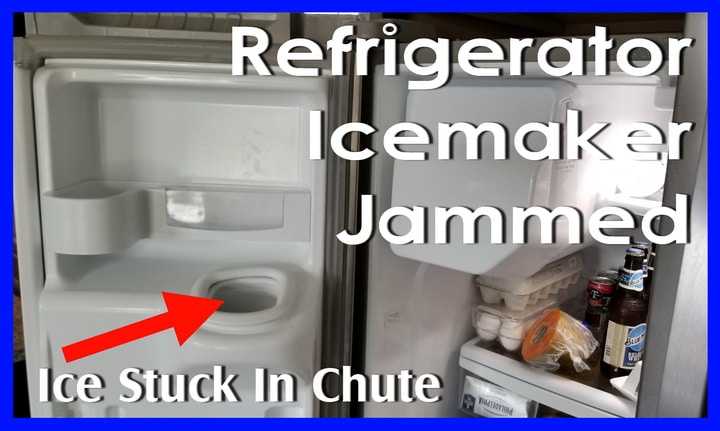
Ice jams in the dispenser chute represent one of the most frequent causes of dispensing problems. Examine the dispenser opening for visible ice buildup and remove blockages using plastic or wooden utensils—never metal that could damage components. After clearing visible ice, check the ice container for fused cubes that may be blocking the dispensing mechanism.
The ice ejector arm presents another potential failure point. This component pushes ice cubes from the mold into the bin after freezing completes. If the ejector arm is broken, bent, or obstructed by ice buildup, cubes won’t release properly. Technicians strongly advise against forcing a stuck ejector arm, as this can permanently damage the motor. Instead, if ice buildup is present, allow the area to defrost first before attempting to move the arm.
Regular ice dispensing—even when you don’t need it—helps prevent jams from forming by keeping the mechanism active and ice from fusing together. If ice has fused into a solid mass, break it apart gently rather than forcing it into the dispenser.
Test Dispenser Motor and Perform System Reset
If your ice maker produces ice but dispensing fails, the dispenser motor may be the culprit. Locate the test button on your ice maker assembly (typically at the bottom) and press while listening for motor operation. If you hear the motor running during the test but not during normal dispensing, this suggests a problem with dispenser controls rather than the motor itself.
When the motor fails completely, pressing the dispenser lever produces no sound or movement. In some cases, the motor may run but lack sufficient torque to push ice through the chute, especially with severe jams. Replacing a failed dispenser motor is moderately complex—some comfortable DIYers succeed, while others prefer professional help.
When troubleshooting fails to reveal an obvious cause, perform a system reset. The procedure varies by model, but generally involves accessing service mode by pressing the Freezer and Fridge temperature buttons simultaneously. After resetting, allow 6-12 hours for the ice maker to complete its initialization sequence and produce the first batch of ice.
When to Call Samsung Service Professionals
Certain ice dispenser issues require professional diagnosis and repair. Contact Samsung Customer Support if your ice maker consistently fails after attempting all troubleshooting steps, or if problems recur despite temporary fixes. Professional technicians have access to specialized diagnostic equipment and genuine replacement parts unavailable to consumers.
Component failures that typically warrant professional service include faulty ice maker assemblies, control board malfunctions, and compressor issues. While some homeowners successfully replace water inlet valves or ejector arms, the complexity of modern Samsung refrigerators often makes professional repair more reliable.
Consider replacement rather than repair when your refrigerator exceeds 10-12 years of age or when ice maker problems combine with other performance issues. Newer Samsung models offer improved ice-making capacity (some producing over 4 pounds of ice) and advanced water filtration systems that require less frequent maintenance.
Key Takeaways for Reliable Ice Production
When your Samsung fridge freezer ice dispenser not working issue arises, follow this logical progression: first verify ice maker activation and Child Lock status, then confirm proper freezer temperature conditions, inspect water supply components, clear ice jams, and test the dispenser motor. A system reset often resolves temporary glitches when other solutions fail.
Prevent future problems through regular maintenance—replace water filters every six months, dispense ice regularly to prevent jams, and maintain proper freezer temperature settings. Monthly checks of the ice bin for fused cubes and quarterly inspections of water lines and door seals significantly reduce failure rates.
If your ice dispenser problems persist despite thorough troubleshooting, professional service can diagnose hidden component failures. For aging refrigerators, replacement may prove more economical than continued repairs. By following this systematic approach, you’ll restore your Samsung ice dispenser to proper working order efficiently and make informed decisions about repair or replacement when needed.