Best Freezer Temperature for Food Safety (2026 Guide)
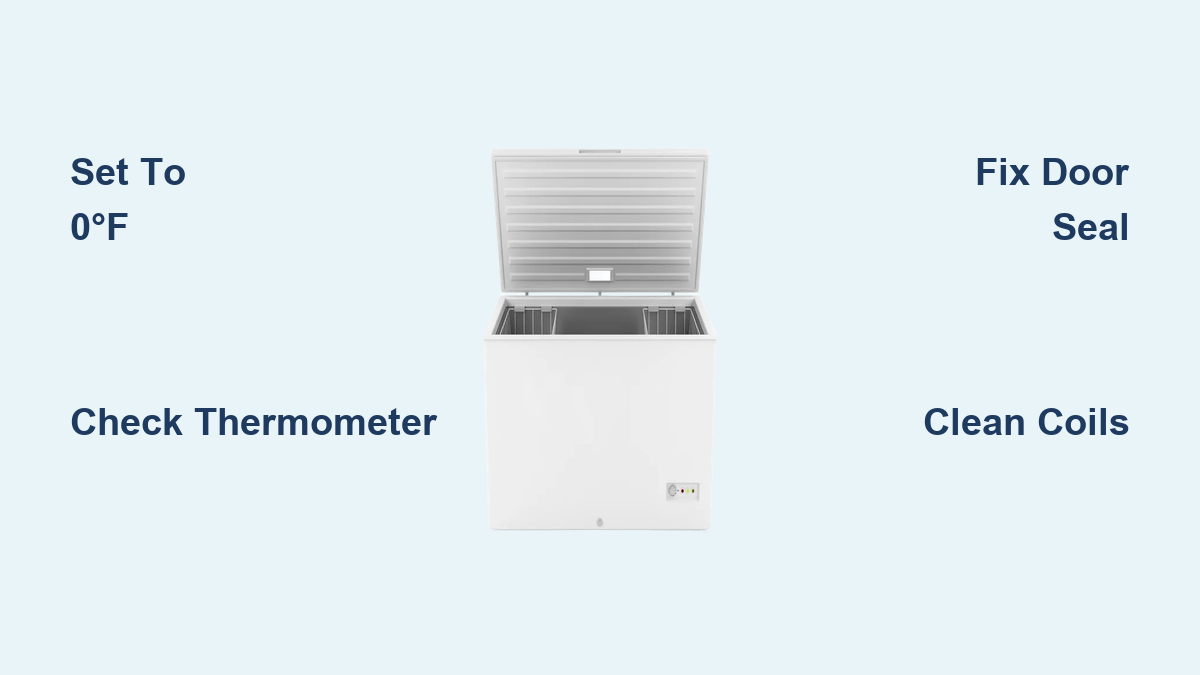
Your freezer hums quietly in the background, working tirelessly to preserve your food—but is it actually protecting your groceries and family? Millions of households unknowingly operate freezers at incorrect temperatures, compromising food safety, reducing storage life, and increasing energy bills. The optimal freezer temperature of 0°F (-18°C) isn’t arbitrary—it’s the scientifically proven threshold that stops bacterial growth, prevents freezer burn, and maintains food quality without wasting electricity. This guide reveals exactly how to set, monitor, and maintain the perfect freezer temperature for your specific appliance and storage needs. By the end, you’ll know how to spot temperature problems before they spoil your food, maximize your freezer’s efficiency, and extend the safe storage life of everything from last night’s leftovers to bulk meat purchases.
Why Your Freezer Must Hit Exactly 0°F
Setting your freezer to 0°F creates the ideal environment for long-term food preservation through three critical mechanisms that work together to protect your food investment.
Bacterial Growth Stops Dead at 0°F
When your freezer maintains 0°F or below, dangerous bacteria like Listeria, Salmonella, and E. coli become completely dormant. While freezing doesn’t kill these pathogens, it stops their reproduction cold—literally. Above this temperature threshold, bacteria can slowly multiply during freezer door openings or temperature fluctuations, creating food safety risks that become dangerous when you eventually thaw and cook the food. The 0°F standard established by food safety authorities represents the precise temperature where this bacterial reproduction halts entirely.
Prevent Freezer Burn and Texture Damage
That white, leathery coating on frozen food? That’s freezer burn caused by ice crystals puncturing food cells when temperatures fluctuate above 0°F. At optimal freezer temperature, ice crystals remain small enough to preserve cellular structure. When temperatures rise above 0°F (even temporarily), larger crystals form that destroy texture. The result? Meat that turns dry and tough when cooked, vegetables that become mushy, and ice cream that develops gritty texture. Consistent 0°F operation prevents these damaging freeze-thaw cycles.
Energy Waste Starts Below 0°F
Setting your freezer colder than 0°F creates a false sense of security—food safety doesn’t improve below this threshold, but your electricity bill jumps noticeably. For every 5-10 degrees colder you set your freezer, energy consumption increases 3-5% with zero food safety benefit. Modern freezers operate most efficiently right at 0°F, making colder settings pure waste. You’re not getting better preservation—you’re just paying more to run your compressor harder.
Recognize Dangerous Temperature Fluctuations

Your freezer’s temperature naturally varies during normal operation, but understanding what’s normal versus dangerous prevents food waste and potential safety issues.
Acceptable Range vs. Danger Zone
While 0°F is your target, temperatures between -10°F and 0°F remain safe for food storage. The upper limit (0°F) represents the maximum safe temperature, while the lower boundary (-10°F) accommodates normal fluctuations. Temperatures consistently above 0°F signal problems—when your ice cream becomes soft and difficult to scoop, you’re likely in the 10-20°F danger zone where bacteria can slowly multiply and freezer burn accelerates.
Normal Fluctuations vs. Serious Problems
During defrost cycles or after door openings, temperatures may temporarily rise 2-5 degrees—that’s normal operation. Quality freezers return to 0°F within 15-20 minutes after door closures. However, if temperatures stay above 0°F for hours, steadily climb toward 10°F, or fail to return to set point after compressor operation, you have a mechanical issue requiring attention. These persistent warm temperatures compromise food safety and quality.
Maximize Food Storage Life at 0°F

Different foods maintain quality for varying durations at optimal freezer temperature—knowing these timelines prevents waste while ensuring safe consumption.
Meat and Seafood Storage Limits
Ground meats stay fresh for only 3-4 months at 0°F before quality noticeably degrades. Steaks and chops last longer—4-12 months depending on cut and packaging. Whole poultry remains safe for up to 12 months, though texture quality peaks within 6 months. Fatty fish like salmon deteriorates fastest (2-3 months), while lean fish like cod lasts 6-8 months. Vacuum-sealed packaging extends these timelines by 25-50% by preventing air exposure.
Produce and Prepared Food Durability
Properly blanched vegetables maintain quality for 8-12 months at optimal freezer temperature, while fruits last similarly long. Cooked dishes and leftovers stay fresh for just 2-3 months before texture and flavor degrade. Ice cream performs best between -5°F and 0°F—colder temperatures make it too hard to scoop, while warmer settings cause crystallization. Remember: frozen food remains safe indefinitely at 0°F, but quality inevitably declines over time.
Choose the Right Freezer Type for Your Needs
Different freezer designs require specific temperature management approaches to maintain optimal conditions.
Chest Freezers vs. Upright Models
Chest freezers maintain temperature more consistently because cold air stays trapped when you lift the lid. Upright freezers lose cold air rapidly when doors open, making them more prone to temperature fluctuations. Some upright freezer owners set temperatures slightly colder (-5°F) to compensate, but both types function optimally at 0°F with proper usage habits like minimizing door open time.
Manual vs. Automatic Defrost Systems
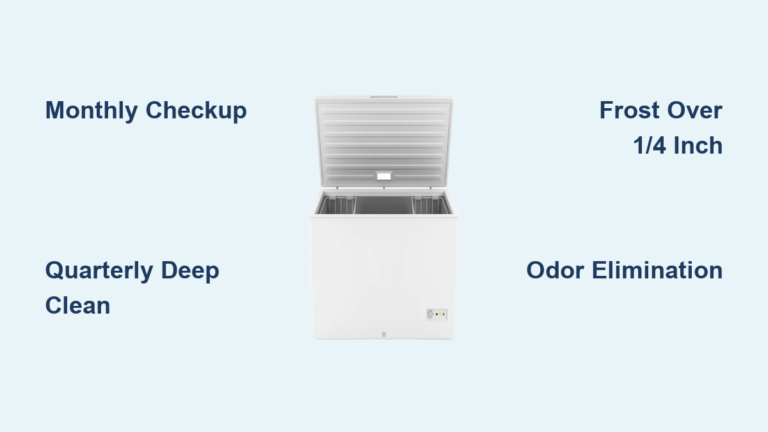
Manual-defrost freezers maintain more stable temperatures but require you to defrost when frost reaches ¼ inch thickness. Automatic defrost models cycle through brief warming periods (6-12 hours apart) to melt frost—during these cycles, temperatures may temporarily rise 2-5 degrees. This is normal operation as long as temperatures return to 0°F within 15-20 minutes after each defrost cycle completes.
Monitor Temperature Like a Pro
Setting your freezer dial to 0°F doesn’t guarantee actual compartment temperature—reliable monitoring prevents costly mistakes.
Thermometer Placement Matters Most
Place a digital probe thermometer in the geometric center of your freezer, away from walls and cooling elements. This position reflects actual food storage conditions rather than localized cold spots. Digital thermometers with external displays let you check temperatures without opening the door, preventing unnecessary warming. Verify accuracy annually by testing in ice water (should read 32°F).
Interpret Readings Correctly
Temperature fluctuations between -2°F and 3°F during normal operation typically represent compressor cycling and are acceptable. However, persistent readings above 0°F, temperatures climbing toward 10°F, or failure to return to set point after compressor operation indicate problems. Keep a temperature log for one week to establish your freezer’s normal pattern before making adjustments.
Spot Temperature Problems Before They Spoil Food

Your freezer communicates temperature issues through observable signs—learn to recognize them early.
Warning Signs of Warm Temperatures
Soft ice cream that’s difficult to scoop indicates temperatures likely above 5°F. Frost accumulating on food surfaces inside sealed containers signals consistent warming above 0°F. Large ice crystals visible through packaging and foods developing dry, discolored patches all point to temperature fluctuations compromising your food. If frozen items bond together so firmly they can’t be separated, your freezer is running too warm.
Mechanical Failure Indicators
Unusual sounds like clicking, grinding, or continuous humming often precede temperature problems. Extended compressor run times without reaching set temperature suggest refrigerant issues or compressor wear. Frost building up on door gaskets—making doors difficult to open—indicates seal problems that prevent proper temperature maintenance. Address these signs immediately before food spoils.
Essential Maintenance for Consistent 0°F Operation
Simple maintenance tasks ensure your freezer consistently maintains optimal temperature while operating efficiently.
Door Seal Inspection Protocol
Test gasket integrity monthly by closing the door on a dollar bill—if you can pull it out easily, the seal is compromised. Clean gaskets with mild soap and water, checking for cracks or compression damage. Replace damaged gaskets promptly, as compromised seals can increase energy consumption by 10-20% while allowing warm air infiltration that raises internal temperatures.
Critical Cleaning Schedule
Clean condenser coils every 6-12 months using a coil brush to remove dust buildup that reduces heat dissipation efficiency. Unplug the unit, locate coils (typically on back or bottom front), and gently remove debris without bending fins. Proper coil maintenance prevents the compressor from working harder to maintain 0°F, saving energy and extending appliance life.
Handle Special Situations Correctly
Power outages, vacations, and new appliance installations require specific temperature management approaches.
Power Outage Response Protocol
During outages, keep freezer doors closed—full freezers maintain safe temperatures for 48 hours, half-full units for 24 hours. After power returns, check temperature immediately. Discard any food showing signs of thawing and refreezing (large reforming ice crystals), particularly meat and dairy products. When in doubt, throw it out—food safety is never worth risking.
New Freezer Initialization Process
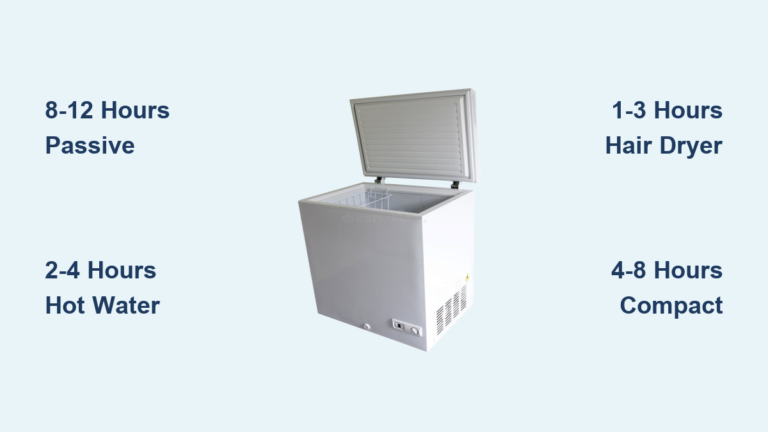
New freezers require 4-24 hours to reach stable 0°F operation after installation. Do not add food until the unit has maintained 0°F for at least 2-4 hours continuously. Some manufacturers recommend a full 24-hour stabilization period before loading food, especially in warm environments. Adding warm food to an unstable freezer stresses the compressor and prevents proper temperature achievement.
Final Takeaway: Maintaining your freezer at exactly 0°F (-18°C) creates the perfect balance between food safety, quality preservation, and energy efficiency. This temperature stops bacterial growth dead, prevents texture-damaging ice crystals, and operates your appliance at peak efficiency. Monitor with a reliable thermometer placed centrally, perform simple monthly maintenance on door seals and quarterly coil cleaning, and recognize warning signs of temperature problems before they spoil your food. By following these guidelines, your freezer will safely preserve food for months while keeping your energy bills in check—turning this often-overlooked appliance into a true kitchen workhorse that protects both your health and your grocery budget.