Normal Freezer Temperature Celsius: Quick Guide
Your freezer humming along at the wrong temperature could be silently compromising your family’s food safety while inflating your electricity bill. Setting your freezer to -18 degrees Celsius isn’t just a recommendation—it’s the scientifically established threshold for keeping frozen food safe, nutritious, and delicious for months. Many households unknowingly operate their freezers at temperatures between -10°C and -15°C, putting themselves at risk for foodborne illness while accelerating quality degradation. Understanding why this specific temperature matters—and how to maintain it consistently—gives you control over your frozen food’s safety and longevity. This guide reveals the precise temperature standards, common pitfalls, and practical steps to ensure your freezer operates at peak performance year after year.
Why Your Freezer Must Stay at -18°C
Operating your freezer at -18 degrees Celsius creates the optimal environment for halting bacterial growth while preserving food quality. This temperature isn’t arbitrary—it represents the critical point where water molecules in food become locked in place, preventing the chemical reactions and microbial activity that cause spoilage. At this precise temperature, harmful bacteria like salmonella and listeria enter dormancy rather than multiplying, creating a reliable safety barrier for everything from last night’s leftovers to bulk-purchased meats.
How Temperature Affects Bacterial Growth
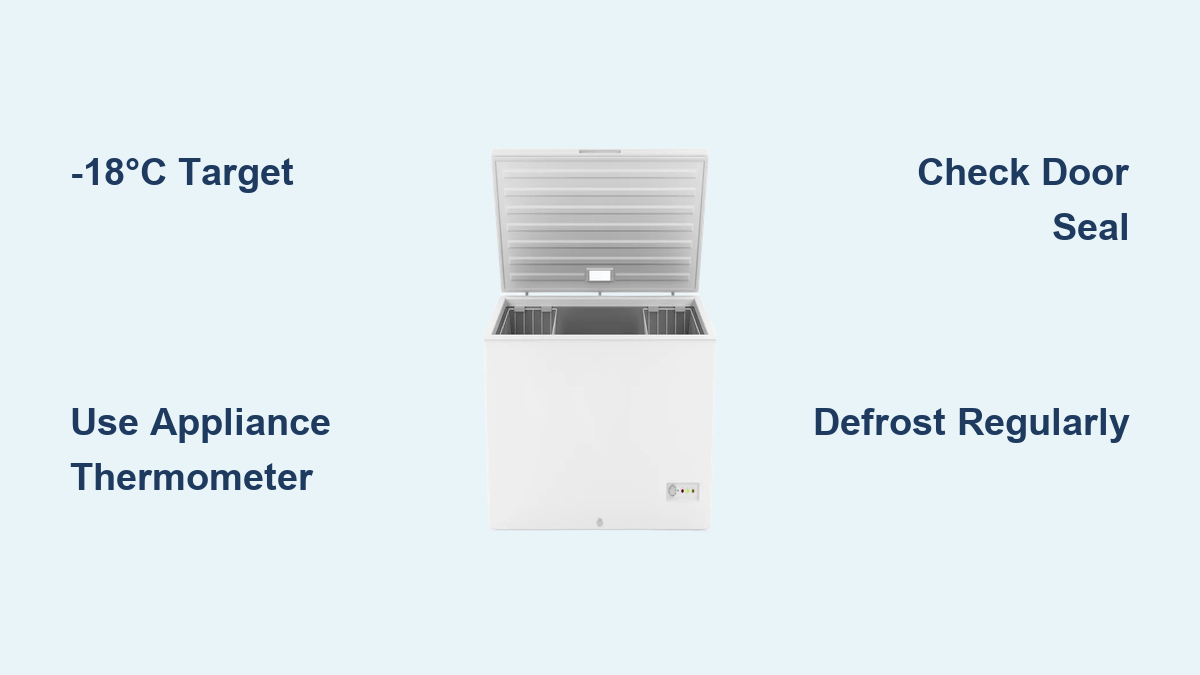
Bacteria begin multiplying rapidly when temperatures rise above -18°C, even if the food remains frozen solid to the touch. A freezer running at just -15°C allows bacteria to reproduce slowly, creating dangerous conditions over time. The insidious part? Frozen food with elevated bacterial levels often looks, smells, and tastes normal. By the time you notice spoilage signs, the bacterial load may already be sufficient to cause illness. This is why consistent temperature monitoring with an appliance thermometer—not just trusting your freezer’s dial—is essential for food safety.
Maximum Cold Settings: When to Use Them

Your freezer’s maximum cold setting (typically labeled 5 or “max”) serves a specific purpose: rapidly freezing fresh food to preserve quality. When you return from grocery shopping with a large quantity of fresh meat or produce that needs immediate freezing, switch to maximum cold for 24-48 hours. This quick freeze process forms smaller ice crystals that better preserve cellular structure, resulting in superior texture and flavor when you eventually thaw the food.
The Danger of Continuous Maximum Cooling
Never operate your freezer continuously at maximum cold settings. Temperatures significantly below -18°C accelerate freezer burn by drawing moisture from food surfaces through sublimation. While the food remains safe to eat, its taste, texture, and nutritional value deteriorate noticeably. Additionally, running at maximum cold consumes 15-20% more electricity without providing proportional safety benefits. Think of maximum cold as a temporary tool for specific situations—not your standard operating mode.
Warning Signs of Temperature Problems

Your freezer communicates temperature issues through visible clues you can’t afford to ignore. Frost accumulation thicker than 7 millimeters on interior walls signals temperature inconsistency and reduced efficiency. This frost layer acts as insulation, forcing your compressor to work harder while creating cold spots that damage food quality. Visible freezer burn—characterized by dry, discolored patches on food surfaces—indicates either temperature fluctuations or inadequate packaging.
Critical Indicator Light Messages
Modern freezers use color-coded indicator lights to alert you to temperature problems:
– Red light: Immediate danger zone—internal temperature has risen above safe levels
– Amber light: Fast freeze function is active (should extinguish automatically)
– Green light: Basic power connection (doesn’t confirm proper temperature)
If your red indicator remains illuminated for more than 30 minutes after closing the door, treat it as an emergency. Check for door seal issues, recent large additions of warm food, or power interruptions. Persistent red lights indicate potentially dangerous temperature conditions requiring immediate food inspection and possible professional service.
Freezer Placement That Compromises Temperature Control
Installing your freezer in an unheated garage seems convenient until winter temperatures drop below 10°C—the minimum ambient temperature for standard freezers. When surrounding air becomes too cold, the heat transfer process becomes inefficient, causing operational problems. In extreme cases, the compressor may fail to start, leaving your food to thaw while you wonder why the temperature warning light hasn’t activated.
Extended Temperature Range Solutions
If garage installation is essential, look for freezers with Freezer Guard Technology that operates reliably down to -15°C ambient temperatures. These specialized models incorporate heating elements that maintain optimal compressor function in colder environments. Before purchasing, verify your specific climate conditions against the manufacturer’s specifications—assuming any freezer will work in cold environments risks both food safety and appliance longevity.
Decoding Your Freezer Control Dial
Most freezer dials range from 1 to 5 (or similar), but these numbers rarely correspond directly to Celsius temperatures. Setting 0 means the cooling system is completely off—your freezer won’t operate at all. Settings 1-2 represent warmer temperatures suitable for summer months, while 3-4 typically delivers the optimal -18°C range for year-round operation. The maximum setting (5) provides intense cooling for rapid freezing of fresh items.
Why Dial Settings Vary by Model
A setting of 3 on one freezer model might produce -18°C while the same number on another model produces -15°C or -20°C. The only way to know your actual temperature is to use a separate appliance thermometer placed in the center of your freezer for 24 hours. After verifying your current temperature, adjust the dial incrementally until you achieve the target -18°C. Mark your ideal setting with tape to avoid future guesswork.
Effective Freezer Burn Prevention Strategies
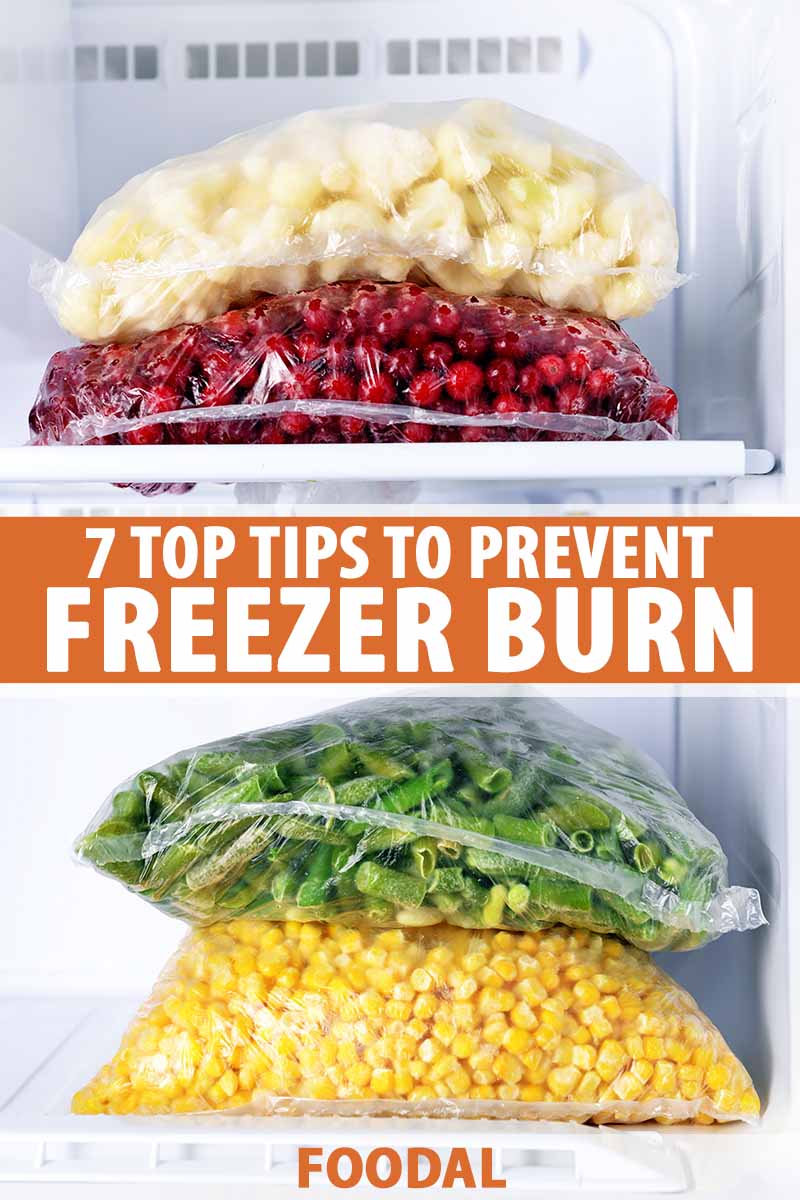
Freezer burn occurs when food loses moisture due to exposure to cold, dry air inside your freezer. This happens primarily through two mechanisms: inadequate packaging that allows air contact with food surfaces, and temperature fluctuations that cause ice crystals to sublimate directly from solid to vapor. While freezer-burned food remains safe to eat, the resulting dry, leathery patches significantly degrade taste and texture.
Packaging Techniques That Work
Follow these packaging methods to eliminate freezer burn:
– Double-wrap technique: First wrap food tightly in plastic wrap, then place in airtight freezer bags
– Air removal: Press out as much air as possible from bags before sealing (use the straw method for best results)
– Freezer-specific containers: Use rigid containers designed for freezer use with tight-sealing lids
– Portion control: Freeze food in meal-sized portions to avoid repeated thawing and refreezing
For optimal results, label everything with contents and date, and use older items first. Properly packaged food maintains quality for 3-12 months at -18°C, depending on the item.
Essential Maintenance for Temperature Stability
Frost buildup thicker than 7 millimeters acts as insulation, reducing your freezer’s cooling efficiency by up to 30%. This forces the compressor to work harder while creating temperature inconsistencies throughout the compartment. For non-auto-defrost models, manual defrosting twice annually—or when frost reaches 7mm thickness—restores proper heat transfer and maximizes available storage space.
Door Seal Inspection Protocol
Damaged door seals are responsible for 70% of temperature-related freezer problems. Test your seals monthly by closing the door on a dollar bill—if you can pull it out easily, the seal needs replacement. Clean seals with a baking soda solution to remove food debris that prevents tight closure. A compromised seal allows warm, moist air to enter each time the door opens, causing frost buildup and temperature fluctuations that accelerate freezer burn.
Seasonal Temperature Adjustments
Your freezer requires different settings throughout the year due to ambient temperature changes. During summer months when surrounding air is warmer, set your dial to 3 for optimal performance. In winter, when ambient temperatures drop, increase to setting 4 to compensate for reduced heat dissipation. Freezers in temperature-controlled environments typically need minimal adjustment, while those in garages or basements require more frequent monitoring.
When to Use a Separate Thermometer
Built-in freezer thermometers often provide inaccurate readings due to placement near cooling elements. Invest in a standalone appliance thermometer placed in the center of your freezer for reliable monitoring. Check temperatures weekly, especially during seasonal transitions, and after adding large quantities of unfrozen food. The small investment in an accurate thermometer prevents costly food waste and potential health risks from improperly stored frozen items.
Maintaining your freezer at the normal freezer temperature of -18 degrees Celsius creates the perfect balance between food safety, quality preservation, and energy efficiency. This precise temperature halts bacterial growth while preserving texture, flavor, and nutritional value for months. By verifying your actual temperature with a reliable thermometer, understanding your control dial’s specific behavior, and implementing proper packaging techniques, you transform your freezer from a simple appliance into a reliable food preservation system. Regular maintenance, seasonal adjustments, and attention to warning signs ensure your frozen food remains safe and delicious. The small effort required to maintain correct temperatures pays dividends every time you open your freezer door to find your frozen goods in perfect condition—protecting your family’s health while minimizing food waste and maximizing your appliance’s lifespan.