Maytag Fridge Not Cooling But Freezer Works: Quick Fix Guide
You’ve just opened your Maytag refrigerator to grab a cold drink, only to find warm air greeting you while your freezer remains perfectly frigid. This frustrating scenario—where the freezer functions normally but the refrigerator compartment fails to cool—is one of the most common refrigeration issues homeowners face. Unlike complete cooling failure, this specific pattern points directly to airflow distribution problems rather than compressor or refrigerant issues. Understanding why your Maytag fridge not cooling but freezer works can save you hundreds in unnecessary service calls, as many causes are simple enough to fix yourself with just a few minutes of troubleshooting.
The shared cooling architecture in most refrigerators means cold air originates in the freezer compartment and travels to the refrigerator section through a system of vents and ducts. When any component in this pathway malfunctions or becomes obstructed, the refrigerator section warms while the freezer continues operating as expected. This guide walks you through every potential cause and solution for your Maytag fridge not cooling but freezer works problem, helping you restore proper cooling without professional help in most cases.
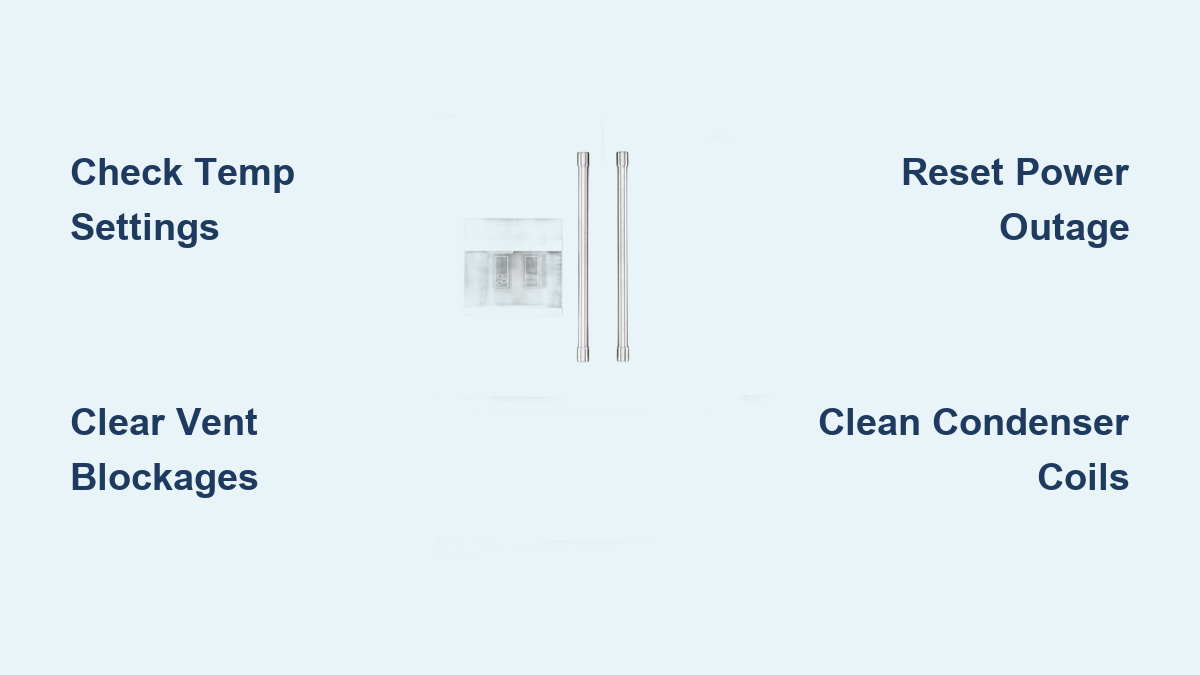
Adjust Your Temperature Control Settings First
Before assuming mechanical failure, verify your temperature controls as the most common cause of uneven cooling. Factory presets on new Maytag refrigerators maintain approximately 37-40°F in the refrigerator compartment and 0°F in the freezer under normal conditions. These settings can be accidentally changed during cleaning, by children playing with the control panel, or during routine interactions with the appliance.
Locate your specific control panel—it varies between digital displays, dial controls, and touch-sensitive interfaces depending on your model. If the refrigerator setting appears too low (a lower number on most scales), adjust it to the next higher setting to increase cooling power. After making any adjustment, wait at least 24 hours before further changes—this critical waiting period allows the cooling system to respond and temperatures to stabilize. Rushing additional adjustments prevents equilibrium and often leads to over-correction.
Temperature controls regulate how much cold air flows from the freezer to the refrigerator rather than changing the freezer temperature itself. This explains why your freezer maintains perfect temperatures while the refrigerator warms when settings have been inadvertently altered. If adjusting the settings doesn’t improve cooling after 24 hours, move to inspecting the airflow system for physical obstructions.
Clear All Airflow Vent Blockages Immediately

Blocked vents represent one of the most frequent causes of refrigerator compartment warming while the freezer continues functioning normally. These vents typically appear as small rectangular openings with slatted covers, located on the rear wall of the refrigerator compartment, the ceiling of the fresh food section, or at the bottom of the freezer compartment depending on your Maytag model.
Check both compartments for items blocking vent openings. Common culprits include:
– Large food packages pushed against the rear wall
– Beverage containers stored in front of vents
– Storage bins that have shifted position
– Ice buildup around vent openings
Even items that don’t directly cover vents can restrict airflow if packed too tightly, creating barriers that prevent proper air circulation. Ensure there’s adequate space between items and all vent openings, and verify storage bins are properly seated without protruding into critical airflow areas.
If you find ice blocking the vents, you may need to perform a manual defrost by unplugging the refrigerator and allowing the ice to melt completely before restarting. Persistent ice buildup suggests a defrost system malfunction requiring professional attention.
Check Power Connections and Outage Indicators
Electrical issues can mimic cooling system failures, so verify proper power supply as an essential diagnostic step. Modern Maytag refrigerators include safety features that prevent automatic restart following power surges or outages, which can leave the appliance appearing to function while the cooling system remains disabled.
Examine your control panel for “Power Outage” notifications—a common indicator on Maytag models. If displayed, touch any button to acknowledge the alert, then press any button a second time to clear the notification. Some models require specific button sequences to fully reset the system after which cooling should resume normally.
Beyond outage indicators, confirm the refrigerator hasn’t been accidentally switched off during cleaning. Check that the power cord is fully inserted into a functioning outlet, and test the outlet by plugging in another device. If the circuit breaker has tripped, restoring power at the electrical panel should allow normal operation to resume.
Clean Condenser Coils to Improve Cooling Efficiency
The condenser coils dissipate heat absorbed from your refrigerator’s interior, and when coated with dust, pet hair, or grease, their efficiency drops dramatically. This forces the compressor to work harder, which can manifest as inadequate cooling in the refrigerator compartment even when the freezer continues operating normally.
Determine if your Maytag model allows homeowner coil cleaning by consulting your owner’s manual. Models with accessible coils typically have a removable rear panel or front grille. In households with pets or frequent cooking, clean these coils every two to three months using a coil cleaning brush or vacuum with a brush attachment.
Take care not to bend the delicate fins or damage refrigerant lines during cleaning. For sealed systems where you cannot safely access the coils, schedule professional maintenance rather than risking damage to your appliance.
Disable Showroom or Demo Mode Immediately
Showroom mode allows refrigerators to display interior features in retail environments without running the cooling system. When activated unintentionally, this feature prevents cooling in both compartments—not just the refrigerator—which means your freezer would also be warm if showroom mode were the sole cause.
Look for “Showroom” illuminated on your display panel as the most obvious indicator. If suspected, consult your owner’s manual for the specific exit procedure, as button sequences vary widely between models. Common procedures involve pressing and holding specific buttons for several seconds.
Once you exit showroom mode, the cooling system should engage normally within moments. The refrigerator compartment typically requires 4 to 24 hours to stabilize completely. If exiting showroom mode doesn’t restore cooling, the problem lies elsewhere in the system.
Assess Your Refrigerator’s Installation Environment
Refrigerators require specific environmental conditions to operate properly, and installation in unsuitable locations causes cooling problems that no amount of repair will fix. The acceptable operating range for most Maytag refrigerators is between 55°F minimum and 110°F maximum ambient temperature.
Check for these common installation issues:
– Proximity to heat sources like ovens, radiators, or baseboard heaters
– Base grille blocked by carpet or flooring
– Refrigerator tucked into cabinets that restrict ventilation
– Garage installation in unheated or poorly heated spaces
Standard refrigerators are designed for indoor, climate-controlled use only. If your Maytag is in a garage where temperatures drop below 55°F, the cooling system may not engage properly, resulting in inadequate refrigeration while the freezer continues operating. Moving the appliance to a climate-controlled space resolves this issue.
Listen for Failing Airflow Components
When basic checks don’t resolve the cooling failure, the problem likely involves malfunctioning components in the airflow system. The damper control regulates how much cold air flows into the fresh food section and may stick closed, preventing airflow entirely while the freezer continues cooling normally. A failing damper often produces clicking or tapping sounds as it attempts to cycle open and closed.
Listen for the evaporator fan when you open the freezer compartment—if you don’t hear the characteristic whirring, this component may need replacement. This fan actively moves cold air from the freezer through vents into the refrigerator compartment. Accessing these components typically requires removing interior panels and working with electrical components, making this a job best left to qualified technicians.
Schedule Professional Repair for Complex Issues
If you’ve worked through all diagnostic steps without success, professional service becomes necessary. Before calling for service, document everything you’ve checked and any symptoms observed, including error codes, unusual sounds, and the exact pattern of cooling failure. This information helps technicians diagnose the problem more efficiently.
Component failures typically involve:
– Damper control assembly
– Evaporator fan motor
– Main control board
– Temperature sensor
Obtain cost estimates from multiple service providers and confirm the technician specializes in refrigerator repairs specifically, as refrigeration systems require specialized knowledge.
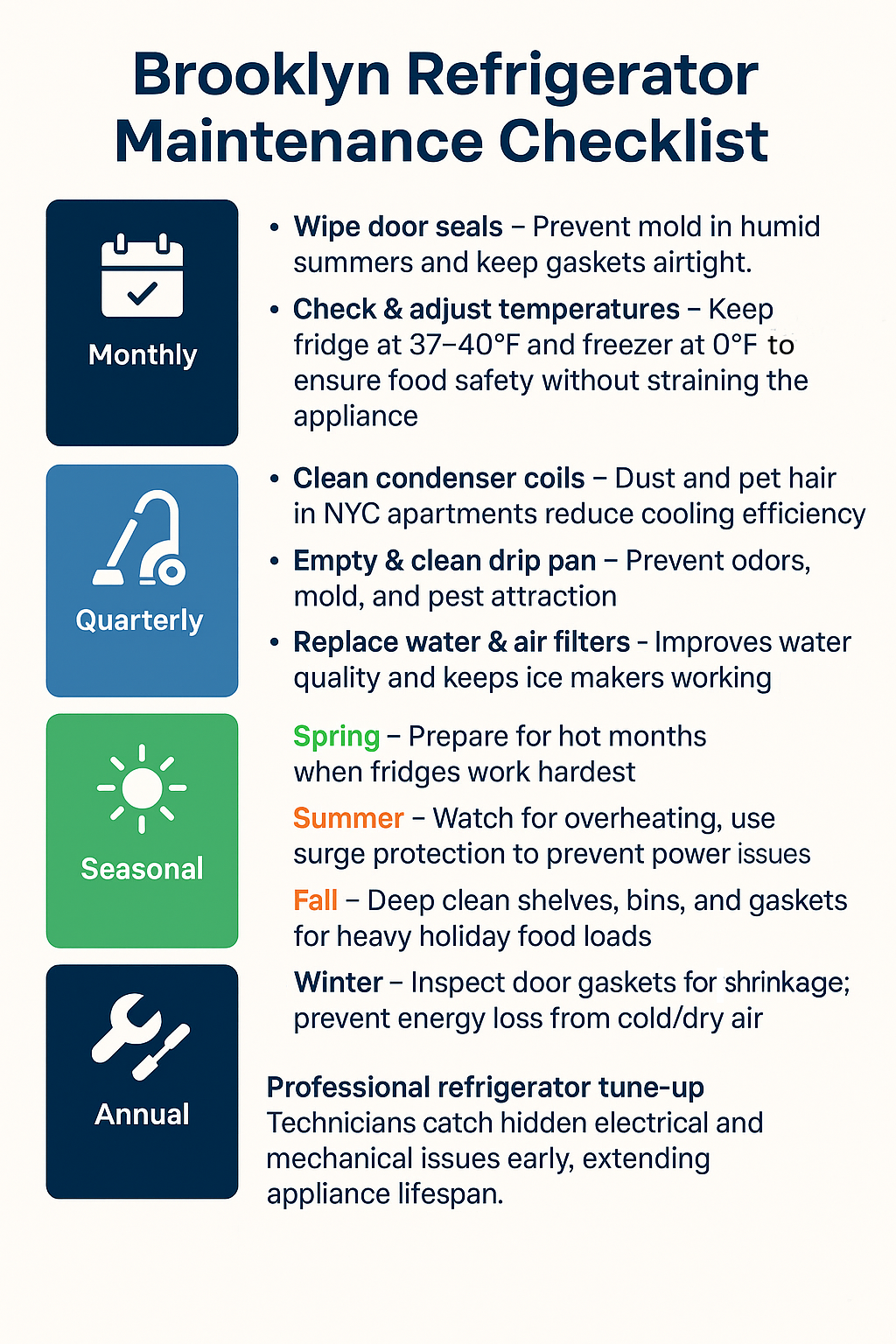
Maintain Consistent Cooling Performance Long-Term
Once your refrigerator is cooling properly again, adopt these maintenance habits to prevent recurrence:
Establish a quarterly inspection routine:
– Verify temperature settings remain appropriate
– Check that nothing has shifted to block vents
– Listen for normal operation sounds from compressor and fans
– Clean exterior of condenser coils if accessible
– Inspect door seals for damage or debris
Monitoring actual temperatures with standalone thermometers provides more accurate information than relying solely on the refrigerator’s built-in display. Place thermometers in both compartments, checking readings after the refrigerator has run undisturbed for several hours.
Key Takeaways for Fixing Your Maytag Fridge
Your Maytag fridge not cooling but freezer works problem almost always indicates an airflow distribution issue rather than total cooling system failure. By methodically working through these diagnostic steps—verifying temperature settings, clearing blocked vents, checking power connections, cleaning condenser coils, and ruling out showroom mode—you can identify and often resolve the issue without professional intervention.
The problem typically stems from something simple like misadjusted controls, food items blocking vent openings, or accidentally activated demonstration mode. If basic troubleshooting doesn’t restore cooling, the underlying cause likely involves a failing damper control or malfunctioning evaporator fan requiring professional service. These repairs are generally more affordable than compressor or refrigerant system work.
Maintaining proper installation conditions, keeping vents clear, and following good usage practices helps prevent recurrence and extends your refrigerator’s cooling system life. By understanding why your Maytag fridge not cooling but freezer works, you’ve gained the knowledge to quickly diagnose and resolve this common issue whenever it reappears.