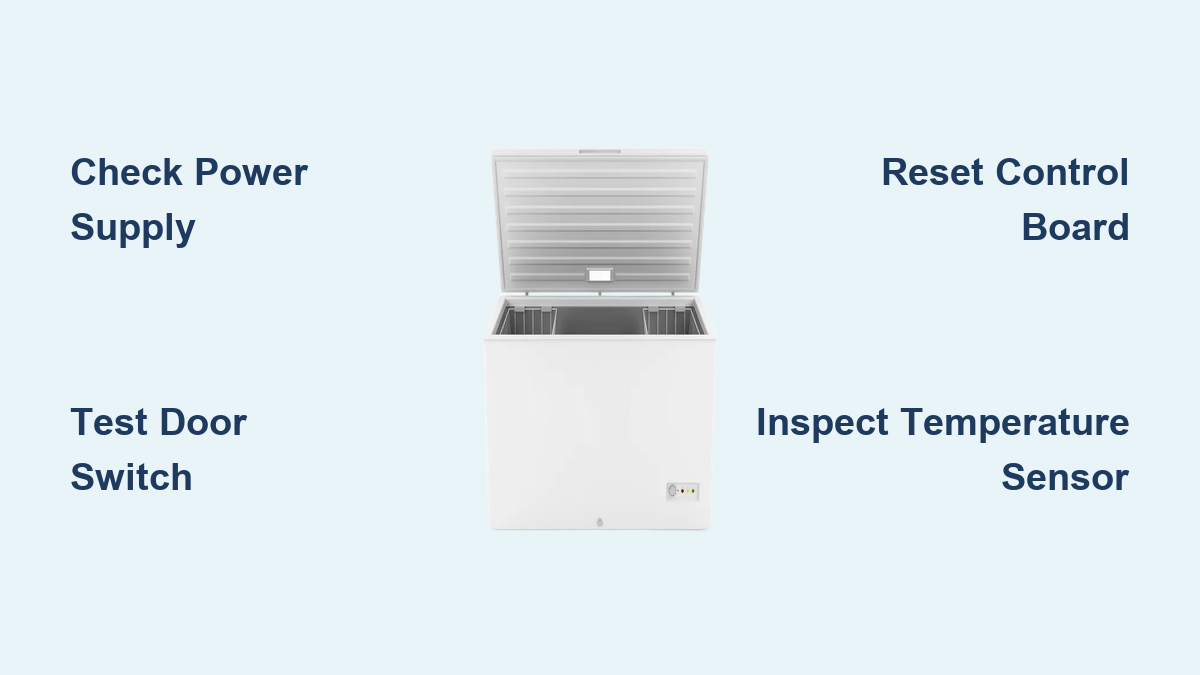
How to Fix Green Light Flickering on Freezer
You’re standing in your kitchen when you notice it: that unsettling flicker from your freezer’s control panel. The green indicator light pulses erratically instead of maintaining its steady glow, making you wonder if your frozen goods are at risk. This common but concerning issue affects thousands of freezer owners each year, often signaling underlying problems that could lead to complete temperature failure if ignored. While a flickering green light might seem minor, it’s actually your appliance’s way of communicating trouble—sometimes indicating serious issues with temperature regulation, power supply, or internal components. In this guide, you’ll discover the specific causes behind your freezer’s flickering green light and learn actionable, step-by-step solutions to restore proper function before your food spoils.
Immediate Diagnostic Steps for Flickering Green Light
Before diving into complex repairs, perform these quick checks that resolve most flickering light issues in under 15 minutes. The green light typically serves as both a power indicator and temperature status signal, so its behavior provides valuable diagnostic information about your freezer’s health.
Verify Power Supply Stability
Your freezer requires consistent electrical current to maintain stable operation. Voltage fluctuations often cause indicator lights to flicker while potentially damaging sensitive electronic components.
- Check the outlet functionality by plugging in another device
- Inspect the power cord for damage, fraying, or loose connections at both ends
- Test with a different circuit to rule out household voltage issues
- Avoid extension cords which can cause voltage drops (use only if absolutely necessary with heavy-gauge cords)
If the light stops flickering when connected to a different circuit, you’ve identified an electrical supply problem rather than an appliance issue. Consider installing a dedicated circuit for your freezer if this occurs frequently.
Assess Temperature Performance First
The critical question isn’t just why the light flickers—it’s whether your freezer maintains proper temperature. A flickering light with stable freezing temperatures indicates a less urgent issue than one accompanied by rising internal temperatures.
- Place a standalone thermometer in a glass of oil (for accuracy) in the freezer’s center
- Monitor temperature readings over 24 hours
- If temperature remains at or below 0°F (-18°C), the issue may be isolated to the control panel
- If temperature rises above 10°F (-12°C), treat this as an urgent repair situation
Pro Tip: Keep a temperature log for three days. Many modern freezers cycle defrost periods that might temporarily affect light behavior without indicating a problem.
Identifying the Specific Cause Behind Green Light Flickering
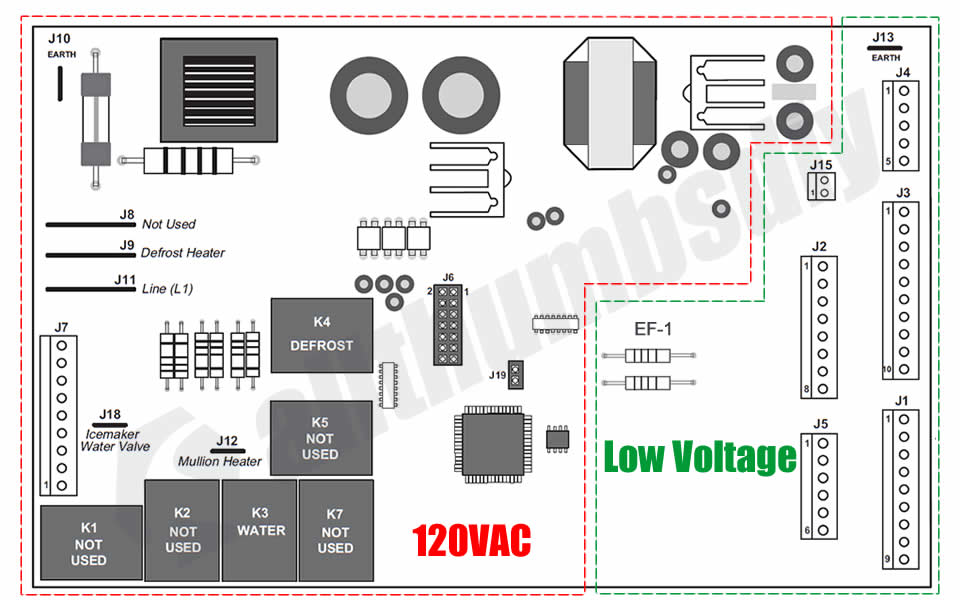
Different freezer models use green lights to communicate specific issues. Understanding your particular model’s diagnostic system is crucial before attempting repairs.
Control Board Malfunction Diagnosis
The electronic control board regulates all freezer functions and often causes indicator lights to flicker when failing. This component coordinates temperature maintenance, defrost cycles, and compressor operation.
How to confirm control board issues:
– Flickering occurs consistently regardless of temperature settings
– Unusual clicking sounds from the control panel area
– Error codes accompanying the flickering (consult manual)
– Complete control panel failure following intermittent flickering
Common causes of control board problems:
– Moisture exposure from condensation
– Power surges damaging sensitive components
– Age-related component degradation
– Failed capacitors on the circuit board
Door Switch Problems That Trigger Flickering
Many freezers connect the interior light circuit to the door switch mechanism. A faulty switch can cause unexpected electrical behavior affecting the control panel indicators.
Signs your door switch needs attention:
– Flickering intensifies when opening/closing the door
– Interior light stays on when door is closed
– Audible buzzing from the door frame area
– Condensation buildup around door seals
To test the door switch, gently press the switch button (usually near the door frame) while observing the green light. If the flickering pattern changes noticeably, the switch requires replacement.
Step-by-Step Repair Procedures for Common Causes
Now that you’ve identified potential causes, implement these targeted solutions. Always disconnect power before performing any internal repairs to prevent electrical shock.
Replacing a Faulty Door Switch
Required tools: Phillips screwdriver, replacement switch (model-specific)
- Unplug the freezer and remove any interior panels covering the switch
- Note wiring configuration before disconnecting terminals
- Remove mounting screws and extract the old switch
- Install the new switch, ensuring proper alignment with the door
- Reconnect wires exactly as they appeared originally
- Test operation before reinstalling panels
Time required: 20-30 minutes | Difficulty: Beginner
Critical warning: Never force the switch into position—the plunger must move freely when the door opens and closes.
Resetting Frozen Electronics After Power Events
Many flickering light issues stem from temporary electronic glitches rather than component failure. Perform a complete system reset following power interruptions or surges.
- Unplug the freezer for a minimum of 5 minutes (15 recommended)
- Press and hold the power button for 30 seconds to discharge capacitors
- Plug directly into a wall outlet (no surge protectors during reset)
- Allow 24 hours for the system to stabilize before assessing light behavior
This simple procedure resolves approximately 40% of flickering light cases according to service technicians, as modern freezers contain memory chips that sometimes require complete power cycling.
Advanced Troubleshooting for Persistent Flickering
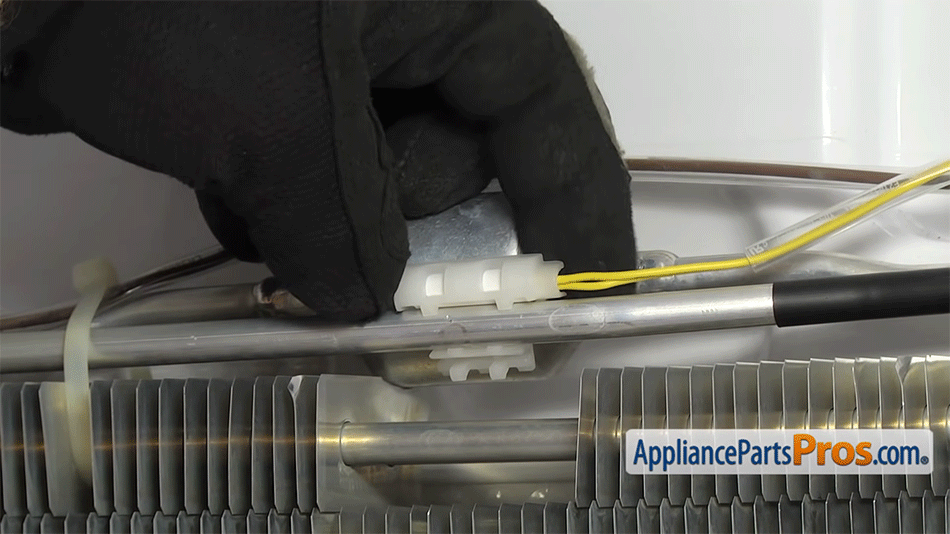
When basic solutions fail, investigate these less common but serious issues that require careful attention.
Temperature Sensor Calibration Problems
The temperature sensor (thermistor) provides critical feedback to the control system. An inaccurate reading can cause the control board to behave erratically.
Testing the sensor:
– Locate the sensor (usually in the evaporator compartment)
– Disconnect power and remove the sensor
– Measure resistance with a multimeter at room temperature
– Compare readings to manufacturer specifications
– Replace if resistance values fall outside acceptable range
Replacement process:
– Purchase exact model-specific replacement
– Carefully route the new sensor along original path
– Secure connections with electrical tape
– Allow 48 hours for system recalibration
Defrost System Malfunctions Affecting Indicators
A malfunctioning defrost system can cause temperature fluctuations that trigger control panel anomalies including flickering lights.
Check these defrost components:
– Defrost heater (test for continuity)
– Defrost thermostat (check operation at temperature thresholds)
– Defrost timer (verify proper cycling)
If ice buildup appears on the evaporator coils, the defrost system isn’t functioning correctly, which can indirectly cause control panel issues through temperature instability.
Preventing Future Green Light Flickering Issues
Once you’ve resolved the immediate problem, implement these preventative measures to avoid recurrence.
Power Protection Essentials
Invest in proper electrical protection to prevent the most common cause of electronic failures in freezers.
- Install a dedicated 15-20 amp circuit for your freezer
- Use a high-quality surge protector with joule rating of 1,000+
- Consider a voltage regulator if you experience frequent brownouts
- Schedule professional electrical inspection if flickering coincides with other appliance issues
Maintenance Schedule for Prevention
Regular maintenance prevents most flickering light issues from developing:
| Task | Frequency | Critical For |
|---|---|---|
| Clean condenser coils | Every 6 months | Preventing overheating |
| Check door seal integrity | Monthly | Maintaining temperature stability |
| Verify temperature settings | Weekly | Early problem detection |
| Full system reset | After power events | Clearing electronic glitches |
Pro Tip: Keep a maintenance log noting when you perform each task. This helps identify patterns if problems recur.
When to Call a Professional Technician
Some flickering light issues indicate problems beyond DIY repair capabilities. Contact a certified technician if you notice:
- Burning smells or visible smoke near the control panel
- Water leakage around electrical components
- Complete temperature failure despite light flickering
- Error codes indicating compressor or refrigerant issues
- Recurring problems after multiple repair attempts
Attempting repairs on sealed refrigerant systems or complex electronic boards without proper training often creates more expensive problems. The average cost of professional diagnosis ($75-$150) is significantly less than the cost of compounding an initial problem through improper repair attempts.
Final Note: A flickering green light on your freezer serves as an early warning system—address it promptly before minor issues become major failures. By following these targeted diagnostic steps and repair procedures, you’ll protect your frozen inventory while extending your appliance’s lifespan. Remember that consistent temperature maintenance matters more than the light behavior itself; always verify actual freezer performance when troubleshooting indicator issues. Implement the preventative maintenance schedule outlined here to minimize future occurrences and keep your freezer operating reliably for years to come.