How Long for New Fridge Freezer to Reach Temperature
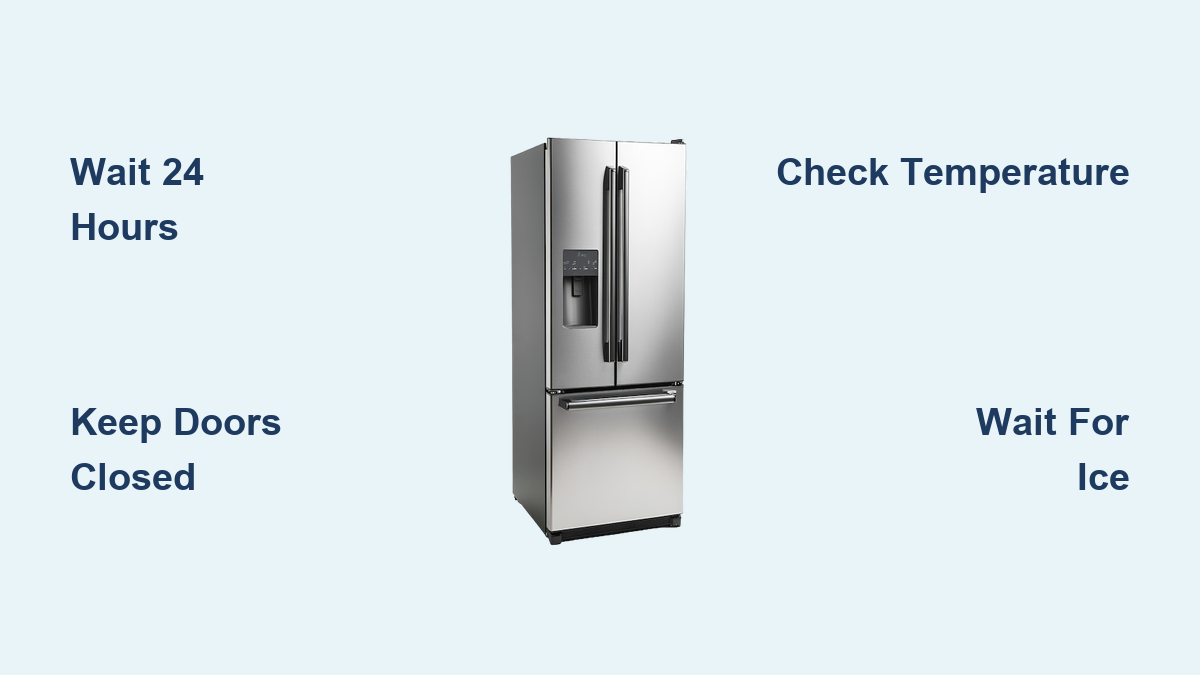
That exciting moment when your new fridge freezer arrives home brings an immediate urge to start filling it with groceries. But resist the temptation to load it right away—your appliance needs time to reach proper operating temperature before it’s safe for food storage. Most manufacturers specify a minimum 24-hour stabilization period after installation before adding food. This isn’t arbitrary advice; during these crucial hours, your refrigerator’s compressor establishes proper refrigerant flow, internal temperatures equalize throughout all compartments, and the entire cooling system stabilizes to maintain consistent conditions essential for food safety.
Understanding why this waiting period matters can prevent costly mistakes many new owners make. Rushing to stock your refrigerator too soon forces the cooling system to work harder to overcome the thermal load from room-temperature items, potentially extending the stabilization time and creating uneven cooling zones. This guide reveals exactly what happens during those critical first hours, how to configure your temperature settings correctly, when you can expect ice production to begin, and the key factors that affect cooling time so you can maximize your new appliance’s performance from day one.
Why Your New Fridge Freezer Needs 24 Hours to Cool Properly
Critical Processes During Initial Stabilization
That first 24-hour period serves multiple essential functions working together to prepare your appliance for reliable food preservation. Your refrigerator’s compressor must run continuously to lower temperatures not just in the air space, but throughout the entire thermal mass of the appliance—including walls, shelves, drawers, and door seals. Unlike a small cooler that chills quickly, a full-sized refrigerator contains significant materials that absorb cold energy before reaching equilibrium.
During this initial run, the refrigerant system establishes proper pressure ratios and flow rates that modern cooling cycles depend on. The compressor and fans operate almost nonstop for the first several hours, which is completely normal as the system works to remove heat from every corner of the interior space. Temperature sensors throughout the compartments communicate with the control board, establishing baseline readings that will maintain consistent cooling once stabilized.
The air circulation system also needs this time to create effective airflow patterns. Cold air naturally sinks while warm air rises, and without proper equalization, you might experience warmer spots that compromise food safety. The 24-hour wait ensures every area reaches the recommended 35-38°F for refrigeration and 0°F for freezing before you add food.
What Happens If You Add Food Too Soon
Adding groceries before your fridge freezer completes its stabilization period creates multiple problems that affect both food safety and appliance performance. Room-temperature items introduce significant thermal load that the cooling system must overcome, extending the stabilization time by several hours or even days. This forces the compressor to work harder than necessary, potentially causing premature wear on critical components.
More importantly, inconsistent temperatures throughout the compartments create dangerous food safety conditions. While some areas might feel cold to the touch, others—particularly in corners or behind shelves—may remain in the temperature danger zone (40-140°F) where bacteria multiply rapidly. This uneven cooling can lead to food spoilage that isn’t immediately visible, putting your household at risk.
Critical warning: Adding food too soon also affects long-term performance. When the cooling system constantly battles thermal load from new items, it never achieves proper equilibrium, which can lead to chronic temperature fluctuations that shorten your appliance’s lifespan and increase energy consumption.
Temperature Control Configuration: Getting It Right From Day One
Understanding Factory Preset Settings
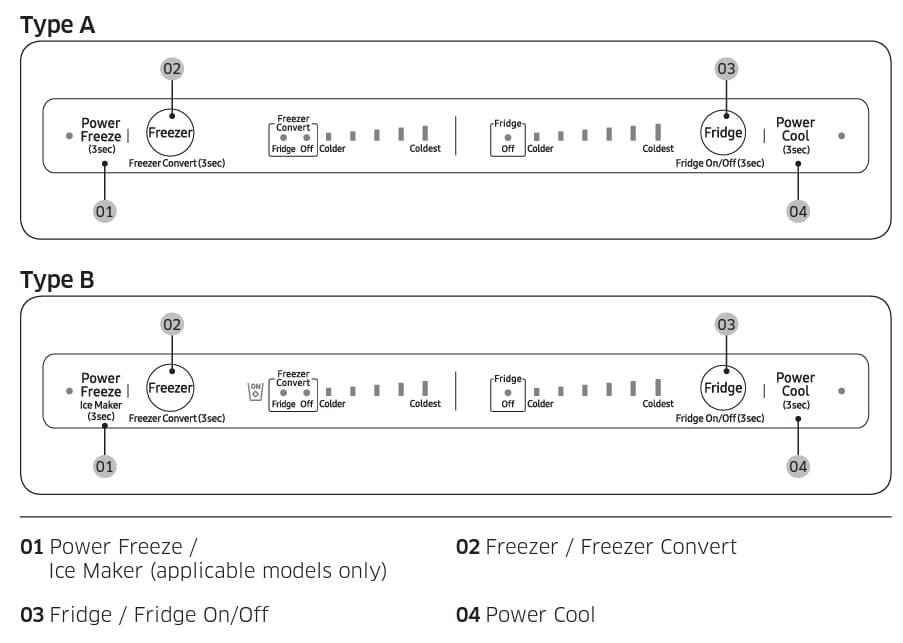
Your new fridge freezer arrives with temperature controls set to what manufacturers call the “mid setting”—a carefully calculated compromise designed for average household conditions. This default configuration typically targets approximately 37°F for the refrigerator compartment and 0°F for the freezer, though actual temperatures may vary slightly during initial stabilization.
Digital displays on newer models provide real-time feedback, but don’t be alarmed by fluctuations during the first 24 hours. The system is still establishing equilibrium, and readings will stabilize once the cooling process completes. Resist the urge to adjust settings prematurely—most users find the factory preset delivers excellent performance right out of the box once the appliance stabilizes.
Making Smart Temperature Adjustments
If you determine your refrigerator needs cooler temperatures after the initial 24 hours, follow this systematic approach:
- Adjust the control one setting colder than the current position
- Wait exactly 24 hours for the compartments to respond to the change
- Evaluate cooling performance before making additional adjustments
Jumping multiple settings at once creates confusion about what’s working and often leads to over-correction. Each adjustment requires a full day for the system to respond because the thermal mass of the appliance takes time to reach new equilibrium temperatures. Consult your owner’s manual for model-specific guidance—temperature controls vary significantly between brands and may be located inside the refrigerator, on the exterior, or behind the kick plate at the base.
Ice Production Timeline: What to Expect From Your New Freezer
When Ice Making Actually Begins
Your ice maker won’t produce ice until the freezer compartment reaches proper operating temperature, which typically happens during or shortly after the 24-hour stabilization period. The ice maker assembly remains in standby mode during initial cooling because it requires consistent 0°F conditions to function properly. Attempting to force ice production before the freezer stabilizes won’t work and could damage the ice maker mechanism.
Once the freezer reaches proper temperature, the ice maker initiates its first production cycle. However, this first batch doesn’t appear immediately—the process requires approximately three hours to fill the mold with water, freeze it into solid cubes, and harvest the finished product. This means even after the freezer cools completely, you’ll need to wait several hours before seeing your first ice cubes.
Achieving a Full Ice Bin
While the first batch emerges about three hours after the ice maker activates, filling the entire bin takes considerably longer. Most manufacturers estimate up to three days for complete fill, assuming normal household usage patterns. This extended timeline reflects both the time required to produce multiple batches and the capacity of typical ice storage bins.
During these initial days, you may notice variation in ice cube size or clarity. This is completely normal for a new system and typically resolves after several production cycles as the water supply line flushes out air bubbles and minor impurities. For fastest results, minimize unnecessary freezer door openings during this period—each opening introduces warm air that slows ice production.
Factors That Speed Up or Slow Down Cooling Time

Environmental Conditions That Affect Performance
Several variables influence how quickly your new fridge freezer reaches operating temperature, meaning the standard 24-hour guideline isn’t universal:
- Ambient room temperature: Installing in a warm kitchen (above 77°F) extends cooling time as the system battles more heat load
- Refrigerator size: Larger capacity models contain more thermal mass requiring additional cooling time
- Installation location: Units placed near heat sources (ovens, dishwashers) or in poorly ventilated spaces cool slower
- Transport position: If transported horizontally, allow 2-4 hours upright before plugging in to let refrigerant oils settle
The most significant factor you control is door opening frequency. Every time you open the door, warm air floods in while cold air escapes, forcing the compressor to restart its cooling cycle. During the critical first 24 hours, keep door openings to an absolute minimum—just a few seconds if you must check progress.
Best Practices During Initial Setup
To ensure your new fridge freezer reaches temperature as quickly as possible:
- Position properly before starting: Confirm adequate clearance (typically 2-3 inches) around the unit for ventilation
- Keep doors closed: Resist checking progress frequently—each opening adds 15-30 minutes to cooling time
- Skip the food: Don’t add even “safe” items like condiments until after the 24-hour period
- Level the appliance: An unlevel refrigerator affects compressor performance and cooling efficiency
Following these practices ensures your appliance reaches proper temperature within the standard timeframe, protecting both your food safety and the long-term health of your investment.
Summary of Critical Timeframes for New Fridge Freezer Setup
Understanding these key timelines prevents common setup mistakes that compromise your new appliance’s performance:
- 24 hours: Minimum stabilization period before adding food
- 3 hours: Time for first ice batch after freezer reaches temperature
- Up to 3 days: Time to fill ice bin completely
- 24 hours per adjustment: Required waiting period after each temperature setting change
These timeframes represent manufacturer recommendations for optimal performance. While some conditions may allow slightly faster cooling, never rush the process—allowing your fridge freezer to stabilize completely ensures consistent temperatures, reliable ice production, and maximum appliance lifespan. When in doubt, err on the side of patience; that extra day before stocking your refrigerator protects your food safety and preserves your investment for years to come.