How Long Does Puff Pastry Last in the Freezer?
Puff pastry transforms simple ingredients into show-stopping dishes, but nothing’s more frustrating than reaching for your frozen stash only to discover it’s developed freezer burn or lost its signature flakiness. Understanding exactly how long puff pastry lasts in the freezer is essential for home bakers who want perfect results every time they pull out a sheet for croissants, turnovers, or elegant appetizers. When properly stored at 0°F (-18°C) or below, unbaked puff pastry maintains peak quality for 6-8 months, though it technically remains safe to use for up to 12 months. This guide cuts through the confusion with specific timelines, storage techniques, and warning signs to help you maximize your puff pastry’s freezer life while avoiding disappointing baking results.
Unbaked Puff Pastry Freezer Lifespan
Unbaked puff pastry dough delivers the longest freezer shelf life of any pastry type because its raw state lacks moisture that could promote bacterial growth during frozen storage. When wrapped correctly and kept at a consistent 0°F (-18°C) temperature, your unbaked dough remains in peak condition for up to twelve months. However, for the best rise during baking and maximum flakiness, you’ll achieve superior results by using your frozen dough within six to eight months of freezing. Beyond this optimal window, you may notice subtle quality degradation that affects performance, even though the pastry remains technically safe to eat.
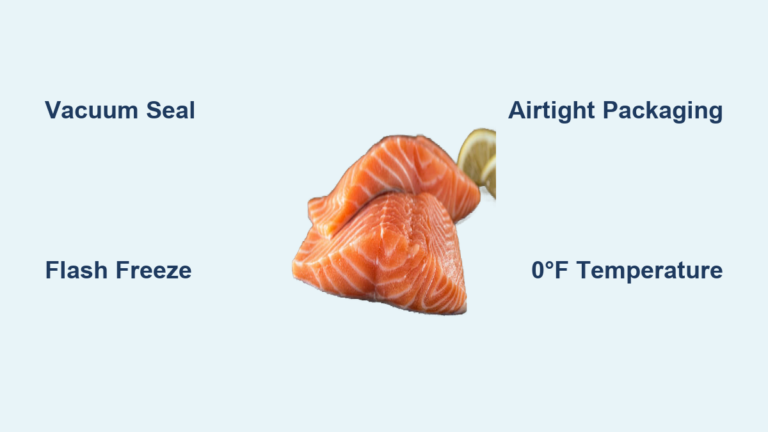
The secret to hitting that full twelve-month storage capacity lies in preventing air exposure, which causes freezer burn and moisture loss. Start by wrapping your puff pastry tightly in plastic wrap, ensuring every surface has complete coverage with no exposed areas. Then place the wrapped dough inside a heavy-duty freezer bag, pressing out all the air before sealing. This double-layer protection creates an effective barrier against freezer air. Always label each package with the freezing date using a permanent marker so you can track storage duration and use older portions first.
Baked Puff Pastry Freezer Duration
Once your puff pastry has been transformed into delicious pastries, the storage window narrows considerably but still offers impressive convenience for meal planning. Baked puff pastry products maintain acceptable quality in the freezer for two to three months, though you’ll notice some textural changes upon thawing. The baking process introduces moisture and creates a structure more susceptible to changes during frozen storage, which means your creations might emerge from the freezer slightly less crisp than when they first came out of the oven.
For optimal results with baked puff pastry, allow your creations to cool completely before freezing—this prevents condensation from forming inside the packaging, which would create soggy spots. Wrap each item tightly in aluminum foil or freezer paper, and consider wrapping individual pieces separately if you’re freezing something like turnovers or palmiers. This prevents them from sticking together and allows you to thaw only what you need. When ready to enjoy, a brief refresh in a 350°F oven for five to ten minutes restores much of the original crispness.
Commercial Puff Pastry Freezer Guidelines
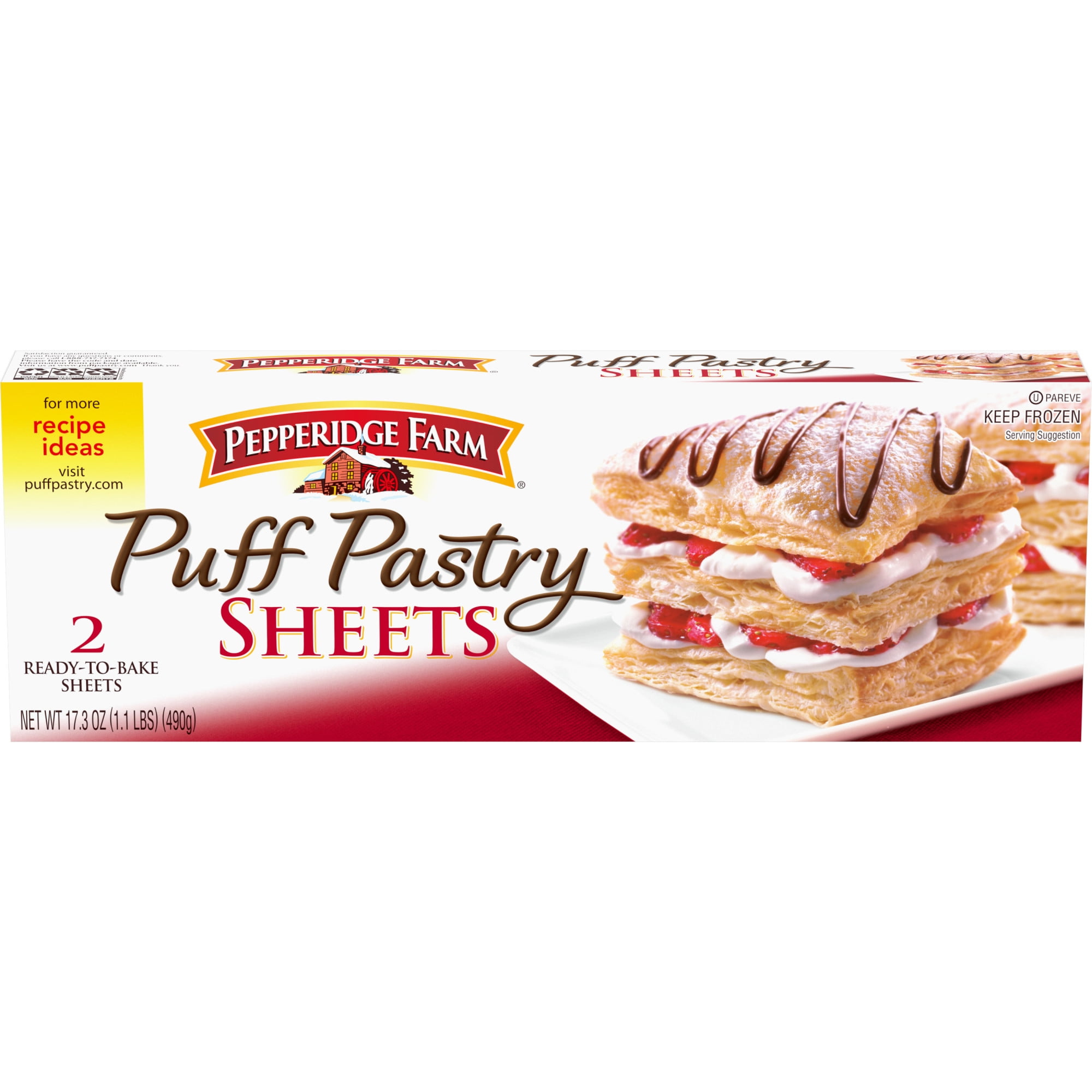
Store-bought frozen puff pastry sheets typically maintain peak quality for six to nine months when stored unopened at recommended freezer temperatures, giving you flexibility for meal planning. The extended shelf life compared to homemade dough comes from commercial stabilizers specifically formulated to maintain dough structure during frozen storage. Once you open the package, however, you should aim to use the remaining pastry within one to two months for the best baking results.
When bringing commercial puff pastry home, transfer it to your freezer immediately if not using right away. Keep it in its original packaging while unopened, as this provides adequate protection. After opening, rewrap any unused sheets using the plastic wrap and freezer bag method. Writing the date you opened the package on the outside helps you track storage time and ensures you use it while still at its best.
Recognizing Degraded Puff Pastry
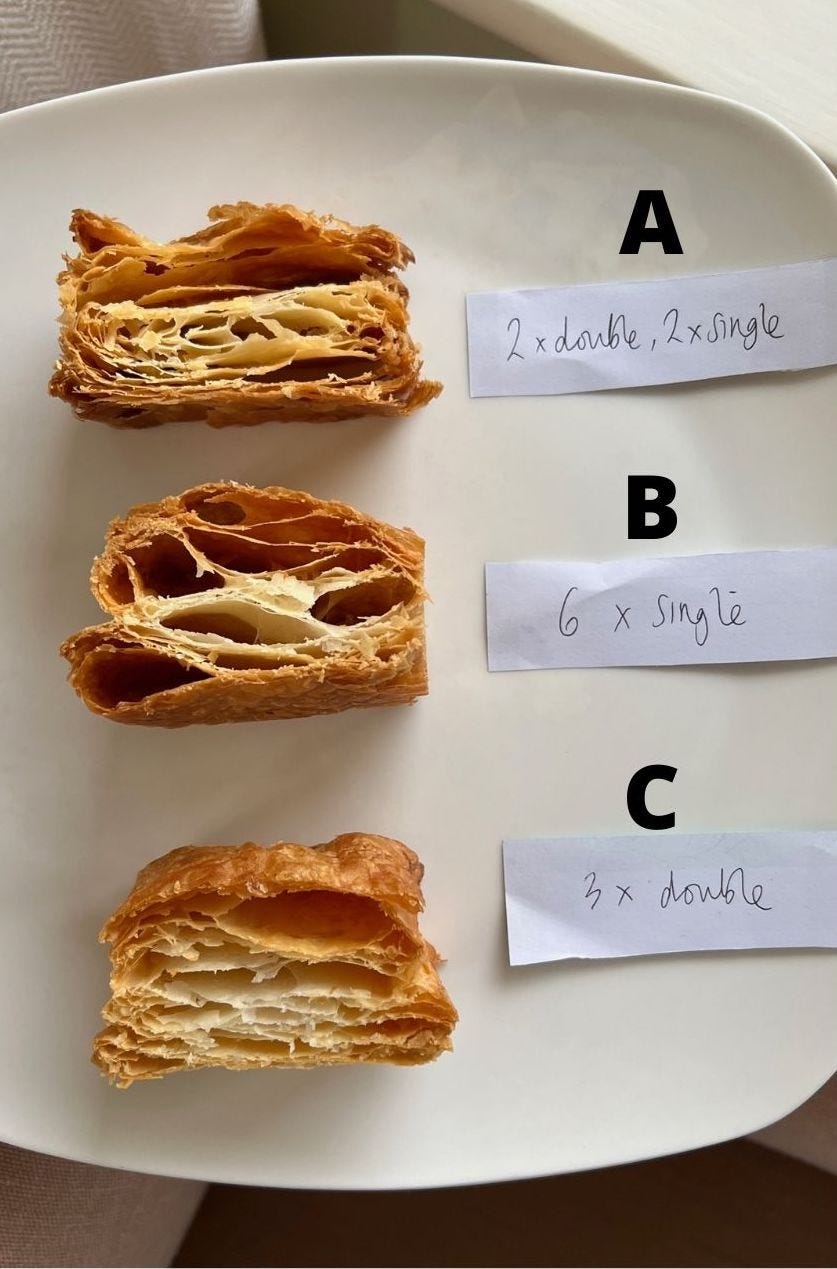
Ice crystals forming on the surface represent the most obvious indicator of freezer burn, appearing as dry, discolored patches on the pastry’s exterior. While freezer-burned pastry remains technically safe to eat, it delivers disappointing texture and flavor. The affected areas taste dry and papery rather than rich and buttery, and baked goods made from heavily freezer-burned dough won’t rise properly.
Beyond freezer burn, quality degradation often shows through textural changes that become apparent during thawing. The dough may feel overly stiff or develop a grainy texture that makes it difficult to roll out smoothly. When baked, degraded dough often fails to rise adequately, resulting in dense, flat pastry instead of the lofty, layered creation you expect. Any off-odors detected immediately upon thawing indicate the pastry should be discarded, as these suggest contamination or advanced spoilage.
Perfect Puff Pastry Freezing Technique
Proper preparation before freezing significantly extends your puff pastry’s life and preserves baking performance. For unbaked dough, decide whether to freeze it in whole sheets or portion it into smaller pieces matching your typical recipe needs. Portioning before freezing eliminates the need to thaw more dough than you’ll use, preventing quality loss from repeated thawing and refreezing cycles.
Wrap each portion tightly using the double-wrap method: first completely cover the dough with plastic wrap, then place it inside a freezer-safe bag and press out all air before sealing. This two-layer approach provides maximum protection against freezer burn. Temperature consistency proves equally important as proper packaging—maintain your freezer between -10°F and 0°F (-23°C to -18°C) to minimize ice crystal formation and prevent butter layers from separating.
Correct Puff Pastry Thawing Method
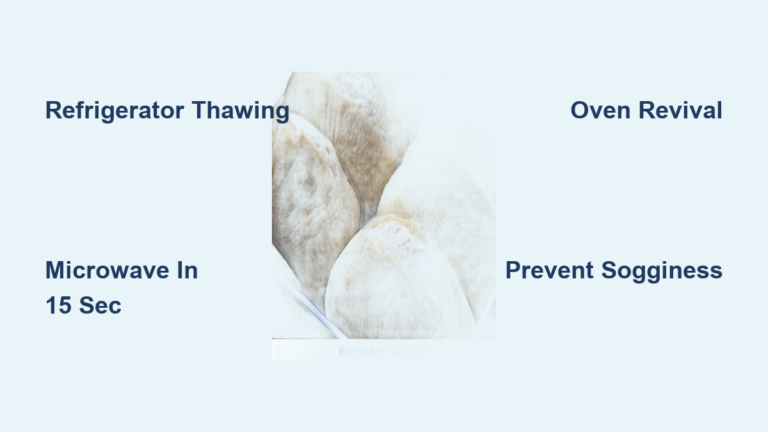
The safest and most reliable thawing method involves transferring your frozen pastry from the freezer to the refrigerator and allowing it to thaw slowly over eight to twelve hours, ideally overnight. This gradual process preserves the pastry’s delicate structure and prevents the butter layers from becoming too soft before baking. When you wake up, your dough should be thoroughly thawed but still cool to the touch and perfectly pliable for rolling.
When time is tight, room temperature thawing works if monitored carefully for thirty to sixty minutes. Place the still-wrapped pastry on your countertop and check it every fifteen minutes, feeling for flexibility through the packaging. The dough should feel cool but pliable—no warm spots, which indicate melting butter. Never use the microwave to thaw puff pastry, as uneven heating partially cooks the dough and destroys rising potential. Once thawed, unbaked puff pastry stays fresh in the refrigerator for two to three days.
Handling Filled and Homemade Puff Pastry
Fruit-filled pastries freeze successfully for two to three months, with the fruit’s natural acidity helping preserve flavor and texture. However, custard or cream-filled varieties should be limited to just one month in the freezer, as dairy-based fillings are prone to texture changes during storage. Pastries topped with egg washes may develop soggy surfaces when frozen, so apply these finishes only after thawing and just before baking.
Homemade puff pastry typically contains higher butter content than commercial versions, giving it a slightly shorter freezer life despite lacking preservatives. While still safe to freeze for the full duration, homemade dough is best used within three to four months for peak quality. The extra butter creates richer flavor but also makes the dough more susceptible to texture changes during extended frozen storage.
Maximizing Puff Pastry Quality Over Time
Implement a first-in-first-out rotation system by labeling each package with its freezing date and placing newly frozen items in the back of your freezer while moving older items to the front. A quick weekly glance at freezer contents keeps this system working smoothly and prevents discovering forgotten dough that’s been frozen too long.
Before committing thawed puff pastry to an important recipe, conduct a quick quality test by unrolling a small section and checking flexibility. The dough should feel supple and pliable without being sticky or overly dry—bend it gently to see if it cracks. If your pastry shows only minor freezer burn on the edges, trim these away and use the remaining dough. Save pastries with noticeable quality issues for applications where minor textural problems won’t matter much.
Essential Puff Pastry Freezer Safety Tips
While frozen storage extends puff pastry’s shelf life, certain safety principles always apply. Any pastry that has experienced temperature fluctuations—due to power outages or inconsistent freezer temperatures—requires careful evaluation before use. Signs of thawing and refreezing, such as large ice crystals throughout packaging or water pooling at the bottom of the bag, indicate potential quality and safety concerns.
The USDA confirms that frozen foods maintained at 0°F or below remain safe indefinitely from a bacterial perspective, but quality considerations make the timeframes outlined here far more practical for home cooks seeking excellent baking results. By following these guidelines for proper packaging, consistent freezer temperatures, and recommended thawing procedures, you’ll minimize waste, save money, and always have perfectly flaky puff pastry ready for your culinary creations.