How Long Does a Freezer Take to Get Cold?
Waiting for your freezer to reach that crucial freezing temperature can feel like watching paint dry—especially when you’re eager to stock it with groceries or recover from a power outage. The frustrating reality is there’s no single answer to “how long does it take a freezer to get cold” because multiple variables affect cooling time. Most freezers require 4-24 hours to reach the safe 0°F temperature needed for food preservation, but this window can stretch significantly depending on your specific circumstances. Whether you’ve just unboxed a brand-new appliance or are recovering from an unexpected power failure, understanding the actual cooling timeline prevents costly mistakes like premature food loading that could spoil your groceries or compromise safety. This guide delivers precise timeframes based on real-world testing, manufacturer specifications, and user experiences—so you’ll know exactly when your freezer is truly ready for action.
New Freezer Cooling Timeline: What to Expect Hour-by-Hour
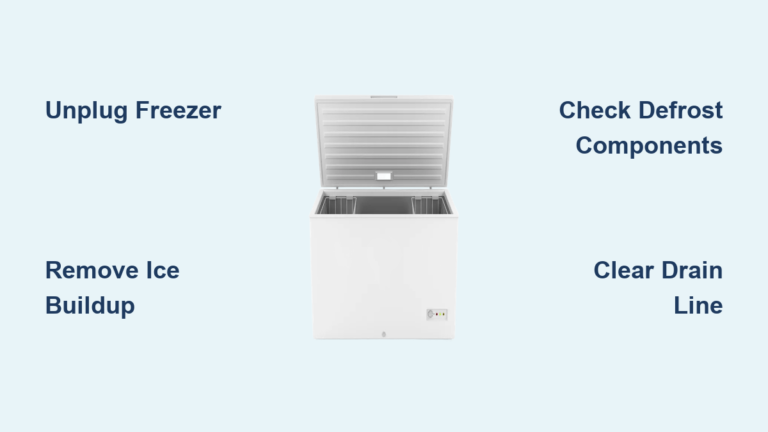
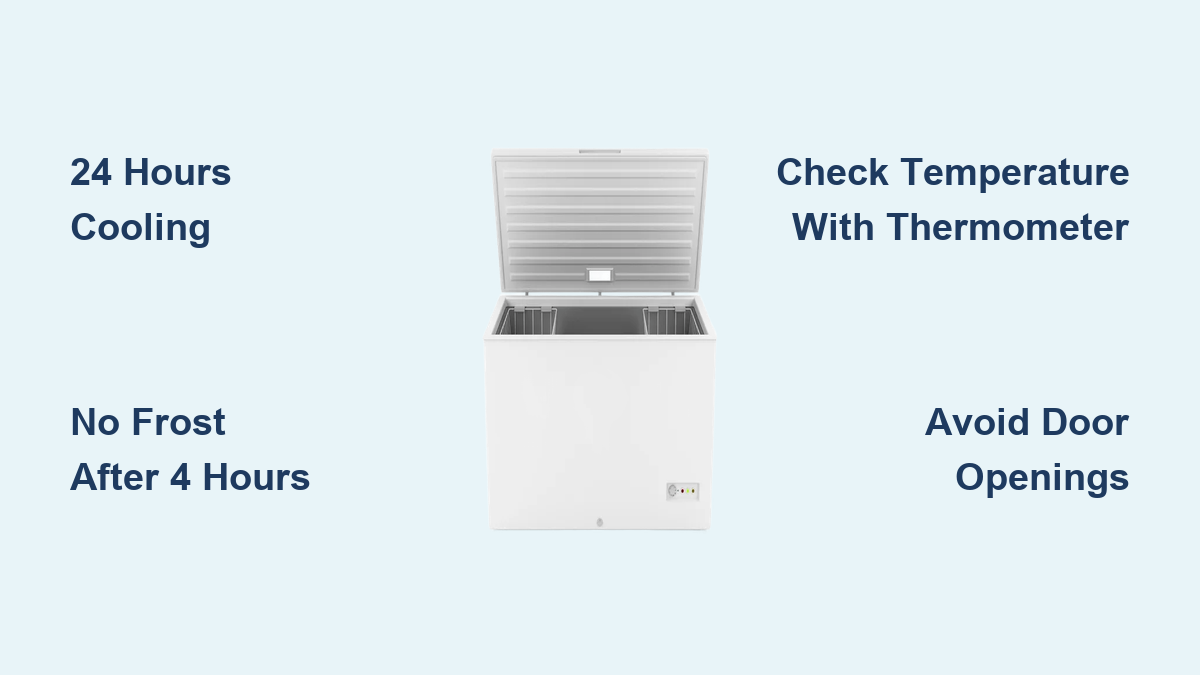
Don’t rush the setup process—manufacturers universally recommend running your new freezer for a full 24 hours before adding food. This critical stabilization period allows the refrigeration system to complete multiple cooling cycles and establish consistent temperature performance. During these first hours, the compressor builds the necessary cold reservoir to maintain stable temperatures even when the door opens briefly.
Real-world chest freezer owners report significant variations in actual cooling times. One Insignia 7.0 cubic foot model owner noted frost began forming within 45 minutes on a mid-range thermostat setting, with the interior reaching freezing temperatures within 2 hours. Others report longer timelines, with some experiencing full cooling only after 24 hours. These differences stem from factors like room temperature (a garage at 80°F versus a basement at 55°F), voltage consistency, and thermostat calibration. To ensure food safety, resist the temptation to load items prematurely—even if the exterior walls feel cold to the touch. Wait the full 24 hours before adding groceries, as surface temperature doesn’t reflect internal conditions.
First 4 Hours: Critical Cooling Phase
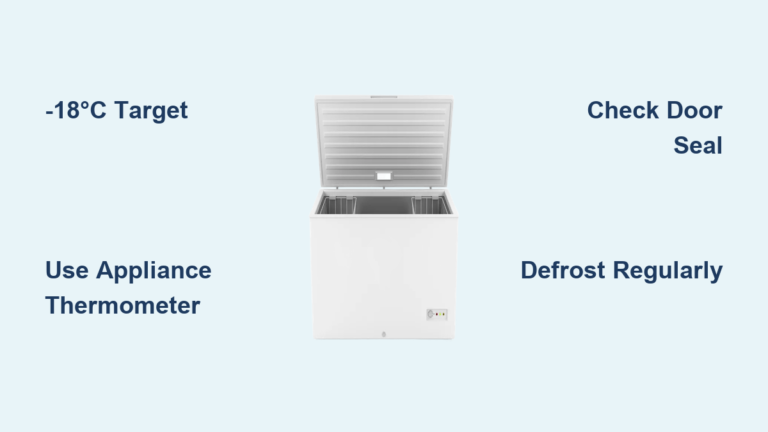
Watch for these visual indicators during the initial cooling phase: frost should begin forming near the top interior walls within the first hour. This frost pattern typically migrates downward over the next 24 hours, reaching about three-quarters of the way to the bottom. If you don’t see any frost formation after 4 hours despite hearing the compressor running, this indicates potential problems with refrigerant levels or compressor function. Use a standalone freezer thermometer (not the built-in display) to verify actual temperatures—many users make the mistake of trusting the appliance’s internal gauge too soon.
Power Outage Recovery: How Long Until Safe Temperatures Return
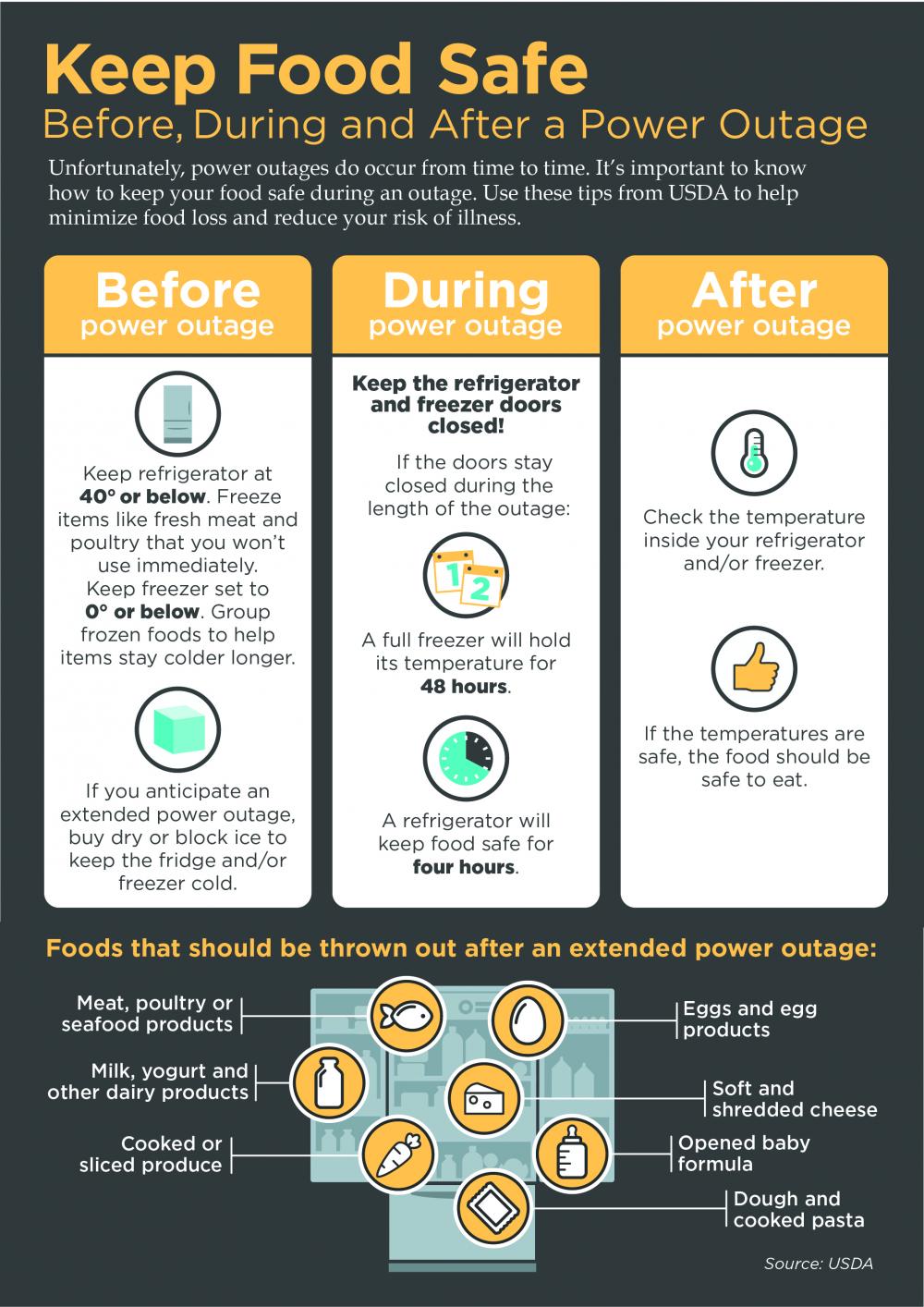
A freezer packed with food during a power outage requires 24-48 hours to return to the safe 0°F temperature after power restoration. The frozen food acts as thermal mass, helping maintain cold temperatures during the outage but requiring substantial energy to refreeze once power returns. This explains why a full freezer keeps food frozen longer during outages but takes longer to recover.
Empty vs. Full Freezer Recovery Times
- Full freezer: 24-48 hours to reach 0°F (frozen food provides thermal mass)
- Half-full freezer: 18-30 hours (less thermal mass to refreeze)
- Empty freezer: 12-24 hours (cools fastest but lacks thermal stability)
Frequent door openings during the outage dramatically extend recovery time. Each opening introduces warm, humid air that must be removed once power returns. For every 20 minutes the door was open during the outage, add approximately 2 hours to your recovery timeline.
5 Warning Signs Your Freezer Isn’t Cooling Properly
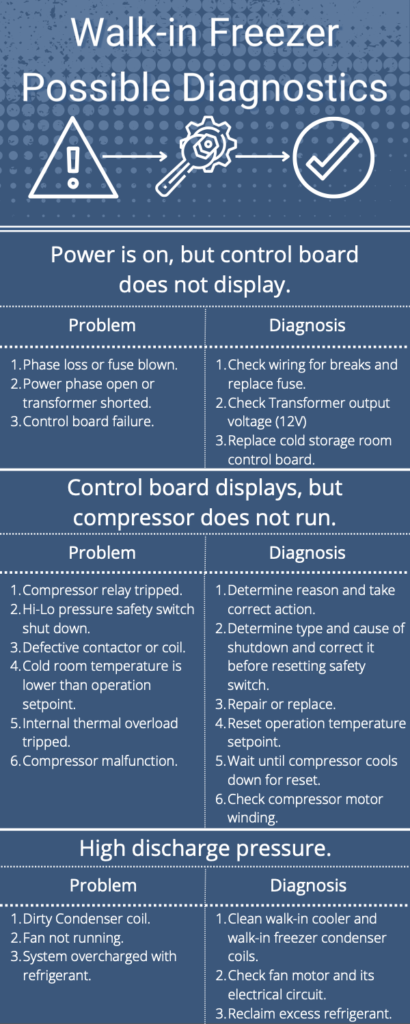
Don’t wait weeks to discover your freezer has a serious problem—these early indicators help you identify cooling issues before they spoil your food:
- No frost formation after 4 hours despite hearing the compressor run (indicates refrigerant leak)
- Exterior walls feel warm rather than cool to the touch (sign of condenser coil problems)
- Compressor running continuously without temperature drop (suggests refrigerant issues)
- Interior temperature stays above 20°F after 12 hours (thermostat or defrost system failure)
- Excessive frost buildup on one side only (airflow obstruction or door seal failure)
Perform the paper test on your door seal: close a dollar bill in the door seam—if you can pull it out easily, the seal is compromised and warm air is infiltrating. Replace damaged seals immediately to prevent extended cooling times.
4 Factors That Double Your Freezer’s Cooling Time (And How to Fix Them)
Room temperature significantly impacts cooling efficiency—freezers in 80°F environments work twice as hard as those in 55°F spaces. Position your appliance away from heat sources like ovens, direct sunlight, or heating vents to reduce cooling time by up to 40%.
Critical Cooling Accelerators
- Thermostat setting: Start at position 4 (mid-range) rather than maximum cold
- Initial temperature: Allow the unit to acclimate to room temperature (60-70°F) before plugging in
- Airflow clearance: Maintain 3-4 inches of space around all sides for proper ventilation
- Door discipline: Avoid opening during the first 24 hours (each opening adds 30+ minutes to cooling time)
Clean condenser coils before initial use—dust buildup can increase cooling time by 25%. Use a coil brush and vacuum to remove debris from coils located on the back or beneath the unit.
Food Safety Countdown: When It’s Safe to Load Your Freezer
Never load food until your freezer consistently maintains 0°F for at least 4 consecutive hours. Use a standalone thermometer placed in the center of the freezer—not near walls—to verify actual temperatures. During the critical cooling phase, frozen food items require temperatures below 0°F to prevent bacterial growth.
Food Safety Timeline After Power Restoration
| Time Since Power Restoration | Safe to Add? | Food Status |
|---|---|---|
| 0-12 hours | ❌ No | Monitor temperature |
| 12-24 hours | ⚠️ Only non-perishables | Verify 0°F consistently |
| 24+ hours | ✅ Yes | Full loading safe |
Discard any food that remained above 40°F for more than 2 hours during the outage. Never refreeze items that have completely thawed—bacterial growth occurs rapidly between 40-140°F.
Proven Techniques to Cut Cooling Time by 30%
Strategic placement of frozen water bottles in an empty freezer can reduce cooling time by accelerating thermal mass development. Place 4-6 half-filled bottles around the interior to absorb heat without overloading the compressor. Avoid using warm items—this forces the system to work harder and actually extends cooling time.
Smart Loading Sequence for New Freezers
- Hour 0: Plug in empty freezer with thermostat at position 4
- Hour 4: Add frozen water bottles (½ full)
- Hour 12: Add pre-frozen items (no warm food)
- Hour 24: Begin regular loading with refrigerated items
- Hour 36: Add room-temperature items gradually
Check if your model has a “quick freeze” button—Bosch’s SuperCool feature, for example, drops temperatures 30% faster before automatically disabling after six hours. Consult your manual for model-specific acceleration features.
When to Call a Professional vs. Replace Your Freezer
If your freezer shows no temperature drop after 8 hours despite the compressor running, professional service is likely needed. Freezers older than 10 years often develop refrigerant leaks that worsen when unplugged—tubing pressure can jump from 3 PSI to 80 PSI when warm, exacerbating small leaks. For units over 15 years old, replacement typically makes more financial sense than repair due to modern energy efficiency improvements.
Cost-Benefit Analysis: Repair vs. Replace
- Repair cost: Average $250-$500 for refrigerant recharge or compressor replacement
- New freezer cost: $200-$500 for basic models
- Energy savings: New units use 40-60% less electricity than 15-year-old models
If your freezer hasn’t reached 10°F after 48 hours of continuous operation, the appliance likely has a fundamental issue requiring professional assessment. Modern freezers should consistently maintain 0°F within 24 hours under normal conditions—anything longer suggests a problem needing expert attention.
Final Note: A properly functioning freezer reaches safe 0°F temperatures within 24 hours under ideal conditions, but numerous factors can extend this timeline. By understanding the specific cooling patterns for your model, monitoring actual temperatures with a standalone thermometer, and avoiding common mistakes like premature loading, you’ll ensure your appliance performs optimally from day one. Remember that patience pays off—rushing the cooling process risks food spoilage and compromises your freezer’s long-term efficiency. For new purchases, always observe the full 24-hour stabilization period, and after power outages, verify temperatures consistently before reloading perishable items.