How Long Does Frozen Fruit Last in the Freezer?
You’ve probably stood in front of your freezer, holding a bag of frozen berries you bought months ago, wondering: “Is this still good?” When fruit disappears into the freezer, it’s easy to forget about it until you’re ready to use it. The truth is, frozen fruit presents a unique challenge—it won’t make you sick after typical storage periods, but its quality can significantly deteriorate over time. Understanding the difference between food safety and food quality is crucial when determining how long your frozen fruit remains enjoyable to eat. This guide will help you navigate the realities of frozen fruit storage without relying on arbitrary expiration dates.
Why Frozen Fruit Never Truly “Expires” But Loses Quality
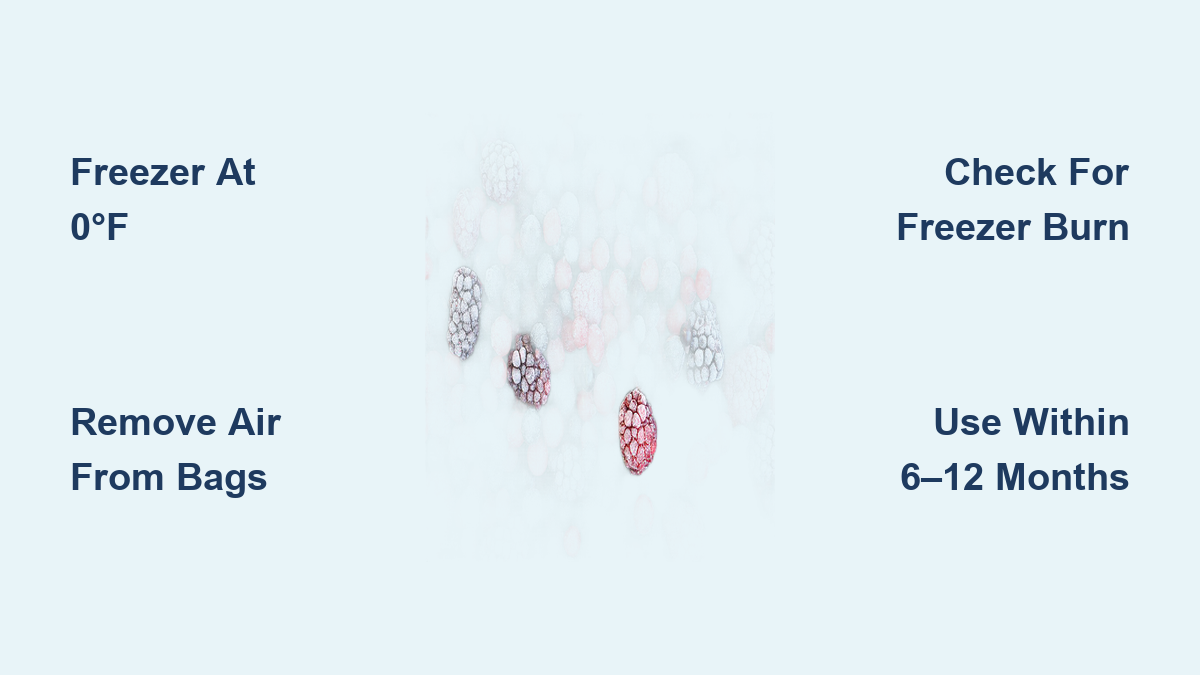
Frozen fruit remains safe to eat indefinitely when stored at 0°F (-18°C) or below because bacteria cannot grow at these temperatures. However, the quality degrades over time due to freezer burn and oxidation. Freezer burn occurs when moisture escapes from the fruit, leaving dry, discolored spots that affect texture and flavor but don’t make the fruit unsafe. Proper packaging is your first line of defense against quality loss, as air exposure accelerates these deterioration processes.
What Causes Frozen Fruit to Deteriorate in Quality
When fruit freezes, the water inside forms ice crystals that can rupture cell walls. Over extended periods, these ice crystals migrate to the surface of the fruit through a process called sublimation, leaving behind dehydrated areas. This is why you might find your frozen strawberries developing white, leathery patches after several months. The presence of oxygen in the packaging allows for oxidation, which can cause color changes and off-flavors in susceptible fruits like peaches and apples.
How Packaging Affects Frozen Fruit Longevity
The container you use dramatically impacts how long your frozen fruit maintains peak quality. Store-bought frozen fruit typically uses multi-layer packaging designed to minimize air exposure, while home-frozen fruit often suffers from inadequate protection. Vacuum-sealed bags provide the best protection, followed by rigid containers with tight-fitting lids. Avoid using thin plastic bags that allow air penetration, as these will significantly shorten your fruit’s quality lifespan.
Factors That Determine Frozen Fruit Shelf Life
:max_bytes(150000):strip_icc()/FoodExpiration_Produce-100-335a9a218f3544268b371acff4b11c66.jpg)
Several variables influence how long frozen fruit maintains acceptable quality, making it impossible to provide a single definitive timeframe that applies to all situations. The specific conditions in your freezer, the type of fruit, and how it was prepared before freezing all play critical roles in determining when that bag of mixed berries might be past its prime.
Temperature Stability Matters More Than You Think
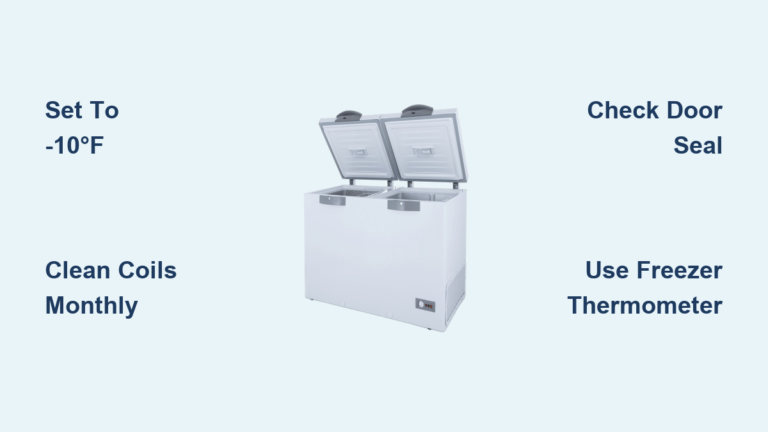
Fluctuating freezer temperatures cause partial thawing and refreezing, which creates larger ice crystals that damage fruit texture. A freezer that maintains a consistent 0°F (-18°C) or lower preserves quality significantly longer than one that cycles between -5°F and 5°F. Consider investing in a freezer thermometer to verify your appliance maintains proper temperatures, especially if you notice excessive ice buildup or inconsistent freezing.
Different Fruits Have Different Freezer Tolerances
Not all fruits withstand freezing equally well. High-water-content fruits like watermelon suffer more texture damage than denser fruits like cherries. Berries generally maintain quality longer than stone fruits, which can become mushy after thawing. Citrus segments freeze well but may develop off-flavors faster than other fruits due to their chemical composition. Understanding these differences helps set realistic expectations for each type of fruit in your freezer.
Recognizing When Frozen Fruit Has Declined in Quality

Rather than relying on arbitrary time limits, learning to identify quality indicators helps determine if your frozen fruit is still worth using. These visual and textural cues provide more reliable information than any calendar date printed on packaging.
Visual Signs Your Frozen Fruit Has Deteriorated
Examine your frozen fruit for these quality indicators:
– Large ice crystals coating the fruit or lining the container
– Discoloration beyond the fruit’s natural color variation
– Dry, white patches indicating freezer burn
– Excessive clumping that doesn’t separate easily
– Ice crystals that appear yellowed or cloudy rather than clear
Texture and Flavor Changes After Thawing
When you thaw frozen fruit, pay attention to these quality markers:
– Unusually soft or mushy texture compared to fresh
– Lack of natural fruit aroma
– Flat or “off” flavors that don’t taste fresh
– Excessive liquid release beyond normal thawing
– Unpleasant aftertastes that weren’t present when originally frozen
Best Practices for Maximizing Frozen Fruit Quality
Implementing proper storage techniques can significantly extend the period during which your frozen fruit maintains acceptable quality. These methods focus on minimizing the factors that cause deterioration while preserving as much of the original texture and flavor as possible.
Optimal Packaging Methods for Home Freezing
When freezing fruit at home, follow these steps for best results:
1. Blanch certain fruits like peaches or apples briefly to preserve color
2. Spread fruit in a single layer on a baking sheet before freezing
3. Transfer fully frozen pieces to airtight containers or vacuum-sealed bags
4. Remove as much air as possible from storage containers
5. Label containers with contents and freezing date
Ideal Freezer Organization for Quality Preservation
Your freezer’s organization affects frozen fruit quality more than you might realize:
– Store frozen fruit toward the back of the freezer where temperatures are most stable
– Avoid overfilling your freezer, which restricts proper air circulation
– Keep freezer at least three-quarters full for optimal temperature stability
– Designate specific areas for frequently accessed versus long-term storage items
– Rotate stock using the “first in, first out” principle
Using Frozen Fruit at Different Quality Stages
Understanding how to use frozen fruit based on its current quality stage helps minimize waste while ensuring enjoyable results. Even fruit showing some signs of quality decline can often be repurposed effectively.
Premium Quality Frozen Fruit (0-6 months)
Fruit in this category maintains near-fresh characteristics and works well for:
– Eating raw after thawing
– Adding to yogurt or cereal
– Making smoothies where texture matters
– Preparing fruit salads
– Creating sorbets or light desserts
Moderate Quality Frozen Fruit (6-12 months)
Fruit showing minor quality changes still has many excellent uses:
– Baking in muffins, cakes, or breads
– Making sauces and compotes
– Creating fruit-filled pastries
– Adding to oatmeal or hot cereals
– Blending into thicker smoothies
Declining Quality Frozen Fruit (12+ months)
Even significantly degraded frozen fruit can be useful:
– Making jams or preserves
– Creating fruit-flavored syrups
– Adding to baked goods where texture isn’t critical
– Using in cooked sauces for meats or desserts
– Blending into smoothie bowls where appearance matters less
Thawing Techniques That Preserve Remaining Quality
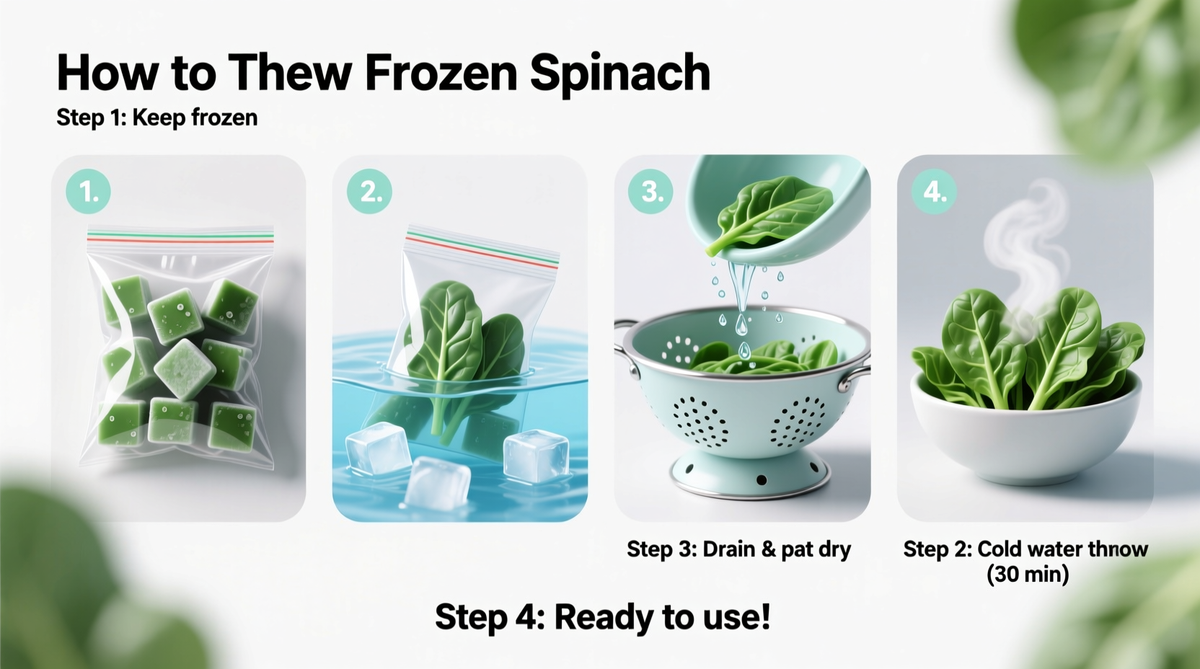
How you thaw frozen fruit significantly impacts its final texture and usability. Different applications call for different thawing methods to maximize the remaining quality of your frozen fruit.
Best Thawing Methods by Usage Scenario
For immediate consumption:
– Thaw in the refrigerator for 6-12 hours
– Place in a colander to drain excess liquid
– Pat dry with paper towels before serving
For baking applications:
– Use partially frozen fruit to prevent sinking in batters
– Toss fruit in flour before adding to mixtures
– Avoid complete thawing to maintain structural integrity
For smoothies and blended drinks:
– Add directly from frozen for optimal thickness
– No need to thaw when using in cold applications
– Combine with liquid ingredients to facilitate blending
When to Discard Frozen Fruit
While frozen fruit remains safe indefinitely, there comes a point when quality deterioration makes it impractical to use. Recognizing when frozen fruit has passed this threshold helps prevent wasted effort and disappointing results.
Clear Indicators It’s Time to Discard
Throw out frozen fruit showing these signs:
– Unpleasant, sour, or fermented odors after thawing
– Visible mold growth (extremely rare in properly frozen fruit)
– Significant texture breakdown resulting in complete mushiness
– Off-flavors that persist after cooking
– Evidence of temperature fluctuations like large ice chunks
Economic Considerations for Discarding Frozen Fruit
Consider these factors before discarding older frozen fruit:
– The cost of the fruit versus potential waste
– How the fruit will be used in your intended application
– Whether quality degradation affects your specific use case
– Alternative uses for marginally degraded fruit
– Your personal quality standards for consumption
Practical Freezer Management for Frozen Fruit
Implementing a simple system for managing your frozen fruit inventory helps ensure you use items while they’re still at their best quality. These organizational strategies take minimal effort but pay significant dividends in reduced waste and better results.
Simple Tracking Methods for Home Freezers
Create an effective tracking system with these approaches:
– Use consistent labeling with freezing dates
– Maintain a freezer inventory list on your refrigerator
– Group similar items together by freezing date
– Designate a “use first” section for older items
– Check inventory monthly during routine cleaning
Incorporating Frozen Fruit Into Meal Planning
Maximize quality by planning usage based on storage duration:
– Schedule smoothie days featuring recently frozen fruit
– Plan baking projects using moderately aged fruit
– Designate “clean out the freezer” meals monthly
– Match fruit quality to appropriate recipes
– Share excess with friends before quality declines
Final Note: Frozen fruit’s shelf life isn’t measured in strict expiration dates but in gradual quality changes. By understanding the factors that affect quality degradation and learning to recognize the signs, you can make informed decisions about when to use or discard your frozen fruit. Proper packaging, consistent freezer temperatures, and smart inventory management significantly extend the period during which frozen fruit remains enjoyable to eat. Remember that frozen fruit remains safe indefinitely when properly stored, so your decisions should focus on quality rather than safety concerns. Implement these strategies to minimize waste while enjoying the convenience of frozen fruit year-round.