How Long Can Vacuum Sealed Meat Last in the Freezer
When you invest in premium cuts of meat or stock up during sales, the last thing you want is for that investment to degrade before you have a chance to use it. Vacuum sealing has transformed freezer storage from a short-term solution into a long-term preservation method that rivals commercial food processing. Understanding exactly how long vacuum sealed meat can last in the freezer helps you maximize both safety and quality in your frozen food storage while dramatically reducing food waste.
The science behind vacuum sealing is straightforward yet powerful: removing oxygen from the packaging dramatically slows oxidation and bacterial growth that cause meat to deteriorate. This simple process can extend freezer storage time by two to three times compared to conventional wrapping methods. However, the exact timeline varies significantly depending on the type of meat, how it was packaged, and how consistently your freezer maintains the proper temperature.
Beef, Pork, and Lamb Storage Durations
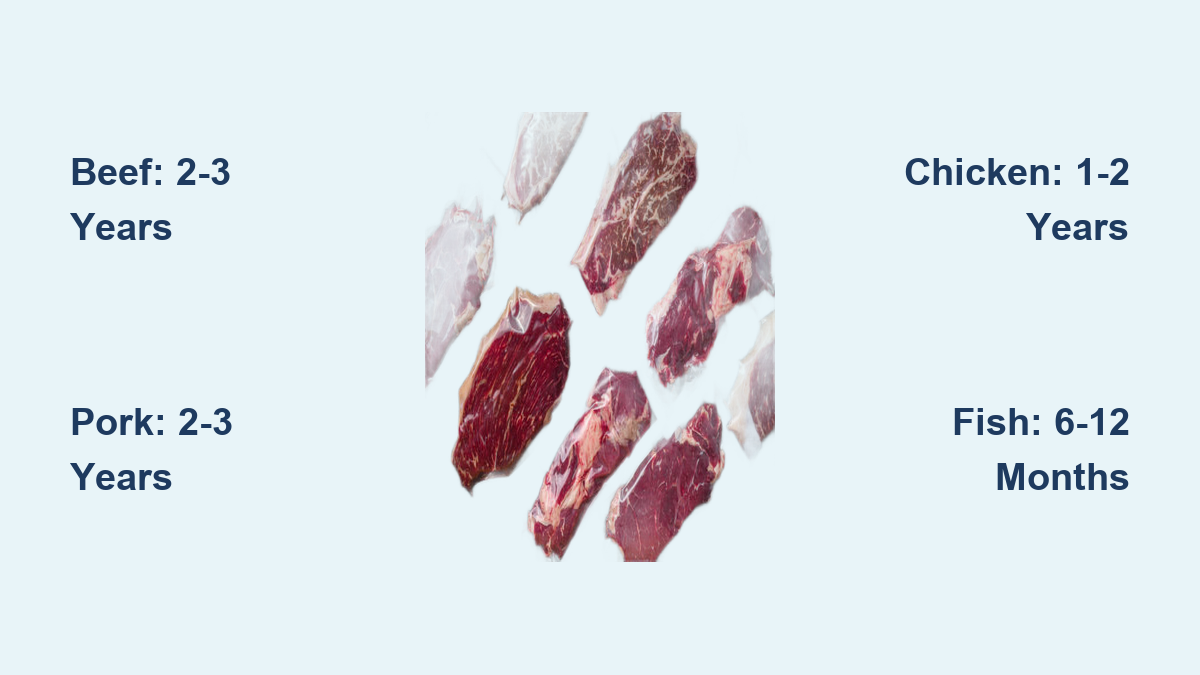
Vacuum sealed beef maintains excellent quality for 2 to 3 years when your freezer stays at 0°F (-18°C) or below. This remarkable extension—from the typical 4-12 months you’d expect with conventional packaging—makes vacuum sealing particularly valuable for beef purchases. Whether you’re stocking up on steaks during a sale or portioning a wholesale package into meal-sized servings, the multi-year quality window gives you unprecedented flexibility in your meal planning.
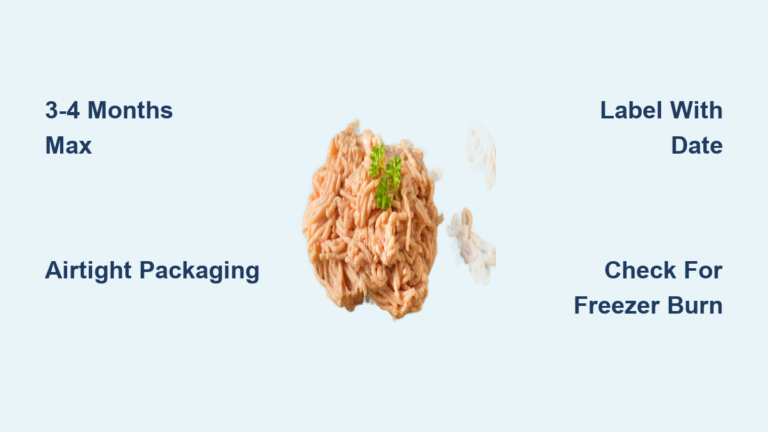
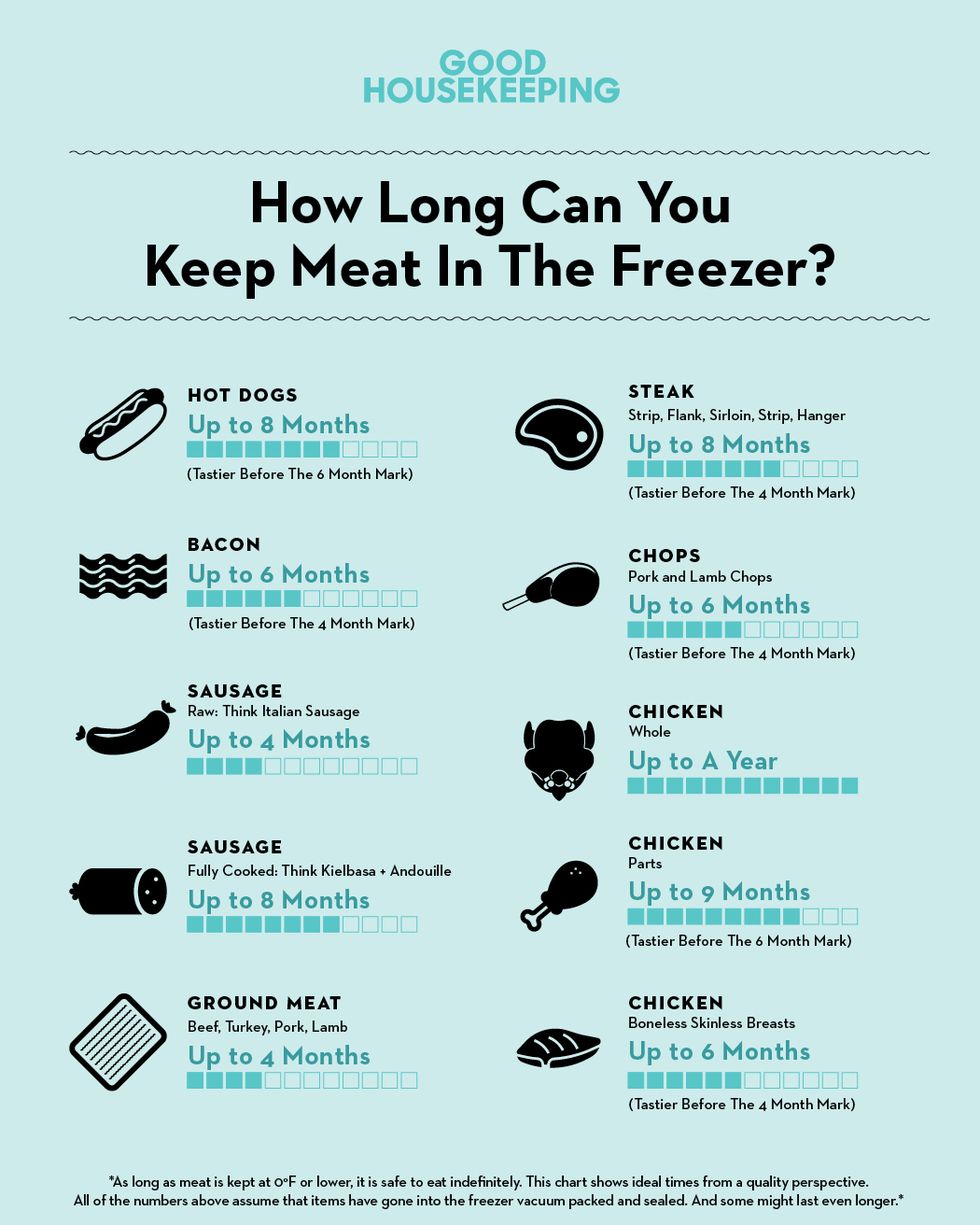
Pork follows similar timelines, with vacuum sealed chops, roasts, and ground pork retaining quality for 2 to 3 years in the freezer. Ground pork, like all ground meats, has a shorter quality window of 6-12 months due to increased surface area exposure. This means that while whole cuts can push toward that 3-year mark, ground products benefit from being used within the first year for optimal flavor and texture.
Lamb presents more variation, with vacuum sealed cuts maintaining quality for anywhere from 6 months to 2 years depending on the specific cut and initial quality. Ground lamb falls on the shorter end of this spectrum, with a recommended quality window of 6-12 months, while intact muscle cuts like roasts and chops can extend toward the 2-year mark. The stronger flavor of lamb means that quality subtleties become more apparent over extended storage.
Why Ground Meats Have Shorter Shelf Life
Ground meats degrade faster because the increased surface area exposes more meat to potential oxidation. When meat is ground:
– Bacteria gets distributed throughout the product
– More fat becomes exposed to oxygen
– The structure that normally protects muscle fibers is broken down
For best results with ground meats, portion them into single-meal servings before sealing to avoid repeated thawing and refreezing, which further degrades quality.
Poultry and Game Meat Timelines
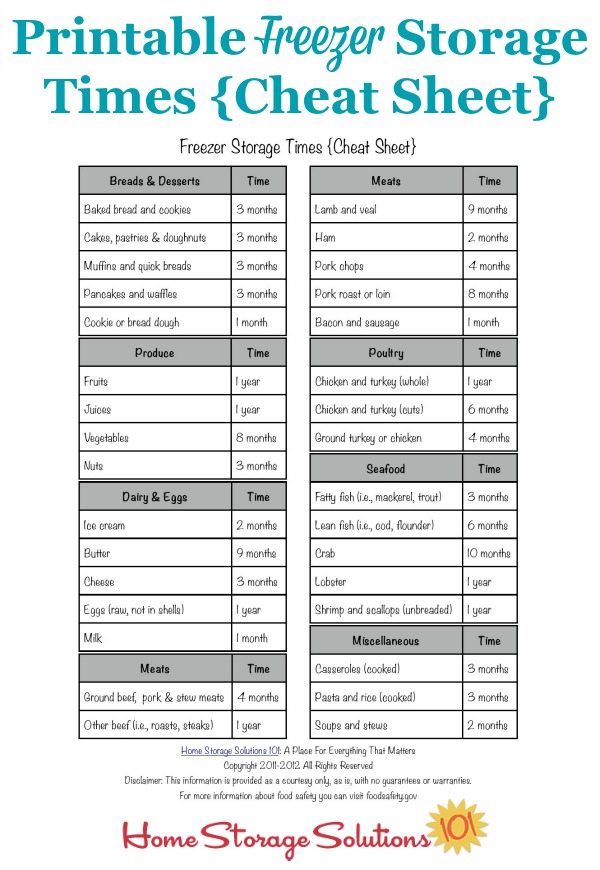
Chicken and poultry require shorter storage windows than red meat, with vacuum sealed chicken maintaining quality for 1 to 2 years in the freezer. The USDA recommends consuming frozen poultry within 9-12 months for best quality, though vacuum sealing can push this timeline somewhat further. Whole birds and bone-in cuts tend to maintain quality slightly better than boneless, skinless breasts because the bones and skin provide some natural protection against freezer burn and texture degradation.
Wild game and venison represent one of the most valuable applications for vacuum sealing, as hunters often need to preserve large quantities of meat over extended periods. Properly sealed venison maintains quality for approximately 2 years, allowing you to spread consumption across multiple hunting seasons without quality sacrifice. Remember that quality starts with proper field handling—the best vacuum sealer can’t compensate for meat that sat at marginal temperatures before packaging.
Fish and Seafood Quality Lifespan
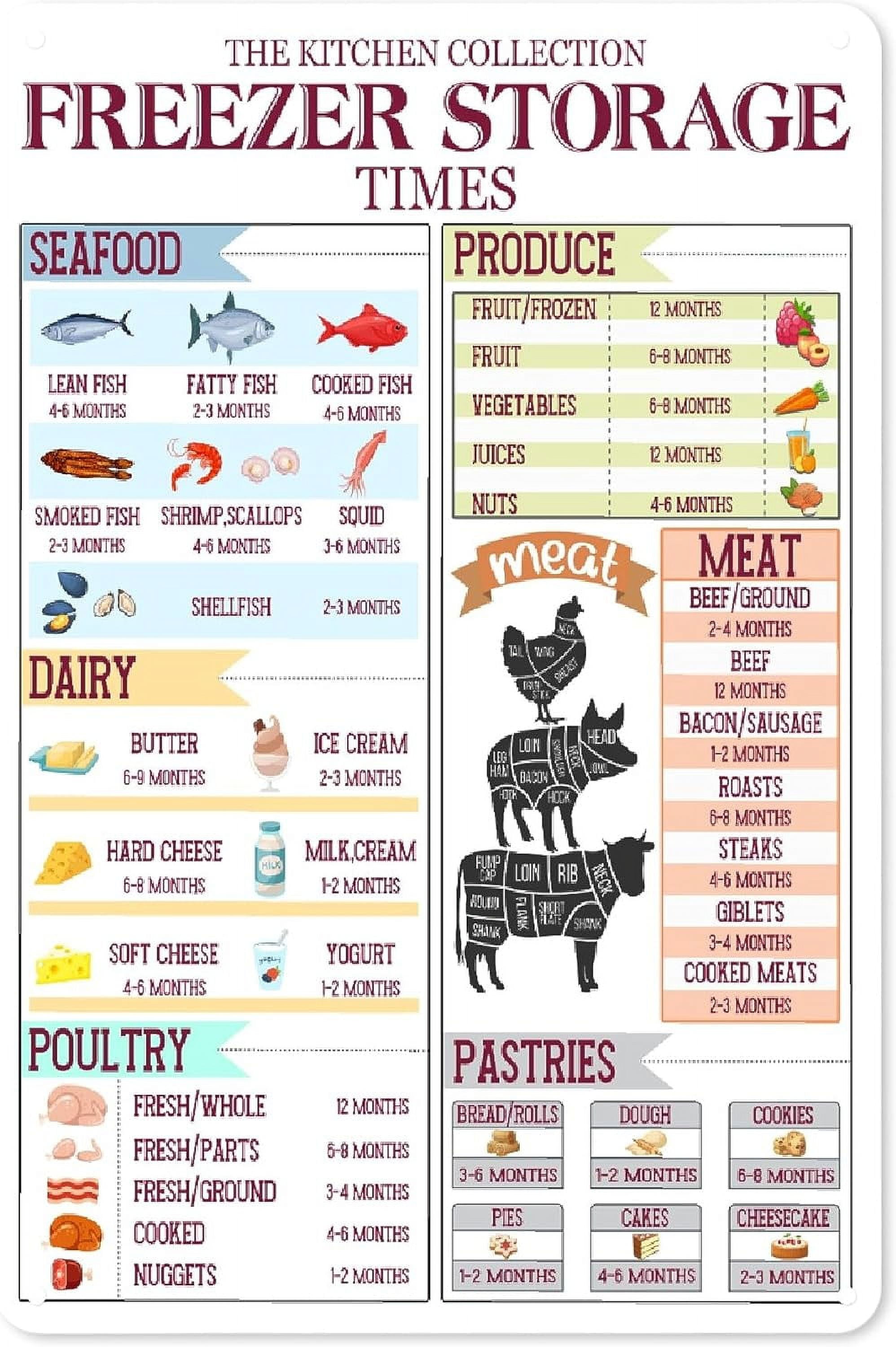
Fatty fish like salmon, mackerel, and tuna have shorter quality windows due to their higher fat content, which makes them more susceptible to oxidation over time. Vacuum sealed fatty fish retain quality for 6-9 months in the freezer, and for best results, you should plan to consume them within this window. The delicate flavor profiles of these fish mean that oxidative rancidity becomes noticeable to most consumers before the 9-month mark.
Lean fish such as cod, haddock, and pollock fare slightly better, with vacuum sealed portions maintaining quality for up to 1 year. Shellfish demonstrate impressive shelf life extension through vacuum sealing—de-shelled lobster and crab maintain quality for up to 12 months, compared to only 2-4 months in conventional packaging.
Critical Safety Note for Seafood
Always remove fish and seafood from vacuum packaging before thawing to prevent growth of cold-tolerant bacteria, including certain strains of Clostridium botulinum that can survive at refrigerator temperatures. This anaerobic bacterium can grow in low-oxygen environments at temperatures as high as 37°F (3°C).
Processed and Cooked Meat Guidelines
Cooked meats present unique considerations because the cooking process kills bacteria while the extended storage time still requires careful attention to quality. Vacuum sealed cooked beef, pork, and lamb maintain quality for 2 to 12 months depending on fat and moisture content. For optimal eating quality, plan to consume cooked meats within 2-3 months, though they remain safe for longer periods when properly stored.
Cured and smoked meats like bacon and sausage handle extended freezing well, with vacuum sealed bacon maintaining quality for 6-12 months. The curing and smoking processes already extend shelf life compared to fresh meat, and vacuum sealing provides additional protection during frozen storage. Hotdogs and frankfurters can last up to 6 months vacuum sealed in the freezer, extending from a conventional shelf life of only 1-2 months.
Essential Factors Affecting Storage Life
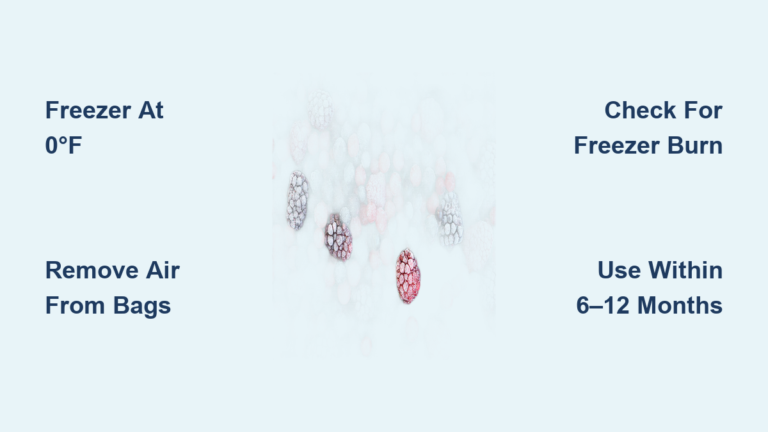
Temperature consistency ranks as the single most critical factor in preserving vacuum sealed meat quality. Your freezer must maintain 0°F (-18°C) or below consistently throughout the entire storage period. Temperature fluctuations accelerate fat oxidation and bacterial growth even in the low-oxygen environment created by vacuum sealing.
The location within your freezer matters more than you might think. The door compartments experience more temperature variation than chest freezers or standalone units, so store your most valuable vacuum sealed packages in the coldest, most stable part of your freezer.
Seal integrity determines whether vacuum sealing provides any benefit at all. Inspect pouches for leaks, swelling, or compromised seals before storage and periodically during long-term keeping. Swollen bags indicate gas production by bacteria and signal spoilage that requires immediate attention.
Prepare Meat for Optimal Sealing
Starting with high-quality meat sets the foundation for successful long-term storage. Choose meat that is fresh and cold—cuts approaching their sell-by date or that have experienced temperature abuse will decline faster regardless of how well you seal them. Chill meat in the refrigerator or partially freeze it for 30-60 minutes before sealing; firm, cool meat produces better seals than warm, soft cuts that can leak juices into the seal area.
Portion meat into meal-sized quantities before sealing to prevent repeated thawing and refreezing of large packages. Each thaw-freeze cycle causes ice crystals to form and rupture cell walls, degrading texture and releasing precious juices. Individual portions allow you to thaw exactly what you need without compromising the remaining meat.
Trim excess fat from cuts before sealing, as fatty portions are more susceptible to oxidation over extended storage periods. Wrap sharp bone ends with freezer paper or parchment to prevent puncturing the bag—punctures compromise the seal and allow oxygen to reach the meat.
Safe Thawing Methods for Sealed Meat
.png)
The refrigerator remains the gold standard for thawing vacuum sealed meat because temperatures stay at or below 4°C (40°F) throughout the process. Place sealed packages on a plate or tray to catch any condensation, and allow sufficient time for complete thawing—small cuts may thaw overnight while large roasts can require 24-48 hours. This gradual thaw produces the most consistent results and maintains food safety throughout.
Cold water thawing provides a faster alternative when you’re short on time. Submerge vacuum sealed packages in cold water, changing the water every 30 minutes to maintain cold temperatures. This method typically takes 1-2 hours depending on package size. Keep meat in its packaging during cold water thawing—the sealed bag provides protection against water penetration and contamination.
Never thaw vacuum sealed meat at room temperature, where the surface can enter the “danger zone” between 40-140°F while the center remains frozen. This temperature differential enables bacterial growth on the thawed surface even though the interior stays frozen.
Recognize Signs of Spoilage
Color alone cannot determine whether vacuum sealed meat has spoiled. The purple or brown appearance of vacuum sealed beef is completely normal—myoglobin simply changes to its deoxygenated form when oxygen is removed. This color change reverses quickly when the meat is exposed to air again, often “blooming” back to a brighter color within 15-30 minutes.
Instead of relying on color, use multiple indicators to assess meat quality. Persistent off-odors that don’t dissipate when the package is opened indicate bacterial growth and spoilage. Texture changes such as meat feeling sticky, slimy, or developing unusual discoloration signal that the meat should be discarded. Inspect packaging carefully for swelling, which indicates gas production by bacteria, or for broken seals that may have allowed oxygen to enter.
Maximize Quality with Proper Techniques
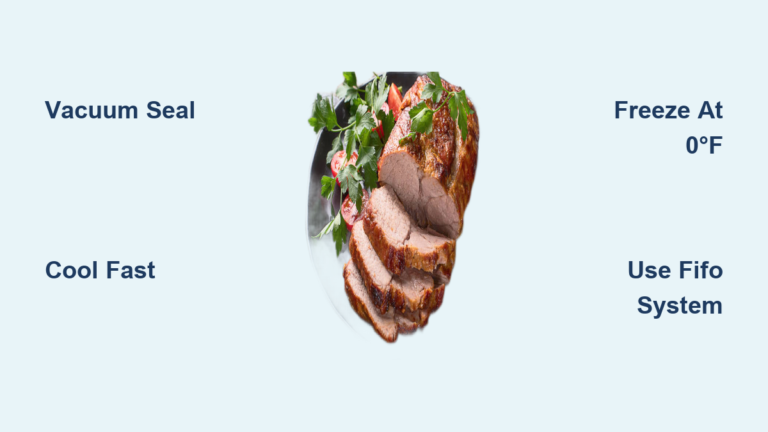
Double-seal valuable cuts to guard against single-point seal failures. After the first seal, make a second seal 1 centimeter below it—this redundancy protects against the small percentage of seals that develop microscopic weaknesses over time. Lay sealed packages flat in a single layer when initially freezing them; this allows faster freezing that produces smaller ice crystals, which better preserve texture.
Group similar products together and practice first-in, first-out rotation to ensure older stock gets used before newer purchases. Keep an inventory list taped to the outside of your freezer or maintained on your phone, recording what you have and when it was sealed. This simple practice prevents the common problem of forgotten meat that stays frozen too long.
Quick Reference Storage Times
Vacuum sealed beef steaks and roasts maintain quality for 2-3 years, while ground beef is best used within 6-12 months. Pork follows the same pattern with whole cuts lasting 2-3 years and ground pork within a year. Chicken and poultry stay at peak quality for 1-2 years, and lamb ranges from 6 months for ground product to 2 years for whole cuts. Venison and game meat maintain quality for approximately 2 years.
Fatty fish like salmon should be consumed within 6-9 months, while lean fish can last up to 1 year. De-shelled lobster and crab stay at peak quality for up to 12 months, and shrimp last 10-12 months. Cooked meats range from 2-12 months depending on type, with cured meats like bacon lasting 6-12 months and hotdogs up to 6 months.
Vacuum sealing transforms freezer storage from a short-term solution into a long-term preservation method that rivals commercial food processing. By understanding the specific timelines for different meat types and following proper sealing and handling procedures, you can confidently stock your freezer with quality meat that stays delicious for months or even years beyond what conventional packaging would allow.