How Long Can Ground Chicken Stay in the Freezer
Ground chicken is a versatile, lean protein that many home cooks keep on hand for quick meals. But unlike whole chicken pieces, ground chicken’s increased surface area makes it more susceptible to quality degradation and potential freezer burn if stored too long. Understanding proper freezer storage not only protects your investment at the grocery store but also ensures the meals you prepare are safe and delicious for your family.
Whether you bought ground chicken on sale and stocked up, or you have some packages that have been tucked away in the back of your freezer for a while, you need to know how long they remain safe to eat and at what point quality begins to suffer. This guide covers everything you need to know about maximizing the shelf life of ground chicken in your freezer, recognizing signs of spoilage, and following food safety best practices that keep your family healthy.
Raw Ground Chicken Freezer Lifespan Explained
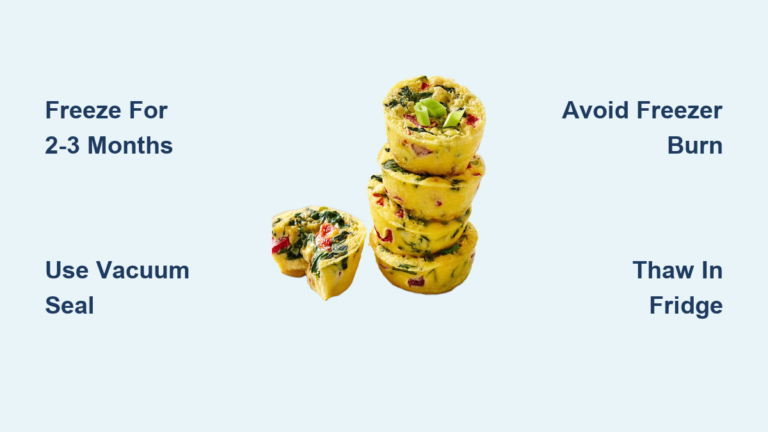
Ground chicken can remain safe in the freezer for three to four months when stored at 0°F (-18°C) or below. This timeframe applies specifically to raw ground chicken that has been properly packaged for long-term storage. Beyond this window, while the meat won’t necessarily become unsafe to eat immediately, it will progressively lose quality, developing off-flavors and a dry, mealy texture that makes it less appealing even when properly cooked.
The three-to-four-month guideline represents the optimal window for maintaining both safety and quality. Ground chicken contains more surface area exposed to air compared to whole chicken pieces, which accelerates oxidation and moisture loss. This is why ground meats generally have shorter freezer life than intact muscle cuts. If you store ground chicken beyond four months, you’re entering territory where the meat is technically still frozen but may have degraded significantly in taste and texture.
For best results, label your ground chicken packages with the date they entered the freezer. This simple practice takes the guesswork out of inventory management and helps you rotate your freezer stock using the “first in, first out” method. Many home cooks find that using a permanent marker directly on the package or affixing a piece of tape with the date works well for tracking.
Why Ground Chicken Degrades Faster Than Whole Cuts
The increased surface area of ground chicken exposes more meat to oxygen, which causes fat oxidation and eventual rancidity. When you grind chicken, you’re essentially creating thousands of new surfaces that weren’t previously exposed to air. This dramatically increases the rate at which quality deteriorates during frozen storage.
Additionally, the grinding process breaks down muscle fibers and releases moisture that can form ice crystals during freezing. These ice crystals can damage the meat’s cellular structure, leading to texture changes when thawed. Proper packaging that minimizes air exposure is crucial for preserving ground chicken quality throughout its freezer life.
How Cooked Ground Chicken Freezes Differently
Cooked ground chicken dishes have a slightly different freezer storage timeline compared to raw ground chicken. While raw ground chicken maintains peak quality for about three to four months, cooked ground chicken dishes containing ground chicken—such as meatballs, tacos, or casseroles—typically last two to three months in the freezer. The difference exists because cooked dishes often contain additional ingredients that may affect freezing and thawing behavior.
When freezing cooked ground chicken dishes, allow them to cool completely before packaging. Hot food placed directly into the freezer raises the temperature of surrounding items and can cause partial thawing, compromising food safety. Package cooked dishes in shallow, airtight containers to promote faster freezing and more even thawing, which helps maintain texture.
Critical Pre-Freezing Timing Consideration
It’s essential to understand that the quality timeline begins degrading from the moment you purchase the ground chicken, not from the date you freeze it. If your raw ground chicken has already been in the refrigerator for a few days before you decide to freeze it, subtract that time from your three-to-four-month window. Always check the sell-by or use-by date on the package as a starting point for your calculations.
For example, if you buy ground chicken on its sell-by date and freeze it two days later, your effective freezer storage time begins two days into the recommended refrigerator storage period (which is typically 1-2 days for raw ground chicken). This means your total safe storage time would be closer to three months rather than the full four-month window.
Identifying Spoiled Frozen Ground Chicken Before Cooking
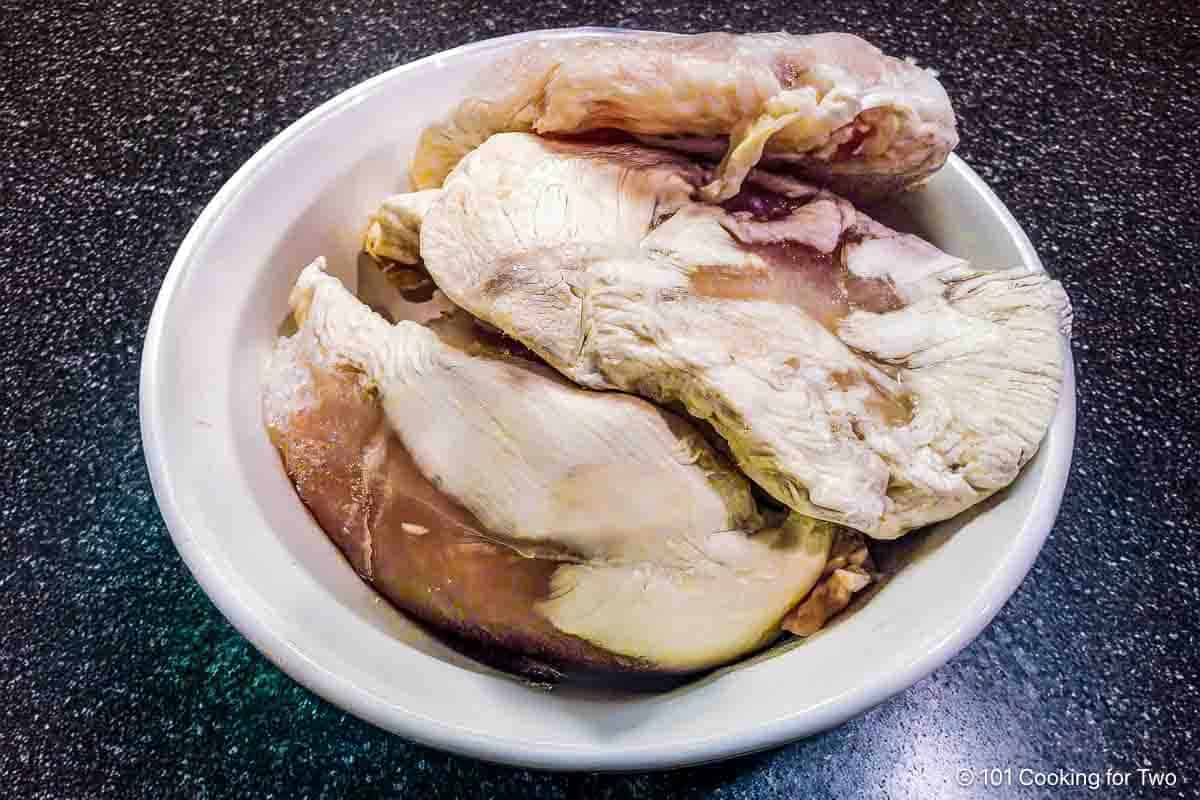
Even when properly stored, ground chicken can eventually reach a point where it’s no longer suitable for cooking. Before using any ground chicken that has been frozen for an extended period, perform a thorough inspection that covers several key indicators of quality and safety.
Visual Inspection: Fresh frozen ground chicken should maintain a uniform pinkish color. If you notice significant freezer burn—areas that appear grayish-brown, dry, or shriveled—the affected portions will be tough and flavorless, though the rest of the meat may still be usable if you cut away the damaged areas. Any unusual discoloration, such as greenish or yellowish tints, indicates spoilage and the meat should be discarded immediately.
Texture Assessment: When thawed, properly frozen ground chicken should feel firm but not rock-hard, and it should separate easily when crumbled with your fingers. If the meat feels excessively mushy, slimy, or sticky even after thorough washing, this suggests bacterial activity and spoilage. Ground chicken that has developed a mushy texture despite being frozen is a sign that it was likely mishandled before freezing or has been stored far too long.
Optimal Freezing Techniques for Maximum Ground Chicken Freshness
How you prepare ground chicken for the freezer matters almost as much as how long it stays there. Taking a few extra minutes at the time of freezing pays significant dividends in the quality of the meat when you’re ready to use it months later.
Airtight Packaging Essentials: Oxygen is the enemy of frozen food quality. Exposure to air causes oxidation, which breaks down the fats and proteins in meat, leading to rancidity and off-flavors. Invest in quality freezer bags with reliable seals, or use vacuum sealing if you have the equipment. If using regular storage bags, press out all the air before sealing. For extra protection, wrap the package in a layer of aluminum foil or freezer paper before placing it in a bag.
Portion Control Strategy: Instead of freezing large quantities in bulk, consider dividing ground chicken into meal-sized portions before freezing. This allows you to thaw only what you need, reducing waste and preventing repeated freeze-thaw cycles that degrade quality. Flatten portions in freezer bags so they freeze quickly and thaw evenly—this also makes them easier to stack and store efficiently in your freezer.
Safe Thawing Methods for Frozen Ground Chicken
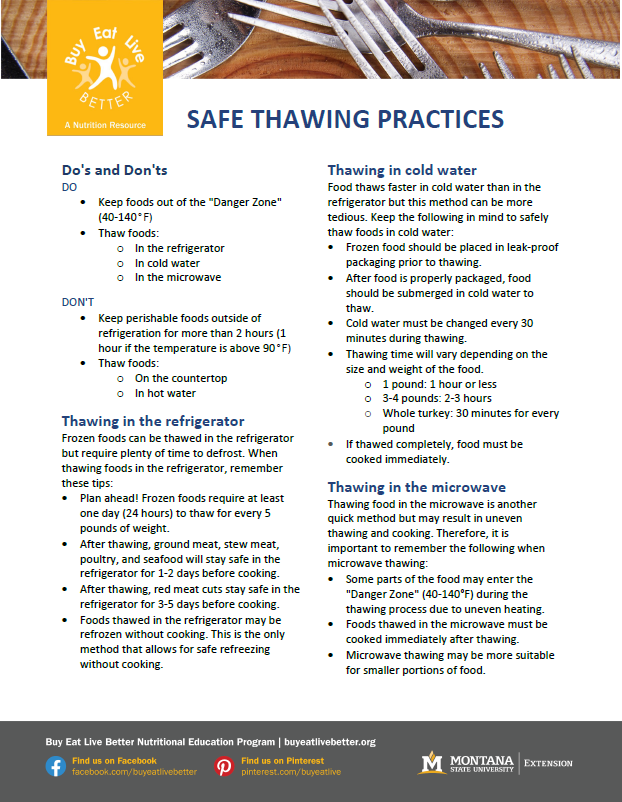
Proper thawing is just as important as proper freezing when it comes to maintaining food safety and quality. The USDA recommends three safe methods for thawing ground chicken, each with different time requirements and considerations.
Refrigerator Thawing Process: This is the safest method and produces the best results. Simply move the frozen ground chicken from the freezer to the refrigerator and allow it to thaw slowly, usually requiring about 24 hours for a standard one-pound package. Once thawed, ground chicken can be kept in the refrigerator for an additional one to two days before cooking.
Cold Water Thawing Technique: If you need to thaw ground chicken more quickly, submerge the sealed package in cold tap water, changing the water every 30 minutes to maintain a cold temperature. A one-pound package typically thaws in about an hour using this method. Ground chicken thawed by this method should be cooked immediately after thawing and should not be refrozen without cooking first.
Common Ground Chicken Freezer Storage Mistakes to Avoid
:max_bytes(150000):strip_icc()/ground-beef-in-package-4x3-getty-2195296627-532dcdb811a347aeba22e7c21c797ea8.jpg)
Learning from others’ mistakes can save you from wasting good ground chicken and potentially risking food safety. Several common errors significantly reduce the quality and safety of frozen ground chicken.
Store Packaging Trap: The thin plastic trays and wrap used for store-bought ground chicken are designed for refrigerator display, not long-term freezer storage. These materials allow air to reach the meat quickly, leading to rapid freezer burn. Always repackage ground chicken in proper freezer-safe materials before freezing.
Temperature Fluctuation Impact: Opening the freezer frequently, leaving the door ajar, or storing warm items without allowing them to cool first all cause temperature spikes that compromise frozen food quality. Be mindful of how often you access your freezer and avoid placing hot leftovers directly inside.
Dating Neglect Consequences: Without clear dating, it’s impossible to track how long items have been stored. This leads to the “freezer archaeology” phenomenon—discovering mystery packages of meat that could be months or even years old. Make labeling a consistent habit, and you’ll always know exactly what you have and when it was frozen.
When to Discard Frozen Ground Chicken
Despite your best efforts, some ground chicken will eventually reach a point where it should be discarded rather than risked. Knowing when to throw away frozen chicken saves you from potential foodborne illness and disappointing meals.
Ground chicken that has been frozen for more than 12 months should generally be discarded, even if it appears normal, as quality degradation is significant at this point. Similarly, any ground chicken that shows signs of freezer burn affecting more than a small portion should be discarded, as the affected areas will be dry and flavorless while the remaining meat may have absorbed off-flavors.
If you’re unsure about the safety of ground chicken that has been frozen for an extended period, the safest approach is to discard it. The cost of a new pound of ground chicken is minimal compared to the potential cost of foodborne illness, which can cause severe gastrointestinal symptoms requiring medical attention, particularly for young children, elderly individuals, and those with compromised immune systems.
Final Note: Ground chicken stays safe in the freezer for three to four months at optimal quality when properly packaged and stored at 0°F or below. Always label packages with freezing dates, inspect for signs of spoilage before cooking, and when in doubt, throw it out. By following these guidelines, you’ll maximize both the safety and quality of your frozen ground chicken, ensuring delicious, nutritious meals whenever you need them.