How Long Are Eggo Waffles Good in the Freezer
You’ve just pulled a box of Eggos from the back of your freezer and noticed they’ve been there longer than expected. Before you toss them or risk eating spoiled food, understanding exactly how long Eggos stay fresh in the freezer could save you money and prevent breakfast disappointment. Properly stored frozen waffles maintain peak quality for 8-12 months at 0°F (-18°C), though they technically remain safe to eat indefinitely when frozen consistently. This guide reveals the exact timeline for optimal Eggo freshness, how to spot quality issues before cooking, and storage techniques that keep your frozen breakfasts tasting like they just came off the production line.
Why Your Eggos Start Losing Quality After 8-12 Months
Freezing stops bacterial growth but doesn’t halt all quality degradation processes. While your Eggos won’t become unsafe in the freezer, their texture and flavor gradually decline due to moisture migration and oxidation. The 8-12 month timeframe represents when most consumers notice significant changes—not when the waffles become dangerous to eat.
Temperature fluctuations accelerate this decline. Every time your freezer door opens, warm air enters and causes microscopic ice crystals to form and melt repeatedly on the waffle surface. These cycles damage the delicate structure that gives Eggos their signature crispy exterior and tender interior. For best results, keep your freezer temperature steady at 0°F (-18°C) and avoid storing waffles near the door where temperatures vary most.
Commercial preservatives help Eggos maintain quality longer than homemade versions, but they can’t prevent freezer burn indefinitely. The sugars designed to create perfect caramelization during toasting gradually break down, while the fats that deliver that buttery flavor can oxidize over extended periods. This explains why older Eggos might not brown as evenly or taste quite as rich as fresh ones.
How to Identify Freezer Burn on Your Eggos

Visual Warning Signs of Quality Decline
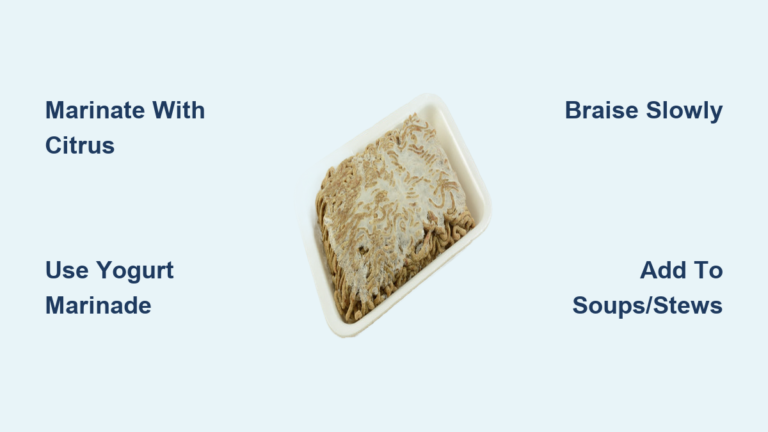
Freezer burn appears as white, gray, or brown patches on your waffles—these aren’t mold but areas where moisture has evaporated through improper packaging. Look for these specific indicators:
- Ice crystals forming inside the packaging or on the waffle surface
- Discolored patches that appear significantly lighter than surrounding areas
- Faded golden-brown color across the entire waffle surface
Don’t confuse freezer burn with mold. Mold appears as fuzzy green, black, or blue spots and requires immediate disposal. Freezer burn only affects surface areas exposed to air and doesn’t compromise food safety—just quality.
Sensory Tests Before Cooking
Before you pop those questionable Eggos in the toaster, perform these quick checks:
- Smell test: Open the package and inhale. Fresh Eggos have a mild, slightly sweet aroma. Discard if you detect sour, rancid, or “off” odors.
- Texture check: Gently squeeze a waffle through the packaging. It should feel firm but not rock-hard. Excessive brittleness suggests significant moisture loss.
- Visual inspection: Hold the package up to light. Large air pockets indicate poor packaging that likely led to freezer burn.
If your Eggos pass these tests but show minor freezer burn spots, simply trim those areas before toasting. The unaffected portions will still deliver a satisfying breakfast experience.
Proper Storage Methods to Maximize Eggo Freshness

Essential Packaging Techniques for Long-Term Storage
Original Eggo packaging provides adequate protection for the recommended 8-12 month period, but you can extend quality with these simple upgrades:
- Transfer opened packages to airtight freezer containers or heavy-duty freezer bags
- Press out all air before sealing—use the straw method for zip-top bags
- Double-wrap individual waffles in plastic wrap before container storage for extra protection
For bulk purchases, divide into meal-sized portions before freezing. This prevents repeated exposure of the entire package to temperature changes each time you need breakfast. Label each portion with the freezing date using permanent marker directly on the packaging.
Optimal Freezer Organization Practices
Where you store your Eggos matters as much as how you package them. Follow these organization tips:
- Store toward the back of the freezer where temperatures remain most consistent
- Keep away from strong-smelling foods like fish or onions that can transfer odors
- Implement first-in-first-out system by placing newer packages behind older ones
Avoid overfilling your freezer, as proper air circulation maintains consistent temperatures. If your freezer is packed to capacity, consider rotating some items to the front where they’ll be used first before quality declines.
Can You Eat Eggos Past the “Best By” Date?
Understanding Date Labels on Frozen Waffles
The “Best By” date on Eggo packaging indicates peak quality—not safety. This manufacturer guarantee means your waffles will deliver optimal taste and texture if consumed by this date when stored properly. However, frozen foods kept at 0°F remain safe indefinitely from a food safety perspective.
Many home cooks successfully enjoy Eggos 12-18 months past the “Best By” date with minimal quality issues when storage conditions remain ideal. The key difference lies between safety (no risk of foodborne illness) and quality (maintaining expected taste and texture).
Safety Guidelines for Extended Storage
Follow these clear guidelines when evaluating older Eggos:
- Up to 12 months: Likely near-original quality if properly stored
- 12-18 months: Acceptable quality with possible minor texture changes
- Beyond 18 months: Increasingly noticeable quality decline but still safe if packaging intact
Discard immediately if you notice any mold growth, strong off-odors, or if the waffles were thawed and refrozen multiple times. When in doubt, remember that freezer burn affects only surface areas—trim affected portions and enjoy the rest.
How to Properly Defrost Eggos Without Ruining Texture
Best Cooking Methods for Older Frozen Waffles
The method you use to prepare your Eggos significantly impacts how quality issues manifest. For waffles approaching or past their prime quality window:
- Toasting is superior to microwaving—dry heat helps revive crispiness lost during storage
- Increase toasting time slightly for older waffles to compensate for moisture loss
- Avoid microwave defrosting when possible, as it creates uneven texture on compromised waffles
For best results with older Eggos, toast them at a medium setting first, then give them a second, lighter pass to achieve even browning without burning the drier areas.
What Never to Do With Frozen Waffles
Common mistakes that accelerate quality loss include:
- Refreezing thawed waffles—each freeze-thaw cycle damages texture
- Thawing at room temperature—creates condensation that leads to sogginess
- Cooking directly from refrigerator—results in uneven heating
If you’ve thawed more waffles than needed, store the extras in the refrigerator and consume within 3-5 days rather than returning them to the freezer.
When to Toss Eggos: Clear Safety Guidelines
Immediate Discard Situations
Don’t risk foodborne illness—toss your Eggos immediately if you notice:
- Visible mold growth of any color (green, black, blue)
- Sour or rancid odors after opening the package
- Slimy texture after cooking (indicates bacterial growth)
Mold on frozen foods penetrates deeper than visible surface growth, making trimming ineffective. When mold appears, discard the entire package regardless of how much seems affected.
Salvageable Quality Issues
Most freezer-related quality issues don’t require complete disposal:
- Minor freezer burn: Trim affected areas before cooking
- Slight texture changes: Compensate with extra syrup or toppings
- Reduced crispiness: Adjust toasting time or use oven method instead
Remember that freezer burn only affects surface areas exposed to air. As long as no mold or off-odors are present, the unaffected portions remain perfectly safe and enjoyable.
Maximizing Value: Smart Freezer Organization for Eggos
First-In-First-Out System Implementation
Prevent forgotten Eggos from exceeding their prime quality window with this simple system:
- Label every package with purchase or freezing date using permanent marker
- Store new packages behind older ones when organizing your freezer
- Conduct monthly freezer audits to identify items approaching their quality limits
This practice ensures you consistently use your oldest Eggo packages first, maximizing quality while minimizing waste. For households that buy in bulk, portioning packages into weekly servings makes rotation even easier.
Bulk Purchase Optimization Strategy
Buying Eggos in bulk saves money only if you can use them within their quality window. Follow these tips:
- Calculate your household consumption rate before buying bulk
- Divide large packages immediately into meal-sized portions
- Use vacuum sealing for longest possible storage (up to 18 months quality)
If you discover older packages during your freezer audit, prioritize them for your next breakfast. Slightly older Eggos work perfectly in recipes like waffle sandwiches or French toast where texture matters less than in plain toasted waffles.
Key Takeaways for Optimal Eggo Storage

Your Eggos maintain peak quality for 8-12 months when stored at 0°F (-18°C) in proper packaging, though they remain safe indefinitely if frozen consistently. The difference between “best quality” and “safe to eat” explains why many consumers successfully enjoy Eggos well past their “Best By” dates.
Prioritize airtight packaging and temperature consistency to maximize freshness. When evaluating older Eggos, focus on visual and sensory cues rather than dates alone—minor freezer burn can be trimmed, while mold requires immediate disposal. For best results with aging waffles, adjust your cooking method by increasing toasting time slightly and avoiding microwave defrosting.
Implementing these storage practices ensures your frozen breakfast stash delivers delicious, convenient meals whenever you need them. By understanding exactly how long Eggos stay good in the freezer and recognizing the signs of quality decline, you’ll minimize food waste while always having a tasty breakfast option ready to go.