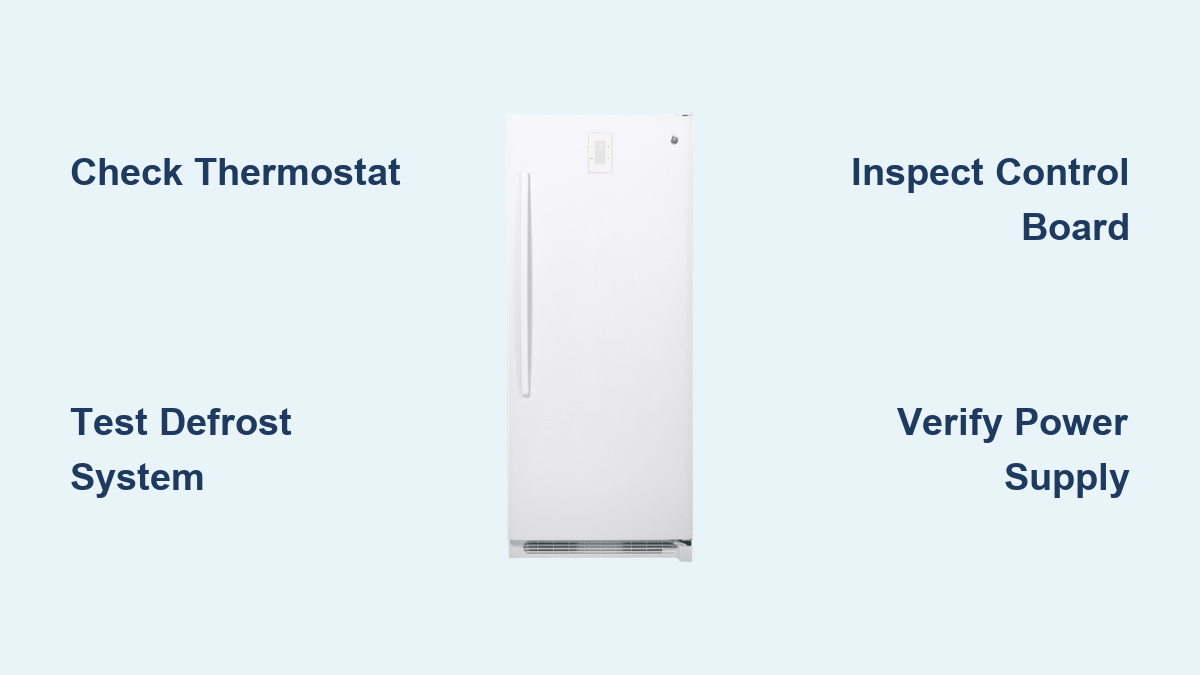
GE Freezer Green Light Flickering: Quick Fix Guide
You’re standing in your kitchen, noticing that familiar green light on your GE freezer is behaving strangely—instead of staying steadily illuminated, it’s flickering erratically. This unexpected behavior can signal anything from a minor electrical glitch to a serious cooling system failure that could compromise your frozen food. When your GE freezer’s green light starts flickering, it’s communicating important diagnostic information that shouldn’t be ignored, as continued operation in this state could lead to spoiled food and expensive repairs down the line. In this guide, you’ll discover the specific causes behind this common GE freezer issue, learn how to properly diagnose the problem yourself, and find out which solutions actually work based on verified technical information.
Immediate Diagnostic Steps for Flickering Green Indicator
Before attempting any repairs, you must first determine whether the flickering light indicates a serious problem or simply requires routine maintenance. The green light on GE freezers serves as both a power indicator and a diagnostic tool, with specific flickering patterns corresponding to different issues within the appliance’s system.
How to Interpret Your Freezer’s Green Light Behavior
GE freezers use specific light patterns to communicate problems, and understanding these signals is crucial for proper diagnosis:
- Steady green light: Normal operation (no issues)
- Slow, rhythmic flickering (1-2 second intervals): Temperature alarm—freezer hasn’t reached proper temperature in 60 minutes
- Rapid flickering (multiple times per second): Electronic control board malfunction
- Intermittent flickering with clicking sounds: Defrost system issue
- Flickering accompanied by error codes on digital displays: Specific component failure
When documenting the flickering pattern, note the exact timing, whether it occurs constantly or only during certain operations, and any accompanying sounds or performance issues. This information will help narrow down the potential causes significantly.
Essential Safety Precautions Before Troubleshooting
Always unplug your freezer before performing any diagnostic or repair work to prevent electrical shock. GE freezers contain capacitors that can retain dangerous electrical charges even when unplugged, so wait at least 5 minutes after disconnecting power before handling internal components.
Never bypass safety mechanisms or operate the freezer with panels removed, as this can create serious electrical hazards. If you notice burning smells, visible damage to wiring, or water pooling near electrical components, stop immediately and contact a qualified technician—these indicate potentially dangerous conditions that require professional attention.
Primary Causes of GE Freezer Green Light Flickering
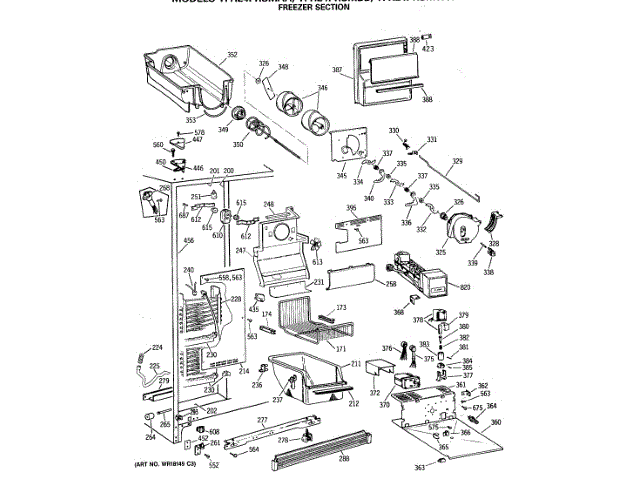
The green light flickering issue typically stems from one of several specific problems within your GE freezer’s electrical or cooling systems. Identifying which component is failing will determine your repair approach and whether you can handle the fix yourself or need professional assistance.
Faulty Temperature Control Thermostat
The temperature control thermostat monitors your freezer’s internal temperature and signals the compressor to cycle on and off accordingly. When this component fails, it often causes the green light to flicker as it struggles to maintain consistent temperature readings.
How to test your thermostat:
1. Locate the thermostat (usually behind the temperature control knob)
2. Set your multimeter to measure resistance (ohms)
3. Disconnect the thermostat wires and test for continuity
4. Rotate the temperature control through its range while testing
5. A functioning thermostat should show changing resistance values
If the thermostat shows no continuity at any setting or erratic resistance readings, it needs replacement. This is typically a straightforward DIY repair that takes 20-30 minutes with basic tools.
Defrost System Malfunctions
GE freezers automatically defrost periodically to prevent ice buildup on the evaporator coils. When components in this system fail, the green light often flickers as the control board detects abnormal operation.
Common defrost system failures:
– Defrost heater failure: Most common issue—prevents ice melting
– Defrost thermostat malfunction: Stuck open or closed, preventing proper cycling
– Defrost timer problems: Causes improper defrost cycle timing
To diagnose defrost issues, check for excessive frost buildup on the back wall of your freezer. If you see more than ¼ inch of frost, the defrost system is likely failing. Testing these components requires electrical knowledge and proper safety precautions.
Advanced Troubleshooting for Persistent Flickering
When basic checks don’t resolve the green light flickering, you’ll need to investigate more complex electrical components that control your GE freezer’s operation. These advanced diagnostics should only be attempted by those comfortable working with electrical systems.
Control Board Diagnostics
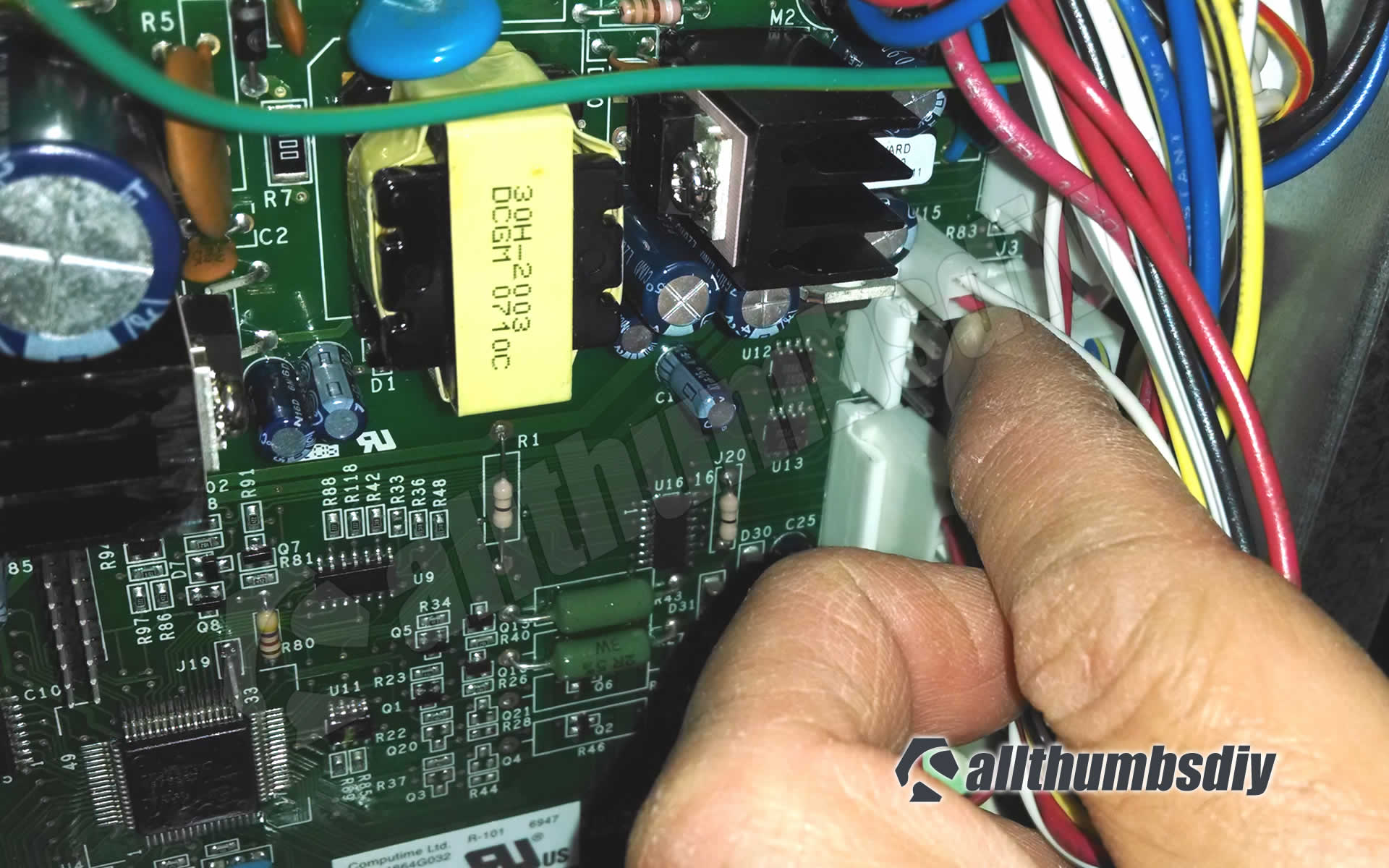
The electronic control board acts as your freezer’s “brain,” managing all functions and monitoring system performance. When this component fails, it commonly causes erratic light behavior including flickering green indicators.
Signs of control board failure:
– Multiple functions operating erratically (lights, temperature control, fans)
– Unusual error codes appearing on digital displays
– Freezer cycling on and off abnormally
– Complete loss of certain functions while others work normally
Testing the control board requires advanced electrical knowledge and specialized equipment. Most DIYers should consult a professional for this diagnosis, as improper handling can cause further damage.
Power Supply and Voltage Issues
Inconsistent power delivery to your GE freezer can cause the green light to flicker without indicating an actual appliance problem. This is particularly common in older homes with outdated electrical systems or when using extension cords.
How to verify stable power supply:
1. Plug the freezer directly into a wall outlet (no extension cords)
2. Test the outlet voltage with a multimeter (should read 115-125V)
3. Check for voltage fluctuations during compressor cycling
4. Try a different circuit in your home to rule out circuit-specific issues
If voltage drops below 110V when the compressor kicks on, you may need an electrician to address circuit issues. Consider installing a dedicated circuit for your freezer if problems persist.
When to Call a Professional Technician
While many green light flickering issues can be resolved with basic troubleshooting, certain situations require professional expertise to prevent further damage or safety hazards.
Critical Warning Signs Requiring Immediate Professional Help
Contact a certified technician immediately if you notice:
– Burning smells or visible smoke from the appliance
– Water leaking near electrical components
– Visible damage to wiring or burnt connections
– Frequent circuit breaker tripping when operating the freezer
– Unusual loud humming or buzzing sounds accompanied by flickering
Attempting DIY repairs in these situations could lead to electrical shock, fire hazards, or voiding your warranty. Professional technicians have the specialized tools and knowledge to safely diagnose and repair complex freezer issues.
Cost-Benefit Analysis for Repairs vs. Replacement
For older GE freezers (8+ years), consider whether repairs make financial sense compared to replacement. Calculate the total cost of parts and labor against the price of a new, more energy-efficient model.
Factors favoring replacement:
– Freezer is over 10 years old
– Multiple components failing simultaneously
– Repair costs exceed 50% of a comparable new unit
– Energy inefficiency of older models
Newer freezers often provide better temperature consistency, improved energy efficiency, and updated safety features that justify the investment when facing major repairs on aging appliances.
Preventative Maintenance to Avoid Future Flickering Issues
Implementing regular maintenance practices will help prevent green light flickering problems and extend your GE freezer’s lifespan. These simple routines take minimal time but can prevent costly repairs down the line.
Monthly Maintenance Checklist
To keep your GE freezer operating smoothly:
– Vacuum condenser coils to remove dust buildup (improves efficiency by 30%)
– Check door seals for proper closure and clean sealing surfaces
– Verify temperature settings are appropriate (0°F/-18°C is optimal)
– Ensure proper air clearance around the unit (2-3 inches on sides, 4+ inches top)
– Listen for unusual operational sounds during normal cycling
These simple maintenance tasks can prevent up to 70% of common freezer issues, including those that cause indicator light problems. Keeping your freezer clean and well-maintained ensures proper airflow and reduces strain on electrical components.
Final Note: A flickering green light on your GE freezer serves as an important warning system that should never be ignored. By following the systematic troubleshooting approach outlined here, you can accurately diagnose whether the issue requires simple maintenance, component replacement, or professional service. Remember that consistent preventative care is the most effective way to avoid these problems altogether—cleaning condenser coils every 3-6 months and checking door seals regularly can prevent most common electrical issues. If you’ve recently experienced a power outage or electrical surge, consider using a surge protector specifically designed for appliances to safeguard your freezer’s sensitive electronics from future damage.