Freezer Watt Consumption Guide
Your freezer runs 24/7, silently devouring electricity while keeping your frozen food safe. Understanding freezer watt consumption is crucial because even small efficiency improvements translate to meaningful savings over the appliance’s 12-year average lifespan. Most homeowners don’t realize that the difference between an efficient ENERGY STAR model and an older unit can cost hundreds of dollars in unnecessary electricity expenses over time.
Freezer watt consumption varies dramatically based on type, age, and how you maintain it. Chest freezers typically use half the energy of upright models, while ENERGY STAR certified units consume at least 10% less power than standard models. The good news is that simple adjustments to your usage habits and maintenance routine can significantly reduce your freezer’s electricity draw without compromising food safety.
This guide reveals the exact watt consumption figures for different freezer types, explains the technical factors that impact energy use, and provides actionable strategies to minimize your freezer’s electricity costs. You’ll learn how to calculate your specific energy expenses and implement proven techniques that could save you $30-$60 annually.
ENERGY STAR Chest Freezer Watt Consumption Benchmarks
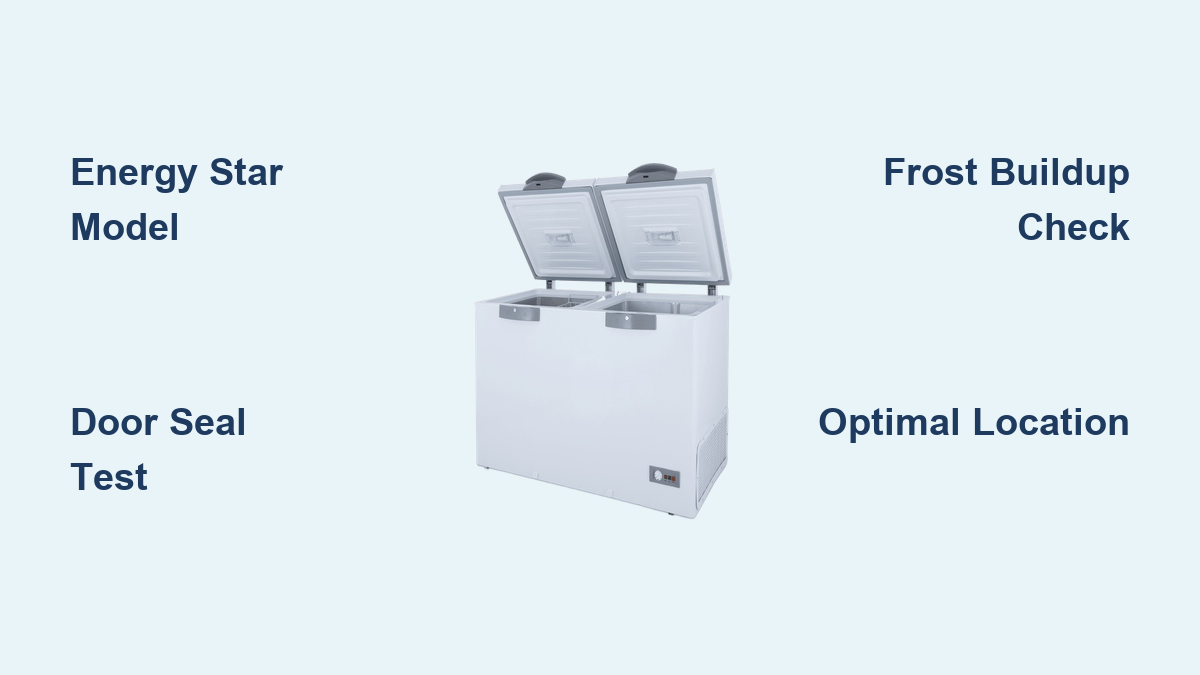
An ENERGY STAR certified chest freezer consumes approximately 215 kilowatt-hours annually, costing about $30 per year at average electricity rates. This exceptional efficiency stems from the physics of its top-opening design. When you open the lid, warm air rises above the cold air zone instead of displacing it completely, minimizing the amount of conditioned air that escapes with each access.
The horizontal orientation creates a natural thermal barrier that slows air exchange. Cold air, being denser, remains concentrated near the bottom where your food is stored, while incoming warmer air stays near the top. This partial air exchange means the compressor needs far less runtime to restore target temperatures after you close the lid compared to upright models.
For maximum efficiency, maintain your ENERGY STAR chest freezer in a climate-controlled space with temperatures between 60-80°F. Avoid placing it in unheated garages where extreme temperatures force the compressor to work harder, negating the energy savings advantages of the chest design.
Upright Freezer Watt Consumption Reality Check
Upright freezers with ENERGY STAR certification consume approximately 395 kilowatt-hours annually, translating to $55-$60 per year in electricity costs. This represents nearly double the energy consumption of comparable chest freezer models due to their fundamental design flaw: front-opening doors.
When you open an upright freezer door, cold air spills out horizontally across the floor while warm room air enters from the bottom, creating a nearly complete air exchange within the compartment. Each access cycle forces the compressor to work significantly harder to restore freezing temperatures. Frequent door openings—common in households that regularly retrieve small frozen items—dramatically increase watt consumption.
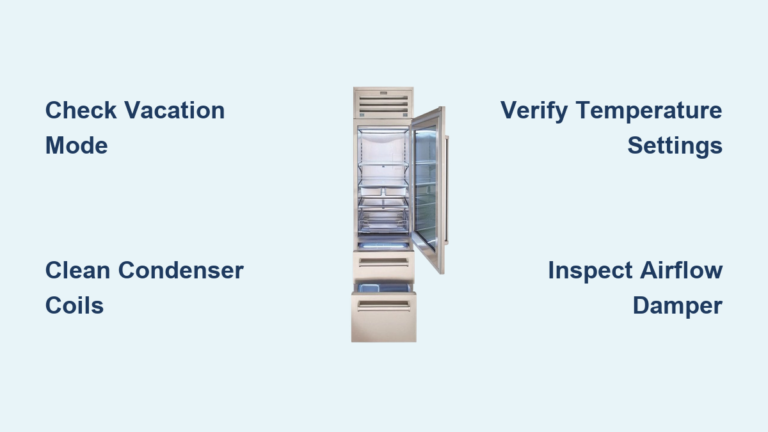
If you prefer upright freezer convenience, look for models with glass doors that allow you to see contents without opening. This simple feature can reduce unnecessary door openings and lower your freezer watt consumption by up to 15% through minimized air exchange.
Compressor Technology Impact on Watt Draw
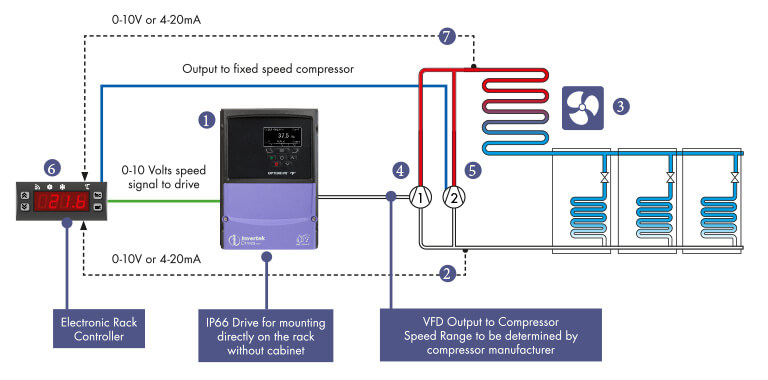
The compressor represents the largest energy consumer in your freezer, and modern high-efficiency models incorporate variable-speed technology that dramatically reduces watt consumption. Unlike older fixed-speed compressors that ran at full capacity regardless of need, these advanced units adjust cooling output based on actual demand.
When your freezer door opens and warm air enters, the variable-speed compressor ramps up temporarily to restore temperatures. During extended periods without door openings, it reduces output to maintain temperatures with minimal energy expenditure. This dynamic response can lower your freezer watt consumption by 20-30% compared to older fixed-speed models.
When shopping for a new freezer, specifically ask about compressor technology. ENERGY STAR certified models almost always feature these advanced variable-speed compressors, but it’s worth confirming since this single component makes the most significant difference in long-term energy costs.
Why Manual Defrost Freezers Save 50% on Watt Usage
:max_bytes(150000):strip_icc()/Self-defrost-or-manual-defrost-freezer-1907755_color-faafc3a1709844769866a3e8b1a536a4.jpg)
Manual defrost freezers consume approximately half the energy of automatic defrost models—a massive efficiency difference that directly impacts your electricity bill. Automatic defrost systems incorporate heating elements that periodically melt frost buildup, consuming additional electricity with each cycle.
However, achieving these energy savings requires consistent maintenance. You must prevent frost accumulation from exceeding one-quarter inch thickness on interior surfaces. When frost builds beyond this threshold, it acts as an insulating barrier between the evaporator coils and the freezer compartment, forcing the compressor to operate longer cycles.
Set a monthly reminder to check your manual defrost freezer’s frost levels, especially during humid summer months. Defrost when accumulation approaches the quarter-inch mark—this typically takes 2-3 hours but preserves maximum efficiency between defrost cycles.
The Door Seal Test That Saves $20 Yearly
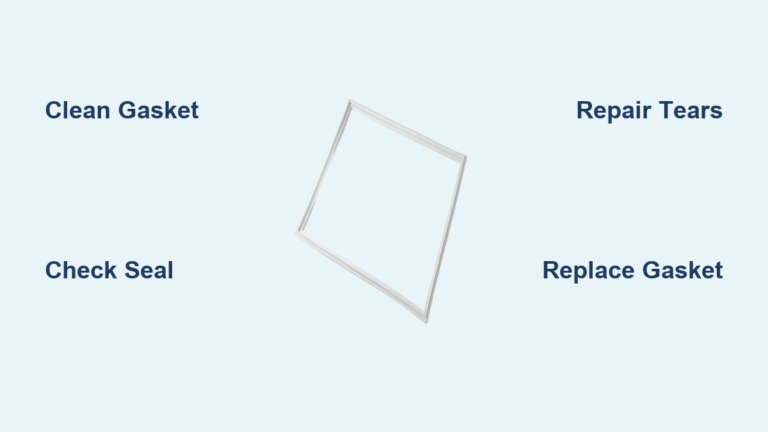
Compromised door seals represent the most common energy drain in home freezers. When gaskets develop cracks or lose elasticity, cold air escapes continuously, forcing the compressor to work overtime. This single issue can increase your freezer watt consumption by 15-20%.
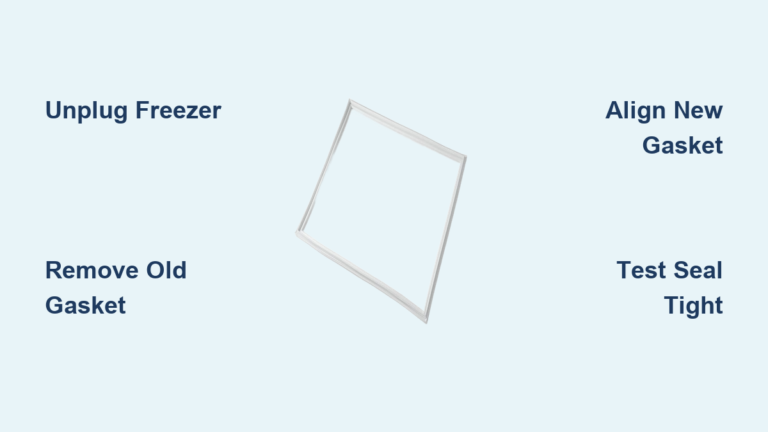
Perform this simple test quarterly: Close a dollar bill in the door seal at various points around the perimeter. If you can pull the bill out easily without resistance, your seal has degraded and requires attention. Many manufacturers offer replacement seal kits that homeowners can install in under an hour.
Cleaning door seals monthly with mild detergent removes food residue that prevents proper sealing. Pay special attention to the bottom seal, which often collects debris from floor cleaning. Properly maintained seals can reduce your freezer watt consumption by up to 10% immediately.
Optimal Temperature Settings for Minimum Watt Usage
Setting your freezer to 0°F (-18°C) provides the ideal balance between food safety and energy efficiency. Every degree below this recommendation increases watt consumption without providing additional food preservation benefits. Most freezers operate efficiently within a range of -5°F to 5°F, but 0°F represents the sweet spot for most frozen food storage.
Avoid the common mistake of setting your freezer to its coldest setting “just to be safe.” This unnecessary extreme forces the compressor to work significantly harder, increasing your freezer watt consumption by up to 25%. Use an independent freezer thermometer to verify actual temperatures rather than relying solely on the control dial.
If your freezer has a “fast freeze” feature, use it only when adding large quantities of unfrozen food. Leaving this feature engaged during normal operation unnecessarily increases watt consumption by maintaining excessively cold temperatures.
Location Impact on Freezer Watt Draw

Where you place your freezer dramatically affects its energy consumption. Units positioned in unheated garages or basements with extreme temperature variations can consume up to 50% more electricity than identical models in climate-controlled spaces.
The ideal location maintains ambient temperatures between 60-80°F year-round. Avoid placing your freezer near heat sources like ovens, dishwashers, or direct sunlight through windows. These heat sources force the compressor to work harder to maintain freezing temperatures, directly increasing watt consumption.
Ensure at least 3-4 inches of clearance behind your freezer for proper airflow around the condenser coils. Restricted airflow causes the compressor to overheat and work less efficiently, increasing electricity usage by 10-15%. This simple spacing requirement delivers immediate watt consumption reductions.
Frost Buildup: The Silent Energy Drain
Frost accumulation beyond one-quarter inch thickness creates a significant efficiency problem. This insulating layer forces your freezer to work harder to maintain temperatures, increasing watt consumption by up to 30% in severe cases.
Manual defrost models require regular attention to prevent this issue, but even frost-free upright freezers experience some buildup over time. Check your freezer’s interior monthly for frost accumulation, paying special attention to the back wall where evaporator coils are typically located.
When defrosting becomes necessary, plan ahead to minimize door open time. Remove food to coolers with ice packs rather than leaving the freezer door open while items thaw. Complete the defrosting process efficiently to reduce the time the compressor must work overtime to restore temperatures afterward.
Calculating Your Exact Freezer Watt Costs
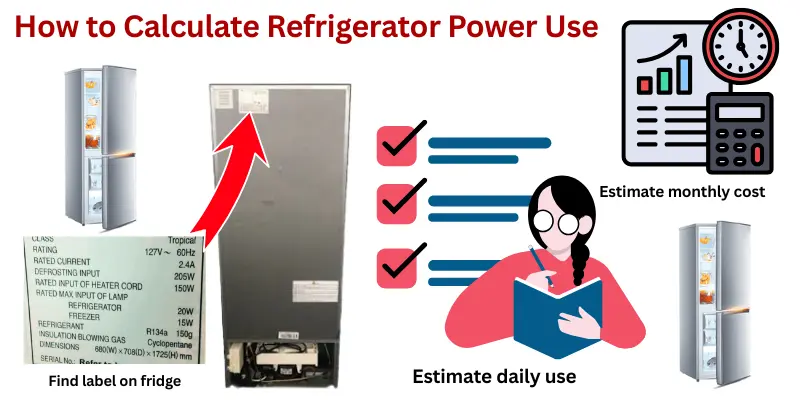
Understanding your specific energy costs requires simple calculations using your freezer’s kilowatt-hour rating and local electricity rates. Multiply your freezer’s annual kWh consumption (found on the EnergyGuide label) by your electricity rate (typically $0.10-$0.30 per kWh depending on location).
A chest freezer using 215 kWh annually at $0.14 per kWh costs $30.10 per year to operate. An upright using 395 kWh costs $55.30 annually—a $25.20 difference that compounds to over $300 during the appliance’s 12-year lifespan.
Older freezers (15+ years) often consume 500-700 kWh annually. Replacing such a unit with an ENERGY STAR model typically pays for itself through energy savings within 5-7 years, making it a sound financial decision beyond just environmental considerations.
4 Daily Habits to Slash Freezer Energy Use
Implement these simple behavioral changes to immediately reduce your freezer watt consumption:
- Plan retrieval activities: Know exactly what you need before opening the door to minimize open time
- Organize strategically: Group frequently accessed items together in easily reachable locations
- Keep it 75% full: Maintain thermal mass benefits without restricting airflow (a full freezer uses less energy than an empty one)
- Defrost before buildup exceeds ¼ inch: Prevent the insulating effect of excessive frost
These small adjustments, repeated across daily usage patterns, can reduce your freezer watt consumption by 10-15% without requiring any equipment changes or significant lifestyle adjustments. The cumulative effect translates to meaningful annual savings on your electricity bill.
Replacing an inefficient freezer with an ENERGY STAR certified model remains the single most effective strategy for reducing long-term energy costs. The combination of advanced compressor technology, superior insulation, and thoughtful design features delivers immediate watt consumption reductions that compound across the appliance’s operational lifetime. By understanding and optimizing your freezer watt consumption, you’ll enjoy lower electricity bills while maintaining reliable frozen food storage for your household.