How to Fix Freezer Gas Leak
If your freezer suddenly stops cooling properly, emits an unusual odor, or shows frost buildup in strange places, you might be dealing with a refrigerant gas leak. These leaks not only compromise your appliance’s performance but can also pose serious health and environmental risks. Unlike simple electrical issues or thermostat malfunctions, freezer gas leaks require specialized knowledge and equipment to diagnose and repair properly. Understanding the warning signs and knowing the correct protocol when you suspect a leak can prevent further damage to your appliance and protect your household from potential hazards.
Refrigerant leaks in freezers represent one of the most complex repair scenarios homeowners face. The gas circulating through your freezer’s sealed system—typically R-134a or R-600a in modern units—operates under pressure and must maintain precise levels for optimal performance. When this system develops a leak, the consequences extend beyond spoiled food; these refrigerants can be flammable in certain concentrations and contribute to ozone depletion if released improperly. This comprehensive guide will help you identify potential leaks, understand why professional intervention is mandatory, and learn how to prevent future issues with your freezer’s refrigeration system.
Recognizing the Warning Signs of a Refrigerant Leak

Visible Frost Buildup in Unusual Locations
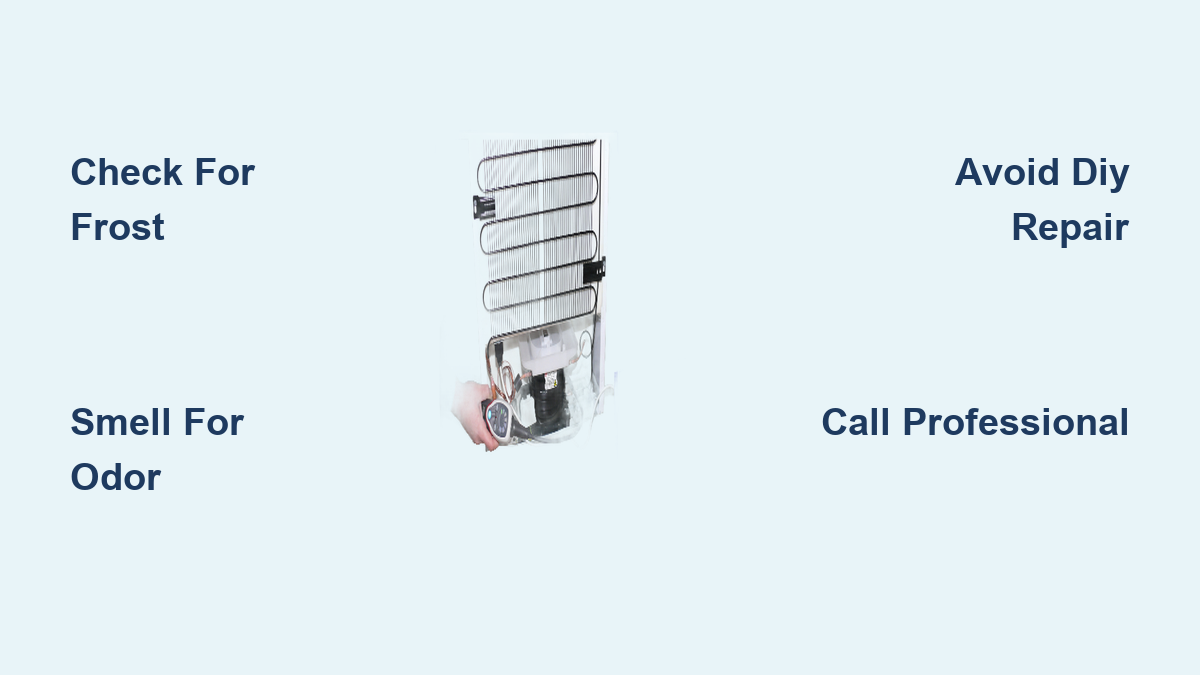
Excessive frost forming around the evaporator coils or along refrigerant lines outside the freezer compartment often indicates a developing leak. Unlike normal frost that appears inside the freezer during defrost cycles, problematic frost appears on the exterior components or in areas not typically exposed to cold air. This happens because escaping refrigerant causes localized temperature drops at the leak point, drawing moisture from the surrounding air. If you notice persistent ice formation on copper lines leading to your compressor or around valve connections, this strongly suggests a refrigerant leak rather than a simple defrost system malfunction.
The Distinctive Chemical Odor Near Your Freezer
Many homeowners report a sweet, chloroform-like smell when a refrigerant leak occurs. This odor becomes particularly noticeable when the compressor kicks on and circulates the escaping gas. While some modern refrigerants are odorless by design, the lubricating oil that travels with the refrigerant often produces a distinctive scent when it leaks and vaporizes. Important safety note: If you detect this odor along with symptoms like dizziness, headaches, or difficulty breathing, immediately turn off the appliance, ventilate the area, and leave the premises until professionals can assess the situation. Never attempt to locate or repair a leak while experiencing these symptoms.
Why DIY Repair Attempts Are Dangerous and Often Illegal
Legal Restrictions on Refrigerant Handling
The Environmental Protection Agency (EPA) strictly regulates refrigerant handling under Section 608 of the Clean Air Act. These regulations prohibit unlicensed individuals from purchasing, handling, or releasing most refrigerants into the atmosphere. Attempting to repair a refrigerant leak without proper certification not only risks your safety but could result in substantial fines—up to $48,523 per violation as of 2024. Licensed technicians must pass certification exams demonstrating knowledge of refrigerant recovery, recycling, and proper disposal procedures before they can legally work on sealed refrigeration systems.
Safety Hazards of Improper Refrigerant Handling
Refrigerants present multiple safety risks that untrained individuals cannot safely manage. When released under pressure, refrigerant can cause severe frostbite on contact with skin. Some refrigerants displace oxygen in confined spaces, creating asphyxiation risks. Additionally, when exposed to open flames or electrical sparks, certain refrigerants can decompose into highly toxic phosgene gas. The pressurized nature of refrigeration systems means that improper attempts to access or seal leaks can cause sudden component failures, potentially resulting in flying debris or chemical exposure. These dangers make professional intervention non-negotiable for refrigerant system repairs.
The Professional Refrigerant Leak Repair Process
Step-by-Step Diagnostic Procedure
Professional technicians follow a systematic approach to identify and repair refrigerant leaks. First, they perform a visual inspection of all accessible components while the system is running, looking for oil stains that indicate leak points. Next, they use electronic leak detectors specifically calibrated for the type of refrigerant in your system. For stubborn leaks, technicians might inject ultraviolet dye into the system and use UV lights to pinpoint even microscopic leaks. In some cases, they’ll perform a nitrogen pressure test, charging the system with inert gas to locate leaks without releasing refrigerant. This multi-stage diagnostic process ensures accurate identification before any repair work begins.
Proper Repair Techniques and EPA Compliance
Once the leak location is confirmed, technicians employ one of several repair methods depending on the leak’s severity and location. For minor pinhole leaks in copper lines, they might use a brazing technique to seal the affected section. More extensive damage often requires replacing the compromised component entirely. After repairs, technicians evacuate the system using specialized vacuum pumps to remove all moisture and air contaminants—a critical step many DIY attempts overlook. They then recharge the system with the precise amount of refrigerant specified by the manufacturer, document the process with required EPA paperwork, and conduct performance tests to verify proper operation.
Cost Considerations and When Replacement Makes Sense

Typical Repair Cost Breakdown
Professional freezer gas leak repairs typically range from $300 to $1,000 depending on several factors. The diagnostic fee usually accounts for $100-$150 of the total cost, with refrigerant recovery adding another $50-$100. Component replacement and brazing work vary significantly based on the leak location, while refrigerant recharge costs depend on both the type and quantity needed. Older freezers using obsolete refrigerants like R-12 may incur substantially higher costs due to refrigerant scarcity and the need for system modifications. Always request a detailed written estimate before authorizing repair work to avoid unexpected charges.
Evaluating Repair Versus Replacement
When deciding whether to repair or replace a leaking freezer, consider three key factors: the appliance’s age, the leak’s location, and overall condition. As a general rule, if your freezer is more than 10-12 years old, replacement often proves more economical than refrigerant system repairs. Leaks occurring in the evaporator coil—common in frost-free models—typically require extensive disassembly that drives up labor costs. Additionally, if your freezer shows multiple signs of aging like excessive condensation, unusual noises, or inconsistent temperatures, the underlying issue may extend beyond the current leak. A qualified technician can provide an honest assessment of whether repair makes financial sense for your specific situation.
Preventive Maintenance to Minimize Future Leak Risks

Regular Cleaning and Inspection Routine
Preventing refrigerant leaks starts with proper maintenance of your freezer’s external components. Clean the condenser coils every 6-12 months using a specialized coil brush to prevent overheating that stresses refrigerant lines. Ensure adequate clearance around the appliance—maintain at least 3 inches of space on all sides for proper airflow. Periodically inspect accessible refrigerant lines for signs of physical damage, vibration wear, or oil residue that might indicate developing leaks. Pay particular attention after moving the appliance, as impacts during transport can create hairline fractures in copper lines that develop into leaks over time.
Proper Usage Practices to Extend System Life
How you use your freezer significantly impacts the longevity of its refrigeration system. Avoid overloading the appliance, which forces the compressor to work harder and increases pressure on refrigerant lines. Maintain consistent temperatures—frequent adjustments cause unnecessary cycling that stresses system components. Never place hot items directly into the freezer, as this creates excessive workload during cooldown periods. Ensure the door seal remains intact and clean, as poor sealing causes the compressor to run longer cycles. These simple practices reduce thermal stress on the sealed refrigeration system, minimizing the risk of future leaks.
Final Note: While recognizing the signs of a refrigerant leak helps you respond appropriately, never attempt to repair freezer gas leaks yourself. The legal restrictions, safety hazards, and technical complexity make professional service essential. When choosing a repair technician, verify their EPA Section 608 certification and request documentation of proper refrigerant handling procedures. For older freezers with recurring issues, consider upgrading to a modern, energy-efficient model that uses environmentally friendly refrigerants and comes with comprehensive warranties. Regular maintenance and proper usage habits remain your best defense against future refrigeration system failures.