Freezer Cooking Lasagna: Make-Ahead Tips & Recipes
Nothing beats coming home after a long day to find a delicious homemade meal waiting in your freezer—especially when that meal is a perfectly layered lasagna ready to transform your stressful evening into a comforting dining experience. Freezer cooking lasagna has become the go-to solution for busy families who want to enjoy restaurant-quality Italian comfort food without the last-minute kitchen chaos. By dedicating just a few hours on a weekend afternoon to assemble several pans, you’ll create a freezer stash that delivers hot, homemade dinners in under an hour on even your busiest weeknights. This make-ahead magic works because lasagna’s layered structure holds up remarkably well during freezing and reheating, maintaining its rich flavors and satisfying texture when properly prepared.
The financial and nutritional advantages of mastering freezer cooking lasagna extend far beyond simple convenience. Unlike store-bought frozen meals packed with preservatives and excessive sodium, your homemade version lets you control every ingredient—swap ground turkey for beef, boost vegetable content, or adjust cheese levels to match your family’s preferences. A single large batch typically yields 8-12 generous servings at a fraction of restaurant or takeout costs, making it one of the most economical meal solutions available. Whether you’re a new parent navigating sleepless nights, a professional with unpredictable work hours, or simply someone who values having quality meals ready when time is short, freezer cooking lasagna provides reliable dinner insurance that eliminates daily meal-planning stress.
Why Your Busy Household Needs Freezer Lasagna
Freezer cooking lasagna solves the fundamental problem of time scarcity by converting a traditionally labor-intensive recipe into a practical meal strategy that pays dividends for weeks. Traditional lasagna preparation demands 2-3 hours of active cooking time—browning meat, preparing sauce, boiling noodles, and carefully assembling layers—making it impractical for weeknight dinners. By concentrating this effort into a single cooking session and freezing the results, you effectively eliminate that time investment from every future meal occasion. Imagine arriving home exhausted after a late meeting to find hungry family members and empty cabinets—instead of resorting to processed alternatives, you simply transfer a pre-made lasagna from freezer to oven for a wholesome dinner on the table within 60 minutes.
Beyond immediate time savings, freezer lasagna provides crucial meal security during life’s unpredictable moments. Unexpected guests, last-minute schedule changes, or family illnesses often disrupt meal plans, but having a homemade frozen lasagna available removes dinner-time anxiety. Many experienced meal preppers maintain a rotating inventory of different freezer meals to ensure variety while guaranteeing solutions for those inevitable “what’s for dinner?” dilemmas. The psychological relief of this preparedness significantly reduces daily decision fatigue—knowing that a quality meal awaits at home eliminates the mental load of constant meal planning and last-minute grocery runs.
Essential Ingredients That Guarantee Perfect Results
Meat and Sauce Selections That Freeze Well
Your freezer cooking lasagna’s success begins with choosing ingredients that maintain quality during freezing and reheating. For the meat component, lean ground beef (85% lean, 15% fat) provides optimal flavor without excessive greasiness, while Italian sausage adds seasoning complexity that elevates the overall dish. Many experienced cooks recommend combining both proteins—a pound of each—for the most satisfying results. When browning meat, cook until fully crumbled and drain excess fat before adding sauce ingredients to prevent greasy texture after freezing.
The sauce requires special attention as it hydrates noodles during baking. Store-bought marinara offers time savings without sacrificing quality (one to two 24-ounce jars depending on pan size), while homemade versions give complete control over seasoning. Whether homemade or store-bought, ensure your sauce maintains a slightly wet consistency—this extra liquid compensates for moisture loss during freezing and guarantees properly hydrated noodles after reheating. Key sauce components include crushed tomatoes, tomato sauce, Italian seasoning, dried basil, and a pinch of sugar to balance acidity.
Cheese Choices That Maintain Texture

Cheese selections make or break your freezer cooking lasagna’s final texture. Whole milk ricotta (never part-skim) provides superior creaminess in the cheese layer, typically combined with egg (which binds layers during freezing), fresh parsley, and grated Parmesan. Always shred mozzarella from blocks rather than using pre-shredded varieties, which contain anti-caking agents that prevent proper melting. You’ll need one to one and a half pounds of freshly shredded mozzarella for a standard 9×13 pan, plus approximately one cup of freshly grated Parmesan for layering.
Foolproof Assembly Techniques Everyone Should Know
Layering Sequence That Prevents Soggy or Dry Spots

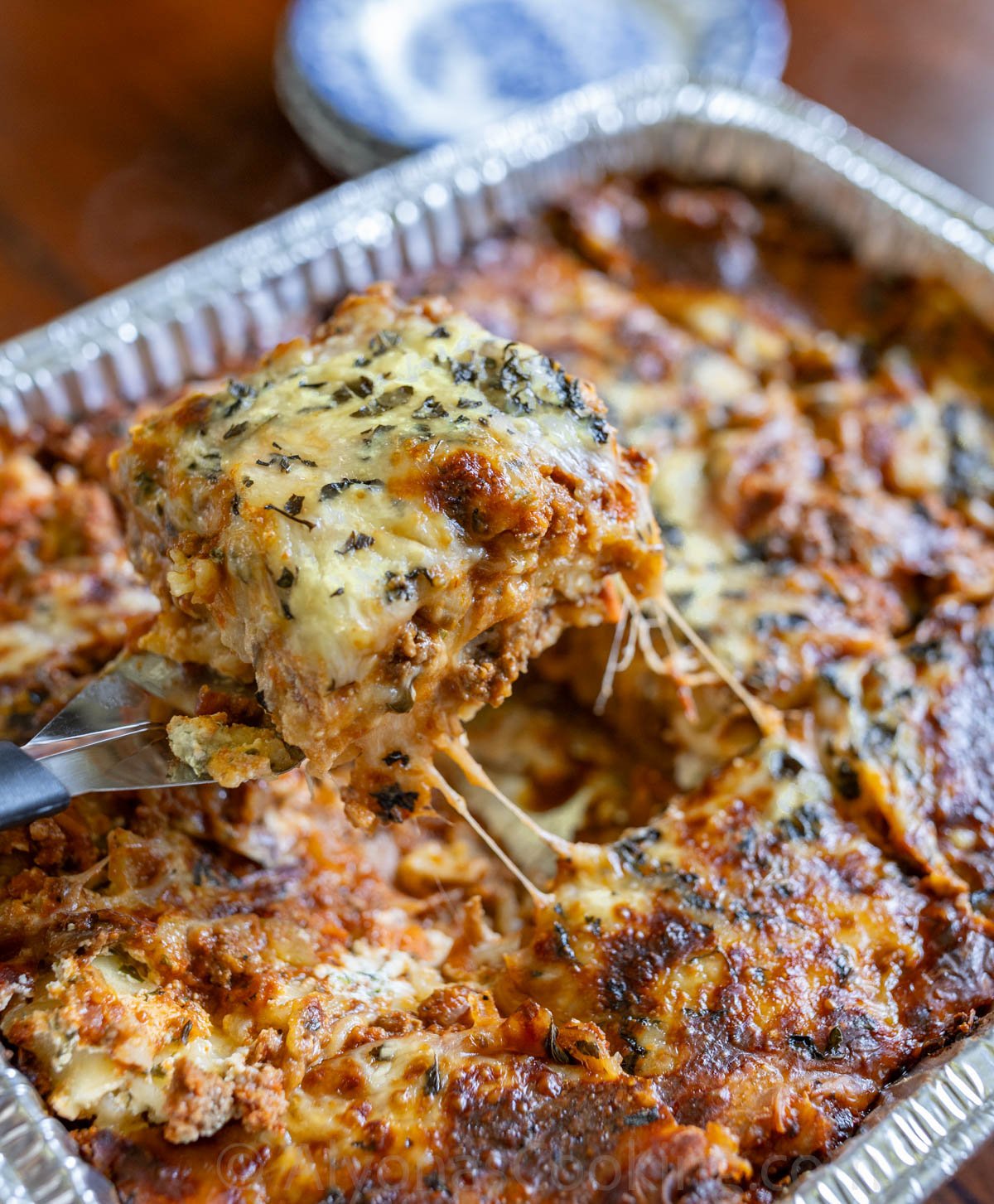
The standard assembly sequence starts with a thin sauce layer across the bottom of your baking dish—this prevents sticking and provides initial flavor saturation for the noodles. Next comes your first noodle layer: three full-size noodles arranged lengthwise with partial noodles filling crosswise gaps. Never skip the sauce layer between noodles—this moisture barrier prevents dry, flavorless sections in your final dish.
The cheese layer requires precision: spread approximately two-thirds cup of ricotta mixture evenly, followed by one and a half cups of shredded mozzarella and a generous sprinkling of Parmesan. Repeat this sequence for three total layers, finishing with sauce completely covering the top noodles before adding the final cheese topping. Exposed top noodles will become burnt and chewy during baking—always ensure complete coverage with sauce and cheese.
Pan Size Strategies for Different Household Needs
Standard 9-inch by 13-inch rectangular baking dishes yield approximately twelve servings, perfect for larger families. For smaller households, eight-inch square pans serve two to three people per pan—ideal for creating individual portions that thaw and reheat quickly. Disposable aluminum pans in these sizes eliminate the need to sacrifice permanent bakeware during extended storage. When assembling, consider the “double dinner” approach: split your ingredients between one pan for immediate baking and another for the freezer, effectively getting two meals from one cooking session.
Freezing Methods That Prevent Disastrous Results
Critical Cooling Steps Before Freezing
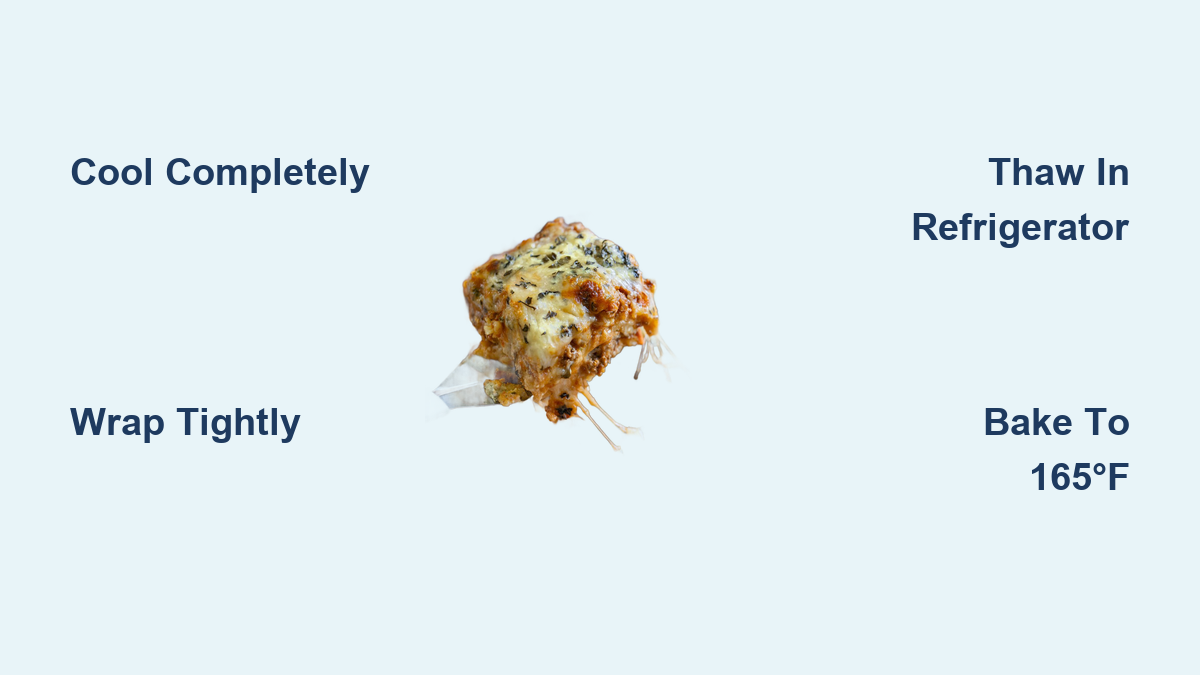
Placing warm lasagna directly in the freezer creates condensation that leads to ice crystals and freezer burn—always cool completely before freezing. For best results, refrigerate assembled lasagnas for at least five hours or overnight before freezing. This resting period serves two purposes: cooling the dish thoroughly and allowing sauce to begin hydrating the noodles—especially crucial for no-boil recipes.
Wrapping Techniques That Guarantee Quality
Protect your investment with meticulous wrapping that eliminates air exposure. The recommended method involves:
– First covering the pan with waxed paper or parchment
– Then wrapping with two layers of heavy-duty aluminum foil
– Finally, securing with clear labeling including preparation date and baking instructions
Properly wrapped freezer cooking lasagna maintains optimal quality for up to three months. Beyond this point, quality deteriorates with potential freezer burn, dry texture, and muted flavors. Always use a “first in, first out” system—consume your oldest lasagnas first to maintain consistent quality throughout your freezer stash.
Thawing and Baking Procedures for Perfect Results Every Time
The Only Safe Thawing Method You Should Use
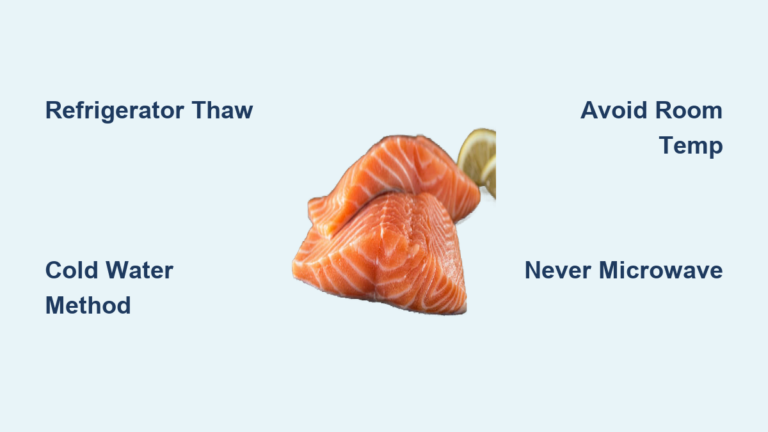
Refrigerator thawing is the only recommended method for preparing freezer cooking lasagna, requiring twelve to twenty-four hours depending on pan size. A full 9×13 pan needs the full twenty-four hours, while smaller eight-inch pans typically thaw in twelve hours. Keep the lasagna in its wrapping during thawing and place it on a baking sheet to catch condensation. This gradual approach reduces total oven time significantly and ensures even cooking throughout—frozen lasagnas with cold centers often develop overcooked edges while the interior remains underheated.
Baking Instructions for Thawed Lasagna
Preheat your oven to 350°F-375°F. Bake thawed lasagna covered with nonstick-sprayed foil for twenty-five to forty-five minutes, then remove the foil and continue baking for ten to twenty-five minutes until the cheese develops golden-brown spots and edges bubble visibly. Always verify doneness with a food thermometer—the center must reach 165°F for safe consumption. After removing from the oven, let the lasagna rest for five to fifteen minutes before serving—this crucial step allows layers to set for clean, defined slices rather than a molten cascade.
Common Freezer Lasagna Mistakes and How to Avoid Them
Noodle Preparation Errors
- Boiling noodles too long: Remove them from water when still slightly firm—they’ll continue cooking during baking
- Stacking wet noodles: Lay drained noodles flat without overlapping to prevent sticking
- Using no-boil noodles incorrectly: Ensure sufficient sauce coverage and proper resting time before freezing
Assembly and Freezing Blunders
- Insufficient sauce layers: Leads to dry, flavorless sections in the final dish
- Excessive cheese application: Creates stringy, unpleasant eating experiences
- Inadequate wrapping: Results in freezer burn and compromised texture
Delicious Serving Ideas to Complete the Meal
Pair your freezer cooking lasagna with complementary sides that balance the rich flavors. Green salads with light vinaigrette provide refreshing contrast, while garlic bread offers the classic accompaniment—simply spread seasoned butter (butter mixed with garlic, herbs, and Parmesan) on Italian bread and toast until golden. For lighter options, roasted vegetables like zucchini, bell peppers, or eggplant add nutritional value while maintaining the Italian theme. Complete the experience with Italian-inspired beverages like Aperol Spritz or non-alcoholic Italian sodas, followed by traditional desserts such as tiramisu or cannoli.
Mastering freezer cooking lasagna transforms it from a weekend project into your most reliable weeknight dinner solution. By following these precise techniques for ingredient selection, assembly, freezing, and reheating, you’ll create a freezer inventory that delivers consistently delicious results with minimal effort when you need it most. Start preparing your first batch this weekend—your future self will thank you when that hectic week arrives and dinner is already taken care of.