Deep Freezer Storage Ideas: Smart Tips for 2026
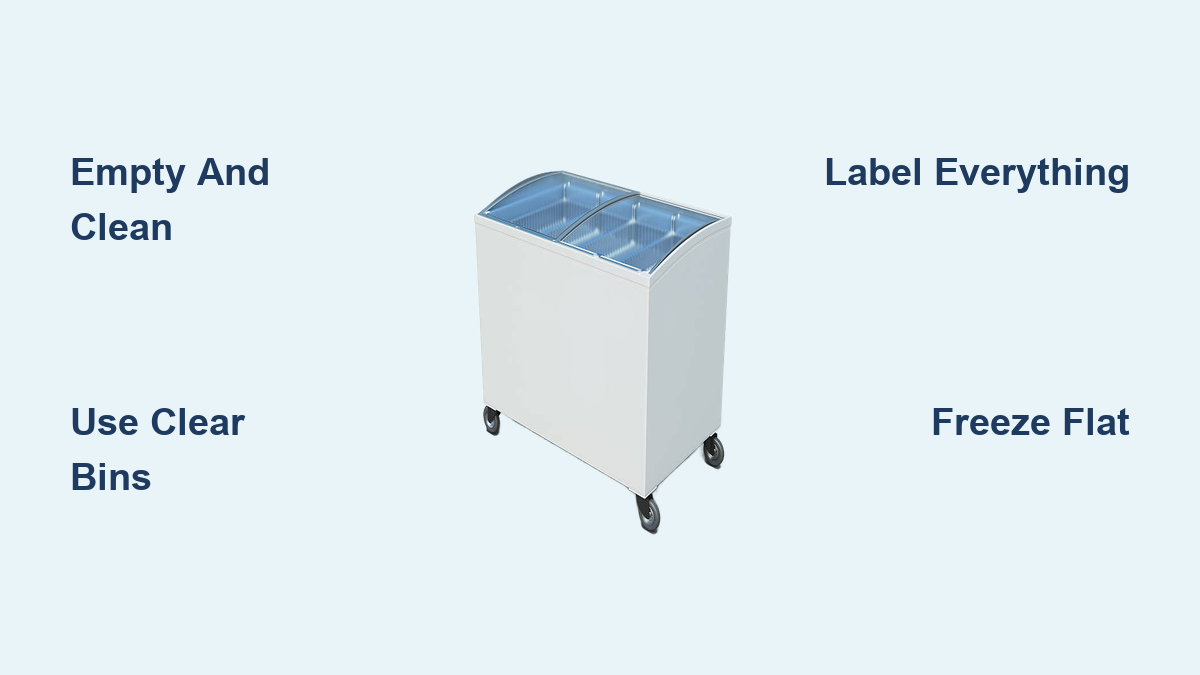
Your deep freezer should be a culinary treasure chest, not a food graveyard where groceries vanish until they’re discovered months later during defrosting. Most households struggle with disorganized freezers where items get buried, forgotten, and eventually wasted. This comprehensive guide delivers actionable deep freezer storage ideas that transform chaotic spaces into efficient systems—saving you money, reducing food waste, and making meal preparation dramatically easier.
Whether you own a chest freezer or upright model, these proven techniques address the universal challenges of freezer organization. Chest freezers hide items beneath layers of groceries, while upright models let items disappear behind newer purchases on back shelves. The solutions here work for both types, adapting to your specific appliance while accommodating different household sizes and cooking habits. Implement just a few of these strategies to reclaim lost space, preserve food quality, and make your freezer work harder for your family.
Empty and Deep Clean Before Organizing
Skip this critical step and your organization system will fail within weeks. Proper freezer organization begins with a complete emptying—typically taking 2-4 hours depending on size—that reveals exactly what you own and identifies forgotten items approaching their storage limits. Place removed items in coolers with ice packs to maintain safe temperatures while you work.
As each item comes out, conduct a rapid assessment: Is packaging intact? Does food show freezer burn? Is the date still reasonable for consumption? Most households discover surprise items purchased months ago—a major contributor to food waste. Discard anything questionable and set aside items needing immediate use.
With the freezer empty, vacuum debris from interior surfaces, then wipe down walls and floor with a mild baking soda solution. This fresh start eliminates odors and creates a clean canvas that encourages maintaining your new system. While empty, take precise measurements of interior dimensions to guide container purchases—preventing bins that are awkwardly sized for your specific freezer.
Choose Visibility-First Storage Containers
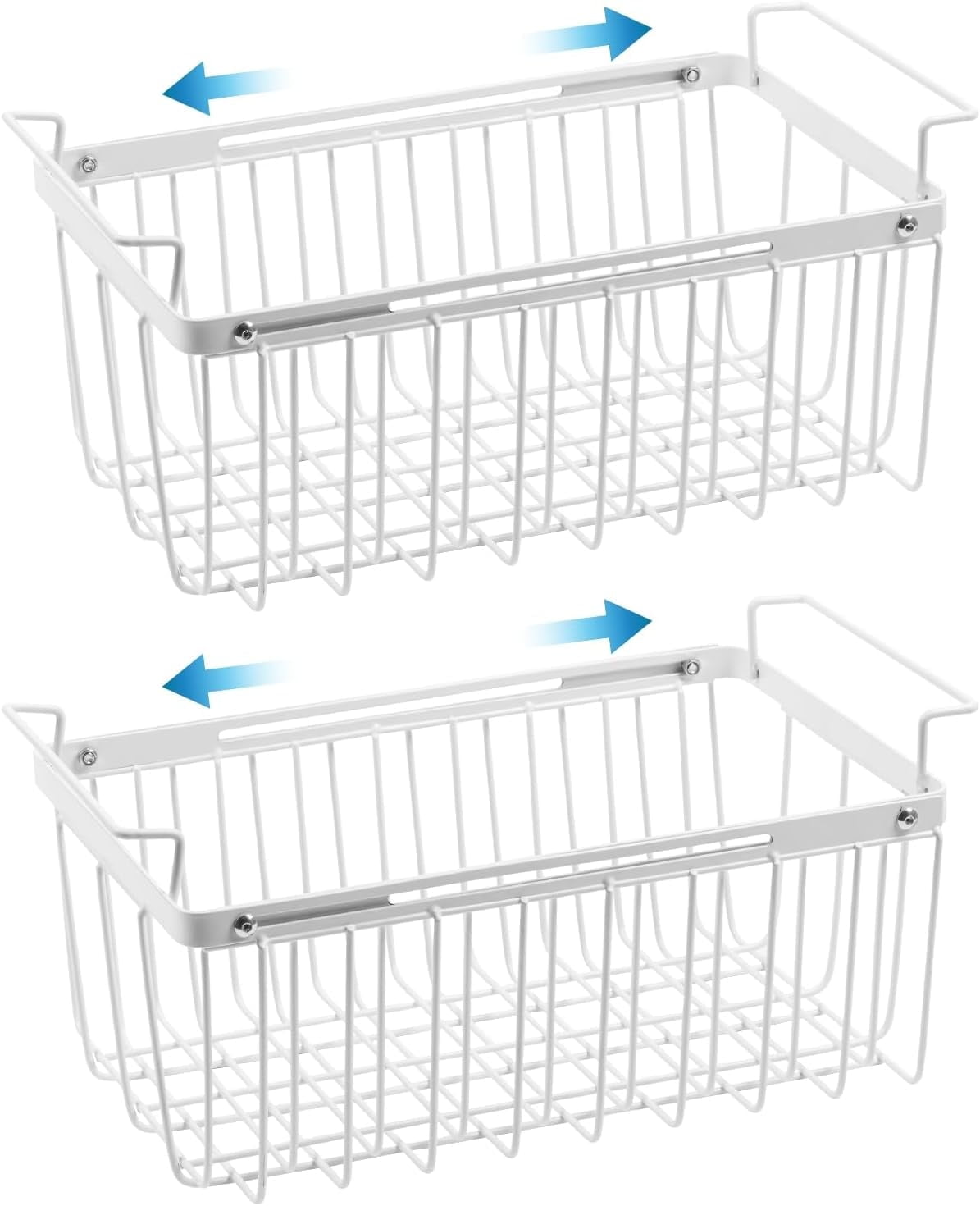
Clear bins and wire baskets form the backbone of effective deep freezer organization. The right containers balance visibility, durability, and space efficiency to ensure you’ll actually maintain your system. Clear plastic bins let you see contents without opening them, while wire baskets provide similar visibility with better air circulation around stored items. For maximum effectiveness, stack wire baskets above clear plastic ones to maintain visibility through multiple layers.
Select varied bin sizes to accommodate different storage needs: large bins for family-size meat packages, medium bins for vegetables, and small bins for individual portions or snacks. Stackable bins that interlock maximize space efficiency while maintaining accessibility. For chest freezers specifically, sliding basket systems like FreezerMax eliminate the need to dig through upper layers—simply pull forward the basket containing your desired item.
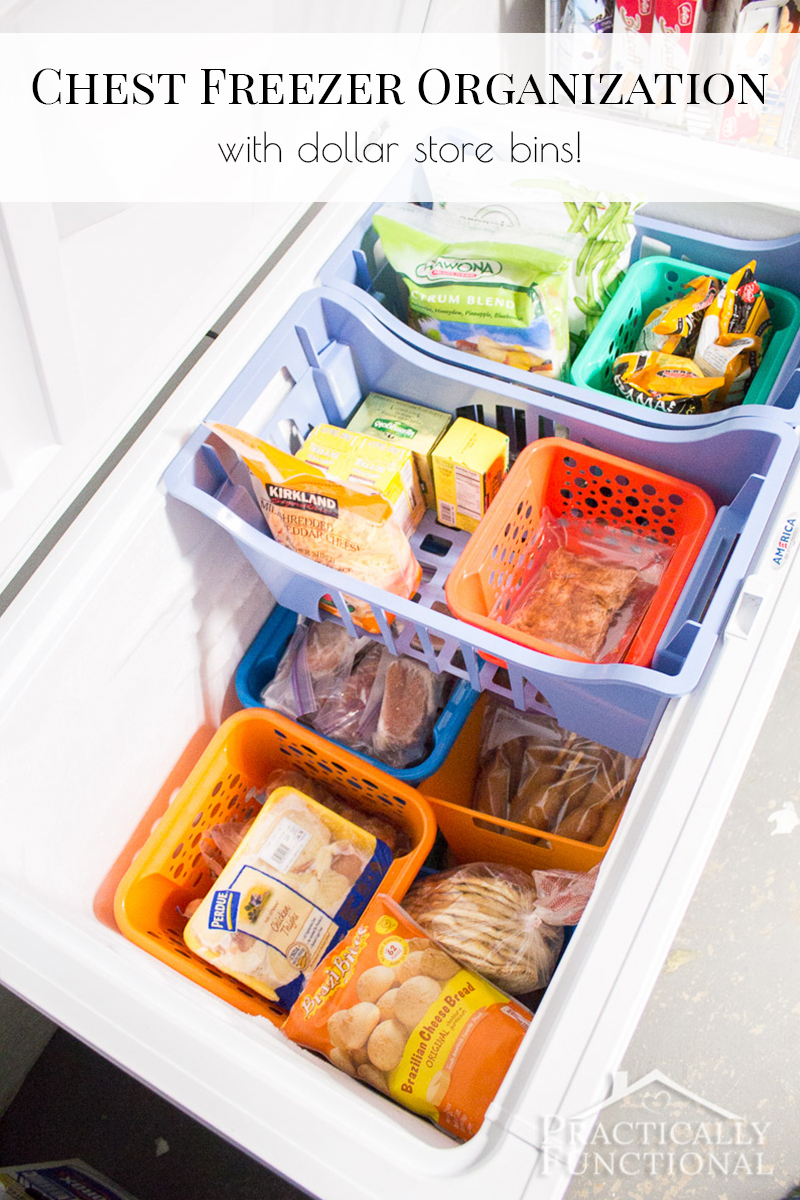
Don’t overspend on fancy systems. Dollar store bins provide economical starting points that work well for categorizing items. Repurpose sturdy cardboard boxes, clean produce drawers from old refrigerators, or cloth grocery bags (which won’t crack in extreme cold) to create budget-friendly organization. The goal is finding containers that fit your specific freezer—not buying the most expensive products.
Implement Foolproof Labeling Systems
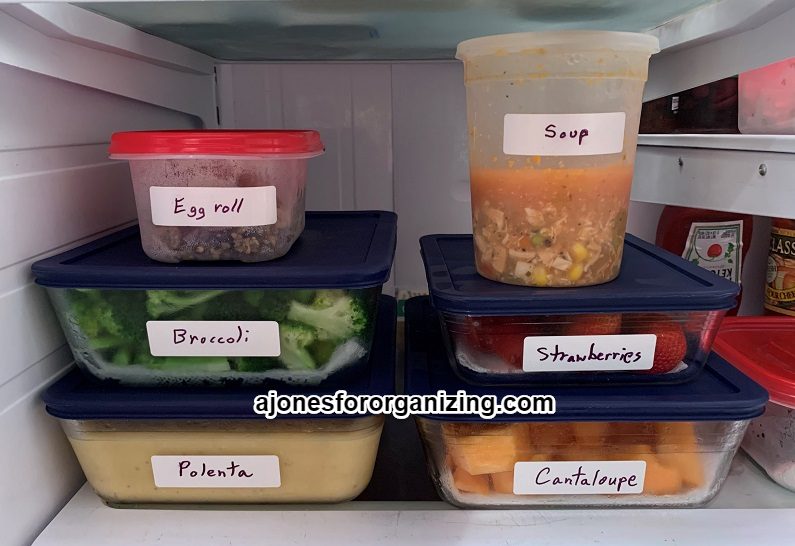
Clear labeling transforms functional organization into systems everyone in your household can follow. Every container should display contents, storage date, and optionally quantities. Consistent labeling creates uniform systems that reduce the mental effort required to maintain organization—making it sustainable long-term.
Choose labeling methods that match your household’s capabilities:
– Freezer-safe tape with handwritten descriptions (low-cost option)
– Permanent markers directly on containers (durable but may fade)
– Label makers for clean, uniform professional-looking labels
– Numbered bins with corresponding master inventory lists
Prioritize date labeling for food safety and FIFO (First In, First Out) rotation. Writing directly on vacuum-sealed bags or using removable labels accommodates changing contents. Color-coded labels provide visual shortcuts—assign red for meats, green for vegetables, blue for seafood—to create instant recognition without reading labels. This approach works especially well for households with children who need clear visual cues.
Organize by Food Category for Instant Access
Grouping similar items together creates intuitive structure that simplifies finding what you need. The optimal category system varies by household habits but generally works best when organized by food type or meal components.
Meat categorization deserves special attention. Separate chicken from beef from pork from fish to prevent cross-contamination and simplify meal planning. Within each category, further subdivide by cut: chicken breasts separate from thighs, ground beef separate from steaks. Designating specific bins for specific meats creates visual organization that becomes habitual.
Prepared meals benefit enormously from dedicated organization since frozen items often look identical. Group all prepared meals in one area with individual containers labeled with contents and date. Some households organize these by cuisine type, while others arrange them chronologically to naturally implement FIFO rotation.
Master Vertical Storage with Flat Freezing
Maximizing vertical space represents the most impactful deep freezer storage idea. Instead of stacking flat items where they become indistinguishable, freeze items flat then stand them upright like books for instant visibility and access.
The technique is simple: arrange items in single layers on baking sheets immediately after purchase or preparation. Liquids like soups and stocks freeze most efficiently when placed in freezer bags and flattened before freezing. Once solid, these flat packages stand upright in bins, creating organized rows you can easily browse. Stacking them vertically creates columns that maximize space utilization.
This approach pairs perfectly with wire shelving in chest freezers, allowing visibility to lower items while providing stable platforms for containers. For upright freezers, arrange flat-frozen items along shelf fronts where they remain visible and accessible. Vacuum sealing provides the most space-efficient packaging, removing air to prevent freezer burn while allowing items to flatten completely for optimal stacking.
Apply Budget-Friendly Organization Hacks
You don’t need expensive systems to achieve impressive organization. Many effective solutions use everyday items already in your home:
- Dollar store bins: Work well for categorizing smaller items and subdividing larger bins
- Repurposed containers: Clean produce drawers, sturdy cardboard boxes, and cloth grocery bags
- Water jugs: Fill gallon jugs ¾ full with water and freeze them to fill wasted space while creating emergency water supplies
- Ice bags: From grocery stores to fill space and provide cooling capacity if needed
Watch for sales on organizational products and purchase additional containers gradually as budget allows. Many big-box stores offer multi-packs of storage bins at discounted rates, letting you build comprehensive systems without large upfront investment.
Adapt Organization to Your Freezer Type
Upright and chest freezers require different organizational approaches based on their structural characteristics.
Upright freezers offer natural shelf-based organization:
– Designate specific shelves for specific food categories (meats on one shelf, vegetables on another)
– Place older items at the front of shelves, new items behind them to maintain FIFO
– Use door shelves for frequently accessed items like ice and frozen juice concentrate
Chest freezers present unique organization challenges:
– Create distinct levels with most frequently accessed items in the top layer
– Use wire shelving or stackable bins to create visible layers
– Implement the center lane strategy—leaving a clear path down the freezer center for accessing second-layer items
Sliding basket systems specifically address chest freezer limitations by providing drawer-like functionality. Rather than removing everything above an item, simply pull forward the basket containing your desired item.
Maintain Organization with Simple Habits
The most sophisticated system fails without consistent maintenance. Sustainable organization requires simple habits that all household members can follow:
- Family involvement: Teach everyone—including children—to follow the system
- Monthly touch-ups: Spend 15-30 minutes returning items to proper locations
- Quarterly reviews: Completely empty and reorganize to address accumulated issues
Prevent common problems through visibility (clear bins, wire shelving), consistent labeling, and proper packaging. Accept some imperfection—consistently good-enough organization maintained indefinitely beats perfect organization abandoned after three weeks.
Transforming your deep freezer from chaotic storage to organized asset delivers tangible benefits: reduced food waste through better inventory awareness, simplified meal preparation through instant ingredient location, lower grocery costs through consolidated bulk purchasing, and reduced stress around food management. Start with just one or two deep freezer storage ideas most relevant to your current situation—empty and clean if your freezer needs a fresh start, add containers if visibility is your primary challenge, implement labeling if items frequently get forgotten. Build gradually toward a complete system rather than attempting everything simultaneously. The goal isn’t visual perfection but functional improvement—making your deep freezer an asset rather than a liability in household food management.