Chest Freezer Making Noise? Quick Fixes
That persistent humming, buzzing, or clicking sound from your chest freezer in the garage or basement might be completely normal—or it could signal a serious problem needing immediate attention. If your chest freezer making noise has suddenly changed or intensified, you’re probably wondering whether to ignore it or call a technician. Most chest freezers produce some sound during normal operation, but understanding which noises require action can save you from costly repairs or food spoilage. This guide reveals exactly what different freezer sounds mean, provides step-by-step troubleshooting you can do yourself, and helps you decide when repair makes sense versus when replacement is the smarter choice.
Identifying Normal Chest Freezer Sounds Before Panicking
Your chest freezer shouldn’t be silent, but certain sounds indicate healthy operation while others signal trouble. A low, rhythmic hum between 38-50 decibels—similar to background conversation—is perfectly normal as the compressor cycles on and off to maintain temperature. This humming intensifies briefly when you add warm items or during defrost cycles as the unit works harder. Listen for the consistent pattern: compressor running steadily for 10-20 minutes, then shutting off completely for a similar period.
The gurgling or bubbling sound you hear after plugging in your freezer or adding room-temperature food comes from refrigerant flowing through the coils—this is standard operation, not a problem. Similarly, a single soft click when the compressor starts or stops indicates the electrical relay functioning correctly. Newer freezers might produce a gentle fan noise from the condenser fan circulating air over the coils. If these sounds remain consistent and don’t increase in volume over time, your freezer is likely operating normally.
Baseline your freezer’s sound profile during its first few weeks of operation. Note when sounds occur relative to compressor cycles and what volume seems typical. This reference point helps you recognize abnormal changes later. If your chest freezer making noise suddenly becomes louder, develops new sound patterns, or runs constantly without cycling off, further investigation is needed.
Leveling Your Chest Freezer to Eliminate Vibration Humming

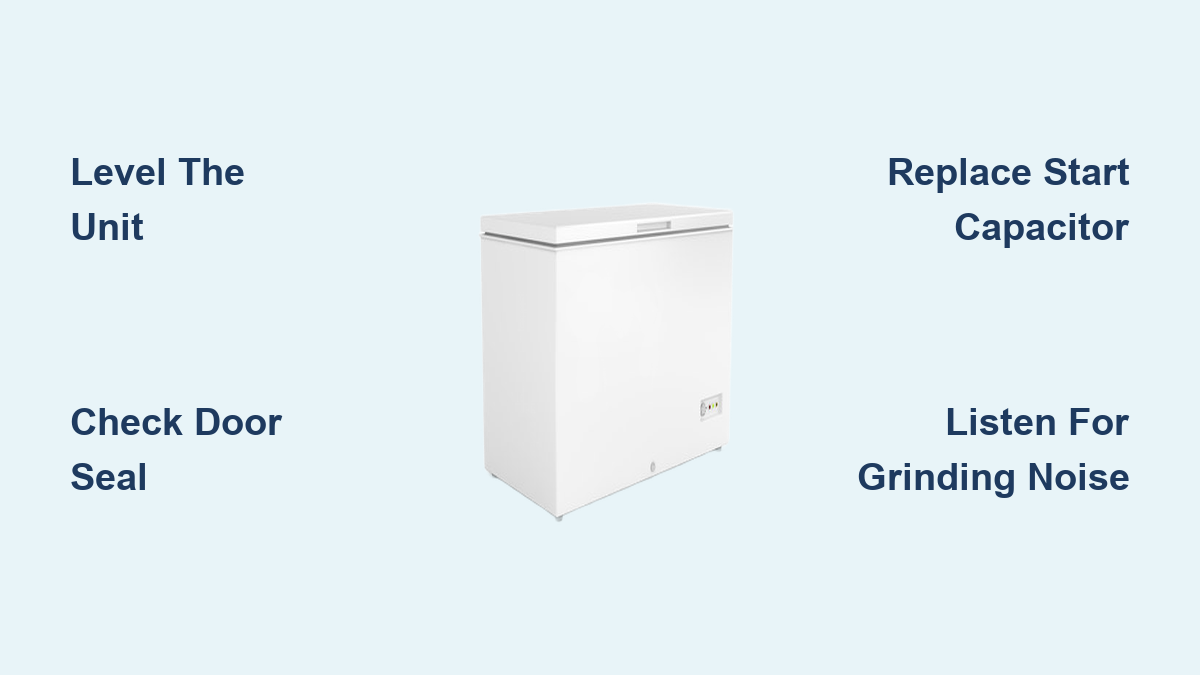
An uneven floor is the most common cause of excessive humming that wasn’t present when your freezer was new. When your chest freezer sits on an unlevel surface, vibration from the compressor transfers through the cabinet and amplifies into a loud, annoying hum. This issue worsens over time as the unit settles into its position, especially on concrete garage or basement floors that may have slight slopes.
Fix this problem in minutes with these steps:
– Place a bubble level on top of your freezer in multiple directions
– Adjust the leveling feet (if equipped) or place shims under the low side
– For concrete floors, position a 3/4-inch plywood sheet beneath the entire unit
– Add rubber vibration-dampening pads between the freezer feet and floor
Test the fix by pressing gently on the freezer cabinet while the compressor runs. If the humming changes or stops when you apply pressure, vibration transmission was the culprit. Most users report immediate noise reduction after proper leveling—often eliminating the need for costly repairs. Remember to recheck your freezer’s level annually, as floors can shift over time.
Diagnosing Clicking and Knocking Sounds in Your Freezer
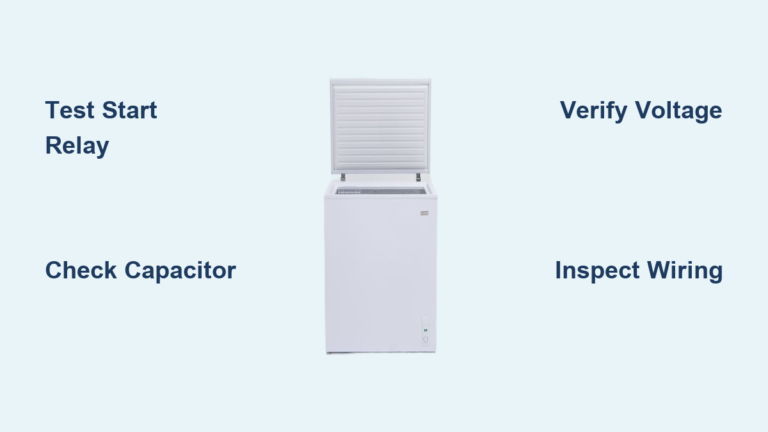
Rapid clicking that occurs repeatedly without the compressor starting indicates a failing start relay or overload protector—components that help the compressor motor kick on. This differs from the normal single click heard during regular cycling. If your chest freezer making noise produces this rapid clicking pattern, especially when combined with the compressor failing to run, these electrical components likely need replacement.
Knocking or pinging sounds during compressor operation often point to refrigerant flow issues or mechanical problems within the compressor itself. As refrigerant moves through restricted lines or worn components, it creates knocking that typically worsens over time. Listen carefully: if the knocking intensifies when the compressor first starts but fades during continuous operation, the issue may be less urgent. However, consistent knocking throughout the run cycle suggests internal compressor damage requiring professional assessment.
Popping sounds during automatic defrost cycles are usually normal as ice expands and contracts on evaporator coils. But loud popping at random times often indicates excessive frost buildup due to a damaged door seal or improper door closure. Check your door gasket for cracks or tears, and ensure nothing inside is preventing full closure. A simple dollar bill test—closing it in the door seal and checking resistance when pulling—reveals seal integrity issues.
Addressing Loud Buzzing from Your Chest Freezer Compressor
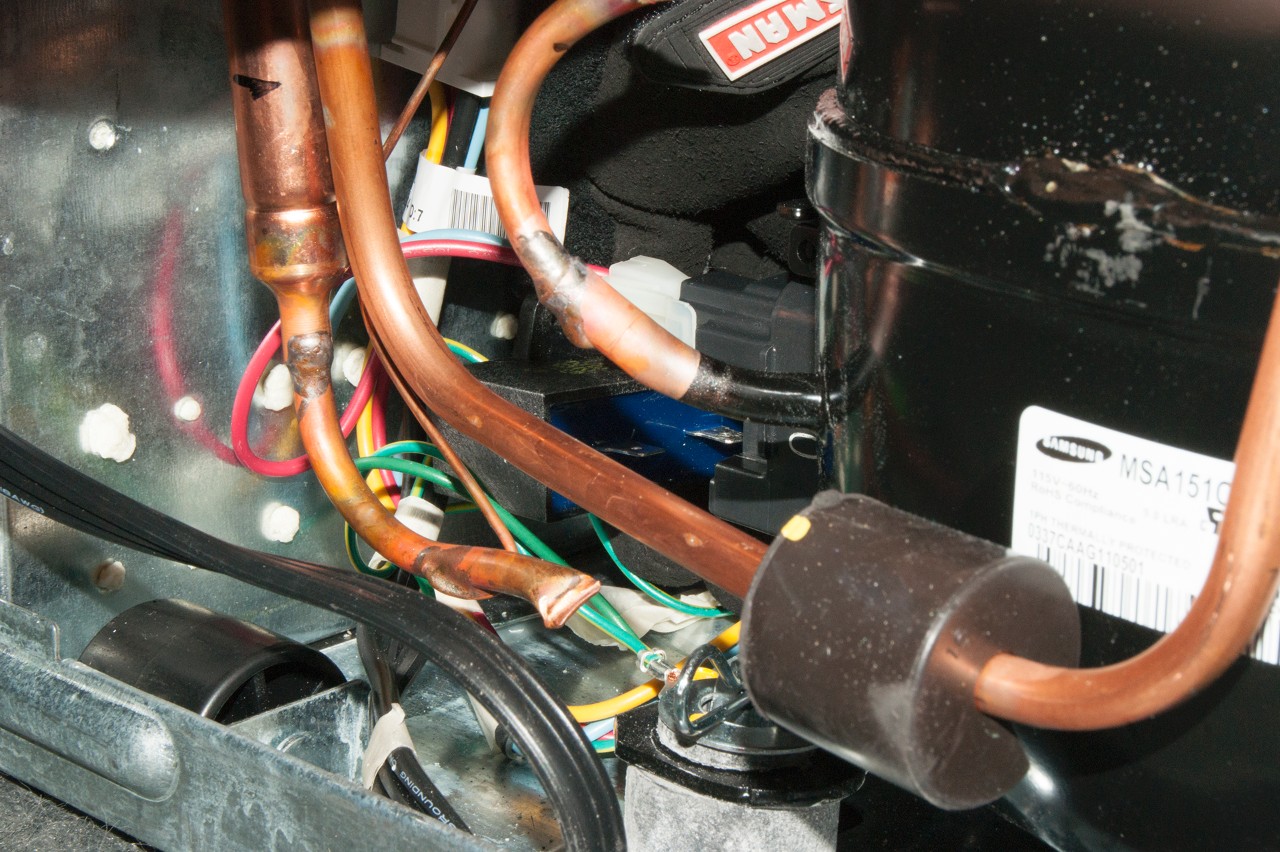
A loud, continuous buzzing sound that persists for more than a few seconds after the compressor attempts to start typically indicates a failing start capacitor—the component that provides the initial electrical boost to get the compressor motor running. Unlike normal operation, this buzzing continues without the compressor actually starting, or it may start briefly then shut down.
To confirm this issue:
– Listen for buzzing specifically during startup attempts
– Note if the compressor tries to start but fails repeatedly
– Check if the freezer maintains temperature (it won’t if this component fails)
Replacing a start capacitor costs $20-$50 for the part plus labor, making it one of the most cost-effective repairs for a chest freezer making noise. Most technicians complete this fix in under an hour. However, if the buzzing comes from the compressor itself during operation rather than just at startup, the compressor may be failing—a much more serious and expensive issue.
When Chest Freezer Noise Means Immediate Replacement
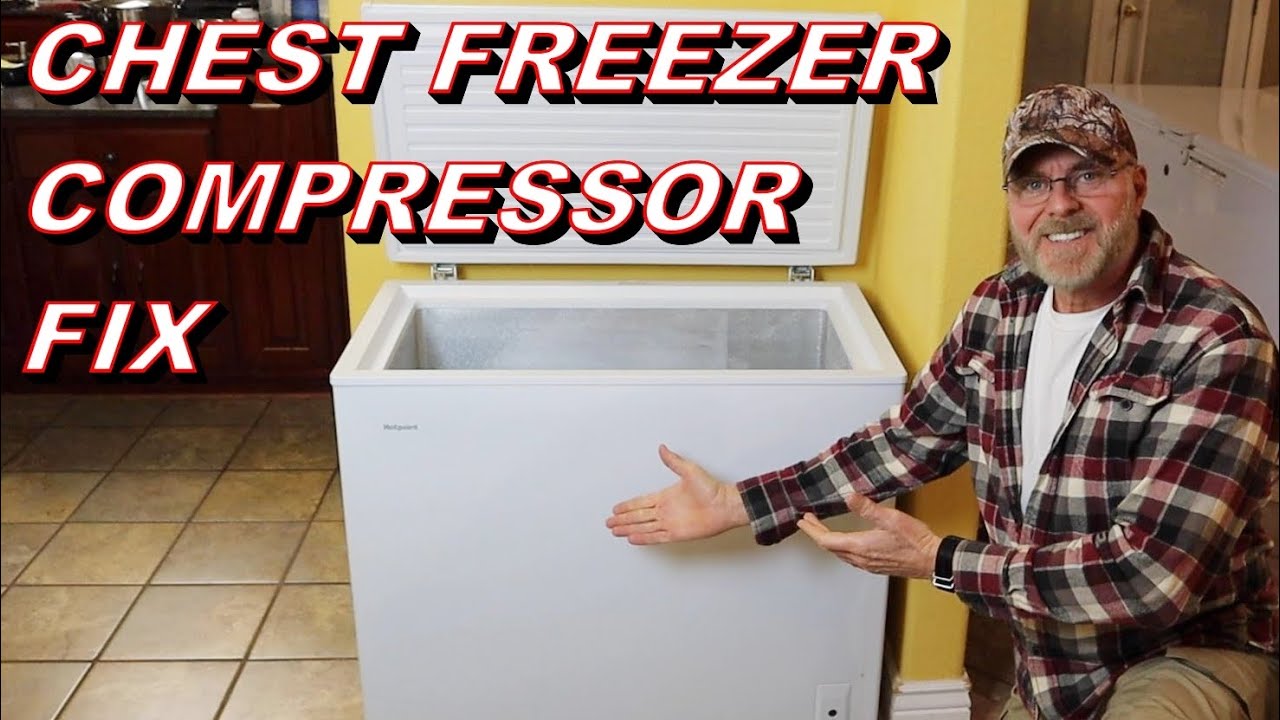
Certain sounds signal that your freezer has reached the end of its service life and repair isn’t worthwhile. A loud grinding, screeching, or squealing noise almost always indicates bearing failure in either the compressor or condenser fan motor. Continuing to run the freezer in this condition risks complete mechanical failure and potential refrigerant leaks.
If your chest freezer making noise runs constantly without cycling off while failing to maintain freezing temperatures, the compressor is likely failing or refrigerant levels are critically low. Check temperature with an independent thermometer—anything above 0°F (-18°C) indicates serious cooling problems. For freezers over 15 years old, replacement is usually more economical than compressor repair, which often costs 60-80% of a new unit’s price.
Listen for worsening knocking sounds that increase in volume over days or weeks—this indicates progressive mechanical failure inside the compressor. Unlike temporary knocking from refrigerant flow, this sound becomes louder and more pronounced with each use. When accompanied by oil leaks around the compressor compartment, immediate replacement is necessary as the compressor is failing catastrophically.
Preventing Future Noise Problems with Regular Maintenance
Keep your chest freezer running quietly for years with these simple maintenance practices you can perform twice yearly:
- Clean condenser coils using a vacuum or coil brush to remove dust buildup that forces the compressor to work harder
- Check door seals for flexibility and integrity, replacing cracked or hardened gaskets immediately
- Ensure proper clearance of at least 3 inches around the unit for adequate airflow
- Level the freezer annually to prevent vibration amplification
- Avoid overfilling which blocks air circulation and causes the compressor to run longer cycles
Don’t ignore minor sounds that develop gradually—they often indicate problems that worsen over time. When moving your freezer, wait at least 4 hours before plugging it in to let compressor oil settle, preventing damage that leads to noise issues. These simple steps extend your freezer’s lifespan and maintain optimal, quiet operation.
Choosing a Quieter Replacement Freezer When Needed
If replacement becomes necessary, select a model specifically designed for quiet operation. Look for these features when shopping for a new chest freezer making noise less likely:
- Sound ratings of 45 decibels or lower (check specifications)
- Vibration-dampening compressor mounts
- Enhanced cabinet insulation that contains sound
- Enclosed compressor compartments
- Positive owner reviews mentioning quiet operation
Placement affects perceived noise levels—position your new freezer against an interior wall rather than an exterior wall to reduce vibration transmission. Leave space between the unit and walls for better airflow, and consider placing it on a rubber mat to further reduce noise transmission to the floor. Energy Star-certified models often incorporate quieter compressor technology while saving you money on electricity bills.
Your chest freezer making noise doesn’t have to disrupt your home environment. By understanding which sounds are normal and which require action, you can address issues before they lead to costly failures. Most noise problems have simple solutions you can implement yourself, while others help you make informed decisions about repair versus replacement. When in doubt, consult a professional—early intervention often prevents minor issues from becoming major disasters that compromise your frozen food storage.