Best Way to Store Meat in Freezer (2026 Guide)
Nothing ruins dinner plans like discovering freezer-burned steaks or mystery packages of unidentifiable meat buried at the back of your freezer. Mastering the best way to store meat in freezer conditions transforms your frozen storage from a chaotic wasteland into a reliable resource for quality meals. Proper freezing techniques preserve texture, flavor, and nutrition while preventing waste—saving you money and reducing food insecurity during busy weeks. Whether you buy in bulk during sales, meal prep weekly, or simply want to extend the life of grocery purchases, implementing these professional storage methods ensures your frozen meat delivers restaurant-quality results whenever you need it.
The plastic wrap from grocery stores is designed for display cases, not long-term freezing. This flimsy packaging allows air exposure that leads to freezer burn within weeks, turning premium cuts into dry, flavorless disappointments. Meat science researchers confirm that adding protective wrapping before freezing makes the difference between decent and exceptional results. Taking just five extra minutes to wrap properly protects your investment and guarantees better meals down the line.
Why Your Current Freezer Method Fails Meat Quality
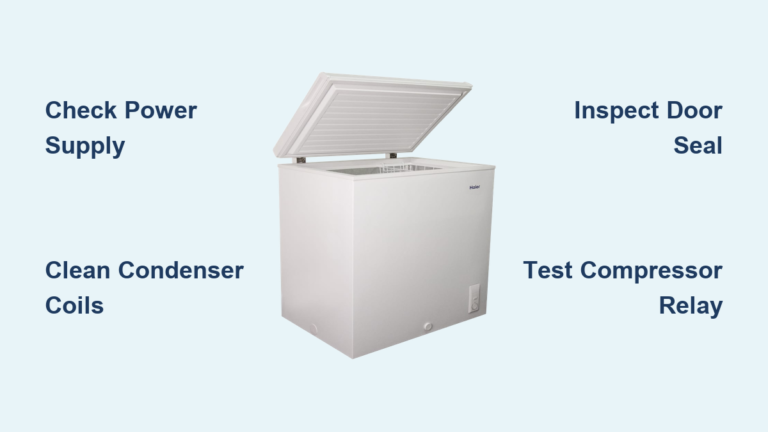
Temperature inconsistency causes most freezer storage problems. Your freezer must maintain 0°F (-18°C) or lower to prevent bacterial growth and preserve quality. Built-in thermostat controls often drift over time, so using a dedicated freezer thermometer provides accurate monitoring. Without consistent temperatures, ice crystals form on meat surfaces, damaging cell structure and causing moisture loss when thawed.
Freezing cannot improve quality—it only preserves whatever state the meat was in when frozen. Starting with fresh, high-quality cuts gives dramatically better results after thawing. Look for meat without off-odors, proper coloring, and firm texture when purchasing. If you’ve ever wondered why some frozen meat turns out great while other batches disappoint, the answer usually lies in initial quality and wrapping technique.
Vacuum Sealing vs. Double-Wrapping: Which Works Best

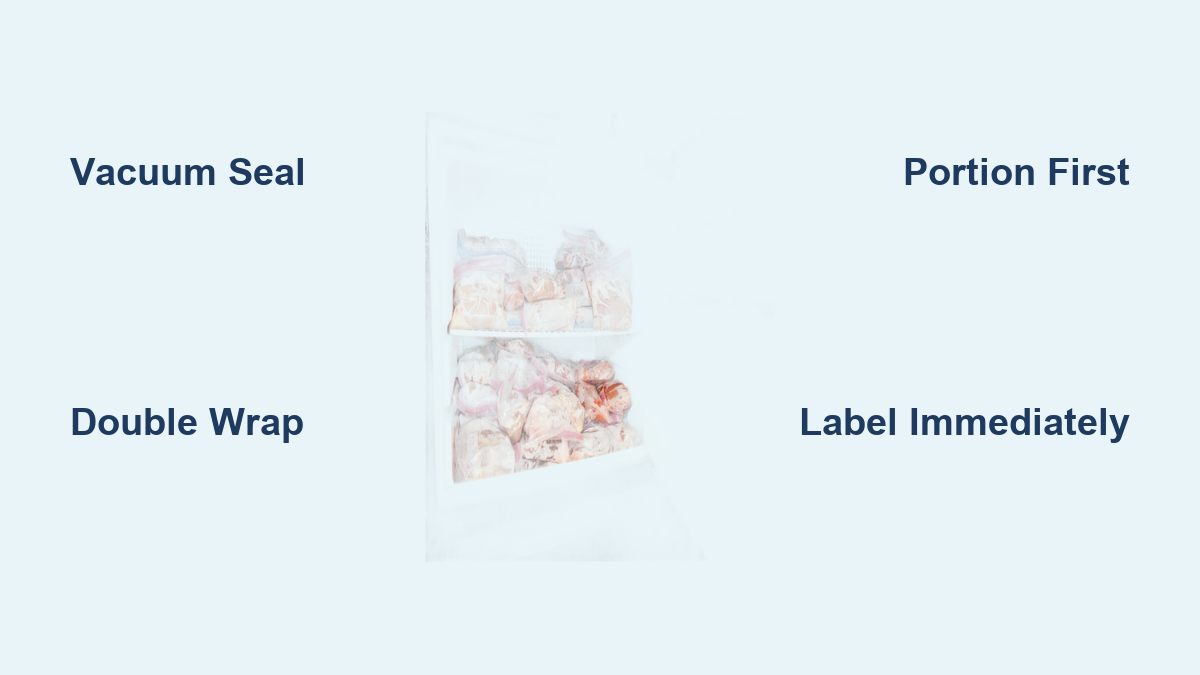
Vacuum sealing removes all air and creates a hermetic seal that prevents freezer burn for up to two years. This method works exceptionally well for premium cuts like ribeye or filet mignon that you want to store long-term. While the initial investment in a quality sealer seems steep, it pays off quickly if you regularly buy meat in bulk—preventing $20-$30 worth of waste per month.
Double-wrapping approach works nearly as well without special equipment. First wrap meat tightly in plastic wrap or freezer paper (shiny side facing meat), then place inside a heavy-duty freezer bag. For ground meat, portion one to two pounds into gallon bags, roll flat with a rolling pin, and seal. These flat packages freeze faster, store vertically like books, and thaw in half the time of bulky packages—typically 12-24 hours in the refrigerator versus 24-48 hours.
Critical wrapping mistake to avoid: Never use regular sandwich bags or thin plastic wrap alone. These allow air penetration within weeks, causing freezer burn. Always use freezer-specific bags (thicker material) and remove as much air as possible before sealing.
Portion Before Freezing—Your Secret Weapon Against Waste
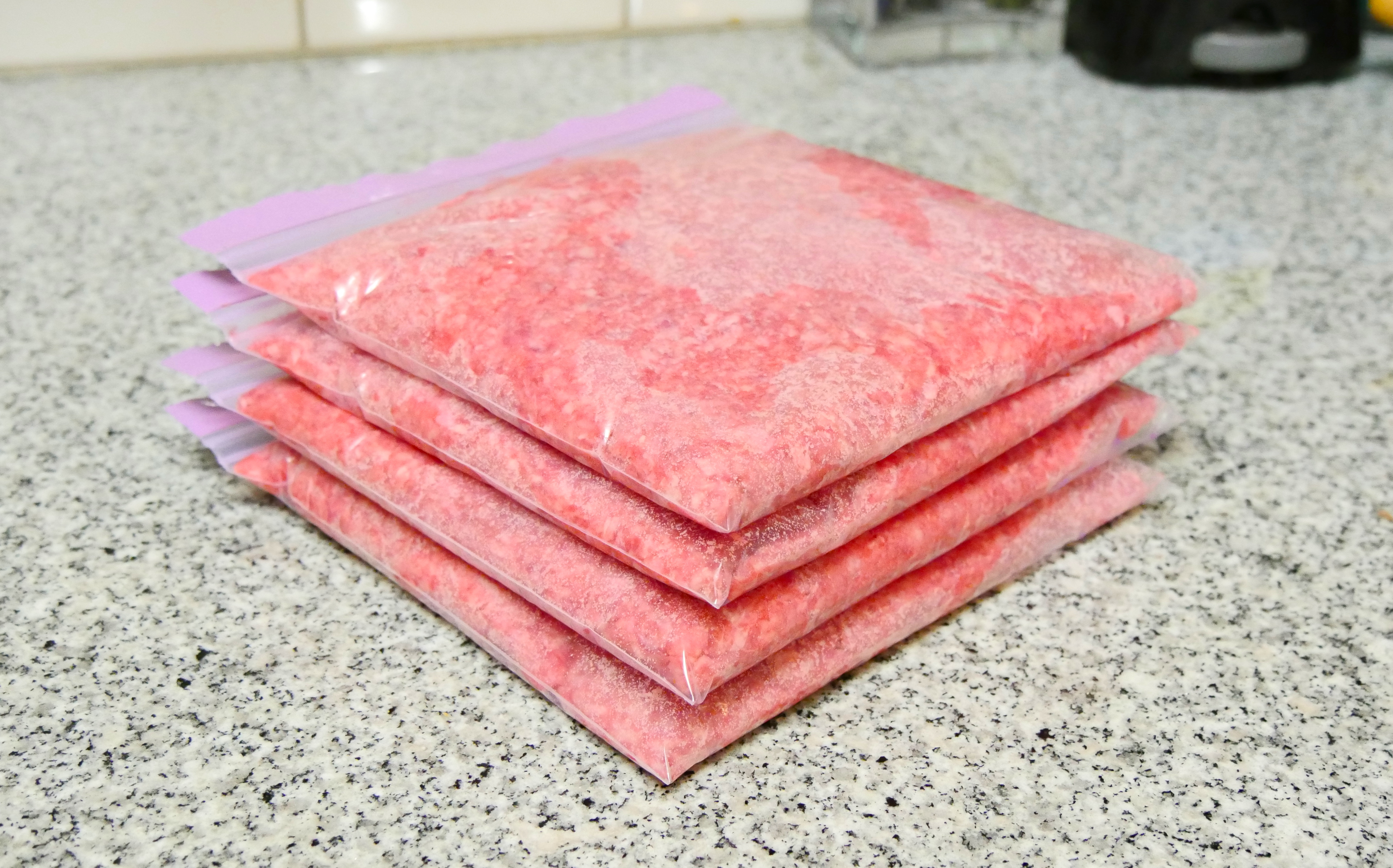
Freezing large, family-sized packages creates multiple problems: uneven freezing, wasted meat when you only need a portion, and forgotten packages at the freezer back. The solution? Portion meat into meal-sized amounts before freezing based on your actual cooking habits.
Think about how you’ll use the meat when deciding portions. One-pound portions work perfectly for most ground beef recipes, while chicken breasts should be portioned in pairs for family dinners. This “recipe-ready” approach eliminates waste and makes meal planning effortless—you’ll know exactly what you need for tonight’s dinner is already prepared and waiting.
Label everything immediately using blue painter’s tape and a sharpie—the tape removes cleanly without residue, and the ink stays readable through freezer conditions. At minimum, write the type of meat, weight, and freeze date on every package. Without labeling, frozen meat becomes unidentifiable within weeks, leading to unnecessary waste.
Organize Your Freezer Like a Pro
Organization impacts both convenience and food safety. Use bins, baskets, or magazine holders to categorize meats—designate separate areas for beef, pork, poultry, and seafood to prevent cross-contamination and speed up inventory checks.
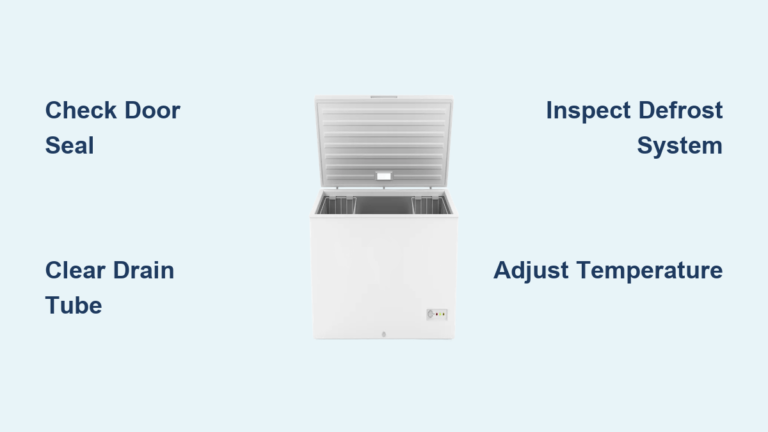
Chest freezer hack: Create layers with frequently used items on top and bulk purchases at the bottom. Magazine holders work surprisingly well for storing flat packages upright, making inventory visible at a glance without digging through layers of frozen items.
Upright freezer strategy: Stack similar items together and use door shelves for smaller packages. Reserve the door for frequently used items since it experiences temperature fluctuations when opened. Category organization—ground meat in one section, chicken in another—simplifies meal planning and keeps your system logical.
Implement “first in, first out” rotation: When adding new meat, place it at the back while moving older packages to the front. Combined with a simple inventory list on your freezer door, this prevents discovering forgotten packages that have exceeded recommended storage times.
Storage Time Limits by Meat Type
While frozen meat technically remains safe indefinitely at 0°F, quality degrades over time. Different meats have specific optimal storage windows:
- Beef steaks and roasts: Up to 12 months (vacuum-sealed), 4-6 months (double-wrapped)
- Ground beef: 3-4 months for best taste and texture
- Pork chops: 4-6 months; roasts: 6-12 months
- Whole chicken: Up to 12 months; individual pieces: 9 months
- Ground poultry: 3-4 months
- Fish: Only 2-3 months due to delicate proteins breaking down
Critical warning: Never freeze meat that’s already nearing its refrigerator expiration date. Freezing preserves current quality—it doesn’t reset the clock. Meat frozen when fresh maintains quality far longer than meat frozen when already questionable.
Safe Thawing Methods That Preserve Quality
Refrigerator thawing produces the best results for quality and safety. Place frozen meat on a plate to catch liquids and allow slow thawing in the fridge. Small packages thaw overnight; larger cuts take 24-48 hours. This gradual temperature change preserves texture and allows moisture reabsorption. Major advantage: meat thawed this way can be safely refrozen if plans change.
Cold water bath thawing offers faster results when time is limited. Place wrapped meat in cold water, changing every 30 minutes. Small packages thaw in 1-3 hours; larger cuts in 3-6 hours. Critical rule: Cook immediately after thawing—do not refreeze.
Microwave thawing should only be used when cooking immediately afterward. Microwaves heat unevenly, often cooking edges while the center remains frozen. This rapid temperature change negatively impacts texture—reserve this method for emergencies only.
Prevent Freezer Burn Before It Starts
Freezer burn happens when air reaches the frozen surface, causing moisture evaporation and leaving dried, discolored areas. While safe to eat, affected spots taste dry and cardboard-like, often leading to waste. Prevention is far more effective than trying to rescue affected meat.
Eliminate air exposure through proper wrapping using freezer-specific materials. Ensure wrappings are secure without holes or gaps, and remove as much air as possible from bags before sealing. Vacuum sealing provides the most complete air removal, but double-wrapping achieves nearly the same results for most home cooks.
Maintain proper air circulation by not overfilling the freezer. Leave space for air to move around frozen items. Chest freezers shouldn’t be filled beyond the manufacturer’s fill line, and items should allow air flow between them. Upright freezers need similar consideration—don’t pack items so tightly that air cannot circulate.
Eco-Friendly Storage Alternatives
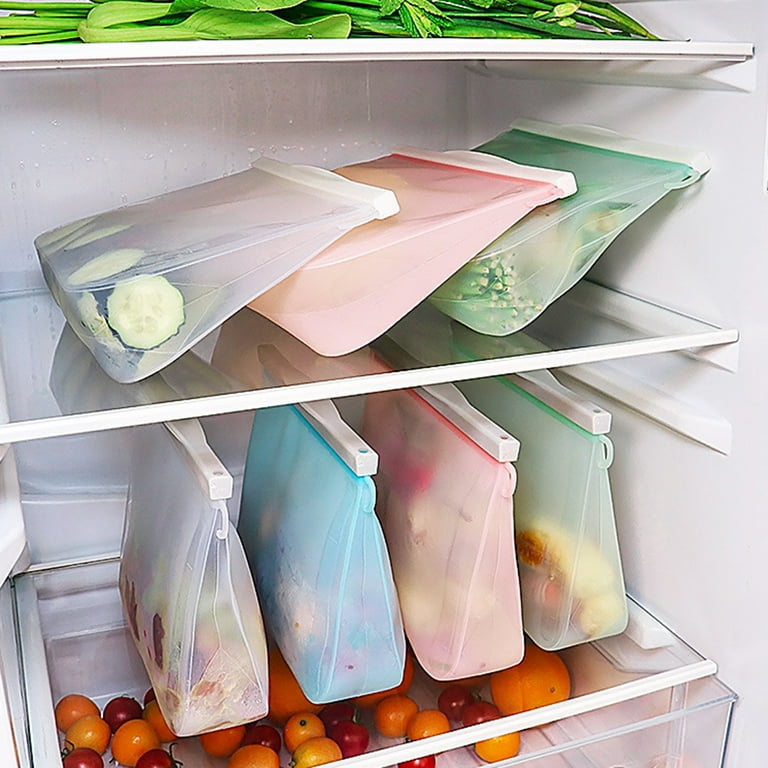
For those reducing single-use plastic consumption, several sustainable options exist:
- Reusable silicone zip-lock bags: Dishwasher-safe, withstand heat needed to kill germs, and replace hundreds of single-use bags over their lifetime
- Greaseproof paper: Fully biodegradable and compostable when wrapped airtight (shiny side facing meat)
- Reused plastic: Clean and reuse bread bags, cereal bags, and frozen fruit bags for meat storage
- Cellulose bags: Made from plant fibers, fully biodegradable and compostable
Pro tip: Freeze items separately first (like chicken pieces on a baking sheet), then transfer to containers. This prevents sticking together while using eco-friendly containers.
Special Tips for Different Meats
Chicken breasts: Freeze individually wrapped to prevent sticking together. Whole chickens should be giblet-free and thoroughly dried before wrapping.
Beef cuts: Premium cuts like ribeye freeze exceptionally well when properly wrapped. Consider having your butcher portion according to your typical usage patterns.
Pork: Clear labeling is essential since pork cuts become hard to identify once frozen. Bacon should be used within 1-2 months for best quality.
Fish: Wrap tightly in parchment paper first, then plastic or foil. Use within 2-3 months—delicate proteins break down quickly with each freeze-thaw cycle.
Build Your Foolproof Freezer System
Creating a sustainable freezer practice balances food safety, quality preservation, and convenience. Start with these three habits:
- Always label packages immediately after wrapping
- Portion meat into meal-sized amounts before freezing
- Implement “first in, first out” rotation for older items
Monthly maintenance ritual: Take 15 minutes each month to check freezer contents, reorganize items that have shifted, and use or discard items kept too long. This simple habit prevents forgotten packages and keeps your system functioning optimally.
Final tip: Invest in proper storage materials that pay for themselves through reduced waste. Quality vacuum sealers, reusable silicone bags, or professional-grade freezer paper last for years and eliminate ongoing disposable costs. For bulk meat buyers, savings on meat purchases often exceed storage supply costs many times over—making proper freezer storage one of the smartest kitchen investments you can make.