Ideal Household Freezer Temperature Settings (2026 Guide)
Is your freezer secretly sabotaging your food safety? Many households unknowingly operate their freezers at incorrect temperatures—either wasting energy by setting them too cold or risking foodborne illness by keeping them too warm. The right household freezer temperature isn’t just about keeping food frozen; it’s your frontline defense against bacterial growth while maximizing food quality and shelf life. Understanding how to properly set, verify, and maintain your freezer’s temperature can save you hundreds in wasted groceries and prevent dangerous food safety issues.
Most people assume their freezer dial setting corresponds directly to actual temperature, but this common misconception leads to costly mistakes. Your freezer’s thermostat merely controls how often the compressor runs, not the precise internal temperature. Ambient room conditions, door openings, and how full your freezer is all dramatically impact the actual temperature where your food lives. This guide reveals the exact steps to verify and maintain optimal household freezer temperature—0°F—and how to protect your frozen food investment during emergencies.
Set Your Freezer to Exactly 0°F for Maximum Food Safety
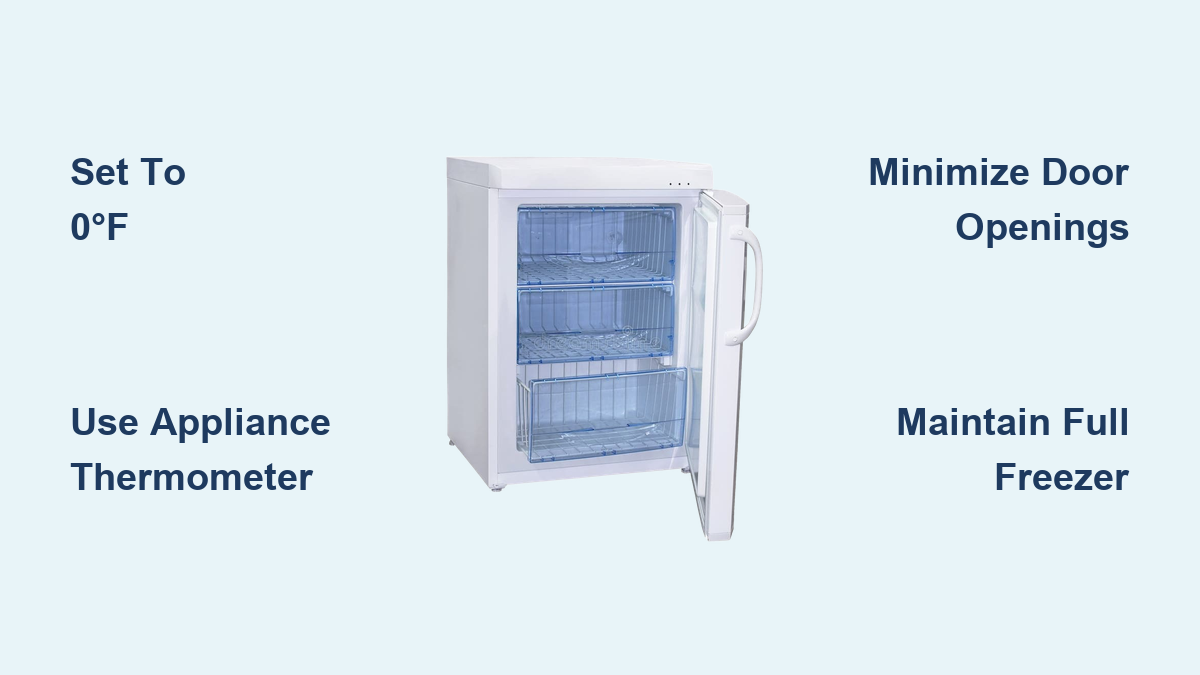
The single most critical setting for your household freezer temperature is 0 degrees Fahrenheit—not “cold” or “colder,” but precisely zero. This specific temperature threshold stops bacterial growth completely while preserving food quality for months. While some freezers display settings like 1-5 or Low-Medium-High, these are merely compressor run-time indicators, not actual temperatures.
To verify your freezer actually maintains 0°F, you need an appliance thermometer—not the built-in display. Place a standalone thermometer in the center of your freezer (not against the wall where temperatures differ) and check it after 24 hours of stable operation. Take readings at different times of day, as temperature fluctuations exceeding 5°F indicate potential problems with your unit’s performance. If your thermometer shows anything above 0°F, adjust the thermostat setting lower and recheck after another 24 hours.
Why 0°F Is Non-Negotiable for Food Preservation
Setting your freezer just 5 degrees above 0°F dramatically reduces safe storage times for most foods. Meats that would last 6-12 months at 0°F may only remain safe for 2-3 months at 5°F. The difference becomes even more pronounced with delicate items like ice cream, which develops large, unpleasant ice crystals at temperatures as “warm” as -5°F. Pro Tip: Place your thermometer next to frequently accessed items (like your ice cream container) since these locations experience the most temperature fluctuations from door openings.
Prevent Temperature Spikes With Strategic Freezer Organization

How you load your freezer directly determines whether it can maintain that critical 0°F household freezer temperature consistently. Overfilling your freezer creates dangerous warm zones where food partially thaws and refreezes, accelerating quality degradation. The visible ice crystals that form during refreezing puncture food cells, releasing moisture and creating that unappetizing texture in meats and vegetables.
Organize your freezer with at least one inch of clearance between items and the walls to allow proper air circulation. For best results, group similar items together—keeping all meats in one section and vegetables in another—so you can grab what you need quickly with minimal door opening time. If your freezer isn’t full, fill empty spaces with sealed bags of ice or frozen water bottles. These thermal masses absorb heat more slowly than air, helping stabilize temperatures during normal door openings.
Quick-Access Organization System
Create a simple labeling system using colored tape or markers to identify food categories at a glance. Designate front sections for frequently used items and back areas for long-term storage. This strategic placement reduces average door-open time from 30+ seconds to under 10 seconds—preventing temperature spikes that force your compressor to work 25% harder to restore 0°F.
Power Outage Survival: Keep Frozen Food Safe for 48 Hours
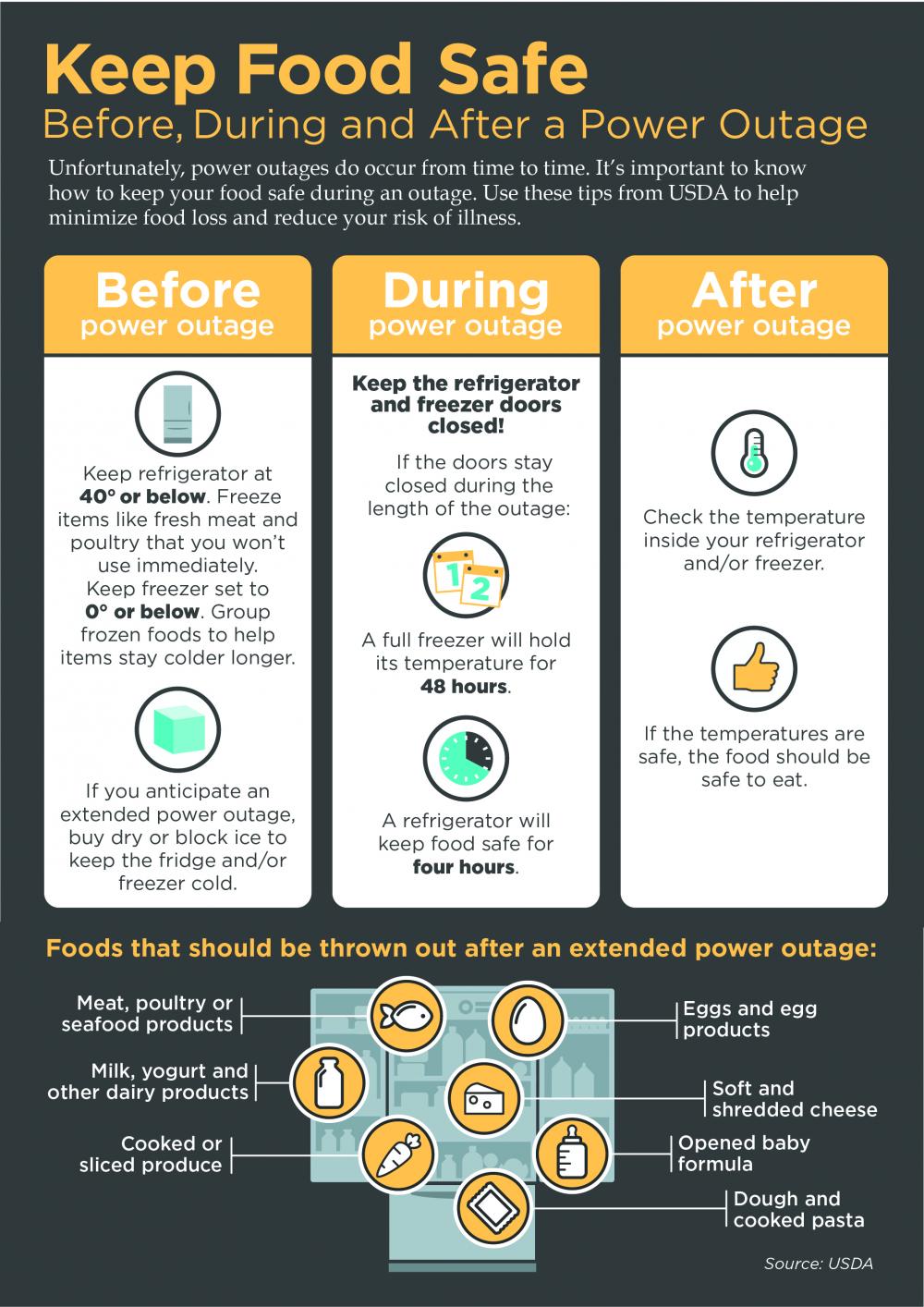
When the electricity fails, your freezer becomes a countdown timer for your food investment. A full freezer maintains safe temperatures for up to 48 hours with the door closed, but this timeframe drops to just 24 hours if the unit is half-full. The critical factor isn’t the outside temperature—it’s how often you open the door. Each 20-second door opening releases enough cold air to reduce your safe storage time by 4-6 hours.
Before storms or planned outages, prepare quart-sized water containers and freeze them solid. These serve dual purposes: they add thermal mass to stabilize temperatures and provide emergency drinking water. During an outage, resist checking your food—this single action is responsible for 90% of temperature loss in emergency situations. If you must check, do it quickly during the coldest part of the day (early morning) when outdoor temperatures are lowest.
Emergency Temperature Check Method
Without power to run a thermometer, use visual cues to assess food safety. Foods with visible ice crystals remain safe to eat—these indicate temperatures stayed below 40°F. Discard any items showing signs of thawing (puddles of water, soft spots in normally frozen items) or that feel warm to the touch. When in doubt, throw it out—foodborne illness costs far more than replacing groceries.
Recognize Critical Food Safety Thresholds After Temperature Fluctuations

Understanding the precise temperature boundaries between safe and dangerous food conditions prevents both unnecessary waste and potential illness. Any frozen food remaining below 40°F stays safe for refreezing or immediate consumption, even if partially thawed. The presence of ice crystals confirms temperatures never entered the danger zone where bacteria multiply rapidly.
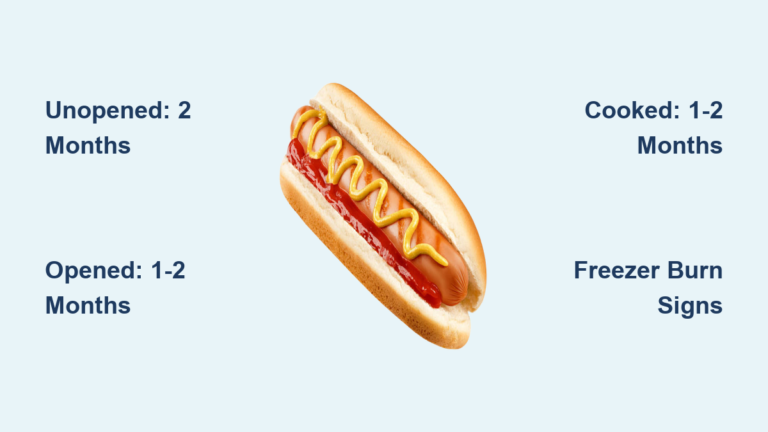
However, discard any food exposed to temperatures above 40°F for more than two cumulative hours—this includes time during power outages, defrost cycles, or extended door openings. This two-hour rule applies regardless of whether the food still feels cold; bacteria growth is invisible and odorless in early stages. Freezer-burned food (identified by white, dry patches) remains safe to eat but should have affected areas trimmed before cooking for best quality.
Optimize Refrigerator Settings to Support Household Freezer Temperature
Your refrigerator’s temperature directly impacts your freezer’s ability to maintain 0°F because both compartments share the same cooling system. Set your refrigerator to 37°F—the optimal midpoint between 35°F and 38°F—to ensure proper cooling without freezing delicate items like lettuce. Temperatures above 40°F allow dangerous bacteria growth, while settings below 35°F cause unnecessary freezer workload.
Place thermometers in both the warmest (front bottom shelf) and coldest (back top shelf) areas of your refrigerator to identify temperature variations. If readings differ by more than 5°F, adjust airflow vents or clean condenser coils—common fixes that restore balance without professional service. Older units often develop uneven cooling, making dual thermometer monitoring essential for food safety.
Slash Energy Costs With Smart Freezer Usage Habits
How you interact with your freezer impacts both temperature stability and your electricity bill. Every minute the freezer door stays open raises internal temperature by 25-30°F, forcing the compressor to run 30-40 minutes longer to restore 0°F. This single habit accounts for up to 15% of residential freezer energy consumption.
Implement these power-saving practices:
– Keep a detailed inventory on the freezer door so you know exactly what’s inside
– Retrieve multiple items in one trip rather than making repeated openings
– Let hot leftovers cool to room temperature before freezing (but within 2-hour safety window)
– Clean condenser coils twice yearly to maintain cooling efficiency
Master Food Handling Techniques That Protect Freezer Temperature
Thawing or marinating food incorrectly creates hidden temperature spikes that compromise your entire freezer’s performance. Always thaw frozen items in the refrigerator—not on the counter—to keep food surfaces below 40°F while the interior gradually warms. Use sealed containers to prevent cross-contamination with other refrigerated items.
Never place hot containers directly into the freezer. Allow cooked foods to cool to room temperature (within 2 hours of cooking) before freezing. For large batches, divide into shallow containers no deeper than 2 inches—this reduces cooling time from hours to minutes, preventing surrounding items from partially thawing during the cooling process.
Leverage Specialized Compartments to Reduce Freezer Workload
Modern refrigerators feature temperature-controlled zones that complement your household freezer temperature management. The pantry drawer with independent temperature control (typically 34-42°F) keeps frequently accessed items cold without burdening your main freezer.
Optimize these compartments:
– Store deli meats at 37°F for maximum freshness without freezing
– Keep soft drinks at 34°F for optimal chill without ice formation
– Maintain wine at 42°F for proper serving temperature
Using these specialized zones reduces how often you need to open your main freezer, preventing cumulative temperature spikes from frequent access.
Maximize Produce Freshness to Support Overall Cooling Efficiency
Proper produce drawer settings indirectly stabilize your household freezer temperature by optimizing refrigerator performance. Fill the low-humidity drawer (vented) two-thirds full with ethylene-producing fruits like apples and avocados. Keep the high-humidity drawer (sealed) three-fourths full with moisture-sensitive vegetables like leafy greens and carrots.
When produce spoils faster due to incorrect humidity settings, it creates additional heat and moisture in your refrigerator, forcing the entire cooling system—including your freezer—to work harder. Proper produce storage extends fresh food life by 30-50%, reducing how often you need to replenish frozen items.
Maintaining the correct household freezer temperature requires strategic coordination of multiple factors. Your freezer must stay precisely at 0°F—verified with an appliance thermometer—not just set to “cold.” Strategic organization with adequate air circulation prevents dangerous warm zones, while understanding power outage protocols (48 hours door-closed, discard after 2 hours above 40°F) protects your food investment. The refrigerator’s optimal 37°F setting supports freezer performance, and smart usage habits like minimizing door openings save energy while preserving temperature stability. By implementing these precise temperature management techniques, you’ll maximize food safety, extend shelf life, and reduce energy consumption—transforming your freezer from a simple appliance into a precision food preservation system.