Freezer Temperature Food Safety Guide
Your freezer is one of the most important appliances in your kitchen, but are you certain it’s keeping your food at the right temperature? Many homeowners assume their freezer is working properly simply because it’s running and their food feels frozen. However, improper freezer temperatures represent one of the leading causes of foodborne illness and wasteful food spoilage. Understanding exactly what temperature your freezer should be, how to verify it’s maintaining that temperature, and what steps to take when problems arise can protect your family’s health and save you money on wasted groceries.
The good news is that achieving and maintaining proper food safety freezer temperature doesn’t require expensive equipment or professional expertise. With a simple thermometer and a few minutes of attention each month, you can ensure your freezer operates at the optimal level for long-term food storage. This guide walks you through everything you need to know about freezer temperature safety, from understanding the science behind the guidelines to practical troubleshooting when your appliance isn’t performing as expected.
Ideal Freezer Temperature Standards for Maximum Safety
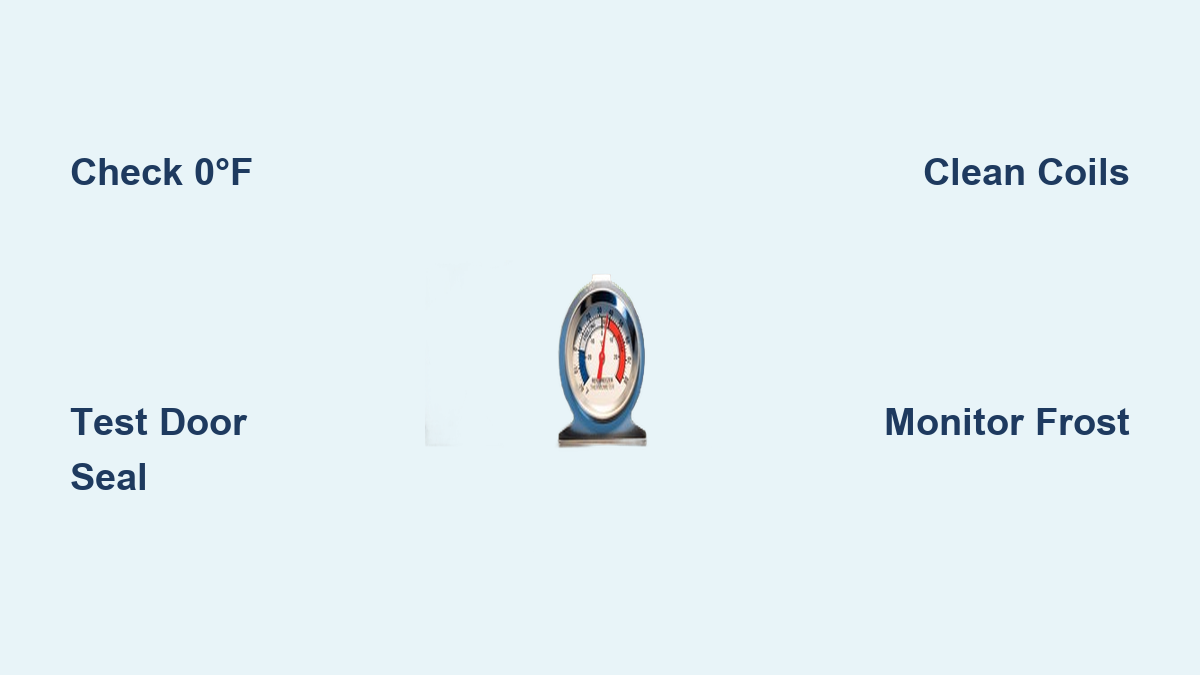
Your freezer must maintain a temperature of precisely 0°F (-18°C) or below to ensure food safety. This specific threshold isn’t arbitrary—it represents the temperature at which bacterial growth essentially halts, preserving both the safety and quality of your frozen foods. At temperatures above 0°F, bacteria can multiply to dangerous levels over time, creating a food safety hazard even when the food appears frozen.
Why Digital Displays Aren’t Always Accurate
Many modern freezers feature digital temperature displays that show the current internal temperature. While convenient, these displays aren’t always reliable indicators of actual food safety freezer temperature. Appliance repair technicians regularly encounter units with malfunctioning sensors showing incorrect temperatures. For this reason, independent verification using a separate thermometer remains the gold standard for confirming your freezer is operating safely.
How Freezer Temperature Affects Different Food Types
Different food categories respond uniquely to freezer temperatures. While all foods remain microbiologically safe at 0°F or below, quality preservation varies significantly. Fatty foods like meats and dairy products are particularly vulnerable to temperature fluctuations, developing rancidity faster when stored even slightly above the recommended temperature. Understanding these nuances helps you prioritize which foods require the most consistent temperature control.
Critical Signs Your Freezer Temperature Is Compromised
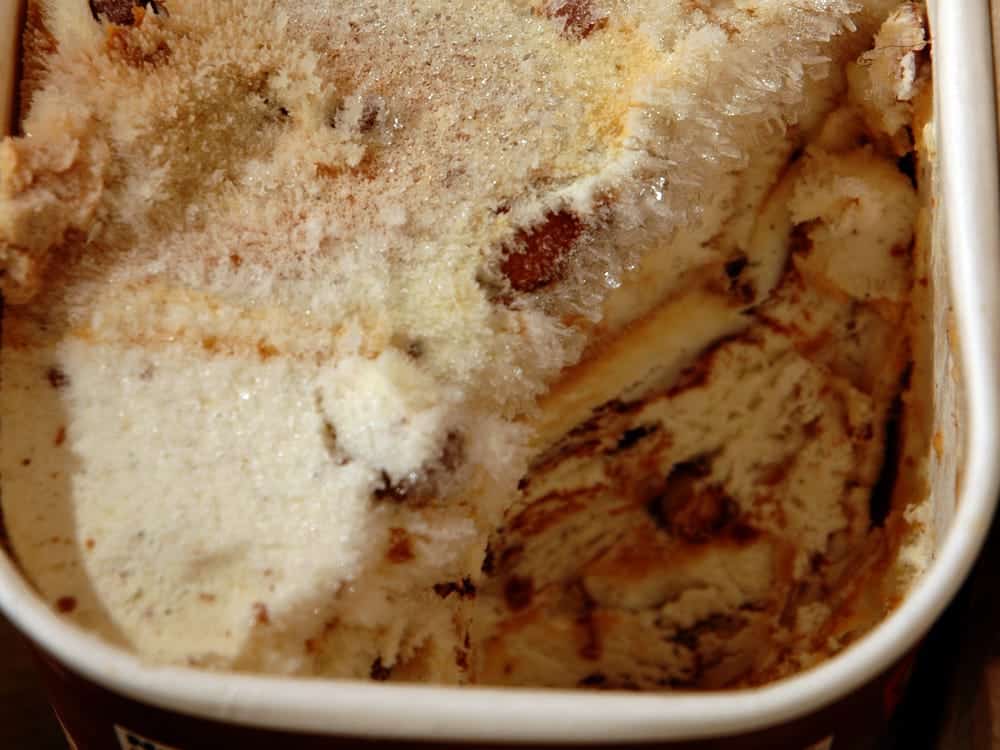
Several observable symptoms indicate your freezer may be operating above the safe temperature zone. Ice cream softer than it should be and frozen meat that feels pliable rather than solidly frozen immediately warrant temperature checking. These subtle changes in texture often represent the first warning signs that your freezer isn’t maintaining proper food safety freezer temperature.
Frost Buildup as a Temperature Indicator
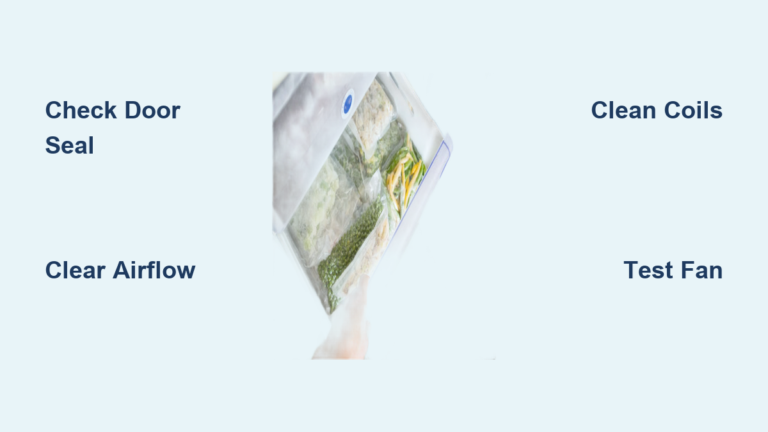
Excessive frost buildup inside the freezer, particularly on walls or between packages, signals temperature instability and potential door seal issues. When warm air enters the freezer compartment, moisture condenses and freezes on cold surfaces. More than a quarter-inch of frost indicates your freezer is struggling to maintain consistent temperatures, allowing humid air to infiltrate regularly.
Unusual Odors and Discoloration Warning Signs
Unpleasant odors emanating from properly cleaned freezer compartments often accompany temperature problems, as food beginning to spoil at warmer temperatures releases distinctive gases. Similarly, any discoloration on frozen food—particularly green, gray, or brown spots on meat or vegetables—suggests the food has been warmer than ideal for extended periods. These visual and olfactory cues should prompt immediate temperature verification.
Troubleshooting Temperature Problems: Step-by-Step Solutions
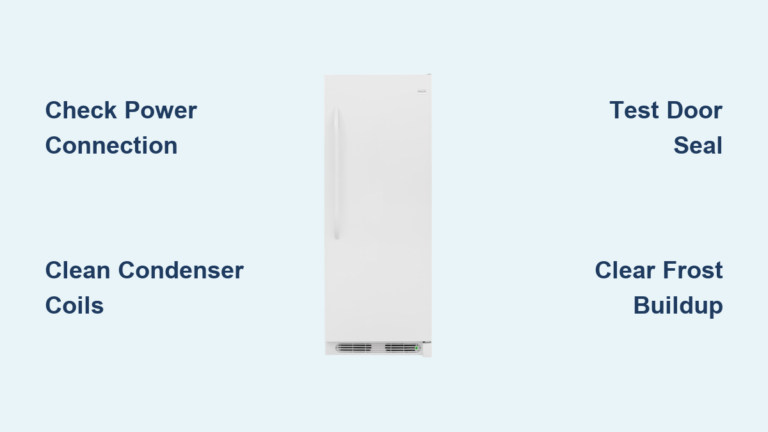
When testing reveals your freezer isn’t maintaining 0°F, several common culprits may be responsible. The door seal, or gasket, ranks as the most frequent issue—over time, these rubber seals become brittle, cracked, or warped, allowing warm air to infiltrate the freezer compartment every time the door closes.
Testing and Repairing Door Seals Effectively
Inspect your door seal by closing it on a piece of paper; if you can pull the paper out easily, the seal needs replacement. Clean the seal with warm, soapy water and apply a thin layer of petroleum jelly to extend its life temporarily. For severe damage, replacement gaskets are available from appliance parts suppliers and can often be installed without professional help.
Cleaning Condenser Coils for Optimal Performance

Dirty condenser coils significantly reduce cooling efficiency. These coils, usually located on the back or bottom of your freezer, dissipate heat as the refrigerant circulates through the system. When coated with dust, pet hair, or household debris, they cannot release heat effectively. Vacuum these coils gently with a brush attachment every three months—this simple maintenance task dramatically improves freezer performance and temperature stability.
Maintaining Consistent Freezer Temperature Through Proper Organization
Consistent monitoring prevents temperature surprises before they affect your food’s safety. Check your freezer thermometer at least monthly, and consider checking weekly during extreme weather seasons when ambient temperatures stress cooling systems. Many experts recommend keeping a spare thermometer on hand to verify readings—if two thermometers show the same temperature, you can trust the reading.
Strategic Freezer Organization Techniques
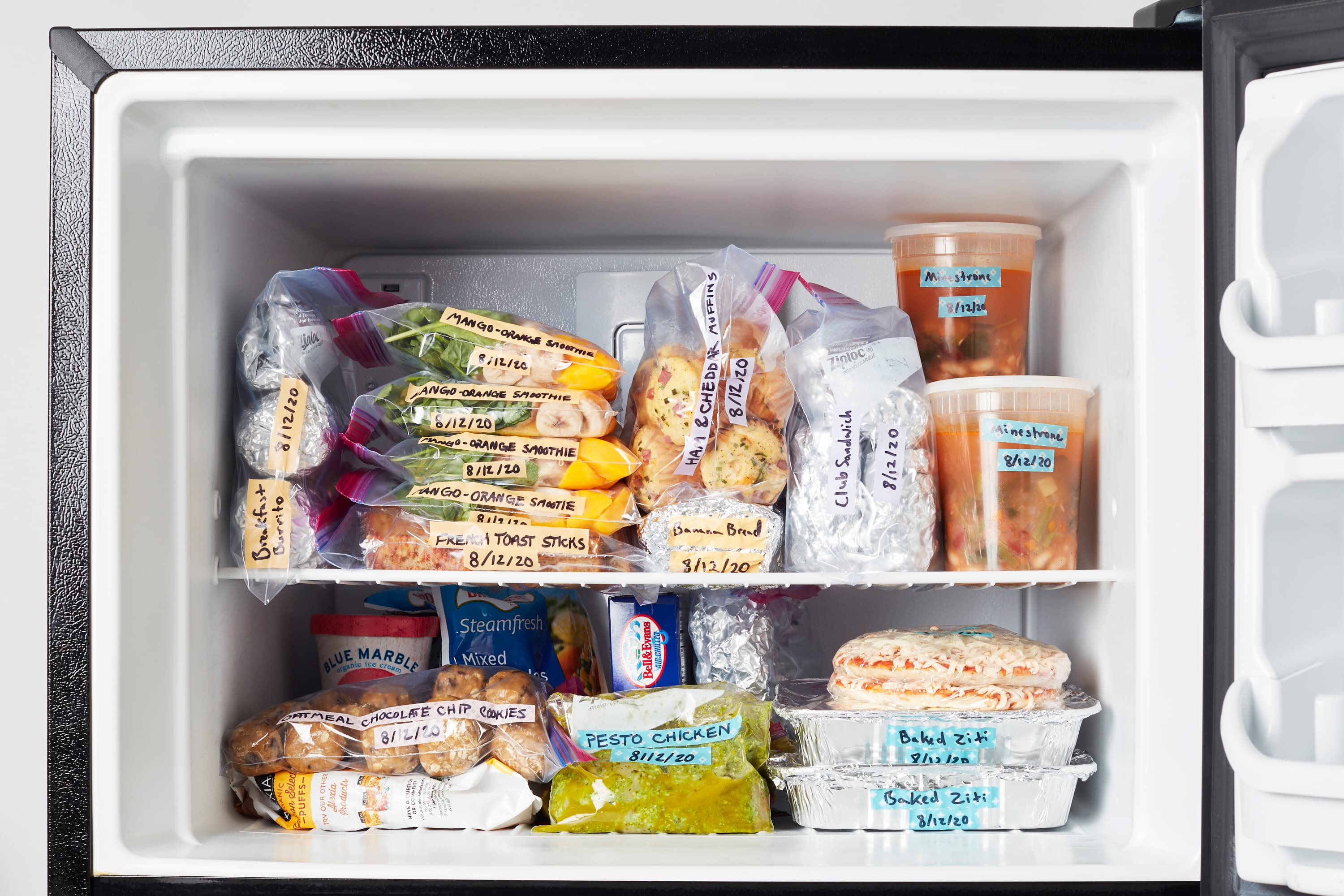
Group similar items together and place older items in front where they’ll be used first. This “first in, first out” rotation prevents forgotten foods from lurking at the back for years while helping you locate items quickly without leaving the door open searching. Keep frequently used items near the front to minimize door opening time, which preserves cold air and maintains stable food safety freezer temperature.
Optimal Freezer Fill Level for Temperature Stability
Avoid overfilling your freezer, which blocks air circulation essential for even cooling. Leave approximately one-quarter of the interior space empty to allow cold air to flow freely around all items. Conversely, a nearly empty freezer struggles to retain temperature efficiently because the thermal mass of frozen food helps stabilize the environment. When your freezer is sparsely populated, fill empty spaces with containers of water that will freeze and provide thermal mass.
Emergency Response When Freezer Temperature Rises Unexpectedly
Discovering a freezer failure creates stressful decisions about food safety. When your freezer temperature rises above 0°F but remains below 40°F, the food enters the “danger zone” where bacteria multiply rapidly. Food in this condition should be consumed within two hours of the temperature breach if the door remained closed, or immediately if the door was open. Partially thawed food with ice crystals throughout can safely be refrozen without cooking.
The Critical 40°F Threshold Explained
If your freezer has been without power or functioning improperly for an extended period, evaluate each item individually. Frozen food that still contains ice crystals and shows no signs of thawing can often be refrozen safely. Food that has completely thawed but still feels cold to the touch and was frozen less than a day ago can be cooked immediately and then refrozen. Any food that reached 40°F or higher for more than two hours should generally be discarded, as the bacterial load may be dangerously high even if the food appears and smells normal.
Extending Food Quality with Proper Freezer Practices
While 0°F keeps all frozen food safe from bacterial growth indefinitely, quality considerations vary significantly by food type. Ground meats lose optimal quality after three to four months, while whole cuts of beef maintain good quality for up to a year at 0°F. Poultry lasts six to twelve months, while fish varies widely—fatty fish like salmon should be used within two to three months, while lean fish can last up to six months.
Advanced Freezing Techniques for Maximum Quality
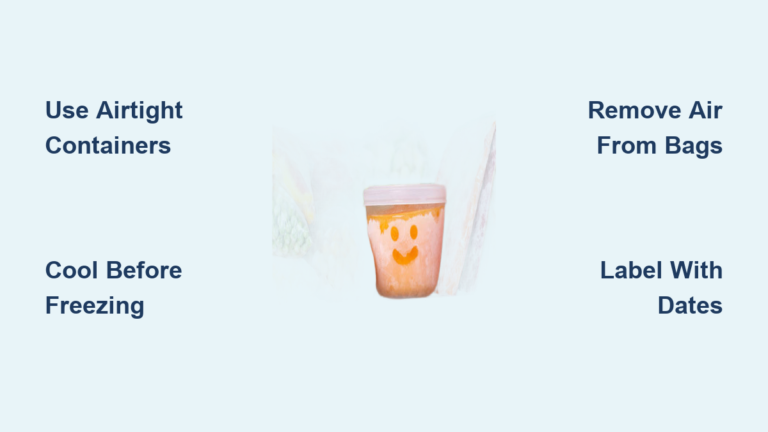
Blanch vegetables before freezing to preserve color, texture, and nutrients. Remove as much air as possible from freezer bags to prevent freezer burn. For liquids, leave adequate headspace (about an inch) to allow for expansion during freezing. These specialized techniques work in conjunction with proper food safety freezer temperature to maximize both safety and quality.
Labeling and Inventory Systems That Prevent Waste
Label everything with the date of freezing and contents, using freezer-specific tape and labels that won’t peel or smudge in cold conditions. Many households find that a simple inventory list on the freezer door, updated with each addition, dramatically reduces waste and improves meal planning efficiency. This system ensures you use older items first and helps identify potential temperature problems before they affect multiple food items.
Proactive Maintenance for Long-Term Temperature Stability
Regular maintenance extends your freezer’s lifespan while ensuring consistent food safety freezer temperature. Defrost manual-defrost freezers when frost exceeds one-quarter inch, as excessive frost reduces efficiency and eventually causes temperature problems. Keep the interior clean by wiping up spills immediately and doing a thorough cleaning monthly with baking soda dissolved in warm water.
Listening to Your Freezer’s Warning Signs
Changes in compressor cycling patterns, unusual sounds, or longer running periods often precede complete failures. A freezer that runs almost constantly was once normal for older models, but modern energy-efficient units should cycle on and off regularly. If your unit runs continuously, it’s struggling and needs attention before complete failure leaves you with spoiled food. Paying attention to these auditory cues can prevent temperature-related food safety issues.
Maintaining proper food safety freezer temperature requires minimal effort but delivers maximum protection for your family’s health. By keeping your freezer at 0°F, testing regularly with a reliable thermometer, and responding quickly to any temperature deviations, you protect your family’s health while minimizing food waste. Take a moment today to check your temperature, inspect your door seal, and ensure your appliance is performing as it should. When it comes to protecting your family’s food supply, a little vigilance goes an extremely long way.