How to Monitor Freezer Temperature Remotely
A sudden freezer failure can turn your $500 food investment into spoiled waste before you even notice something’s wrong. Without remote monitoring, you’re completely blind to temperature fluctuations until it’s too late—leaving you with ruined groceries and potential food safety hazards. Modern remote temperature monitoring systems solve this problem by sending instant smartphone alerts when your freezer temperatures drift outside safe ranges, whether you’re at work, on vacation, or just in another room. This comprehensive guide reveals exactly how to set up a reliable remote monitoring system that protects your frozen food investment and provides genuine peace of mind through proactive temperature management.
Why Your Freezer Needs Remote Temperature Monitoring Now
Freezer failures happen more frequently than most people realize, often due to simple issues like a slightly ajar door or a power fluctuation that goes unnoticed for hours. When temperatures rise above 0°F (-18°C), harmful bacteria begin multiplying in raw meats and poultry, creating serious food safety risks you won’t detect until it’s too late. Traditional freezers provide zero warning—they simply keep running even as internal conditions deteriorate, leaving you completely unaware until you open the door to discover partially melted ice cream or worse, spoiled meat with no visible signs of spoilage.
Remote monitoring transforms this dangerous guessing game into a proactive protection system. A properly installed sensor continuously tracks your freezer’s internal temperature and sends immediate notifications to your smartphone when readings exceed your safety thresholds. This early warning—often within minutes of a problem developing—gives you crucial time to intervene before food spoils. For frequent travelers, owners of second homes, or anyone storing valuable frozen items, remote temperature monitoring isn’t just convenient—it’s an essential food safety measure that pays for itself after a single prevented failure.
Choosing Your Remote Freezer Monitoring System
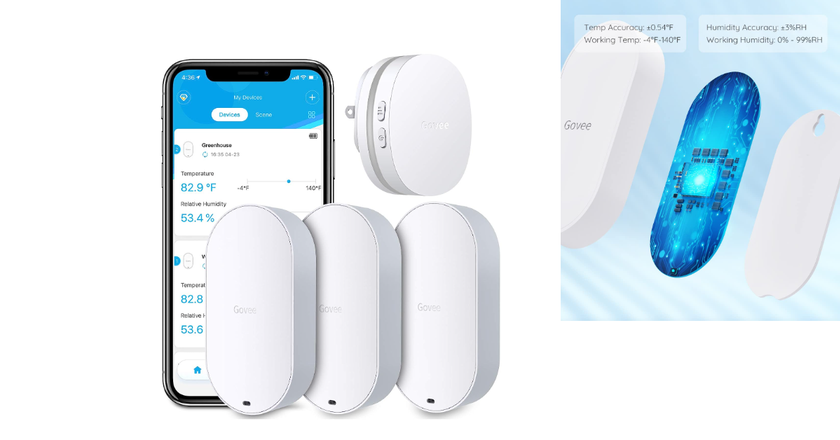
Not all temperature monitoring solutions offer the same reliability or features. Selecting the right system for your specific needs ensures you get reliable protection without unnecessary complexity or expense.
WiFi Temperature Sensors for Home Use
WiFi-enabled sensors connect directly to your home network and deliver real-time temperature data to your smartphone through dedicated apps. These systems typically offer the most comprehensive features including detailed historical graphs, customizable alerts, and multi-user notification capabilities. Look for models that operate on 2.4GHz networks (not 5GHz) since most IoT devices don’t support the newer frequency. While WiFi sensors require regular battery changes every 3-6 months, their ability to send alerts from anywhere with internet access makes them ideal for most home freezer monitoring needs. Quality home units from brands like Govee and ThermoPro typically cost between $30-$100, providing robust protection at an accessible price point.
Bluetooth Solutions with Smart Home Integration
Bluetooth temperature monitors work within limited range but gain remote capabilities when paired with smart home hubs. These systems offer longer battery life than WiFi sensors but require a hub device to bridge the connection to your home network. When properly configured, Bluetooth sensors integrated with platforms like SmartThings or Home Assistant provide reliable remote monitoring with minimal setup complexity. The hub acts as your home base station, receiving Bluetooth signals from the sensor and forwarding alerts to your phone when you’re away. This hybrid approach delivers excellent value for homeowners who want reliable remote monitoring without investing in a dedicated commercial system.
Commercial-Grade Monitoring for Critical Applications
Businesses storing temperature-sensitive inventory require monitoring systems with enterprise-level reliability and compliance documentation. These professional systems feature certified sensors with traceable calibration, redundant communication pathways (often including cellular backup), and detailed audit trails required for FDA or pharmaceutical compliance. While residential users rarely need this level of sophistication, restaurants, medical facilities, and laboratories should prioritize systems from manufacturers like Dickson or Thermo Fisher that meet industry-specific regulatory standards. Commercial systems typically involve subscription fees but provide the highest level of reliability and documentation for critical storage applications.
Essential Setup Steps for Reliable Monitoring
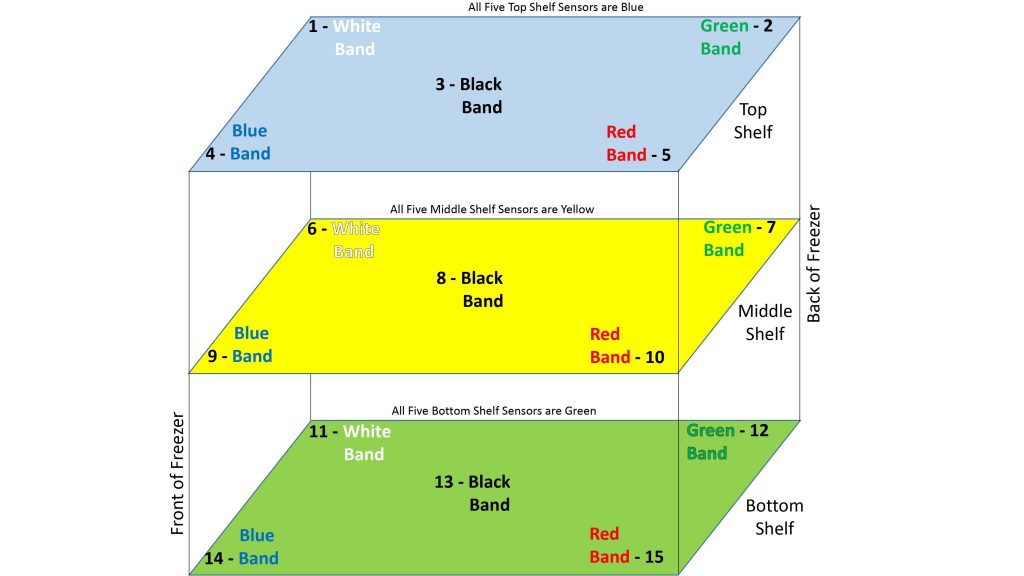
Proper installation determines whether your monitoring system delivers accurate data or constant false alarms. Follow these critical setup procedures to ensure your remote temperature monitoring works when you need it most.
Optimal Sensor Placement Inside Your Freezer
Where you position your temperature sensor dramatically impacts its accuracy and usefulness. Never place sensors against freezer walls, near door seals, or in direct contact with frozen items—these locations experience temperature extremes that don’t represent overall compartment conditions. Instead, position your sensor in the center of your main shelf, midway between top and bottom, where it measures the average air temperature rather than localized cold spots. For upright freezers, consider placing sensors on multiple shelves since temperature gradients often develop vertically. Secure the sensor with tape or mounting hardware to prevent shifting during normal use, and ensure any probe wires don’t interfere with door closure.
Configuring Alerts That Actually Protect Your Food
Most monitoring systems default to generic temperature thresholds that may generate excessive false alarms. Customize your alert settings based on food safety requirements and your freezer’s normal operating patterns. While the FDA recommends maintaining freezers at 0°F (-18°C) or below, set your high-temperature alert threshold at -2°F to +2°F to catch developing problems before food safety risks emerge. Enable rate-of-change alerts that notify you when temperatures rise rapidly (more than 5°F in 15 minutes), indicating serious issues like power loss or door left-open scenarios. Test your alert system immediately after setup by triggering a manual test alert through the app to verify notifications reach all designated recipients.
Interpreting Temperature Data and Responding to Alerts
Receiving an alert is just the first step—proper interpretation determines whether you take appropriate action before food spoils.
Distinguishing Normal Fluctuations From Real Problems
All freezers experience minor temperature variations during normal operation. Adding room-temperature groceries, automatic defrost cycles, or frequent door openings can temporarily raise internal temperatures by several degrees. Your monitoring system should distinguish these normal patterns from dangerous trends through historical data analysis. Review several weeks of temperature logs to establish your freezer’s baseline behavior—note when regular temperature spikes occur during defrost cycles or family meal preparations. A sudden temperature rise that deviates significantly from your established pattern warrants immediate investigation, while minor fluctuations within your normal range may not require action.
Critical Response Steps When Temperature Rises
When you receive a high-temperature alert, follow this verification process before taking action:
1. Check current readings through your monitoring app to confirm the problem persists
2. Verify sensor placement hasn’t shifted or become blocked by stored items
3. Physically inspect your freezer door to ensure it’s fully closed and latched
4. Assess power status to confirm your freezer is receiving electricity
If temperatures remain elevated, immediately transfer high-value or temperature-sensitive items to a backup freezer or coolers with ice packs. For extended power outages, contact your utility company while monitoring the situation closely—most freezers maintain safe temperatures for 24-48 hours when kept closed during outages. Document all temperature excursions and your response actions, especially for commercial or medical applications where regulatory compliance requires incident records.
Maximizing Long-Term Monitoring Reliability

Your monitoring system only protects you when it operates consistently. Implement these maintenance practices to ensure continuous protection.
Preventing Connectivity Failures
WiFi network changes often silently disconnect temperature sensors without triggering alerts. Schedule monthly verification checks where you:
– Confirm sensor battery levels remain adequate
– Verify current temperature readings appear in your app
– Test alert functionality with a manual trigger
– Check for required app or firmware updates
Consider installing a WiFi extender near your freezer if signal strength proves unreliable, or select sensors with mesh networking capabilities that relay signals through other smart home devices. For mission-critical applications, cellular backup systems provide the ultimate reliability by maintaining connectivity even during complete internet outages.
Integrating with Comprehensive Home Protection
Combine freezer temperature monitoring with other home safety systems for complete protection. Smart home platforms can trigger automated responses when temperature issues arise—turning on interior lights to draw attention to the problem, activating backup cooling systems, or notifying multiple household members simultaneously. Power monitoring devices that track electricity flow to your freezer circuit provide valuable redundancy, alerting you to power failures before temperatures actually rise. This layered approach creates a robust safety net that protects your frozen inventory through multiple failure scenarios.
Remote freezer temperature monitoring transforms an invisible risk into a manageable condition you can address before food spoils. By selecting the right monitoring technology, installing sensors correctly, configuring meaningful alerts, and maintaining your system regularly, you gain protection against the costly and dangerous consequences of undetected freezer failures. Whether you’re safeguarding a single home freezer or managing commercial inventory, implementing these remote monitoring practices delivers peace of mind that’s worth far more than the modest investment required. Start protecting your frozen food today—you’ll never regret having early warning when disaster strikes.