How to Freeze Zucchini for Long-Term Storage
Summer zucchini production often overwhelms even the most dedicated gardeners. One day you’re admiring small squash on the vine, and within a week you have dozens of baseball bat-sized vegetables demanding attention. Learning how to preserve zucchini in freezer containers captures that peak-summer flavor for enjoyment months later, when garden-fresh produce is just a distant memory. Freezing is the fastest, most reliable preservation method available, and with proper technique, your frozen zucchini will work beautifully in soups, breads, casseroles, and countless other dishes throughout the year.
The secret to successful freezer preservation lies in understanding zucchini’s unique challenges. This vegetable contains exceptionally high water content, which creates problems when freezing temperatures turn those water molecules into ice crystals. These expanding crystals rupture cellular structures, leaving you with a mushy, waterlogged mess if you skip essential preparation steps. However, following the right sequence of washing, cutting, blanching, drying, and packaging transforms the freezing process from frustrating failure into foolproof success.
Pick Perfect Zucchini for Freezing
Quality frozen zucchini starts with quality fresh squash. Select zucchini that is young and tender, ideally between six and eight inches in length. At this stage, seeds remain small and undeveloped, ensuring the best texture after freezing. Larger zucchini with prominent seeds become mealy and unpleasant both fresh and after thawing, so resist the temptation to let squash grow enormous before harvesting.
Examine each squash carefully before purchasing or picking. Firm, shiny skin without soft spots, blemishes, or wrinkled areas indicates fresh, healthy produce. Pass over any zucchini with damaged surfaces or signs of insect damage, as these areas will worsen during storage. When your garden produces more than you can use immediately, harvest even small squash rather than letting them grow past their prime. Small zucchini actually freezes better than oversized specimens, so don’t wait for giants.
If you only have large, mature zucchini available, you can still freeze them successfully by removing the seed core first. Cut the zucchini in half lengthwise, scoop out the seeded center, and proceed with your chosen preparation method. The flesh of mature zucchini freezes well; it’s the seedy center that causes textural problems.
Wash and Prep Your Zucchini
Before any cutting begins, wash zucchini thoroughly under cold running water. Garden dirt, sand, and residue can harbor bacteria that affect food safety, and even visually clean squash may carry hidden soil particles. Gently rub the surface while washing, then pat completely dry with clean kitchen towels or paper towels. Remove any price stickers or labels, as these can leave sticky residue on your squash.
The decision to peel depends entirely on your intended use. Leaving the skin on when shredding adds nutritional value and fiber, contributing beneficial vitamins and minerals to your preserved produce. However, some recipes benefit from peeled zucchini, particularly when you want a smoother texture in purees or certain baked goods. For most freezing applications, keeping the skin intact is perfectly acceptable and actually preferable.
After washing and deciding on peeling, you’re ready to move to cutting. Each cutting style serves different culinary purposes, so choosing the right approach now saves time and improves results later.
Cut Zucchini for Your Recipes
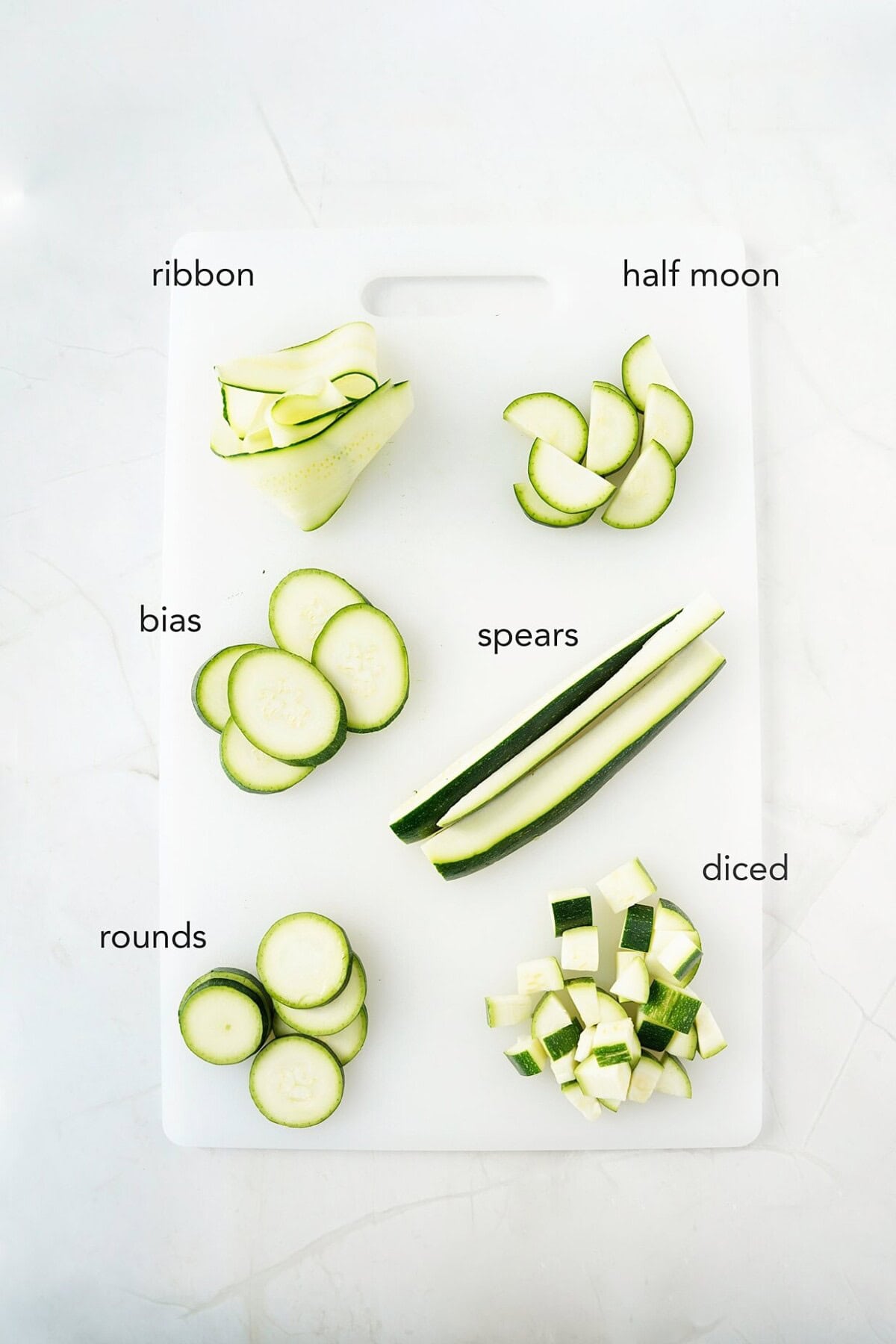
How you cut zucchini before freezing determines its usefulness in future recipes. Matching your cut style to your intended dishes ensures better results and less wasted effort.
For shredded zucchini, use a box grater with the largest holes or a food processor fitted with a shredding blade. This form works exceptionally well in quick breads, muffins, cakes, and pancakes. The shreds freeze quickly and thaw evenly, releasing moisture during baking that keeps baked goods tender and moist. Cut larger zucchini into chunks that fit safely through your food processor feed tube before shredding.
Slice zucchini into quarter-inch coins for versatile freezing. This thickness holds up well in soups, stews, and casseroles while cooking to a pleasant tender texture. Thicker slices become mushy, while very thin slices may disintegrate during cooking. Cut off the ends first, then slice crosswise to create uniform coins.
Cube zucchini into half-inch to one-inch pieces for dishes requiring bite-sized vegetable portions. Cubes work excellently in pasta sauces, stir-fries, and chunky soups where uniform pieces create visual appeal and even cooking. Use a sharp knife to cut consistently sized cubes, as irregular pieces cook unevenly.
Create spiralized zucchini noodles, often called “zoodles,” for low-carb pasta substitutes. A spiralizer tool creates long, strand-like noodles that work beautifully topped with sauces or added to hot dishes. This style requires additional preparation steps but yields uniquely versatile frozen product.
Why Blanching Matters
Blanching serves critical purposes that extend far beyond simple preparation. This brief heat exposure destroys enzymes responsible for quality deterioration during freezer storage. Without blanching, enzymatic activity continues even at subzero temperatures, gradually breaking down cellular structure and causing off-flavors, color changes, and textural breakdown over time.
Beyond enzyme destruction, blanching eliminates surface bacteria and microorganisms present on the vegetable. While freezing temperatures don’t kill most bacteria effectively, the brief heat exposure during blanching significantly reduces microbial load, contributing to food safety. This step is particularly important given that zucchini often comes from garden soil where bacteria naturally occur.
Blanching also helps zucchini retain its vibrant green color, fresh flavor, and nutritional value during extended storage. Vegetables that skip blanching experience faster quality decline and may become unusable far sooner than properly treated produce. The National Center for Home Food Preservation provides tested guidelines distinguishing between steam blanching for grated zucchini and water blanching for sliced varieties, reflecting how different cut styles respond to different heat treatments.
Steam Blanch Shredded Zucchini
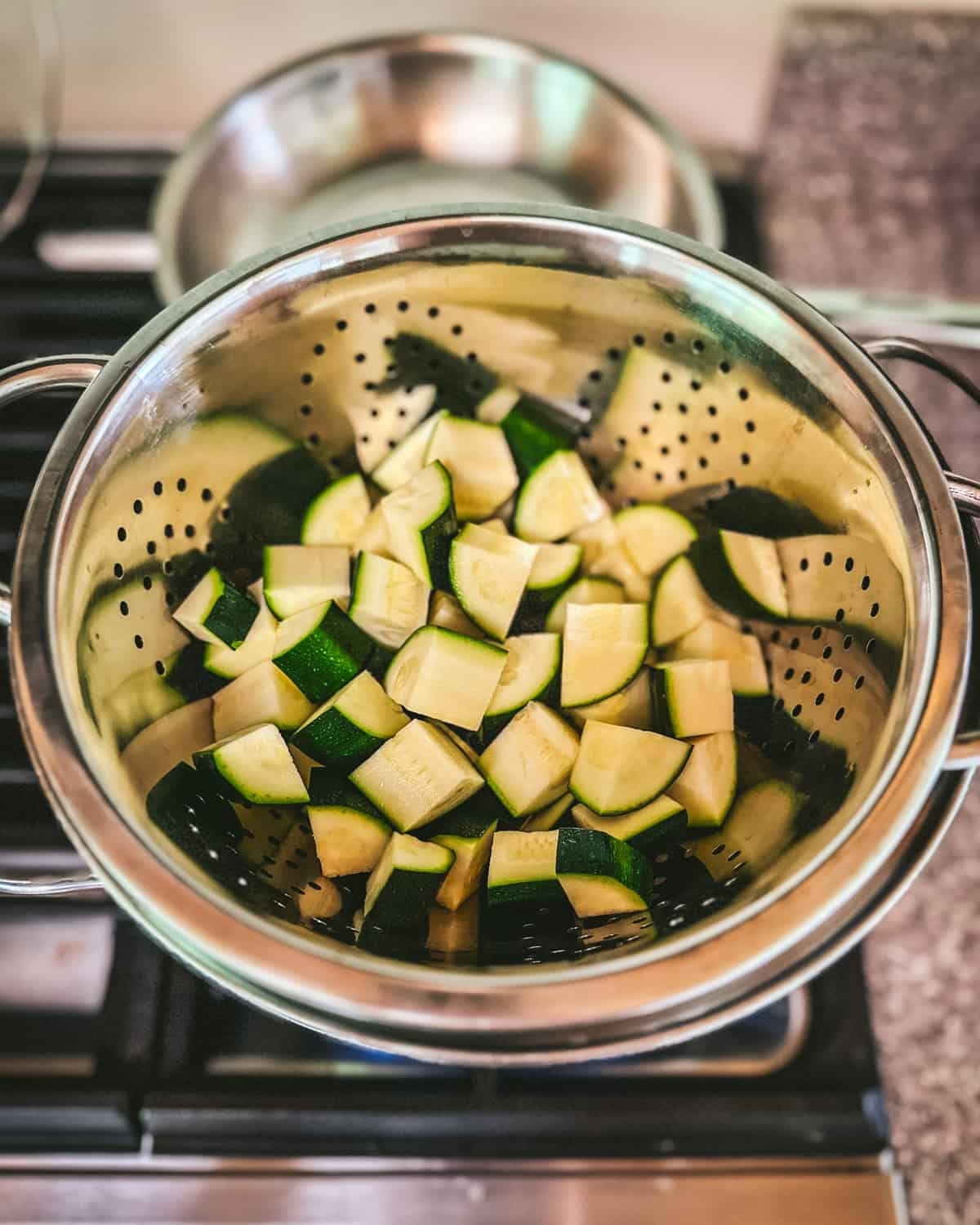
For shredded zucchini, steam blanching produces better results than water blanching. The gentler heat of steam helps maintain texture while effectively destroying enzymes. To steam blanch, set up a steamer basket over boiling water, spreading shredded zucchini in a single layer in the basket. Steam for exactly two minutes, then immediately transfer to an ice water bath.
The ice water bath must be very cold—add plenty of ice cubes to ensure proper cooling. Allow the shredded zucchini to cool completely, which typically takes at least three minutes. Stir gently during cooling to prevent hot spots and ensure even temperature reduction. Drain the zucchini thoroughly after cooling, as excess moisture creates problematic ice crystals during freezing.
Some cooks skip blanching for shredded zucchini entirely, as the smaller pieces freeze quickly and the softer texture after thawing works well in baked goods where moisture is actually desirable. However, blanching extends freezer life and helps maintain better color and flavor for those planning long-term storage.
Water Blanch Slices and Cubes
Water blanching works best for sliced and cubed zucchini because the larger surface area allows more even heat penetration. Bring a large pot of salted water to a full rolling boil, then submerge the zucchini using a blanching basket or wire basket. Begin timing immediately upon submersion—slices require three minutes, and cubes need the same duration despite their smaller size.
After the blanching time elapses, immediately transfer the zucchini to an ice water bath. The rapid temperature change stops the cooking process and preserves color, texture, and nutrients. Keep the zucchini in the ice water for at least three minutes, stirring occasionally, until completely cooled. If the warming water becomes too warm, drain it and add fresh ice water.
The cooling step is just as important as the blanching itself. Inadequate cooling allows residual heat to continue cooking the vegetables, leading to overblanched, mushy results. Take this step seriously and ensure the zucchini is thoroughly cooled before proceeding to drying.
Dry Zucchini Thoroughly
Thorough drying might be the most overlooked step in freezing zucchini, yet it critically impacts final quality. Excess moisture becomes ice during freezing, and these ice crystals rupture cell walls, resulting in mushy texture upon thawing. The drier your zucchini goes into the freezer, the better it will perform when you thaw and use it later.
After cooling, drain sliced and cubed zucchini well, then pat with clean kitchen towels or paper towels. For shredded zucchini, squeeze the shreds firmly with your hands to press out moisture, then wrap in a towel and squeeze again. A salad spinner works well for smaller pieces, removing surface moisture quickly and efficiently.
For spiralized zucchini, the drying process requires extra attention. After salting and squeezing out initial moisture, lay the noodles on dry towels and allow them to sit for approximately one hour. This extended draining time ensures the long strands release enough moisture to freeze well. The goal is dry, slightly firm noodles that won’t create ice block problems in the freezer.
Freeze Shredded Zucchini

Shredded zucchini offers incredible versatility in the kitchen, working in everything from quick breads to soups to egg dishes. Freezing shredded zucchini is straightforward, though a few techniques make the process more convenient.
The most popular approach involves freezing measured portions using souper cube molds or silicone muffin pans. These tools create uniform half-cup “pucks” of frozen zucchini that stack neatly in freezer bags. Having pre-measured portions eliminates guesswork when recipe instructions call for specific amounts—you simply grab a puck and thaw.
Without specialized molds, pack shredded zucchini into freezer-safe bags, removing as much air as possible before sealing. Many cooks use a two-bag system: an inner inexpensive plastic bag holding the zucchini, inside a gallon freezer bag providing extra protection against freezer burn. Press air out of both bags before sealing the outer bag.
Remember that shredded zucchini freezes into solid masses. Freezing in smaller portions—half-cup to one-cup sizes—rather than large quantities ensures you thaw exactly what you need without waste. The frozen shreds release considerable moisture during thawing, so plan to drain them before using in most applications.
Store Frozen Zucchini Properly
Proper storage determines how long your frozen zucchini maintains quality. At zero degrees Fahrenheit or below, properly prepared and packaged frozen zucchini maintains best quality for up to twelve months. Shredded zucchini that hasn’t been blanched has a shorter shelf life—aim to use it within six months for optimal flavor and texture, though it remains safe to eat longer.
Always label packages with contents and freeze date before placing in the freezer. Include the form of zucchini and any preparation notes that might be helpful. A permanent marker writing directly on freezer bags provides clear, permanent identification. This simple step helps you track what you have stored and ensures you use oldest packages first.
Maintain your freezer at a steady temperature by avoiding frequent opening and checking that the door seals properly. Temperature fluctuations cause moisture to migrate to food surfaces, accelerating freezer burn. Periodically verify your freezer’s temperature with a thermometer to ensure it stays at zero degrees or below.
Thaw and Use Frozen Zucchini
Thawing method depends on how you plan to use frozen zucchini. For recipes requiring solid texture, such as zucchini bread or muffins, thaw overnight in the refrigerator. This slow thawing process yields better texture than faster methods.
When you need zucchini more quickly, use the microwave on a defrost setting, checking and stirring frequently for even thawing. Alternatively, run the sealed bag under cold running water, changing water periodically until thawed. Both methods work well when you’re short on time.
For soups, stews, and pasta sauces, you often don’t need to thaw at all. Add frozen zucchini directly to your cooking liquid—it thaws quickly as the dish cooks and releases moisture that blends into the recipe. This approach actually reduces prep time while adding vegetable content and moisture to your dish.
Regardless of thawing method, you’ll likely need to drain excess liquid from shredded zucchini. The freezing and thawing process causes significant water release. Press thawed shreds in a fine-mesh strainer or squeeze gently in cheesecloth to remove excess moisture before adding to recipes. Don’t aim for complete dryness—fresh zucchini contains moisture too, so match that level for consistent recipe results.
Avoid Common Freezing Mistakes
Freezer burn devastates frozen zucchini quality, but preventing it is straightforward. Ensure zucchini is as dry as possible before freezing—pat thoroughly, squeeze out moisture, and allow extended draining time for spiralized noodles. Package tightly, removing all air, and consider double-bagging for added protection.
Portioning frozen zucchini thoughtfully makes future use much easier. Freeze in amounts matching your recipe requirements rather than large quantities. Many zucchini bread recipes call for two cups of shredded zucchini, making this a convenient portion size. One-half cup portions work well for soups and stews.
Managing expectations prevents disappointment. Frozen zucchini will never replicate the crisp texture of fresh zucchini in raw preparations. The high water content that makes zucchini tender also makes it susceptible to textural changes during freezing. Use frozen zucchini in cooked applications where softened texture goes unnoticed—in baked goods, soups, stews, and casseroles. Reserve fresh zucchini for salads, gratins, and preparations where crunch matters.
Quality declines over time, so use frozen zucchini within recommended timeframes. While properly frozen zucchini remains safe to eat indefinitely, flavor, color, and texture suffer after extended storage. For best eating experience, target the shorter end of recommended storage windows rather than pushing toward maximum limits.
Enjoy Zucchini All Year
Freezing zucchini transforms summer abundance into year-round kitchen resources. With proper preparation—washing thoroughly, cutting appropriately, blanching when needed, drying completely, and packaging carefully—you create frozen zucchini maintaining excellent quality for six to twelve months. The key to success lies in matching your freezing method to intended use: shredded for baked goods, sliced and cubed for soups and stews, spiralized for pasta substitutes, and puree for sauces and smoothies.
Frozen zucchini performs best in cooked applications, adding vegetable content, moisture, and nutrition to an extraordinary range of dishes. While it may never match fresh zucchini’s crisp texture in raw preparations, it brings summer garden flavor to winter meals when fresh produce is unavailable. With this complete guide, you can confidently preserve your zucchini harvest and enjoy the fruits of your garden regardless of the season.