How to Freeze Tomato Juice in Freezer Bags
Imagine harvesting bushels of ripe tomatoes from your garden or scoring an incredible deal at the farmers’ market, only to watch them spoil before you can use them all. Freezing tomato juice in freezer bags solves this problem perfectly—preserving peak-season flavor without the safety risks of improper canning. Unlike time-consuming canning processes that require precise acidity control, freezing halts microbial growth entirely through low temperatures, eliminating botulism concerns while locking in nutrients. A single bushel of tomatoes (about 50 pounds) costs just $20-$30 in peak season and yields 5-6 quarts of juice—saving you $15-$25 compared to store-bought organic options at $4-$6 per quart.
This method works because freezer temperatures stop all bacterial activity in its tracks. Once properly frozen, your tomato juice remains safe indefinitely while maintaining peak quality for up to 12 months. Whether you’re a beginner preserver or a seasoned gardener, mastering this technique gives you a versatile pantry staple ready for Bloody Marys, pasta sauces, soups, and stews all year long. The entire process requires just 2-3 hours of your time, with most being passive cooling and freezing—making it one of the most efficient preservation methods available.
Choose the Right Freezer Bags for Maximum Results
The container you select directly impacts both storage efficiency and juice quality over time. Heavy-duty freezer bags outperform regular sandwich bags in thickness and durability, resisting punctures while preventing air transmission that causes freezer burn. When shopping, look for food-grade, BPA-free options specifically labeled for freezer use down to 0°F. The difference in quality matters significantly—thin bags may tear during filling or develop microscopic holes that compromise your carefully preserved juice.
Pro Tip: Test bag quality by gently stretching an empty one. If it becomes translucent or develops weak spots, skip it. A $1-$3 investment in quality bags pays off in reduced waste and better-tasting results for multiple batches.
Essential Juicing Tools You Already Own
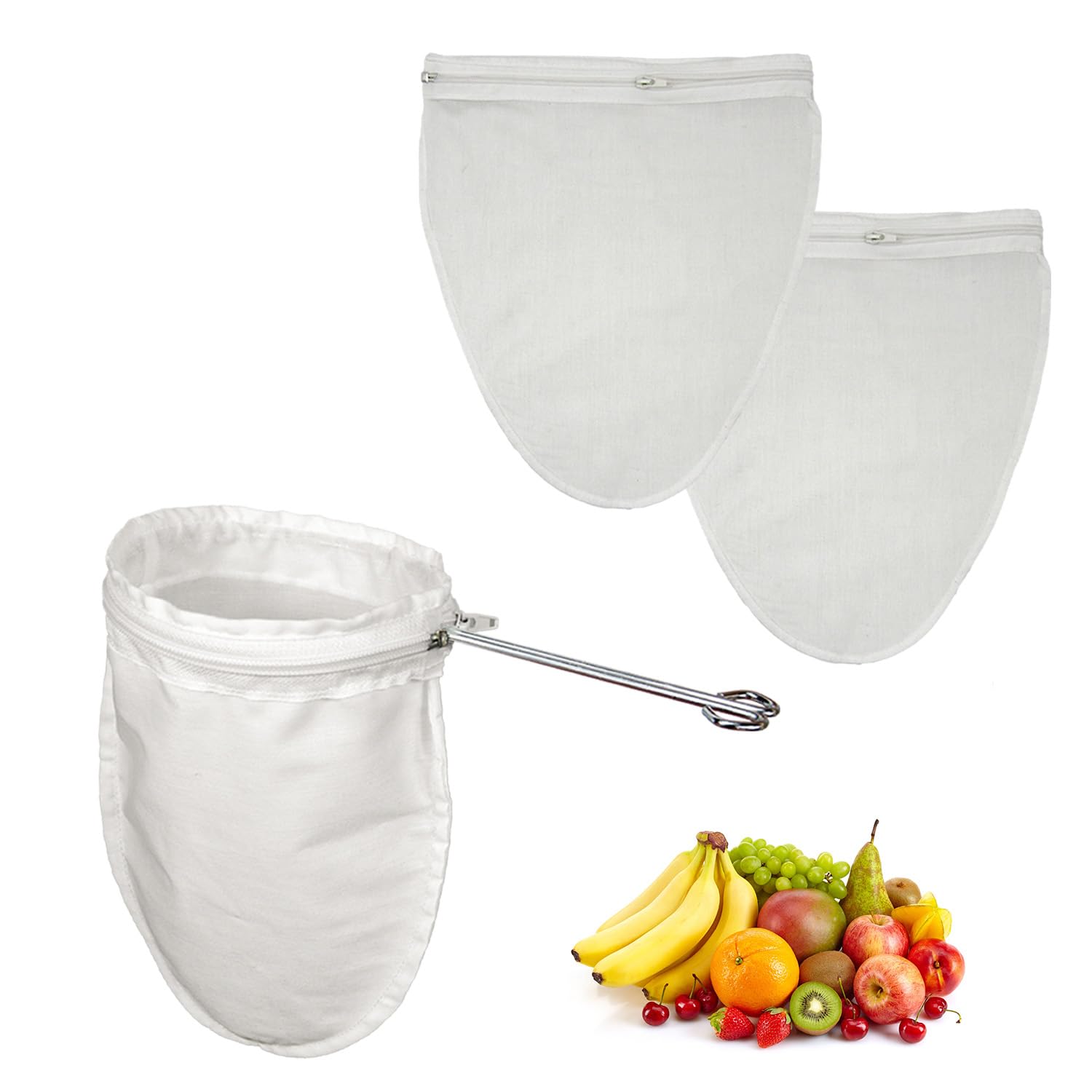
You likely have everything needed for tomato juicing already in your kitchen. A hand-crank food mill like the Victorio 250 excels at separating juice from pulp with minimal mess—the 2-inch throat opening means larger tomatoes need quartering first. For maximum extraction, Champion juicers work well when you need completely smooth juice. Beyond the juicer itself, gather these basics:
- Large saucepan for simmering
- Fine mesh sieve or strainer
- Cheesecloth (for seedless juice)
- Funnel for mess-free bag filling
- Cooling setup (bowls or ice baths)
Most home kitchens already contain these items, making the equipment barrier minimal for beginners. Skip specialized gadgets unless you’re processing massive quantities regularly.
Select and Prepare Tomatoes for Optimal Flavor

Start with ripe, blemish-free tomatoes that yield slightly to gentle pressure without feeling mushy. Your frozen juice’s flavor depends entirely on the starting fruit—there’s no improving mediocre tomatoes through processing. Garden-ripened specimens deliver the best results, though farmers’ market finds work wonderfully. Let tomatoes ripen fully on the vine for maximum sugar development and concentrated flavor.
Critical Warning: Avoid green-spotted, bruised, or rotting tomatoes—these imperfections affect both taste and safety. Expect 8-10 pounds of tomatoes to yield one quart of juice, so scale your harvest accordingly.
Two Simple Juicing Methods Compared
Simmered Juice Method: Cut tomatoes into wedges and simmer in a saucepan for 10-15 minutes until completely broken down. This concentrates flavors while softening cell walls for maximum extraction. Press through a sieve or food mill, discarding skins and seeds (or compost them). For seedless juice, line your strainer with cheesecloth.
Raw Juice Alternative: Skip cooking entirely for a fresher, more vibrant flavor. Simply wash tomatoes, remove stems, and process through a food mill. Many experienced preservers have frozen raw tomato products for over twenty years with excellent results, especially when the juice will be used in cooked applications.
Cool Juice Completely Before Freezing
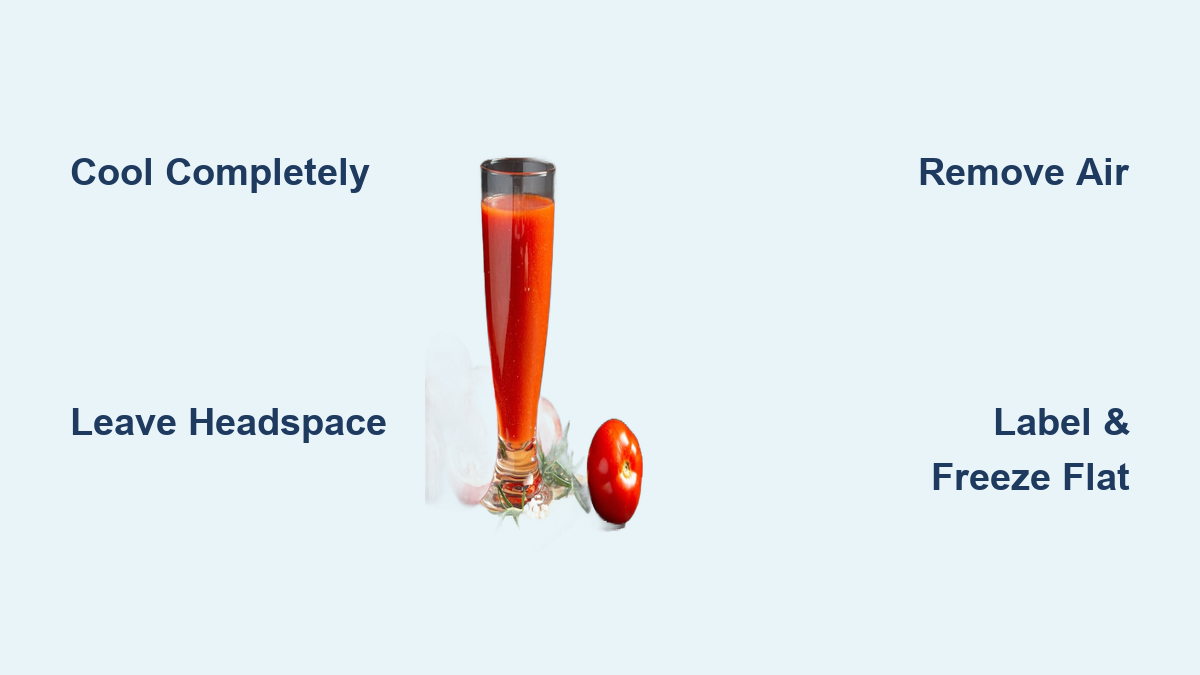
Never pour hot or warm tomato juice directly into freezer bags—this common mistake causes multiple problems. Hot liquid makes bags dangerously flexible and soft when filling, while simultaneously raising your freezer’s internal temperature enough to partially thaw surrounding items. Let freshly made juice cool at room temperature for 1-2 hours, then refrigerate until completely cold before transferring to freezer containers.
Visual Cue: Your juice is ready when the container feels cool to the touch with no residual warmth—typically when condensation forms on the outside of glass containers. This patience pays off in better texture and flavor retention.
Fill Bags with Proper Headspace
Tomato juice expands approximately 10% when frozen, making headspace essential for preventing burst bags. Leave at minimum 1/2 inch of space for pint-sized portions and 1 inch for quart-sized bags. This expansion room seems excessive until you see a completely filled bag after overnight freezing—the difference between a properly sealed package and a freezer-mess disaster comes down to this measurement.
Pro Tip: Use a liquid measuring cup when filling to ensure consistent headspace. Overfilling causes messy ruptures, while excessive headspace creates too much air exposure.
Master Air Removal Techniques
Air exposure causes oxidation and freezer burn, degrading flavor and nutritional quality over time. Removing air effectively extends your juice’s storage life significantly.
Water Displacement Method (Most Effective)
Fill your freezer bag with cooled juice, seal it 90% of the way, then slowly lower it into a bowl of water. As the bag descends, water pressure pushes air out through the remaining opening. Bring the water level to just below the seal, then close the bag fully while submerged. This method removes air more effectively than manual squeezing alone.
Troubleshooting Tip: If a bag leaks during water displacement, immediately remove it, dry the opening thoroughly, and reseal. A small leak won’t ruin your batch if addressed quickly.
Manual Air Removal (No Special Equipment)
For those without vacuum sealers, squeeze the bag gently from bottom upward, working air toward the opening before sealing. Press out any remaining air pockets manually after sealing. While not quite as thorough as water displacement, this approach works well enough for typical home preservation.
Label Everything for Smart Inventory Management
Clear labeling supports proper rotation and quality tracking. Include the date of freezing, approximate volume, and any relevant notes like “seeded” or “with basil.” A label reading “Tomato Juice – 32 oz – January 15, 2025” provides all necessary information. This system enables FIFO (First In, First Out) rotation, ensuring older batches get used before newer ones.
Pro Tip: Use a waterproof marker specifically designed for freezer use—regular markers smudge when exposed to moisture. Tape labels over writing for extra protection.
Freeze Flat for Space-Saving Organization
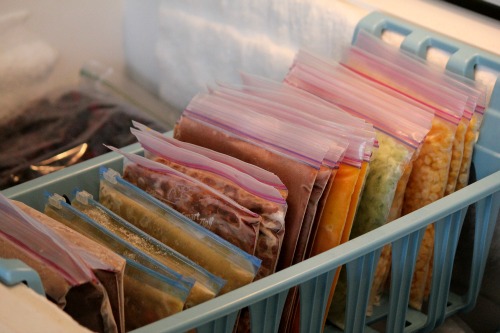
After sealing your bags, lay them flat on a tray or baking sheet and freeze in a single layer. This positioning allows quick freezing (4-6 hours) and creates uniform, space-efficient packages. Quick freezing creates smaller ice crystals that better preserve texture compared to slow freezing.
Once frozen solid, stack bags vertically like books on a shelf or in neat rows. A standard quart-sized bag occupies only 1-2 inches of shelf space when stacked—making this method significantly more efficient than rigid containers. Organize with labels facing outward, placing newer batches in the back.
Storage Duration and Quality Maintenance
Properly frozen tomato juice remains safe indefinitely at or below 0°F, but quality peaks within 12 months. Most home preservers find juice frozen 8-12 months retains excellent flavor and nutritional value. Juice approaching 18-24 months shows noticeable decline in taste and color, though still safe to consume.
Critical Check: Maintain consistent freezer temperature below 0°F using a dedicated freezer thermometer. Frequent door opening causes temperature swings that impact long-term quality. Avoid overpacking your freezer, which restricts air circulation.
Thaw Juice Safely for Best Results
Thaw frozen tomato juice overnight in the refrigerator for optimal results—this gradual process minimizes separation. A quart-sized bag typically requires 12-24 hours for complete thawing. For quicker use when cooking immediately, place the sealed bag in a bowl of cold water.
Upon thawing, tomato juice may show separation or slight texture changes—this is normal. Stir thoroughly before use to reincorporate settled solids. Frozen juice works best in cooked applications like spaghetti sauces, chili, and soups. Many users report excellent results in Bloody Marys—add a pinch of salt to enhance flavor when drinking thawed juice straight.
Avoid These 4 Costly Freezing Mistakes
Pouring Hot Juice into Bags
This causes immediate problems: bags become too flexible to handle easily, and the sudden temperature load affects surrounding freezer items. Always cool juice completely before freezing.
Inadequate Headspace
Filling bags to the brim without expansion room guarantees burst packages. Provide at least 1/2 inch for pint bags and 1 inch for quart bags.
Poor Air Removal
Leaving excess air accelerates oxidation and freezer burn. Take time with water displacement or thorough manual squeezing.
Skipping Labels
Unlabeled containers become mystery bags that often get wasted. Label immediately after sealing.
Freezing tomato juice in freezer bags delivers reliable, high-quality results with minimal equipment. By following these specific steps—using ripe tomatoes, cooling completely, providing proper headspace, removing air effectively, freezing flat, and maintaining consistent temperatures—you’ll enjoy garden-fresh tomato flavor year-round. This 2-3 hour investment yields versatile cooking ingredients at half the cost of store-bought alternatives, capturing peak-season tomato goodness at its finest.