Yes, Steak Can Go Bad in the Freezer
You’ve stocked your freezer with premium steaks during a great sale, but now you’re wondering: does steak go bad in the freezer? The answer isn’t as simple as you might think. While properly frozen steak won’t become unsafe to eat—thanks to temperatures below 0°F halting harmful bacteria growth—it absolutely can go “bad” in terms of quality, developing freezer burn and textural changes that ruin your dining experience. Understanding the difference between food safety and food quality is essential for anyone who freezes meat, as it determines whether your frozen steak will deliver a restaurant-quality meal or a disappointing, dry disaster.
The USDA confirms that frozen foods remain safe indefinitely when kept at 0°F or lower, but “safe” doesn’t mean “optimal.” Most raw steak cuts reach their quality peak within 6 to 12 months of freezing, while ground beef requires shorter storage of just 3 to 4 months. Beyond these timeframes, your steak won’t make you sick, but it may lack the juicy tenderness and rich flavor you expect. This guide reveals exactly how to identify compromised frozen steak, maximize your meat’s shelf life, and ensure every frozen steak you cook delivers a perfect result—so you can confidently stock your freezer without wasting money on subpar protein.
Raw Steak Freezer Lifespan by Cut Type
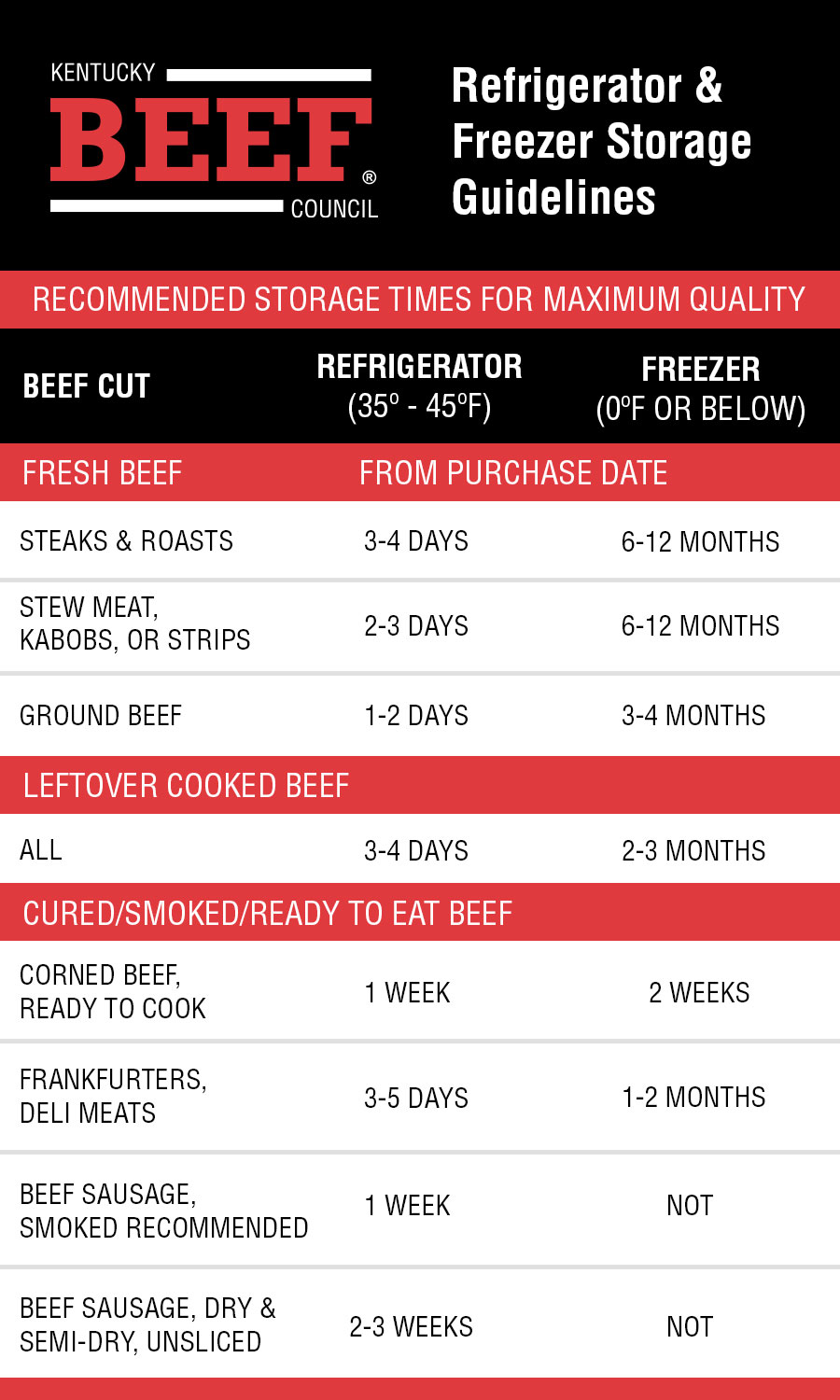
Your frozen steak’s quality longevity depends directly on its cut, fat content, and packaging method. Whole raw steak cuts like ribeye, sirloin, T-bone, and porterhouse maintain optimal quality for 6 to 12 months when stored at a consistent 0°F. Thicker cuts with moderate marbling typically outperform thinner cuts in the freezer, as the additional fat provides some protection against moisture loss and oxidation. However, very fatty cuts like ribeye may develop off-flavors slightly sooner than leaner options like sirloin due to unsaturated fats’ susceptibility to oxidation over time.
Ground steak requires significantly shorter freezer storage because the grinding process dramatically increases surface area exposed to air. This expanded exposure accelerates quality degradation, meaning ground beef maintains peak flavor and texture for only 3 to 4 months. After this point, even though it remains safe to eat, you’ll likely notice substantial freezer burn and flavor loss. For best results with ground steak, aim to use it within 2 months of freezing—especially if you’re particular about texture and juiciness in your burgers or meatloaf.
How Cut Thickness Affects Freezer Performance
Thicker steaks (1.5 inches or more) generally withstand freezing better than thinner cuts because they have less surface area relative to their volume. When freezing thick-cut steaks, you’ll typically see minimal quality difference between 3 and 6 months of storage if properly packaged. Thin-cut steaks (under 1 inch), however, show noticeable textural changes much sooner—sometimes within just 2 to 3 months—as the increased surface-to-volume ratio allows more rapid moisture loss and oxidation.
Why Fat Content Matters for Long-Term Storage
Steaks with higher fat content face unique challenges in the freezer. While fat contributes to flavor and tenderness when fresh, unsaturated fats oxidize more readily during extended storage, creating off-flavors that become detectable around the 6-month mark. This means your prized ribeye might start developing a “cardboard-like” taste after half a year, while a leaner sirloin could maintain better flavor integrity for closer to 12 months. To maximize fatty cut quality, vacuum sealing is especially important to minimize oxygen exposure.
Immediate Visual Clues Your Frozen Steak Has Deteriorated

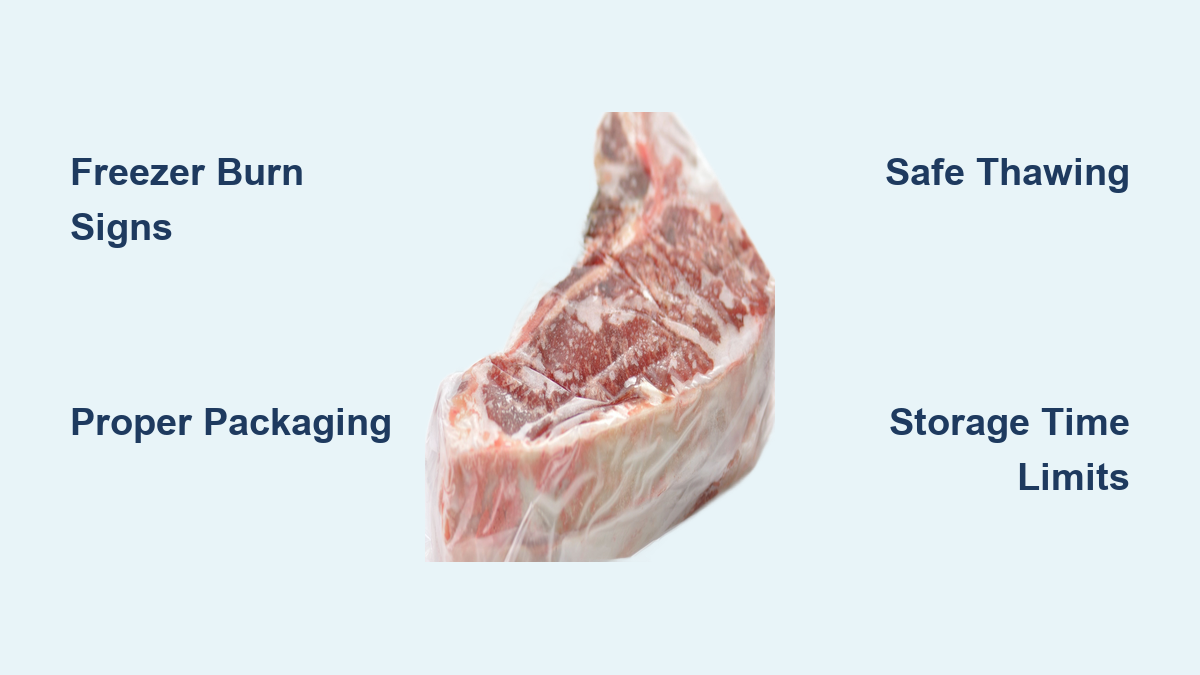
Freezer burn appears as whitish or grayish-brown patches on the steak’s surface where moisture has evaporated and oxidation has occurred. These dry, leathery spots indicate quality loss but aren’t dangerous—simply trim them away before cooking. However, if freezer burn covers more than 25% of the steak’s surface, the entire piece has likely suffered significant quality degradation and should be discarded rather than salvaged.
Large ice crystals inside the packaging signal temperature fluctuations during storage. When your freezer cycles between freezing and partial thawing, moisture migrates to the surface and forms larger ice crystals. While this doesn’t automatically make the steak unsafe, it indicates storage conditions that accelerate quality loss. If you notice multiple layers of ice crystals or crystals that have completely encased the steak, quality has likely been compromised.
What to Check During Thawing
The most reliable quality indicators emerge during thawing. Properly frozen steak should feel firm but pliable when thawed—not rock-hard or mushy. If your steak feels slimy, excessively soft, or has an unusual texture after thawing, quality has degraded substantially. Similarly, while frozen steak may have a slight metallic smell initially upon thawing (which is normal), any strong sour or unpleasant odors indicate bacterial growth and spoilage that makes the meat unsafe to consume.
Proven Packaging Methods That Prevent Freezer Burn
Vacuum sealing provides the gold standard for frozen steak preservation by removing all air from around the meat. This creates an impermeable barrier against moisture loss and oxidation, allowing properly sealed steaks to maintain quality for the full 6-12 month window. Home vacuum sealers have become increasingly affordable, making this professional-grade protection accessible to most home cooks who regularly freeze meat.
Double-Wrap Technique for Non-Vacuum Storage
If you don’t own a vacuum sealer, the double-wrap method delivers impressive results with common household materials:
- Wrap the steak tightly in plastic wrap, pressing out all air pockets against the meat surface
- Seal the wrapped steak in a heavy-duty freezer bag, squeezing out as much air as possible before closing
- For extra protection, wrap the entire package in aluminum foil before placing it in the freezer
This approach creates multiple barriers against air exposure, significantly extending quality life compared to single-layer packaging. Properly double-wrapped steaks typically maintain good quality for 4-6 months.
Safe Thawing Practices That Preserve Steak Quality

Refrigerator thawing delivers the best quality results but requires planning. Place your frozen steak on a plate in the refrigerator 24 hours before cooking—allowing 30 minutes per half-inch of thickness. This slow, controlled thaw minimizes cellular damage and preserves moisture, yielding results closest to fresh steak. Never thaw steak at room temperature, as this creates dangerous bacteria growth zones between 40-140°F.
Emergency Thawing Without Quality Sacrifice
When you need steak thawed quickly, use the cold water method while preserving quality:
- Seal the steak in a leak-proof plastic bag
- Submerge completely in cold water (never warm)
- Change the water every 30 minutes to maintain safe temperatures
- Allow approximately 30 minutes per pound of meat
This method thaws steak safely in 1-2 hours but requires immediate cooking afterward. Never refreeze steak thawed using this method unless you cook it first.
When to Keep vs. Discard Your Frozen Steak
Steak frozen for under 6 months with minimal freezer burn (less than 10-15% surface coverage) remains perfectly usable. Simply trim away affected areas before cooking—the remaining meat will be safe and of acceptable quality. This approach makes economic sense for budget-conscious cooks who don’t want to waste quality protein, though don’t expect the same dining experience as fresh or recently frozen steak.
Discard frozen steak immediately if you notice any of these red flags:
– Strong sour or unpleasant odors after thawing
– Unusual discoloration (green, yellow, or brown tints)
– Slimy or excessively mushy texture when thawed
– Storage exceeding 12 months for raw cuts
These indicators signal either significant quality degradation or actual safety concerns that make consumption inadvisable.
Premium Steak Freezing Protocol for Maximum Value
High-end cuts like prime ribeye, filet mignon, and Wagyu deserve special freezing attention due to their cost and quality expectations. Vacuum seal these premium steaks immediately after purchase and consume within 6 months for optimal results. When thawing, allow 48 hours in the refrigerator for thick cuts to ensure even temperature distribution and maximum texture recovery.
Ground steak requires more urgent attention in your freezer management. Because the grinding process exposes more surface area to air and potential contamination, ground beef should never exceed 4 months of storage. When cooking previously frozen ground steak, always verify an internal temperature of 160°F with a meat thermometer to eliminate any potential bacteria that may have been distributed throughout the meat during processing.
Debunking Common Frozen Steak Myths
The belief that frozen steak is inherently inferior to “fresh” ignores modern flash-freezing technology. Many specialty meat suppliers now offer flash-frozen steaks that maintain exceptional quality for 6-12 months—often outperforming grocery store “fresh” steak that has spent days in transit. Properly frozen steak at home with vacuum sealing can maintain quality nearly equivalent to fresh steak for several months when stored correctly.
Freezing doesn’t kill bacteria—it merely pauses their growth. This critical distinction means properly cooking frozen steak to safe internal temperatures (145°F with 3-minute rest for whole cuts, 160°F for ground) remains essential for safety. If bacteria were present before freezing, they remain dormant but viable, making proper cooking temperatures non-negotiable regardless of your storage method.
Smart Freezer Management for Steak Enthusiasts
Label every package with contents and freezing date using a permanent marker. This simple practice enables effective “first in, first out” inventory management, ensuring older steaks get used before quality declines. Keep a freezer inventory list on your refrigerator to track what you have without repeatedly opening the freezer door—which causes temperature fluctuations that accelerate quality loss.
Check your freezer contents monthly to identify steaks approaching their 6-month mark. When you notice steak nearing this threshold, prioritize it for your next few meals rather than letting it languish until only suitable for stew meat. This proactive approach prevents the common problem of forgotten freezer burn and ensures you get maximum value from every purchase.
By understanding how frozen steak quality degrades over time and implementing proper storage techniques, you can confidently stock your freezer knowing exactly when to use or discard each piece. The convenience and cost savings of strategic freezer storage make it an essential tool for any serious home cook—just remember that while frozen steak won’t make you sick, it absolutely can go bad in terms of quality if not managed properly.