Best Slow Cooker Freezer Dump Meals (2026 Guide)
Your slow cooker sits idle while you scramble for dinner ideas after work. Meanwhile, freezer meals promise relief but often fail with soggy textures or uneven cooking. The solution? Perfectly engineered slow cooker freezer dump meals that go straight from freezer to pot without thawing. These make-ahead wonders eliminate nightly stress by combining pre-portioned ingredients in freezer bags that cook evenly when dumped directly into your slow cooker. You’ll discover how to build foolproof freezer meals that maintain texture, maximize flavor, and deliver restaurant-quality results with zero last-minute prep. This guide reveals the exact container strategies, ingredient rules, and cooking adjustments that transform frozen ingredients into delicious dinners every time.
Why Frozen Ingredients Fail in Slow Cookers (And How to Fix It)
Most freezer dump meals fail because frozen ingredients disrupt cooking chemistry. When solid blocks of meat or vegetables hit the slow cooker, they create cold spots that prevent proper temperature rise during critical food safety windows. This leads to undercooked centers or overcooked edges as the appliance struggles to compensate. The core issue isn’t the freezer concept—it’s improper ingredient layering and moisture management.
How Frozen Meats Sabotage Your Meal Texture
Raw meats release excess water as they thaw mid-cook, diluting your sauce and creating a watery, bland result. This happens because ice crystals puncture cell walls during freezing, causing juices to flood out during the critical first hour. To prevent this, always sear meats before freezing. The Maillard reaction creates a protective crust that locks in moisture when the meat finally thaws in the slow cooker. For ground meats, cook completely first—draining all fat—then freeze in flat portions for quick thawing.
Vegetable Freezing Mistakes That Cause Mushiness
Soft vegetables like zucchini or tomatoes turn to sludge when frozen raw due to their high water content. Instead, flash-freeze sturdy vegetables like carrots or potatoes on a baking sheet before bagging. This prevents clumping and maintains texture integrity. Crucially, never include frozen leafy greens—they’ll disintegrate. Add spinach or kale during the last 30 minutes of cooking for perfect texture.
Essential Freezer Containers That Prevent Leaks and Burns
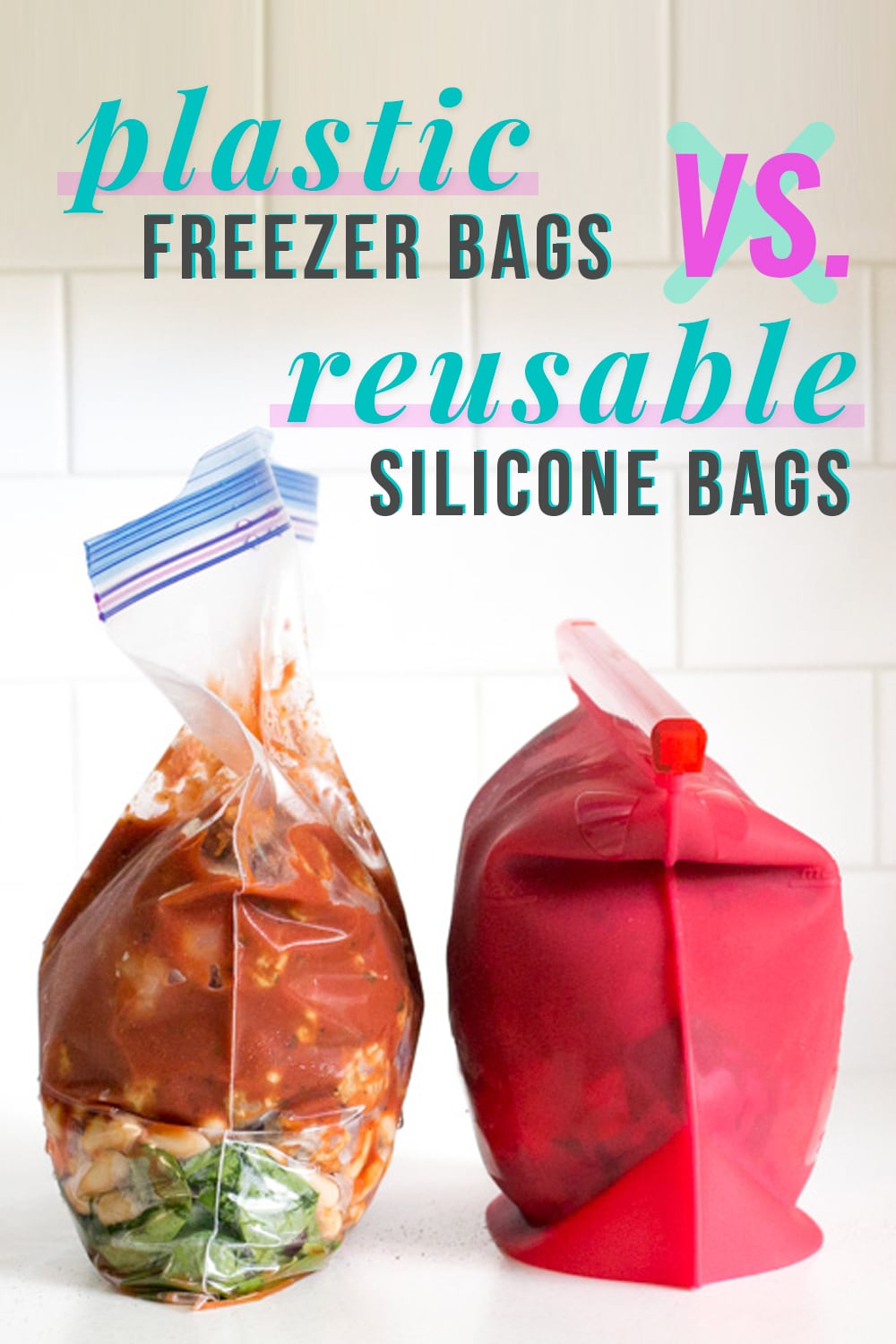
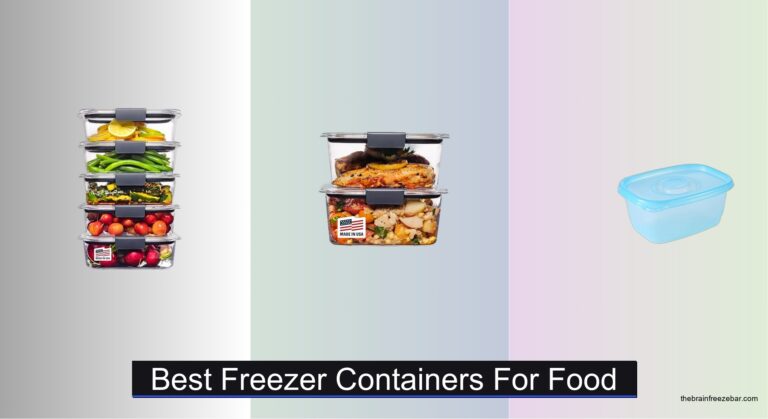
The wrong containers cause freezer burn, leaks, or even slow cooker damage. Standard zip-top bags often split at seams when stacked, while rigid plastic containers take excessive space and risk cracking from temperature shock. Your solution requires dual-layer protection with specific design features.
Why Quart-Sized Freezer Bags Outperform Containers
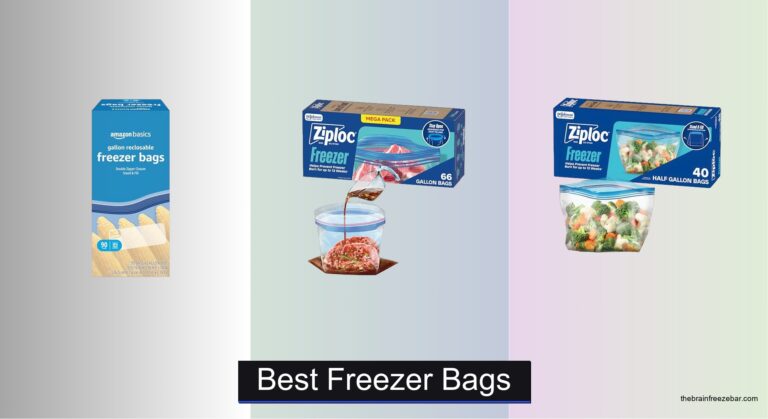
Heavy-duty gallon freezer bags with double-zip seals and reinforced seams prevent leaks during stacking. Lay flat to freeze for space efficiency—this creates “ingredient bricks” that thaw faster than bulky containers. Always leave 1-inch headspace for expansion and expel all air using the water displacement method: submerge the nearly-sealed bag in water to force out air before closing. This critical step prevents freezer burn that ruins flavors.
The Container Danger You’re Ignoring
Never place frozen glass or ceramic containers directly into a cold slow cooker insert. Thermal shock can cause shattering when the vessel meets the heating element. If using rigid containers, thaw contents overnight in the fridge first. For true dump-and-go convenience, stick to flexible freezer bags that let you slide ingredients directly into the pot.
Build-Your-Own Freezer Meal Framework (3 Rules)

Creating custom freezer dump meals follows three non-negotiable rules that guarantee success. Break any of these, and you’ll face texture disasters or food safety risks. These principles work for any cuisine—from Italian to Mexican—with simple ingredient swaps.
Rule 1: The 70% Fill Limit for Safe Cooking
Overpacking causes uneven heating. Fill slow cooker inserts no more than 70% full with frozen ingredients to allow room for expansion and proper convection. Measure portions using this visual guide:
– Proteins: 1 lb max for 6-quart cookers
– Sauces: 1.5 cups max (thick sauces like tomato-based hold up better than broths)
– Vegetables: 2 cups max of pre-cooked or flash-frozen pieces
Exceeding these amounts traps cold zones where bacteria thrive during the critical 4-hour danger zone.
Rule 2: Sauce-to-Solid Ratio Secrets
Frozen sauces must be 25% thicker than fresh versions to compensate for melting ice crystals. For every cup of liquid in your recipe:
– Add 2 tbsp tomato paste for Italian dishes
– Use 1 extra tbsp cornstarch for Asian stir-fry sauces
– Include ¼ cup less broth in soups
This adjustment ensures your sauce doesn’t turn watery as frozen ingredients thaw. Always add delicate herbs like cilantro or basil after cooking—they lose flavor when frozen.
Top 3 Freezer Meal Categories That Never Disappoint
Focus on these scientifically optimized categories where freezing actually enhances flavor. Avoid complex dishes with multiple starches or dairy—they rarely survive freezing intact.
Beef & Root Vegetable Power Bowls
This category leverages collagen breakdown for melt-in-your-mouth results. Combine in freezer bags:
– 1.5 lbs seared chuck roast cubes
– 3 cups flash-frozen carrots/parsnips
– 1 cup frozen pearl onions
– ½ cup thickened beef broth (reduced by simmering)
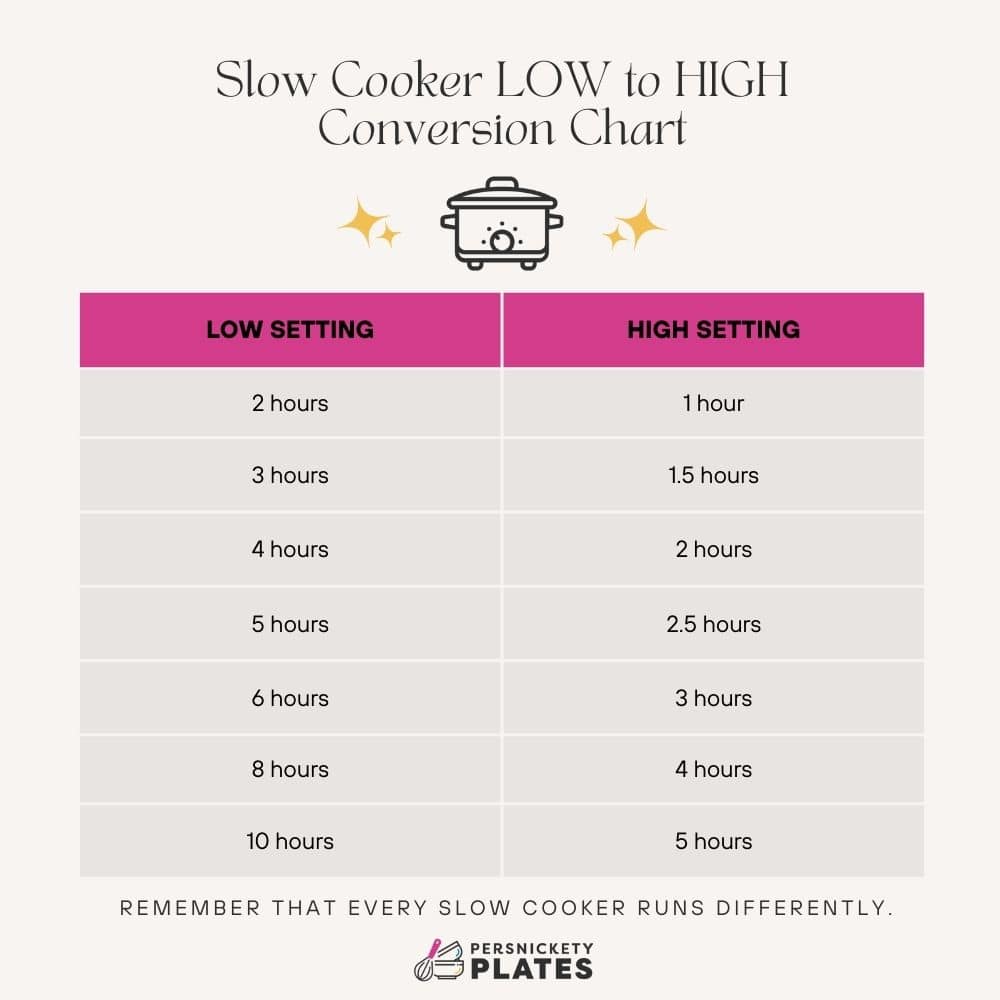
Cook on low 8 hours. The extended time transforms connective tissues while frozen vegetables retain shape. Pro tip: Add frozen sweet potato chunks—they release natural sugars that balance acidity.
Chicken Fajita Fiesta Packs
Prevent dry chicken by using bone-in thighs (frozen raw). Layer in bags:
– 2 lbs bone-in chicken thighs (skin removed)
– 1 large frozen bell pepper strips
– 1 cup frozen onion slices
– 3 tbsp fajita seasoning (oil-based, not salt-heavy)
Cook on high 4 hours. The bone insulates meat during slow thawing, keeping juices intact. Dump contents into a skillet after cooking to crisp edges before serving.
Lentil & Sausage Hearty Stew
Plant-based proteins freeze exceptionally well here. Mix:
– 1.5 cups dried French lentils (no pre-cook)
– 12 oz frozen smoked sausage coins
– 4 cups frozen kale (stems removed)
– 2 cups thick tomato-vegetable base
Cook on low 7 hours. Lentils absorb extra moisture from thawing kale, preventing sogginess. The acid in tomatoes preserves color during freezing.
Food Safety Protocol for Frozen-to-Slow-Cooker
Skipping these steps risks bacterial growth. Your slow cooker must reach 140°F within 2 hours when starting with frozen ingredients—a challenge without proper technique.
The Critical Temperature Check You Must Do
Insert an instant-read thermometer after 2 hours of cooking. If below 140°F, switch to high heat immediately. This is non-negotiable for frozen meats. To accelerate heating:
– Place frozen bag in warm water bath for 10 minutes before dumping
– Preheat slow cooker on high for 15 minutes with 1 cup hot broth
– Chop all ingredients uniformly (1-inch pieces thaw fastest)
Never use the “keep warm” setting to thaw—it keeps food in the danger zone for hours.
Why Overnight Thawing Defeats the Purpose
If you thaw meals in the fridge overnight, you lose the dump-and-go convenience. The solution? Design meals that thaw mid-cook using strategic ingredient pairing. Frozen broth cubes placed under meat create instant steam pockets that jumpstart thawing. Always position meats at the bottom of the bag against the slow cooker’s heat source.
Time-Saving Batch Prep System (90 Minutes Weekly)
Transform Sunday into your secret weapon with this military-grade organization. You’ll prep 5 freezer meals in under 90 minutes with zero cross-contamination.
The Assembly Line Method
- Station 1 (Proteins): Sear all meats simultaneously in one skillet
- Station 2 (Veggies): Blanch then flash-freeze on cookie sheets
- Station 3 (Sauces): Simmer bases while proteins cook
- Station 4 (Bagging): Layer ingredients in labeled bags
Use color-coded stickers: red for beef, green for poultry, blue for vegetarian. Freeze flat for 24 hours before stacking vertically—like files in a cabinet—to maximize freezer space.
Labeling Hacks That Prevent Dinner Disasters
Standard labels peel off in freezers. Instead:
– Write meal name and date with permanent marker directly on bags
– Note critical instructions like “Add cream after cooking” in the corner
– Include a small ice cube in the bag—when it melts, ingredients are thawed enough to dump
Store bags vertically in designated freezer zones: front for next week’s meals, back for emergency reserves.
Troubleshooting Your Biggest Freezer Meal Failures
Fix these common disasters with targeted interventions. Each solution addresses the root cause, not just symptoms.
Problem: Soggy Bottom Syndrome (Meat Sticking to Pot)
Cause: Frozen meat releases water that steams instead of searing.
Fix: Place a frozen broth cube under the meat portion. As it melts, it creates a protective liquid layer that prevents sticking while allowing gentle thawing.
Problem: Sauce Separation After Cooking
Cause: Fat solidifies during freezing then separates when reheated.
Fix: Emulsify sauces before freezing with 1 tsp xanthan gum per cup. This stabilizer maintains texture through freeze-thaw cycles without altering flavor.
Maintenance Rituals for Long-Term Success
Preserve your freezer’s efficiency with these monthly habits. A disorganized freezer adds 20 minutes to meal prep through defrosting delays.
The 15-Minute Freezer Tune-Up
Every Sunday:
1. Wipe interior with vinegar solution to prevent frost buildup
2. Rotate meals—move oldest to front using “first in, first out” system
3. Check temperature with a standalone thermometer (must read ≤0°F)
4. Consolidate partial bags to free up space
This prevents the “freezer fog” that insulates walls and increases energy use by 30%.
When to Toss Meals (Beyond the 3-Month Myth)
Freezer burn doesn’t make food unsafe but ruins texture. Discard meals showing:
– Ice crystals covering >25% of surface
– Greyish meat discoloration (not just surface browning)
– Musty odors after opening
Most freezer dump meals peak at 8 weeks—not 3 months—for optimal texture. Date bags with “best by” 60 days from prep.
Mastering slow cooker freezer dump meals transforms chaotic weeknights into stress-free victories. By following the 70% fill rule, using sauce-thickening hacks, and implementing the assembly line prep system, you’ll consistently achieve restaurant-quality results straight from the freezer. Remember the non-negotiable food safety check at the 2-hour mark and always sear meats before freezing. Start with the Beef & Root Vegetable Power Bowls recipe this weekend—its collagen-rich ingredients showcase how freezing can actually enhance slow cooker magic. Within a month, you’ll have a frozen arsenal ready for any busy day, proving that perfect dump meals aren’t luck—they’re science. Your future self will thank you when dinner practically makes itself.