How Long Does Frozen Food Last in Freezer?
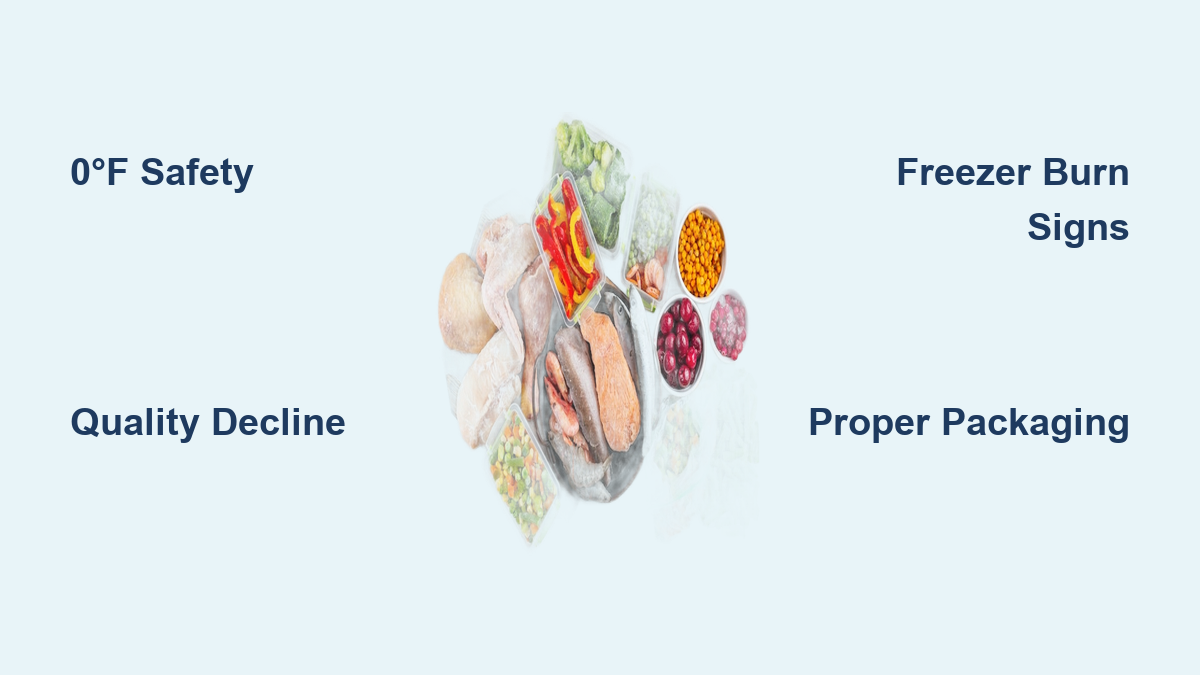
You’ve probably stared into your freezer, wondering if that package of chicken breasts from six months ago is still safe to eat. Frozen food storage is one of the most effective ways to reduce waste and save money, yet confusion about proper storage times leads many households to discard perfectly good food or risk eating degraded-quality items. The critical truth is simple: frozen food stored at 0°F (-18°C) or below remains safe to eat indefinitely from a food safety perspective, but quality—taste, texture, and nutritional value—gradually declines over time. Understanding the difference between safety and quality is essential for making smart decisions about your frozen inventory.
This comprehensive guide cuts through the confusion with specific timeframes for every food category, practical identification tips for quality degradation, and actionable strategies to maximize your freezer’s potential. Whether you’re meal prepping for the week or trying to use up items buried in the back of your freezer, you’ll learn exactly how long frozen food lasts in the freezer and how to ensure your frozen meals taste as fresh as the day you stored them.
Meat and Poultry Freezer Guidelines
Raw beef steaks and roasts maintain optimal flavor and texture for 8 to 12 months when sealed in airtight packaging, while ground beef has a shorter window of 3 to 4 months due to increased surface area exposure. Lamb follows similar guidelines at 6 to 9 months for chops and roasts. Pork presents specific considerations—chops and tenderloins stay fresh for 4 to 6 months, while bacon’s high fat content limits peak quality to just 1 to 2 months despite being cured. Sausages and processed meats generally maintain quality for 1 to 3 months.
Why Chicken Breasts Lose Quality After 9 Months
Boneless, skinless chicken breasts—the most commonly frozen poultry product—retain quality for 6 to 9 months when properly packaged. Whole chickens and turkeys can last up to 12 months, though 6 to 9 months delivers better taste and texture. Ground poultry has the shortest optimal window at 3 to 4 months due to increased processing and surface exposure. Cooked meats have different requirements: cooked roasts and steaks maintain quality for only 2 to 3 months, while cooked ground meats follow the same timeframe. This shortened window reflects structural changes from cooking that accelerate quality degradation during frozen storage.
How to Prevent Freezer Burn on Meat
Wrap meats tightly using multiple layers: first with plastic wrap directly against the surface, then with aluminum foil or in freezer bags. Press out all air before sealing bags—this simple step dramatically extends quality retention. For long-term storage beyond 6 months, vacuum sealing is ideal as it removes nearly all air that causes oxidation. Always label packages with contents and freezing date using a permanent marker on the packaging itself. If you notice ice crystals forming inside the package or dry, discolored patches on the meat surface, trim these freezer-burned areas before cooking.
Seafood and Fish Storage Durations
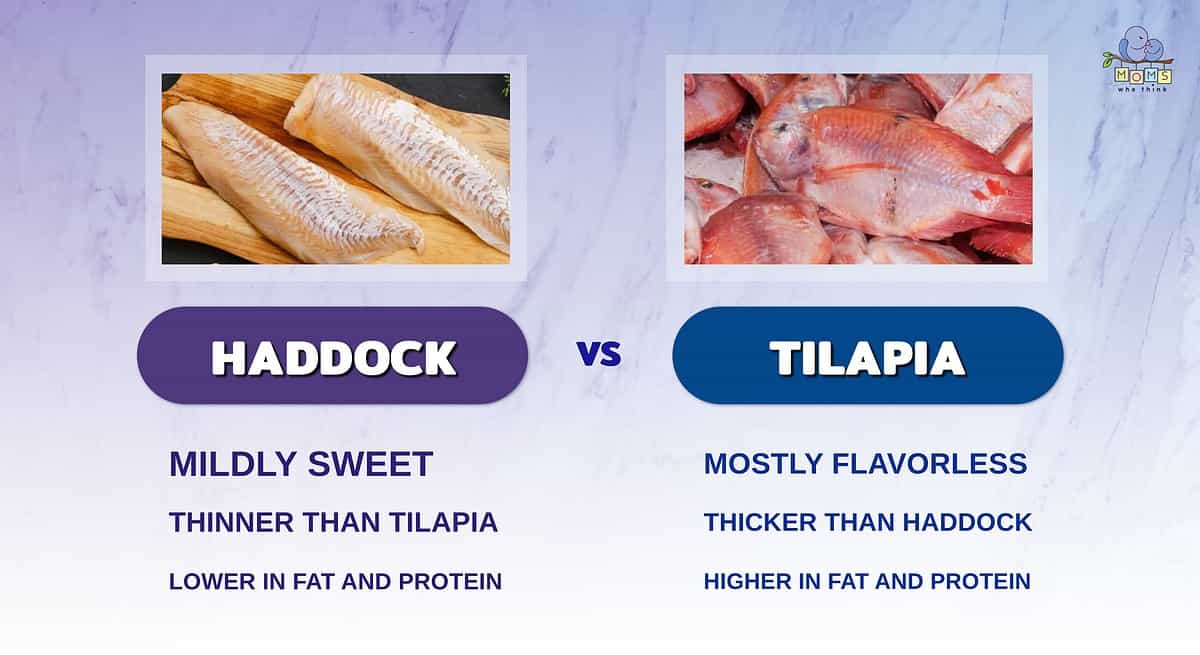
Fatty fish like salmon, mackerel, and trout maintain quality for only 2 to 3 months because their high unsaturated fat content makes them susceptible to oxidation and rancidity. This shorter window applies even to premium wild-caught salmon—while technically safe to eat longer, the flavor progressively deteriorates. Lean fish including cod, haddock, and tilapia offer more flexibility, lasting 6 to 8 months at optimal quality.
Shellfish Storage Timelines You Need to Know
Shrimp and prawns keep for 3 to 6 months, scallops for 3 to 4 months, and clams and mussels in their shells for 3 to 4 months. Cooked seafood has a uniformly shorter optimal storage window of 2 to 3 months regardless of species. When freezing fish at home, remove skin and bones, wrap portions tightly in moisture-proof material, and label with the date. For best results, use frozen fish within the recommended windows and thaw it in the refrigerator overnight before cooking. Any fish with “cardboard-like” or “painty” odors after thawing has developed rancidity and should be discarded immediately.
Frozen Fruits and Vegetables Timelines
High-acid fruits like berries, cherries, peaches, and apricots retain quality for 8 to 12 months when frozen using the tray method first (to prevent clumping) then transferred to airtight containers. Apples and pears freeze well for baking applications, lasting 8 to 10 months when sliced and treated with lemon juice to prevent browning. Bananas become ideal for smoothies when frozen (peeled is recommended) for 2 to 3 months—the texture changes make them unpleasant to eat fresh but perfect for blending.
Vegetable Blanching: The Critical Step Many Skip
Most vegetables require blanching before freezing to deactivate enzymes that degrade quality. Leafy greens including spinach and kale maintain quality for 10 to 12 months when properly blanched. Broccoli, cauliflower, and Brussels sprouts follow similar guidelines at 10 to 12 months. Carrots freeze excellently for 10 to 12 months when sliced or diced and blanched. Peas and beans are among the most freezer-friendly vegetables, retaining quality for 10 to 12 months without significant loss. The blanching process—brief immersion in boiling water followed by ice water shocking—preserves color, texture, and nutrients. Skipping this step can reduce vegetable quality by 30-50% within just 3 months.
Prepared Foods and Leftover Storage
Cooked dishes and leftovers generally last 2 to 3 months at optimal quality. Casseroles with cream-based sauces maintain quality for 2 to 3 months, though they may experience slight texture changes upon reheating. Soups and stews follow similar guidelines, with clear broth varieties lasting 2 to 3 months while cream-based soups have a shorter window of 2 months.
Baked Goods Freezer Lifespan Revealed
Breads maintain quality for 3 to 6 months when well-wrapped, with artisan breads occasionally lasting longer but potentially experiencing freezer burn on crusts. Quick breads like banana bread retain quality for 2 to 3 months. Cakes and cupcakes freeze exceptionally well for 3 to 4 months when wrapped airtight. Cookies maintain quality for 6 to 9 months, with drop cookies lasting longer than delicate varieties. When freezing leftovers, cool them completely before freezing to prevent raising the freezer temperature, and use shallow containers for faster, more even freezing—this simple step preserves texture by minimizing large ice crystal formation.
Dairy and Egg Product Guidelines

Hard cheeses like cheddar, parmesan, and swiss maintain quality for 6 to 8 months when tightly wrapped, with parmesan potentially lasting up to 12 months. The texture may become slightly crumbly after extended freezing, but flavor remains largely intact. Soft cheeses like brie and goat cheese have shorter optimal storage windows of 2 to 3 months due to higher moisture content.
Freezing Eggs Properly: What Most People Get Wrong
Raw eggs in the shell should never be frozen whole because expansion cracks the shells. Instead, break them, beat slightly, and freeze in airtight containers. Whole beaten eggs maintain quality for 10 to 12 months. Separated egg whites freeze excellently for 12 months, while yolks require beating with a small amount of sugar or salt (1 tablespoon per cup of yolks) to prevent gelling, lasting 10 to 12 months. Cooked eggs, including hard-boiled eggs, freeze poorly due to texture changes and should not be frozen long-term.
Commercial Frozen Food Shelf Life
Store-bought frozen dinners typically maintain quality for 3 to 4 months from purchase date when continuously stored at 0°F. The “best by” dates on these products refer to quality rather than safety—products may be consumed beyond these dates with acceptable, though potentially reduced, quality. Commercially frozen vegetables and fruits maintain quality for 8 to 12 months from packaging date. Frozen pizza maintains quality for 1 to 2 months, though it may remain acceptable for 3 to 4 months. Once opened, commercial frozen products should be used within 2 to 3 months for optimal quality.
Quality Signs to Watch For
Freezer burn appears as dry, leathery, or discolored patches on food surfaces, ranging from white to gray to brown. The affected areas are safe to eat after trimming, though they’ll have diminished flavor. Texture changes like mushiness, excessive moisture release, or grainy consistencies indicate quality degradation. Odor changes—particularly “cardboard-like” or “painty” smells in fish—signal rancidity from oxidized fats. These flavor changes are irreversible and affect the entire package. Any food with unmistakably off odors should be discarded regardless of how long it has been frozen.
Safe Thawing Methods
.png)
Refrigerator thawing is the safest method, allowing gradual temperature rise that inhibits bacterial growth. Plan ahead, as large items may require 24 to 48 hours. Cold water thawing in leak-proof packages works faster (about 30 minutes per pound), but water must be changed every 30 minutes. Microwave thawing should be followed immediately by cooking, as some areas may reach unsafe temperatures. Never thaw foods at room temperature—the exterior may reach unsafe temperatures while the interior remains frozen, creating conditions for rapid bacterial growth.
Extend Your Freezer Food Life
Maintain a consistent temperature of 0°F or below—the single most important factor in preserving quality. Temperature fluctuations accelerate degradation by promoting ice crystal formation. Use airtight packaging: vacuum sealing can potentially double storage life compared to standard freezer bags. Press out all air from freezer bags manually or use bags with self-sealing valves. Organize your freezer with a first-in-first-out system, date everything clearly, and keep an inventory list attached to the freezer door. Periodically (every 3 to 6 months) check stored foods for packaging integrity and signs of quality degradation.
When in doubt about an item’s quality, a quick visual inspection and smell test can help determine whether it’s still suitable for cooking. Remember that proper freezing preserves but doesn’t improve quality—food frozen when fresh maintains the best results. By following these specific storage timelines and packaging recommendations, you can maximize your freezer’s potential, reduce food waste, and enjoy convenient, quality meals throughout the year.