How Long Does Chili Last in the Freezer: Storage Tips
Nothing beats coming home to a ready-to-eat meal after a long day, and chili makes the perfect freezer staple for busy households. Whether you’ve doubled your recipe for meal prep or received a neighbor’s generous batch, knowing exactly how long does chili last in the freezer helps you maximize flavor and avoid food waste. Properly frozen chili maintains excellent quality for months, but the difference between a vibrant, flavorful meal and a disappointing, freezer-burned disappointment comes down to storage technique. This guide reveals precisely how to freeze, store, and revive your chili so every spoonful tastes as satisfying as the day you made it.
Many home cooks mistakenly believe frozen food lasts indefinitely or throw away perfectly good chili after just a few weeks. The truth lies somewhere in between—your freezer preserves safety but not perfect quality forever. Understanding the science behind freezer storage empowers you to enjoy restaurant-quality chili anytime while minimizing waste. By the end of this guide, you’ll know exactly how long does chili last in the freezer, how to spot quality degradation, and professional techniques to extend your chili’s peak freshness.
Maximum Freezer Lifespan for Different Chili Types
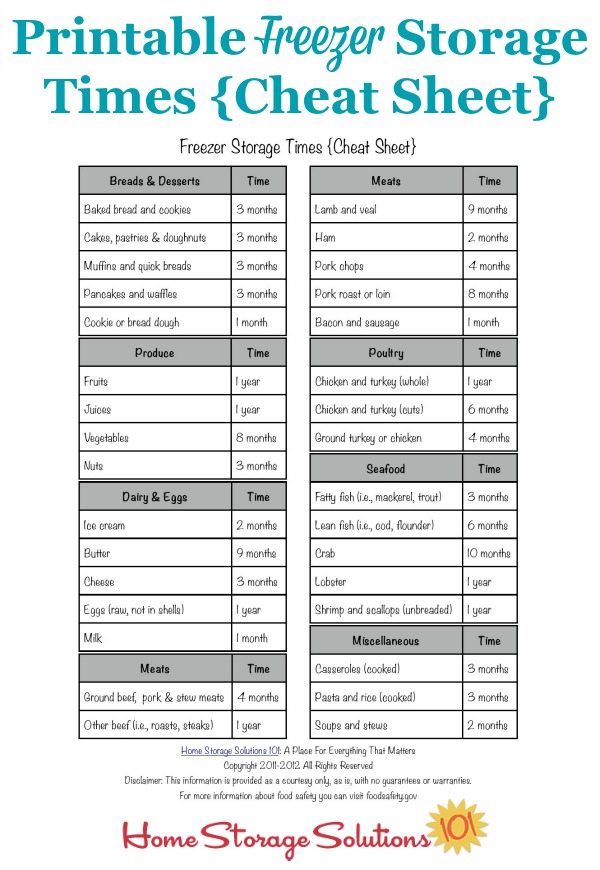
When stored at a consistent 0°F (-18°C), properly packaged chili maintains optimal eating quality for three to four months. This timeframe represents when your chili will taste nearly as vibrant as fresh, with minimal texture or flavor changes. While frozen chili technically remains safe to eat indefinitely from a food safety perspective, extended storage leads to noticeable quality decline.
The three-to-four-month window applies specifically to chili stored in airtight containers with minimal air exposure. Chili frozen in suboptimal conditions—like loosely covered dishes or bags with trapped air—begins deteriorating within one to two months as freezer burn sets in. You’ll recognize freezer burn by dry, leathery patches on the surface that taste stale or cardboard-like due to moisture evaporation.
Different chili variations have slightly different freezer tolerances. Meat-based chili with beef or pork generally maintains texture better than vegetarian versions, which contain more water that forms larger ice crystals during freezing. Chili containing dairy elements like cheese, sour cream, or cream should be consumed within two to three months as these ingredients separate more readily. Beans hold up remarkably well in frozen chili, though they may become slightly softer upon thawing—still perfectly edible but less firm than fresh.
Detecting Quality Degradation in Frozen Chili
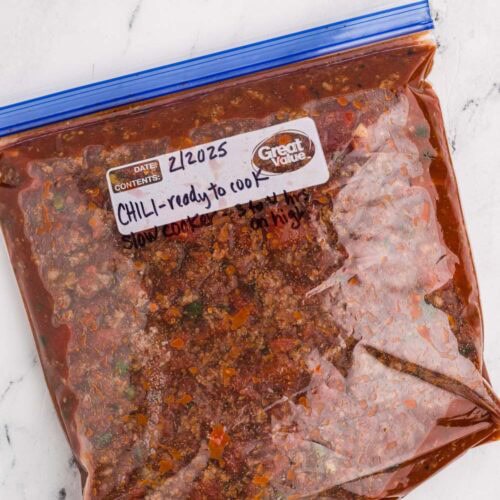
Learning to identify compromised frozen chili prevents disappointing meals and potential food safety issues. While frozen food doesn’t support bacterial growth like refrigerated items, quality deterioration still occurs and significantly impacts your eating experience.
Extensive freezer burn coverage appears as white or grayish-brown dry patches concentrated on the chili’s surface. Small affected areas can be scraped off before reheating, but when freezer burn penetrates deeply or covers more than 25% of the surface, the entire batch likely suffers from flavor concentration and moisture loss. Think of it like an over-concentrated stock—technically safe but unpleasantly intense.
Unpleasant odors become noticeable immediately upon opening the container. Trust your nose—if your thawing chili smells rancid, sour, or simply “off,” discard it. These odors develop from fat oxidation, particularly problematic in meat-based chilies rich in animal fats that break down over extended freezing periods.
Significant color fading indicates quality loss. Freshly frozen chili maintains vibrant tomato-red tones for months, while degraded chili shows dull, brownish-gray discoloration in meat components or faded bean colors. Some darkening is normal, but dramatic shifts suggest extended storage beyond optimal quality.
Excessive ice crystals throughout the container (not just on top) signal repeated thaw-refreeze cycles from temperature fluctuations. This creates a watery, mushy texture when reheated as ice crystals rupture food cells. While safe to eat, the texture suffers significantly compared to properly frozen chili.
Optimal Storage Containers and Freezing Methods
The container you select dramatically impacts how long does chili last in the freezer. Airtight packaging prevents air exposure that causes freezer burn, while proper techniques preserve texture and flavor throughout storage.
Rigid freezer containers with secure seals provide excellent protection against freezer burn and stack efficiently in your freezer. Choose containers specifically labeled “freezer-safe” with locking lids that create a complete seal around the rim. Always leave one-half to one inch of headspace at the top since liquids expand when frozen—filling to the brim risks container cracking or lid popping off.
Heavy-duty freezer bags offer space-saving advantages when stored flat in your freezer. Fill bags with portion-sized servings, press out excess air thoroughly before sealing (use a straw to suck out final air pockets), and lay bags flat on a baking sheet until frozen solid. This creates space-efficient “chili bricks” that stack neatly and thaw faster than bulky containers.
Vacuum sealing provides the longest possible freezer life by eliminating nearly all air exposure. This method extends chili’s quality window closer to six months rather than three to four. If you frequently freeze large batches, the investment in a vacuum sealer pays off through reduced food waste. For home cooks without this equipment, the freezer bag method with meticulous air removal achieves nearly comparable results.
Critical labeling practice prevents “mystery chili” scenarios that lead to wasted food. Use waterproof marker to note contents, date, and any special ingredients (like “extra spicy” or “contains beans”) on every container. The simplest system—writing directly on containers with permanent marker—ensures you’ll always know exactly what you’re retrieving and how long it’s been stored.
Safe and Effective Thawing Techniques
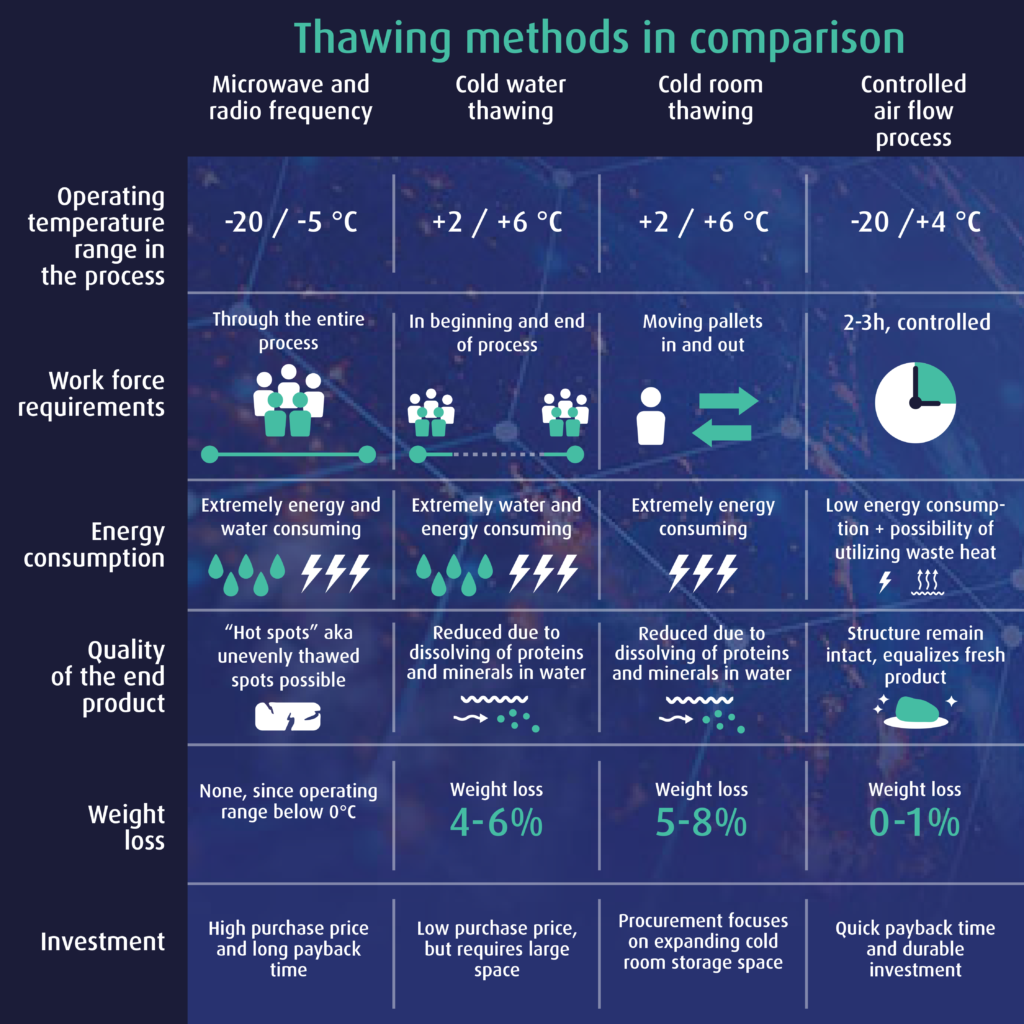
How you thaw frozen chili affects both food safety and final texture quality. Choosing the right method depends on your timeline and meal planning needs.
Refrigerator thawing delivers the safest results and best texture retention. Transfer your frozen chili to the refrigerator 12-24 hours before serving—overnight works perfectly for weekday lunches. This slow thaw keeps the chili safely below 40°F throughout the process. Check for any quality issues while it thaws, and consume within three to four days once completely thawed.
Cold water bath thawing accelerates the process when you need chili faster. Place the sealed container or bag in a large bowl of cold water, changing the water every 30 minutes to maintain cold temperatures. Most standard portions thaw completely within two to three hours using this method. Never use warm water, which creates dangerous temperature zones where bacteria can multiply in outer layers while the center remains frozen.
Direct microwave defrosting works only when you’ll immediately reheat and serve the chili. Use your microwave’s defrost setting and pause frequently to stir, ensuring even thawing without partial cooking. This method often creates texture inconsistencies, so it’s best reserved for emergencies when other methods aren’t feasible.
Never thaw chili at room temperature on your kitchen counter. Even though the center remains frozen, outer layers enter the “danger zone” (40°F-140°F) where bacteria multiply rapidly. This common mistake creates serious food safety risks that outweigh any time savings.
Proven Methods to Extend Your Chili’s Freezer Life
Several advanced techniques help push your chili’s quality window closer to six months while maintaining excellent flavor and texture.
Rapid cooling before freezing prevents temperature fluctuations in your freezer that cause ice crystal formation. Spread hot chili in shallow pans (no more than two inches deep) to cool faster, or stir it in an ice water bath until it reaches room temperature—about 30-45 minutes. Never freeze warm chili directly as the heat raises your freezer’s internal temperature.
Surface sealing with plastic wrap creates an additional barrier against air exposure. Before closing rigid containers, press plastic wrap directly onto the chili’s surface to eliminate air pockets between the food and lid. This simple step significantly reduces surface freezer burn.
Portion freezing in ice cube trays works well for small additions rather than full meals. Freeze chili base in standard ice cube trays, then transfer the cubes to labeled freezer bags. These “flavor bombs” make perfect additions to soups, stews, or casseroles with minimal waste.
Consistent freezer temperature maintenance preserves quality longer. Keep your freezer at or below 0°F (-18°C) and avoid frequent door openings that cause temperature fluctuations. Place a standalone thermometer inside to monitor actual temperatures—many freezers run warmer than their settings suggest.
Critical Freezer Mistakes That Ruin Chili Quality
Avoid these common errors that prematurely degrade your frozen chili and waste your cooking efforts.
Extended room temperature storage before freezing creates bacterial growth opportunities. Cooked chili should spend no more than two hours total at room temperature—including cooking and cooling time—before refrigeration or freezing. Use an ice water bath to rapidly cool large batches if you can’t freeze immediately.
Inadequate container sealing defeats the purpose of freezer storage. Inspect container lids regularly for warping or cracks that prevent proper sealing. Replace damaged containers promptly or switch to heavy-duty freezer bags for problematic batches.
Freezing oversized portions forces you to thaw more than needed each time. Portion chili into single or family-sized servings that match your typical consumption—most households find 2-4 cup portions work best for flexibility.
Skipping container labels creates “freezer mystery meals” that eventually get discarded. A thirty-second labeling session prevents wasted food months later when you can’t identify or date unknown containers.
Refreezing previously thawed chili destroys texture and increases food safety risks. Once thawed, chili should be reheated and consumed within three to four days—never returned to the freezer unless incorporated into a new dish that gets fully cooked again.
Freezer Storage FAQs Answered
Can you freeze chili with beans? Yes—beans freeze exceptionally well in chili and maintain quality throughout the standard three to four-month window. Expect beans to become slightly softer upon thawing, but they remain completely edible and flavorful.
Why is my thawed chili watery? Water separation occurs when ice crystals form during storage, often from temperature fluctuations or inadequate airtight sealing. Stir vigorously during reheating to redistribute moisture, though severely watery chili indicates extended storage beyond optimal quality.
Should I add toppings before freezing? Always add dairy toppings like sour cream, cheese, or avocado after reheating. These ingredients separate during freezing and thawing, resulting in grainy textures and off-flavors. Freeze the chili base alone and add fresh garnishes when serving.
Does freezing affect chili’s nutrition? Freezing preserves most nutritional content in chili, with minimal vitamin or mineral loss. The process essentially pauses nutritional degradation, making frozen chili more nutritious than refrigerated leftovers stored for a week.
Can you freeze canned chili? Yes, but transfer opened canned chili to proper freezer containers first—never freeze food in metal cans. Properly stored canned chili maintains quality for one to two months in the freezer, slightly shorter than homemade versions due to preservatives.
By following these precise guidelines, you’ll consistently enjoy flavorful, safe chili straight from your freezer for months. Proper storage transforms chili from a single meal into a reliable backup option that saves time and reduces food waste—knowing exactly how long does chili last in the freezer ensures you always have a satisfying meal ready when you need it most.