Egg Bites Freezer Life: How Long They Last
You’ve just made a batch of delicious egg bites, or perhaps bought some from your favorite coffee shop, and now you’re wondering how to properly store them for later enjoyment. Nothing’s more disappointing than discovering freezer-burned egg bites or worse—food safety concerns when you’re ready to enjoy your frozen breakfast treats. The question on every meal-prepper’s mind is simple but critical: how long do egg bites actually last in the freezer while maintaining both quality and safety? Understanding proper freezer storage for these protein-packed breakfast options can save you money, reduce food waste, and ensure you always have a healthy meal ready when you need it most.
Egg bites have surged in popularity as convenient, protein-rich breakfast options that fit perfectly into busy lifestyles. Whether you’re making homemade versions with your favorite ingredients or enjoying store-bought varieties, knowing the exact freezer lifespan prevents unpleasant surprises and potential food safety issues. This guide cuts through the confusion with specific timelines, storage techniques, and visual indicators that tell you exactly when your frozen egg bites have reached their prime—or passed it.
Proper Freezer Storage Timeline for Egg Bites

How Long Egg Bites Maintain Peak Quality in Freezer
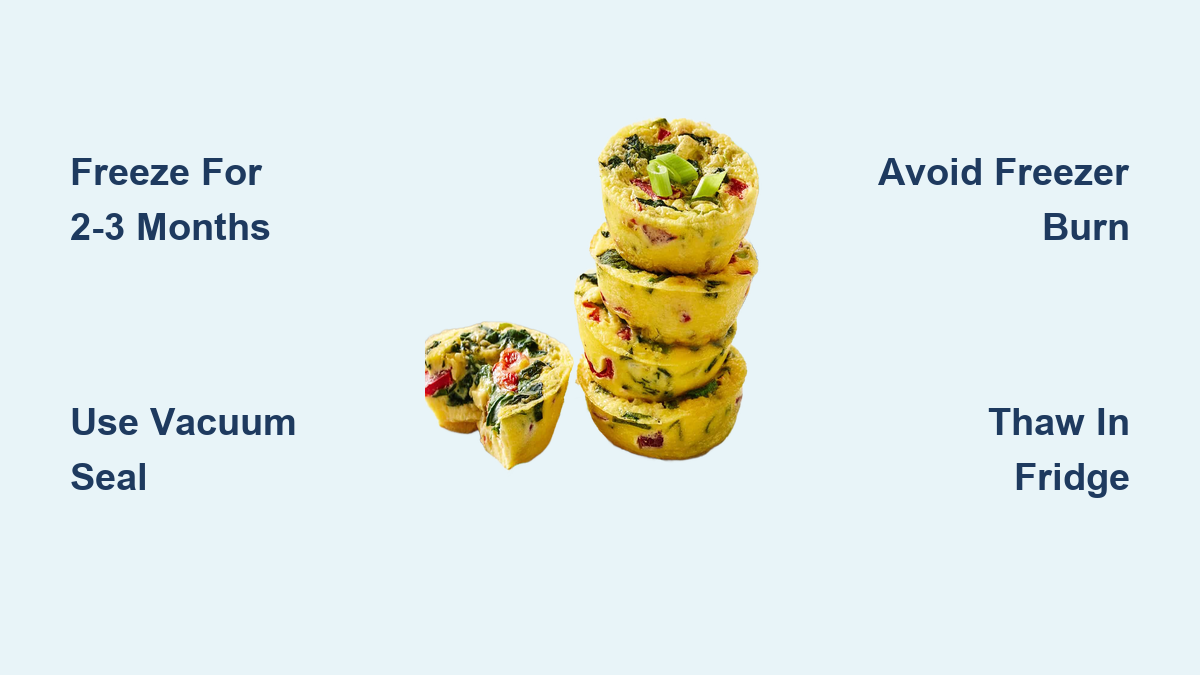
Homemade egg bites maintain their best texture and flavor when stored in the freezer for 2-3 months. During this optimal window, you’ll experience minimal moisture loss and preserve the delicate texture that makes egg bites so appealing. Beyond this timeframe, while still safe to eat if properly stored, you’ll notice increasingly dry, rubbery textures and diminished flavor. The exact timeline depends heavily on your packaging method—those vacuum-sealed with all air removed will outlast those in loosely covered containers by several weeks.
Commercial Egg Bites Freezer Shelf Life Differences
Store-bought egg bites typically carry a “best by” date that extends 30-45 days beyond purchase, but when transferred to your freezer immediately, they maintain quality for 1-2 months. The shorter freezer lifespan compared to homemade versions stems from commercial formulations containing preservatives and stabilizers that behave differently during freezing and thawing cycles. Pay close attention to any specific freezer instructions on the packaging, as some brands explicitly state their products aren’t designed for long-term freezing.
Why the 3-Month Mark Is Critical for Homemade Egg Bites
At the three-month mark, freezer burn becomes increasingly likely even with proper packaging. This occurs when moisture escapes from the food, leaving dehydrated spots that appear as white, grayish-brown, or leathery patches on the surface. While freezer-burned egg bites remain safe to eat, the affected areas develop unpleasant textures and off-flavors that can ruin your entire meal. The proteins in eggs undergo structural changes over extended freezing periods, resulting in increasingly rubbery textures that most find unappetizing.
Essential Packaging Techniques for Maximum Freezer Life
Vacuum Sealing vs. Alternative Storage Methods
Vacuum sealing outperforms all other methods for extending egg bite freezer life by removing oxygen that causes freezer burn. Without specialized equipment, your next best option involves a double-layer approach: first wrap each cooled egg bite tightly in plastic wrap, then place them in a rigid freezer container with minimal air space. Avoid using standard plastic bags alone, as trapped air accelerates quality degradation. For best results, freeze egg bites in single-layer batches on a parchment-lined tray before transferring to long-term storage—this prevents them from freezing together in an unmanageable clump.
Common Packaging Mistakes That Shorten Freezer Life
Most home freezers operate at 0°F (-18°C), but temperature fluctuations during power outages or frequent door openings significantly impact frozen food quality. One critical mistake is storing egg bites in the freezer door, where temperatures fluctuate most dramatically. Another common error involves storing warm egg bites directly in the freezer—always cool them completely at room temperature first (no more than 2 hours) to prevent ice crystal formation inside the food. Never use aluminum foil alone as it doesn’t provide an airtight seal and can react with acidic ingredients sometimes found in egg bite recipes.
Thawing and Reheating Methods That Preserve Quality

Safe Thawing Practices for Frozen Egg Bites
Transfer frozen egg bites to your refrigerator 12-24 hours before needed for optimal texture retention. Never thaw egg bites at room temperature, as this creates a food safety hazard—the outer layers enter the “danger zone” (40-140°F) while the center remains frozen, allowing bacteria to multiply rapidly. If you need egg bites immediately, use your microwave’s defrost setting for 1-2 minutes, checking frequently to prevent partial cooking. For best results, add a single drop of water to the container before reheating to reintroduce moisture lost during freezing.
Reheating Techniques That Restore Fresh-Made Quality
The microwave method delivers fastest results but often yields rubbery textures—reheat at 50% power in 30-second intervals, rotating the egg bites between sessions. For superior results, use an air fryer at 325°F for 5-7 minutes, which restores the exterior crispness while gently warming the interior. Oven reheating at 350°F for 10-12 minutes works well for multiple servings but requires monitoring to prevent drying. Regardless of method, always check internal temperature reaches 165°F for food safety, especially with previously frozen egg products.
Recognizing When Frozen Egg Bites Have Gone Bad

Visual and Textural Warning Signs
Discard frozen egg bites showing extensive ice crystals throughout the container—this indicates temperature fluctuations that compromise quality and safety. When thawed, egg bites with slimy surfaces, unusual discoloration (greenish or pinkish tints), or separation of ingredients signal spoilage. Trust your senses: if thawed egg bites emit sour, sulfuric, or otherwise unpleasant odors, they’ve spoiled regardless of the timeline. Freezer burn appears as dry, leathery spots but doesn’t indicate spoilage—simply trim affected areas before reheating.
Time-Based Safety Guidelines You Must Follow
Never consume egg bites stored beyond 4 months in the freezer, even with perfect packaging. Commercial products should follow the manufacturer’s guidelines rather than general rules—some contain ingredients that degrade faster when frozen. If your freezer experienced a power outage lasting more than 4 hours, discard all egg bites regardless of storage duration. When in doubt about safety, follow the food safety maxim: “When you see mold, throw it out”—never cut away moldy portions from egg-based products as toxins can spread invisibly throughout the food.
Maximizing Freshness: Pro Tips for First-Time Freezers
Batch-Size Strategies for Optimal Rotation
Freeze egg bites in single-serving portions using silicone molds or muffin tins for easy portion control—this prevents repeated thawing and refreezing of entire batches. Label each package with both freezing date and use-by date (3 months later) using freezer-safe markers that won’t smudge. Organize your freezer with newer items behind older ones using the “first in, first out” principle that restaurants employ. Consider freezing ingredients separately (whisked eggs, pre-cooked fillings) then assembling fresh when needed for superior quality compared to fully prepared frozen versions.
Ingredient Modifications for Better Freezer Performance
Add 1-2 teaspoons of cream cheese per egg when making homemade versions—it acts as a natural emulsifier that prevents separation during freezing and thawing. Avoid watery vegetables like zucchini or tomatoes in freezer-bound egg bites, as they release excess moisture upon thawing. For commercial products, check ingredients for sodium citrate (common in Starbucks-style egg bites), which helps maintain texture during freezing but breaks down after 60 days. Consider adding a pinch of xanthan gum (1/16 teaspoon per cup of egg mixture) to homemade versions for improved freeze-thaw stability.
Final Note: Properly stored egg bites deliver convenient, healthy breakfasts for up to three months in your freezer when packaged correctly. The key to enjoying restaurant-quality results lies in meticulous packaging that minimizes air exposure, careful labeling with dates, and using appropriate thawing techniques that preserve texture. By implementing these storage strategies, you’ll transform your freezer into a reliable source of high-protein breakfasts ready whenever morning rush hour strikes. Remember that while frozen egg bites remain safe beyond three months, their quality declines significantly—aim to consume them within this optimal window for the best eating experience. When planning your next batch, consider freezing in single portions using the techniques outlined here to eliminate morning meal stress while ensuring food safety and maximum freshness.