How Long Can Frozen Shrimp Stay in Freezer
You’ve just returned from the grocery store with a great deal on frozen shrimp, or perhaps you bought extra during a sale to save money. Now you’re wondering: how long can frozen shrimp stay in the freezer before it goes bad? This question matters because while frozen shrimp offers incredible convenience as a pantry staple, understanding its proper storage timeline ensures both food safety and meal quality. Many home cooks mistakenly believe frozen food lasts forever, but shrimp quality deteriorates over time even when safely frozen. The difference between “safe to eat” and “actually delicious” can mean the difference between a restaurant-quality meal and a disappointing dinner. This guide reveals exactly how long different types of frozen shrimp maintain peak quality, how to spot degradation, and the best practices for maximizing your shrimp’s freezer life.
Maximum Safe Storage Times for Frozen Shrimp
Knowing exactly how long frozen shrimp stays fresh helps you plan meals and avoid wasting money on shrimp that’s passed its prime. The clock starts ticking from the moment shrimp hits your home freezer, so understanding these timelines prevents unpleasant surprises.
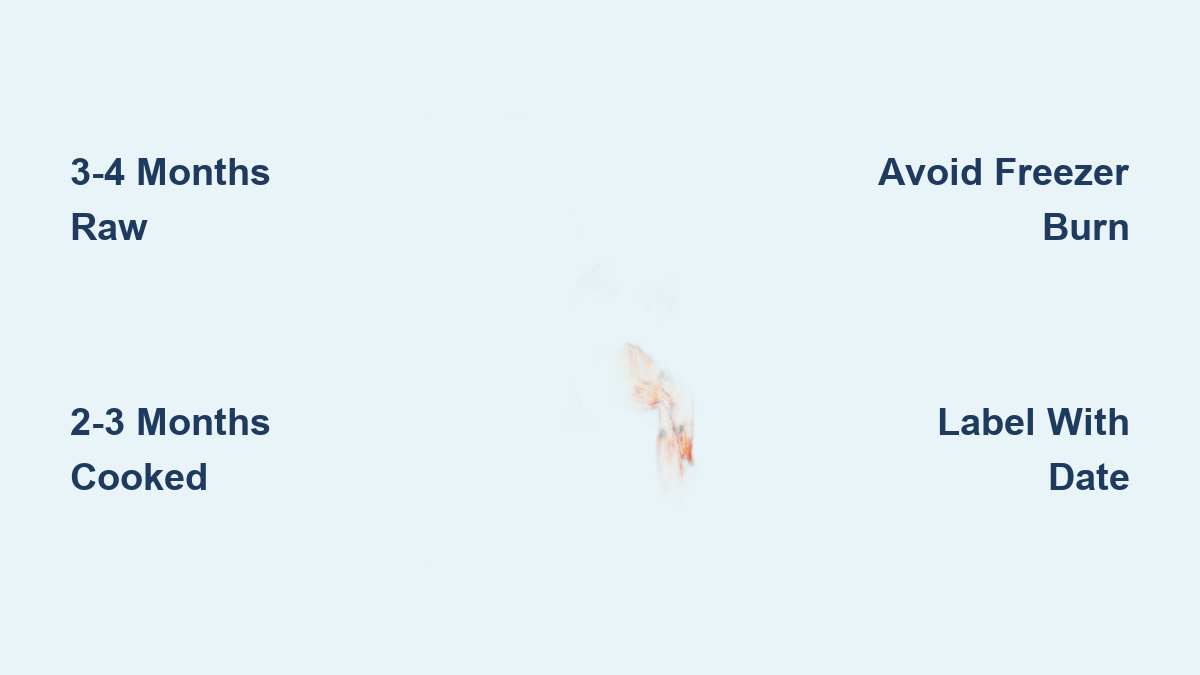
Raw frozen shrimp maintains peak quality for three to four months when stored at 0°F (-18°C) or below. During this window, your shrimp will retain its firm texture, vibrant color, and characteristic sweet ocean flavor that makes it so appealing. While the FDA confirms frozen shrimp remains safe indefinitely when continuously frozen, quality degrades noticeably after the four-month mark. For home cooks seeking the best possible eating experience, treat that three-to-four-month window as your quality deadline.
Cooked frozen shrimp has a shorter optimal storage period of just two to three months. The cooking process causes moisture loss and protein changes that accelerate texture degradation during freezing. After this timeframe, cooked shrimp tends to become rubbery and loses much of its delicate flavor. Though technically safe for up to six months when properly packaged, the quality difference becomes pronounced beyond three months.
Prepared shrimp dishes like gumbo or shrimp sausage follow similar timelines but may experience additional texture changes from other ingredients. These mixed dishes are best consumed within two to three months for optimal results, as the starches and vegetables in recipes can develop off-flavors when frozen too long.
Recognizing Quality Problems in Frozen Shrimp

Just because frozen shrimp is technically safe doesn’t mean it will deliver a satisfying meal. Learning to identify quality issues helps you decide whether to use that old shrimp for a simple stir-fry or toss it out.
Freezer burn appears as white, grayish-brown, or yellowish dry patches on the shrimp’s surface. This happens when air reaches the shrimp, causing dehydration and oxidation. While freezer-burned shrimp is safe to eat after trimming affected areas, the surrounding meat will have compromised flavor and texture. Severely freezer-burned shrimp covering large portions should be discarded.
Texture changes provide crucial quality information. Fresh frozen shrimp should remain firm and slightly springy when thawed. Shrimp frozen too long often becomes mushy, stringy, or rubbery due to ice crystals damaging cellular structure during storage. This texture degradation makes even perfectly safe shrimp unpleasant to eat.
Odor assessment offers definitive quality information. Properly frozen shrimp should retain a mild, sweet, ocean-like aroma. As quality declines, this pleasant smell fades and may be replaced by a flat or stale scent. Any sour, ammonia-like, or distinctly rancid odors indicate the shrimp has degraded beyond acceptable quality and should be discarded immediately.
Best Packaging Methods for Long-Term Freezing
Packaging quality represents the single most important factor in determining how long your frozen shrimp will maintain excellent quality. The right packaging prevents air exposure, protects against freezer burn, and preserves natural moisture.
Vacuum sealing removes virtually all air from packaging, dramatically extending frozen shrimp’s quality life. This method can preserve raw shrimp in excellent condition for nine to twelve months. Home vacuum sealers have become increasingly affordable and represent an excellent investment for regular seafood freezers.
Heavy-duty freezer bags work well when vacuum sealing isn’t available. Choose bags specifically designed for freezer use and squeeze out as much air as possible before sealing. For better results, use a straw to create a partial vacuum effect. Double-bagging provides additional protection against accidental tears.
Airtight containers offer sturdy protection and maintain shrimp shape, though they take more freezer space than bags. Ensure containers are rated for freezer temperatures, as regular food storage containers can crack when exposed to sustained sub-zero temperatures. These containers work particularly well for smaller quantities.
Always label your frozen shrimp with the date and relevant details like whether it’s raw or cooked. This simple practice prevents forgotten shrimp from lingering in your freezer beyond its quality window.
Safe Thawing Techniques for Frozen Shrimp
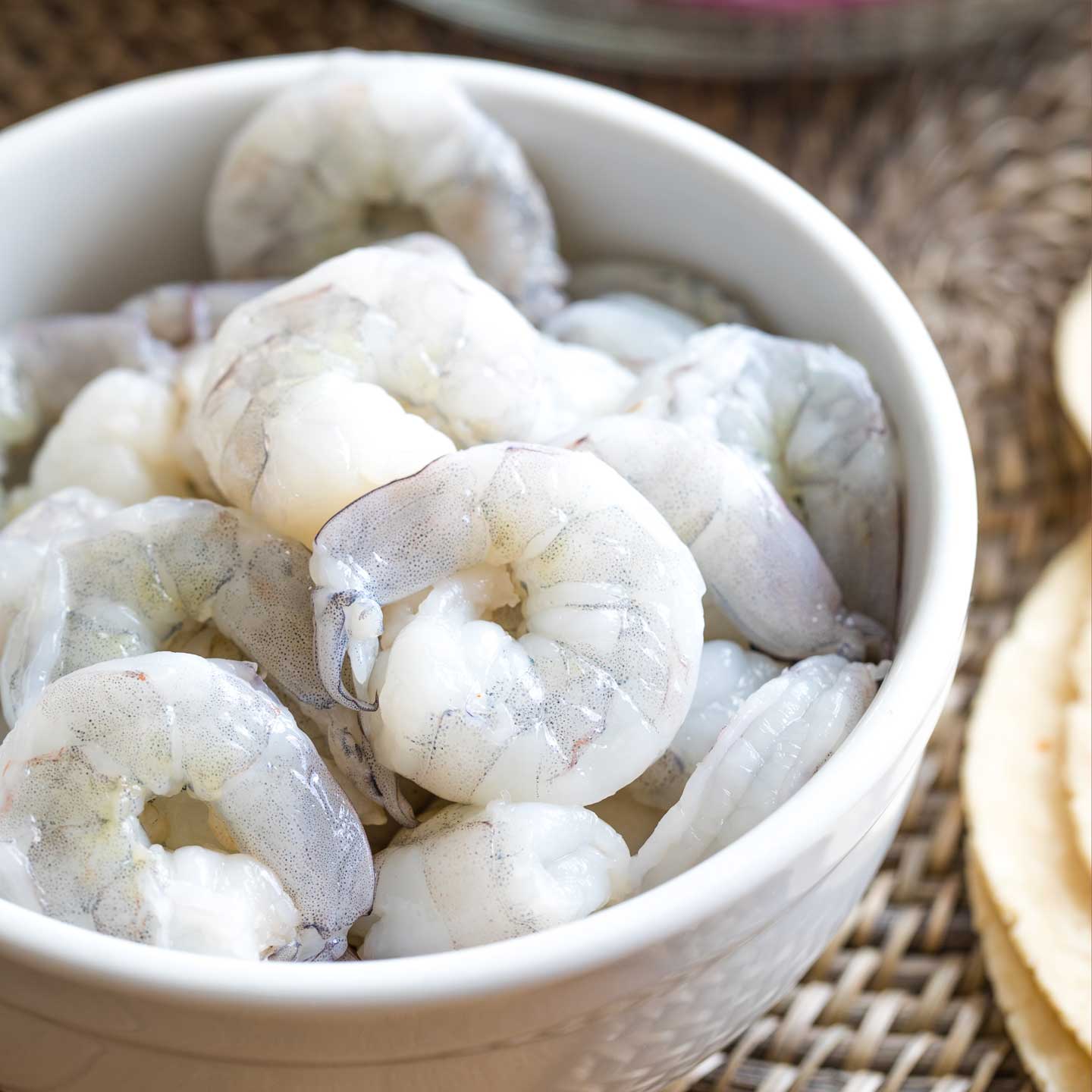
Proper thawing matters almost as much as proper freezing when it comes to maintaining shrimp quality and ensuring food safety. The method you choose affects both texture and how quickly you need to use the shrimp.
Refrigerator thawing is the safest and highest-quality approach. Move frozen shrimp to the refrigerator and let it thaw slowly overnight or for about eight to twelve hours. This gradual process at temperatures below 40°F (4°C) minimizes bacterial growth while preserving texture and flavor. The main drawback is needing advance planning.
Cold water thawing provides a faster alternative when you’re short on time. Place sealed shrimp in a bowl of cold tap water, changing the water every thirty minutes. One pound typically thaws in one to two hours. Keep the water cold—warm water creates a temperature danger zone where bacteria multiply rapidly.
Microwave thawing works for immediate needs but requires careful attention. Use the defrost setting and check frequently, removing portions that begin cooking while the center remains frozen. Shrimp thawed in the microwave should be cooked immediately and not refrozen.
Quality Timeline: Frozen Shrimp Storage Duration
Understanding how shrimp quality changes over time helps you decide how to use shrimp based on how long it’s been frozen. Different storage durations suit different cooking applications.
During the first three months, raw frozen shrimp maintains peak quality with firm texture, bright color, and sweet flavor. This is the ideal window for preparations where shrimp’s natural qualities shine—such as ceviche, shrimp cocktails, or simply grilled shrimp.
From three to six months, the shrimp remains perfectly safe to eat but may show slight quality changes. Raw shrimp might be slightly less firm, and the flavor could be marginally diminished. This shrimp works excellently in cooked applications like stir-fries, soups, and pasta dishes.
Between six and twelve months, quality degradation becomes more noticeable. While still safe if properly packaged, this shrimp is best reserved for dishes with robust flavors that can compensate for lost sweetness and texture.
Beyond twelve months, even properly packaged shrimp shows significant quality loss. While technically safe if no other spoilage indicators are present, this shrimp is best used only in very forgiving recipes with strong flavors, or discarded.
Storage Differences by Shrimp Type
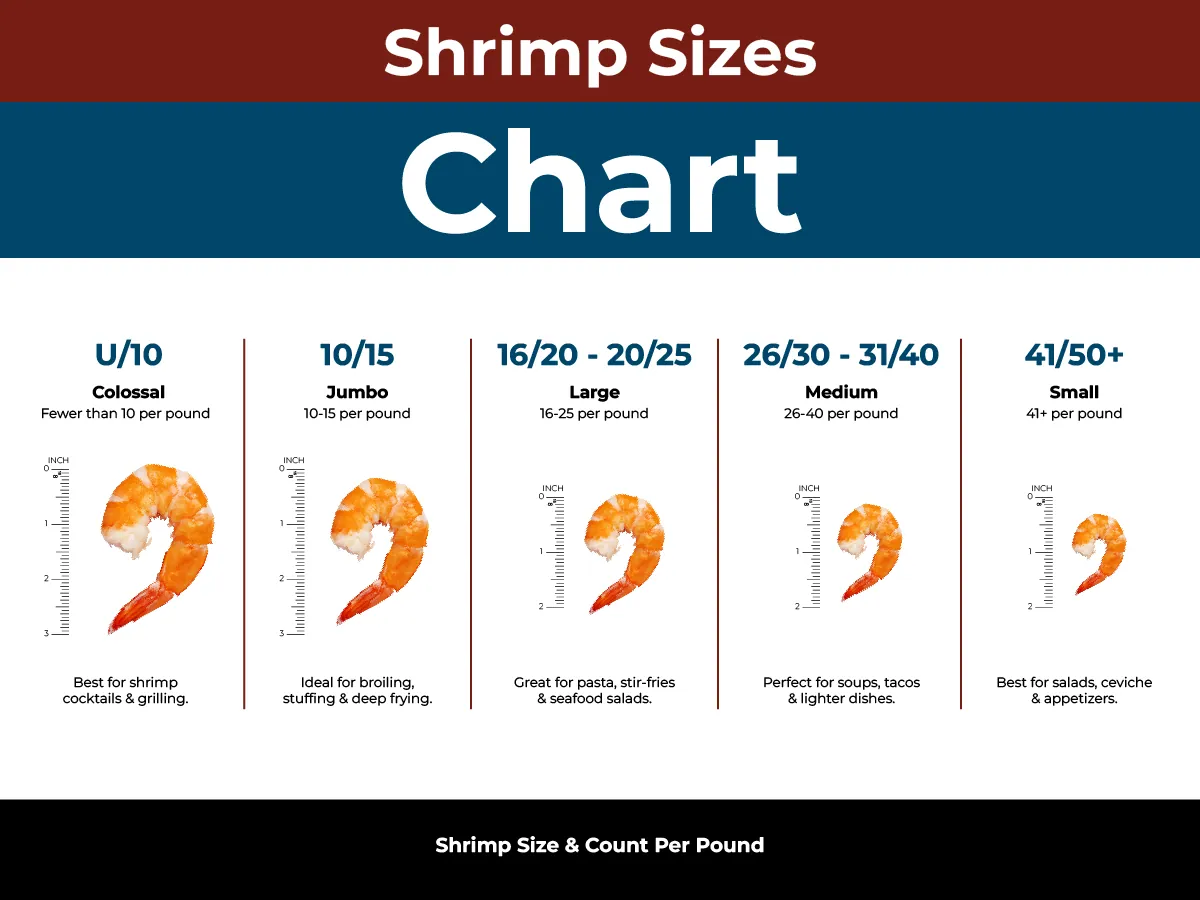
Not all shrimp types freeze equally, and understanding these differences helps you optimize your storage strategy.
Large and jumbo shrimp have more surface area, making them slightly more susceptible to freezer burn. These premium-sized shrimp are best consumed within the optimal three-month window for the best experience.
Small and medium shrimp freeze better due to their compact size. These sizes are excellent candidates for stocking up and storing for three to six months, particularly when buying in bulk.
Shrimp in the shell actually freeze better than peeled shrimp because the shell provides natural protection. If planning to freeze shrimp for more than a month, keep shells on and peel after thawing.
Individually quick frozen (IQF) shrimp offers superior quality and convenience. Each piece freezes separately, so you can thaw exactly what you need. This type maintains quality well for three to six months.
Pre-cooked frozen shrimp has a shorter freezer life due to proteins having already undergone denaturation. These products are best consumed within two to three months for optimal quality.
Food Safety Essentials for Frozen Shrimp
While freezing preserves shrimp safety for extended periods, proper handling remains essential throughout the storage and thawing process.
Maintain a consistent freezer temperature of 0°F (-18°C) or below. Invest in a reliable freezer thermometer and check it monthly, as many home freezers operate warmer than their temperature settings indicate.
Blanching before freezing sets proteins, preserves color and texture, and creates a protective layer that extends quality life. This technique involves briefly immersing shrimp in boiling water for one to two minutes, then immediately transferring to an ice bath.
When in doubt about quality, throw it out. While freezing preserves safety, quality degradation can make shrimp unappetizing even when technically safe to eat.
Choose shrimp from reputable sources with good handling practices. Sustainably harvested wild shrimp and responsibly farmed shrimp typically maintain quality well when frozen properly.
Smart Tips to Extend Shrimp Freezer Life
Maximizing the value of your frozen shrimp purchases comes down to smart preparation, proper storage, and strategic consumption.
Buy fresh, freeze immediately whenever possible. Shrimp frozen shortly after harvest maintains better quality during extended storage than shrimp that spent time in transit before freezing.
Portion before freezing to match your typical recipe needs. Measure out one-pound portions for stir-fries, half-pound portions for salads or pasta dishes, and package accordingly.
Keep your freezer full but organized to maintain stable temperatures. A full freezer retains cold better than one with empty space, but don’t overpack to the point that air can’t circulate.
Consider the source when purchasing for freezing. Wild-caught shrimp generally freezes well and maintains quality for the standard period, while farm-raised shrimp may have slightly different characteristics.
By following these guidelines for storage duration, packaging, thawing, and quality assessment, you can confidently keep frozen shrimp in your freezer for extended periods while maintaining both safety and enjoyment. The key is understanding that “safe” and “optimal quality” are different thresholds, and planning your consumption accordingly. With proper technique, frozen shrimp can be a reliable, high-quality protein option whenever you need it.