How to Scrap a Freezer: Easy Steps
Discovering how to scrap a freezer properly transforms what seems like junk into valuable materials worth recovering. Most people toss old freezers without realizing they contain over 90% recyclable materials—steel, copper, aluminum, and plastics—that can earn you $15-$50 per unit or more at scrap yards. Whether you’re clearing out a non-working upright freezer from your garage or handling multiple units from a commercial operation, this guide reveals the exact process to safely disassemble, separate valuable components, and maximize your returns while complying with environmental regulations.
The hidden value in your freezer starts with the compressor containing copper windings, copper wiring throughout the unit, steel structural elements, and aluminum components in the cooling system. However, improper handling—especially with refrigerants—can lead to legal penalties exceeding $37,000 in some regions. Before you begin scrapping, understand that refrigerant removal must be performed by licensed technicians; attempting DIY extraction violates environmental laws in most countries. This guide walks you through every legal, safe step to transform your obsolete freezer into cash while protecting the environment.
Why Your Non-Working Freezer Holds $20+ in Recoverable Materials
Freezers contain several high-value components that remain valuable even when the appliance stops cooling. The steel body alone accounts for 70-80% of the unit’s weight and is universally accepted at scrap yards, with older models potentially containing stainless steel elements that command premium prices. However, the real profit potential comes from copper and aluminum components, which fetch significantly higher prices per pound than steel despite being present in smaller quantities.
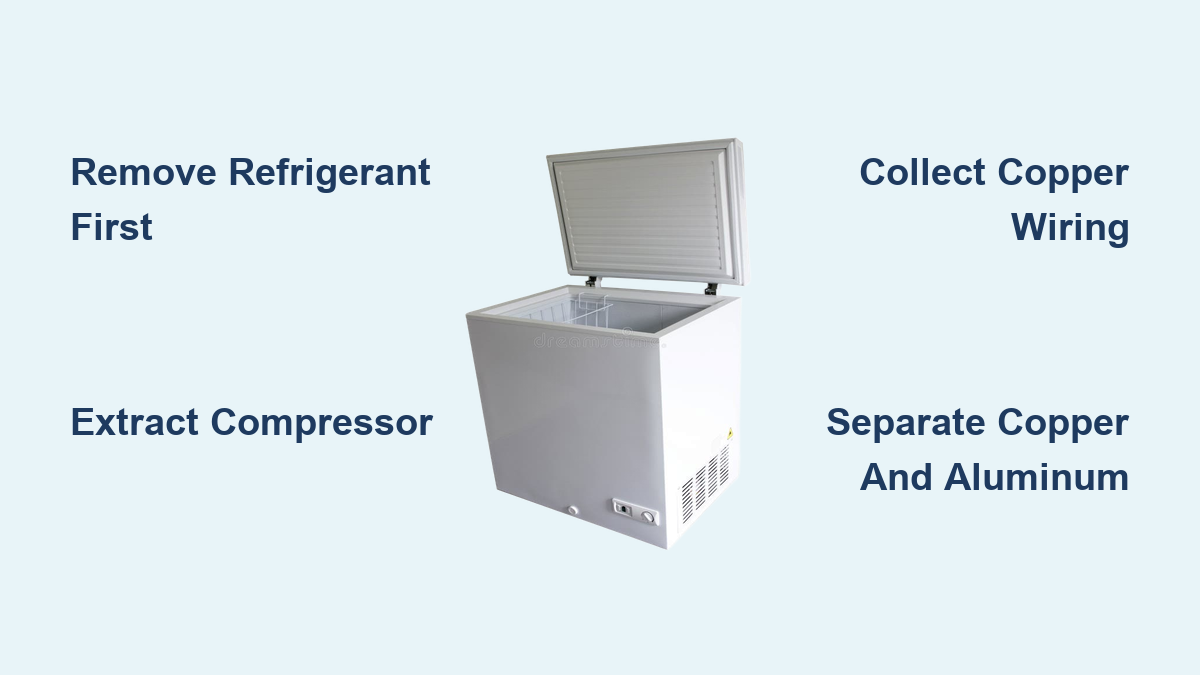
The compressor represents the most valuable single component, housing copper windings inside a steel shell. While extracting the copper requires specialized equipment, selling the entire compressor intact typically earns more than the scrap value of the whole freezer. Copper wiring throughout the unit—found behind panels, under the unit, and connected to controls—adds substantial value when properly collected. The radiator assembly (condenser coil), usually visible as copper tubing at the rear, contains both copper and aluminum that can be separated for maximum return.
Locate and Extract These 3 High-Value Components First

Remove the Compressor Without Damaging Copper Windings
Find the compressor at the bottom rear of your freezer, typically enclosed in a steel casing. This component contains the most valuable copper in the entire unit. Before attempting removal, confirm refrigerant has been professionally evacuated—this step is legally required and dangerous if skipped. Using appropriate wrenches, unbolt the compressor from its mounting brackets while preserving the copper refrigerant lines attached to it. Many scrap yards pay more for compressors with lines intact rather than cut, as this simplifies their processing workflow.
Collect Every Inch of Copper Wiring Systematically
Trace wiring bundles throughout the freezer, starting from behind the rear panel and underneath the unit. Freezers contain extensive copper wiring for power, controls, lighting, and internal functions. Use wire cutters to remove wiring in long sections rather than small pieces, as continuous lengths fetch better prices at scrap yards. Pay special attention to the thick power cord entering the unit and any wiring connected to the compressor. For maximum value, strip plastic insulation from smaller gauge wires using a wire stripper—this separates the valuable copper from non-valuable plastic sheathing.
Extract the Radiator Assembly for Copper and Aluminum Separation
The radiator (condenser coil) typically appears as serpentine copper tubing at the freezer’s rear or bottom. This component contains both copper tubing and aluminum foil fins that hold significant combined value. Carefully detach the radiator assembly using appropriate tools to avoid kinking or damaging the copper tubing. While some scrap yards accept radiators intact, separating the copper from aluminum yourself using specialized tools can increase your returns by 30-50%, as these metals command different market prices. If processing multiple units, consider investing in a radiator recycling machine that automatically separates these materials.
Prepare Your Freezer for Scrapping: Critical 24-Hour Defrost Rule
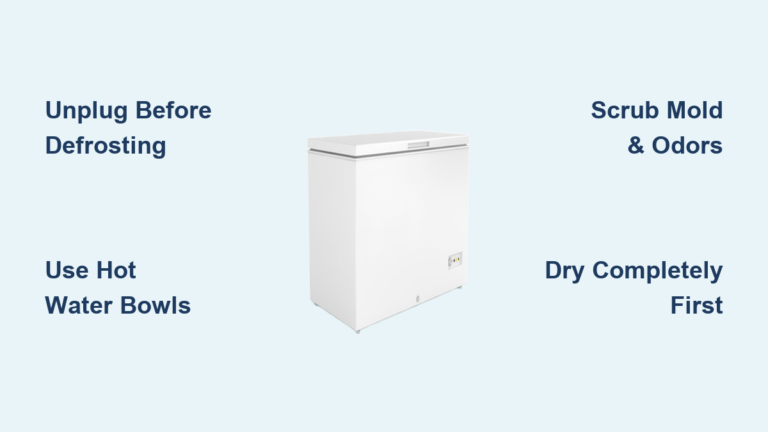
Before any disassembly begins, unplug your freezer and let it sit for a minimum of 24 hours in a well-ventilated workspace. This defrosting period serves three critical purposes: it melts all ice buildup that could create slipping hazards, stabilizes internal pressure in refrigerant lines (though refrigerant must still be professionally removed), and allows any residual moisture to evaporate, preventing electrical hazards during disassembly. Attempting to scrap a freezer immediately after unplugging risks electrical shorts from condensation and creates unsafe working conditions from ice and water.
Gather these essential tools before starting: multiple screwdriver sizes, adjustable wrenches, pliers, wire cutters, protective gloves, safety glasses, and a tarp to protect your workspace. Organize your area with separate containers for steel, copper, aluminum, and non-recyclable materials—this sorting during disassembly saves significant time later and often increases your scrap value through better material separation.
Never Attempt DIY Refrigerant Removal: Legal and Safety Imperatives
Refrigerant handling requires EPA Section 608 certification in the United States and similar licensing in most other countries—period. Intentionally releasing refrigerants like R-134a or older Freon compounds violates the Clean Air Act and can trigger fines up to $37,500 per violation. Licensed HVAC technicians use specialized recovery equipment that captures 95-99% of refrigerants without atmospheric release. Contact your local appliance repair shop or check with scrap yards—they often partner with certified technicians who provide affordable evacuation services ($20-$50 per unit).
Some older freezers may have already lost their refrigerant through leaks, but you cannot assume this is the case. Even units that haven’t worked for years often retain partial refrigerant charges. A professional technician can verify system status and provide documentation required by many scrap facilities before accepting your freezer. Skipping this step not only risks legal penalties but also exposes you to chemical hazards and potential contamination of recovered materials.
Step-by-Step Freezer Disassembly Process (60-90 Minutes Total)

Phase 1: Interior and Door Removal (15-20 Minutes)
Begin by removing all interior components: shelves, drawers, door bins, and any removable fixtures. These plastic parts can often be recycled separately at municipal facilities. Next, disconnect door hinges using appropriate wrenches—this reduces weight significantly and eliminates safety hazards from swinging doors. Finally, peel away magnetic door seals; these rubber gaskets often contain embedded magnets worth recovering. Complete this phase before moving the freezer, as an empty unit weighs 30-40% less than a fully loaded one.
Phase 2: Extract High-Value Components (30-45 Minutes)
With the interior cleared, focus on valuable materials: remove the compressor as described earlier, then systematically collect all copper wiring. Locate and extract the radiator assembly, taking care not to damage the copper tubing. These three components typically represent 70-80% of your freezer’s scrap value despite comprising only 15-20% of its total weight. Handle sharp metal edges with cut-resistant gloves during this phase to prevent injuries.
Phase 3: Process the Steel Shell for Scrap Value (20-30 Minutes)
After removing high-value components, separate the remaining steel shell into manageable sections. Remove any remaining plastic or rubber components that could contaminate your metal scrap. Some scrap yards prefer whole shells, while others pay more for cut pieces that facilitate their processing—call ahead to confirm preferences. The steel casing, internal framework, and numerous smaller metal parts collectively provide substantial weight-based returns, especially if you’ve removed non-metal contaminants.
Best Options to Sell Your Freezer Scrap for Top Dollar
Compare Scrap Yard Pricing Structures Before Selling
Scrap yards typically offer $15-$50 per freezer based on weight and local metal prices, but their pricing structures vary significantly. Some pay more for complete units they can process themselves, while others offer premium rates for pre-separated materials. Call 3-4 local yards to compare current prices for mixed appliance scrap versus separated copper, aluminum, and steel. For maximum returns, sell copper wiring separately—it often earns 3-4 times more per pound than mixed appliance scrap.
Check Utility Company Appliance Turn-In Programs First
Many electric utilities offer $50+ incentives for old refrigerators and freezers through energy efficiency programs. These programs typically require the unit to be operational at pickup, so test your freezer before scrapping—if it still cools, you might qualify. Utilities often provide free pickup, eliminating transportation hassles. Contact your local utility company to inquire about current programs—they’re widely available but frequently underutilized by consumers.
Consider Vintage Sales Before Scrapping Pre-1980s Models
Freezers from the 1950s-1970s with distinctive styling (like exterior coils or chrome accents) often sell for hundreds of dollars to collectors. Before scrapping, search online marketplaces for similar vintage units—functional models with period-correct styling can command significant premiums. One collector recently paid $350 for a working 1950s Kelvinator with original exterior coils. If your freezer has unique design elements, photograph it thoroughly and list on Facebook Marketplace or Craigslist before committing to scrapping.
Avoid These 3 Costly Freezer Scrapping Mistakes
Never skip professional refrigerant evacuation—this single step prevents legal liability and environmental damage. Avoid cutting copper wiring into short pieces; longer sections earn better prices at scrap yards. Most importantly, don’t assume all scrap yards offer equal prices—comparing rates can increase your returns by 20-30% for the same materials. Many beginners make the mistake of accepting the first quote without shopping around, leaving money on the table.
Final Tips to Maximize Your Freezer Scrap Value
Time your scrap sales with favorable metal market conditions—copper prices fluctuate significantly month-to-month. Prepare materials according to buyer specifications: some yards want components separated, while others prefer complete units. For multiple freezers, invest in basic processing equipment like a wire stripper that pays for itself after processing just 10-15 units. Remember that proper freezer scrapping isn’t just about profit—it’s about responsible resource recovery that keeps valuable materials out of landfills and prevents environmental harm from improper refrigerant handling.
By following this precise how to scrap a freezer process, you’ll transform what seems like junk into legitimate cash while protecting the environment. The key steps—professional refrigerant removal, strategic component extraction, and smart selling choices—turn a disposal chore into a profitable recycling opportunity that benefits both your wallet and the planet.